
How to Dress According to Temperatures? Smart Outfits

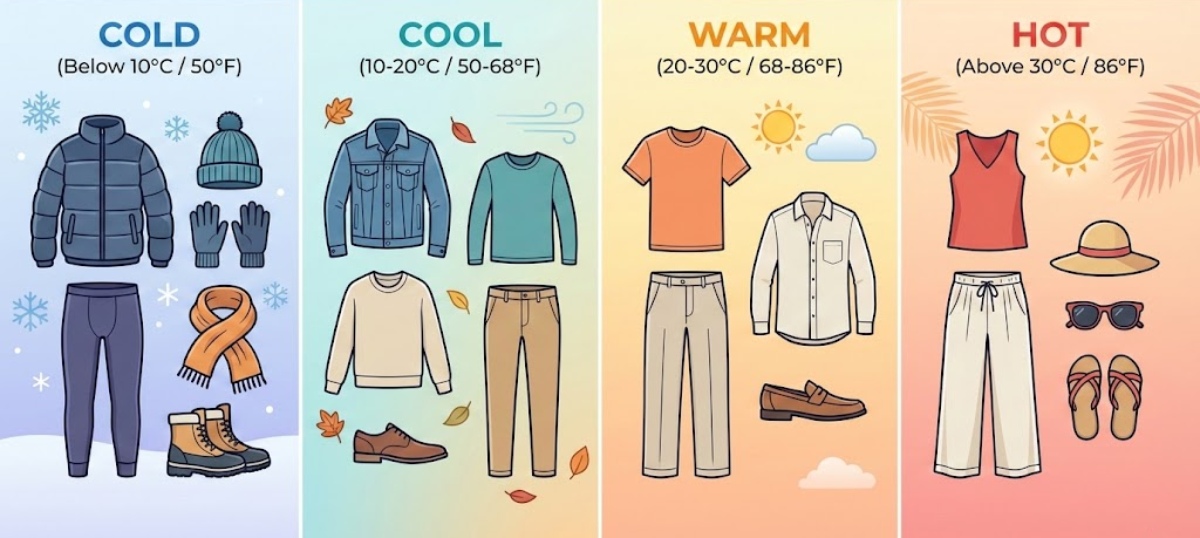
You’ll want to layer smartly to match the temperature: start with moisture-wicking base layers that keep sweat off your skin, add insulated or fleece mid-layers below 50°F, and top it with windproof, waterproof outerwear when needed.
In warmer weather, opt for breathable, lightweight fabrics like moisture-wicking tees and shorts, plus sun protection accessories. Adjust layers to stay comfortable as you move.
If you want tips on how to tailor your outfit for every temperature range, keep exploring these strategies.
Key Takeaways
- Layer clothing starting with moisture-wicking base layers to regulate sweat and maintain comfort at all temperatures.
- Add insulating mid-layers like fleece in cold weather, removing them as temperatures rise to avoid overheating.
- Use windproof and waterproof outer layers to protect against rain, snow, and wind regardless of temperature.
- Adjust accessories such as gloves, hats, and headbands based on temperature ranges for optimal warmth or cooling.
- Choose breathable, fast-drying fabrics for all layers to prevent moisture buildup and maintain comfort during activity.
Dressing Basics: Layering Principles for All Temperatures
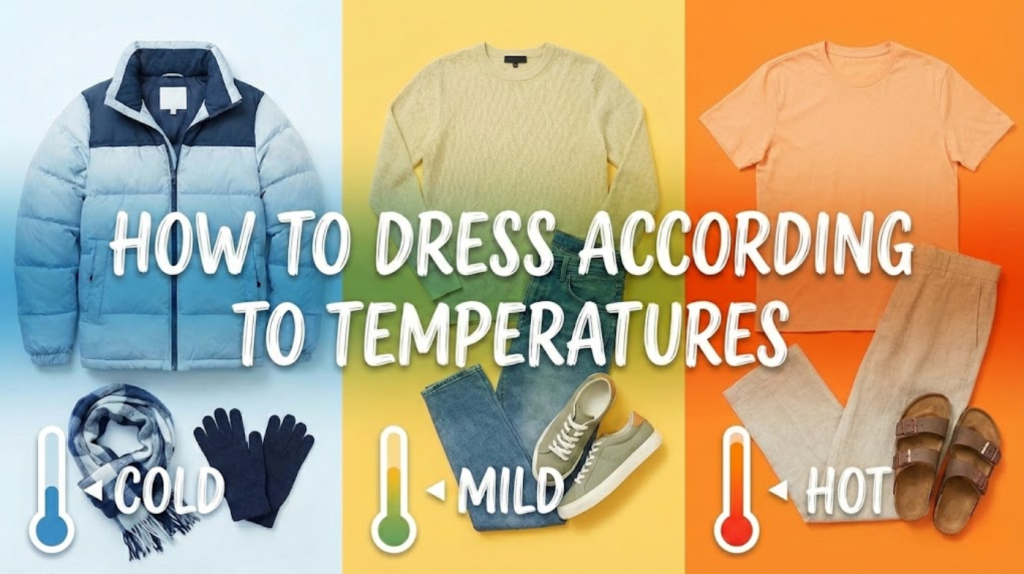
Although weather conditions vary widely, mastering the basics of layering gives you control over your comfort and performance in any temperature.
Start with a moisture-wicking base layer to keep sweat off your skin and maintain warmth.
Add a mid-layer made from fleece or lightweight insulation to trap heat without bulk.
Finally, top it off with a windproof, waterproof outer layer to shield you from rain, snow, or gusts.
This system lets you adjust quickly; remove or add layers as your activity level or weather changes.
Focus on fabrics that breathe and dry fast to avoid moisture buildup, which can chill you.
By layering strategically, you stay comfortable, prevent overheating, and optimize mobility, no matter the forecast.
This approach is your go-to for smart, adaptable dressing year-round.
When selecting outerwear or layering pieces, consider materials like recycled polyester or organic cotton for their durability and eco-friendly benefits, as highlighted in eco-friendly materials.
Dressing for Cold Weather Below 40°F
When temperatures dip below 40°F, you need clothing that actively traps your body heat while managing moisture to keep you dry and warm. Start with thermal base layers that wick sweat and provide insulation.
Add insulated running tights and long-sleeve thermal shirts for core warmth. Protect extremities using insulated gloves or mittens. Mittens keep fingers warmer by sharing heat. Don a wool or fleece beanie to prevent heat loss from your head.
Layer smartly to balance warmth without bulk. Improving ventilation with natural airflow helps regulate moisture and prevents overheating during physical activity.
| Layer Type | Recommended Item | Key Benefit |
|---|---|---|
| Base Layer | Thermal shirt & leggings | Moisture-wicking, insulation |
| Mid Layer | Insulated running tights | Warmth, flexible movement |
| Hand Protection | Insulated gloves or mittens | Protects fingers, retains heat |
| Headwear | Wool or fleece beanie | Prevents heat loss |
| Outer Layer | Windproof jacket | Blocks cold wind |
Dressing for Cool Weather (40-50°F)
As temperatures hover between 40 and 50°F, you’ll want to focus on layering that balances warmth with breathability to stay comfortable during active outdoor pursuits.
Start with a long-sleeve shirt as your base, then add a medium-weight jacket or pullover to trap heat without bulk.
Opt for running tights or long pants paired with a light base layer for leg coverage that won’t restrict movement.
Protect your hands with lightweight knit or fleece gloves and keep your ears warm using a lightweight winter hat or headband, both practical and stylish.
If rain threatens, don’t hesitate to layer in a waterproof jacket and pants to stay dry.
This combination guarantees you stay comfortable, dry, and agile in cool weather without overheating or feeling weighed down.
For added comfort, consider incorporating merino wool base layers, which effectively manage moisture and regulate temperature.
Dressing for Mild Weather (50-65°F)
Since temperatures range between 50 and 65°F, you’ll want to wear moisture-wicking shirts, either short- or long-sleeve, that balance breathability with just enough insulation.
Layering remains key, allowing you to adapt as your body warms during activity. Choose lightweight jackets or vests you can easily shed.
For bottoms, running capris or lightweight tights provide comfort without overheating. Don’t overlook medium-weight socks to keep feet comfortable without excess warmth.
Optional accessories like baseball caps or headbands protect against sun and wind.
Focus on these essentials for mild weather dressing:
- Moisture-wicking shirts for balanced temperature control
- Lightweight jackets or vests for easy layering
- Running capris or lightweight tights for versatile coverage
- Medium-weight socks for foot comfort
- Lightweight hats or headbands to shield from sun and chill
Additionally, selecting breathable fabrics such as cotton or moisture-wicking polyester enhances comfort in varying temperatures.
Dressing for Warm to Hot Weather Above 65°F
How do you stay comfortable and protected when temperatures climb above 65°F?
Start with breathable, moisture-wicking T-shirts that keep sweat from sticking to your skin. This helps you stay dry and cool. Layer smartly with light long-sleeves or cardigans if you need sun protection or face variable conditions.
Choose breathable, moisture-wicking tees and layer lightly for sun protection and comfort in changing conditions.
Choose running shorts or lightweight pants based on your activity and personal comfort. Don’t forget hats and sunglasses; they’re essential for shielding your face and eyes from harmful UV rays.
Always apply sunscreen to exposed skin to prevent damage during extended outdoor time.
When the mercury rises above 80°F, opt for tank tops and minimal clothing to maximize airflow. Stay hydrated consistently. These practical choices will keep you stylish, cool, and protected no matter how warm it gets.
For optimal comfort, consider fabrics that promote moisture-wicking technology, which enhances sweat evaporation and cooling efficiency.
Frequently Asked Questions
How Do I Properly Wash and Care for Thermal Base Layers?
You should wash thermal base layers in cold water with a gentle detergent to preserve their moisture-wicking properties.
Avoid fabric softeners, as they clog fibers and reduce effectiveness.
Turn layers inside out to protect the fabric, and air-dry them flat or hang dry to prevent shrinkage and damage.
Don’t use bleach or high heat in the dryer, as it degrades insulation.
Proper care keeps your layers functional and comfy for cold-weather adventures.
Can I Wear Cotton Clothing in Cold Weather?
You shouldn’t wear cotton in cold weather because it traps moisture and loses insulating properties when wet.
Instead, choose thermal base layers made from wool or synthetic fabrics that wick sweat away and keep you dry and warm.
Cotton can leave you feeling cold and damp, increasing the risk of hypothermia.
Stick to technical fabrics for active, cold-weather comfort and safety, and layer properly to maintain body heat efficiently.
What Fabrics Are Best for Moisture-Wicking in Hot Weather?
You’ll want fabrics like polyester and wool that wick moisture away faster than a desert storm.
These materials keep you dry by pulling sweat off your skin, helping you stay cool and comfortable in hot weather.
Avoid cotton; it traps moisture and turns heavy.
Lightweight, breathable blends with moisture-wicking tech are your best friends for intense heat.
Trust me, choosing the right fabric can make your outdoor workouts feel like a breeze, not a sauna.
How to Prevent Overheating When Layering During Exercise?
To prevent overheating while layering during exercise, you should choose moisture-wicking base layers that pull sweat away from your skin.
Opt for breathable mid-layers like fleece that insulate without trapping heat. Always pick outer layers that are windproof and waterproof but ventilated.
Don’t overdress; layer smartly so you can remove pieces as you warm up. This strategy keeps you dry, comfortable, and prevents sweat buildup that could lead to overheating or chills.
Are There Specific Accessories Recommended for Wind Protection?
About 40% of your body heat escapes through your head, so for wind protection, you should definitely wear a wool or fleece beanie or toque.
Pair that with a windproof neck gaiter or balaclava to shield your face and neck from biting gusts.
Don’t forget lightweight wind-resistant gloves for your hands.
These accessories block chilly winds effectively while maintaining breathability, keeping you comfortable and protected during outdoor activities.
Apply These Tips to Dress According to Temperatures Effortlessly
Remember, layering isn’t just stylish—it’s smart. Did you know that wearing just one extra layer can boost your warmth by up to 30%?
Whether you’re facing chilly mornings below 40°F or warm days above 65°F, mastering layers lets you adapt quickly and stay comfortable.
So, invest in versatile pieces, mix textures, and don’t be afraid to experiment with your look. Dressing right for the temperature keeps you cozy and effortlessly on-trend all year round.