
Are Bin Bags Waterproof: Leak-Free Waste Handling

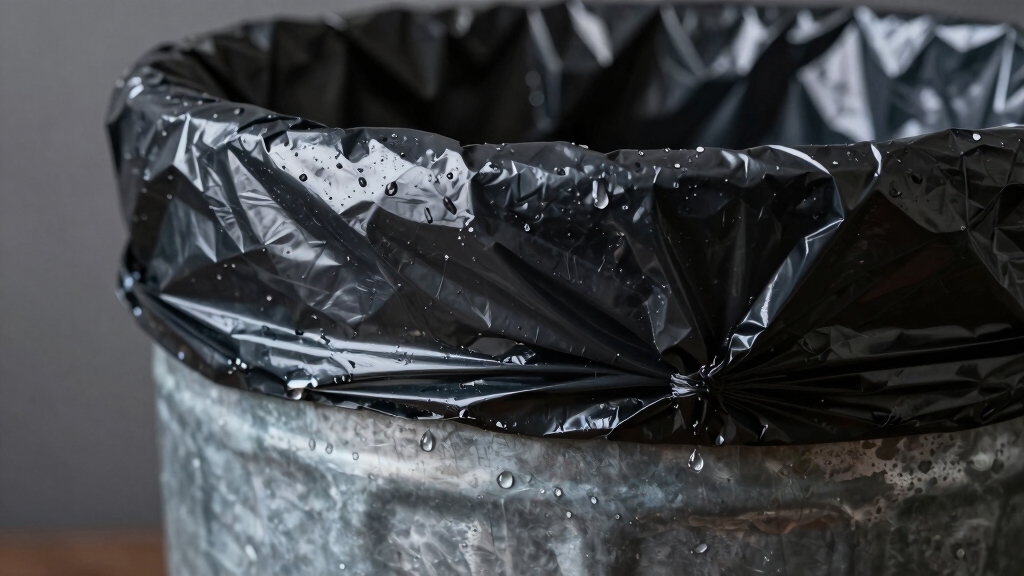
You shouldn’t assume bin bags are fully waterproof because woven polypropylene fibers have tiny gaps that let moisture through, even with coatings. These coatings improve water resistance but won’t block prolonged exposure or seepage entirely.
Internal polyethylene liners and sealed seams markedly boost protection, while double bagging adds redundancy. Water-resistant bags favor breathability, but fully waterproof designs use multi-layer barriers for maximum defense.
Exploring these differences will clarify how bin bags handle moisture in various settings.
Key Takeaways
- Woven polypropylene bin bags are water-resistant but not fully waterproof due to microscopic gaps in the fabric allowing moisture penetration.
- Surface coatings improve water repellency but cannot completely prevent seepage through woven fibers over time.
- Fully waterproof bin bags require internal polyethylene liners and sealed seams to block water ingress effectively.
- Double bagging with moisture-impermeable liners significantly enhances water protection by adding redundant barriers.
- Regular maintenance and avoiding harsh chemicals help preserve coatings but do not make standard bin bags waterproof.
Materials Used in Bin Bags and Their Impact on Waterproofing
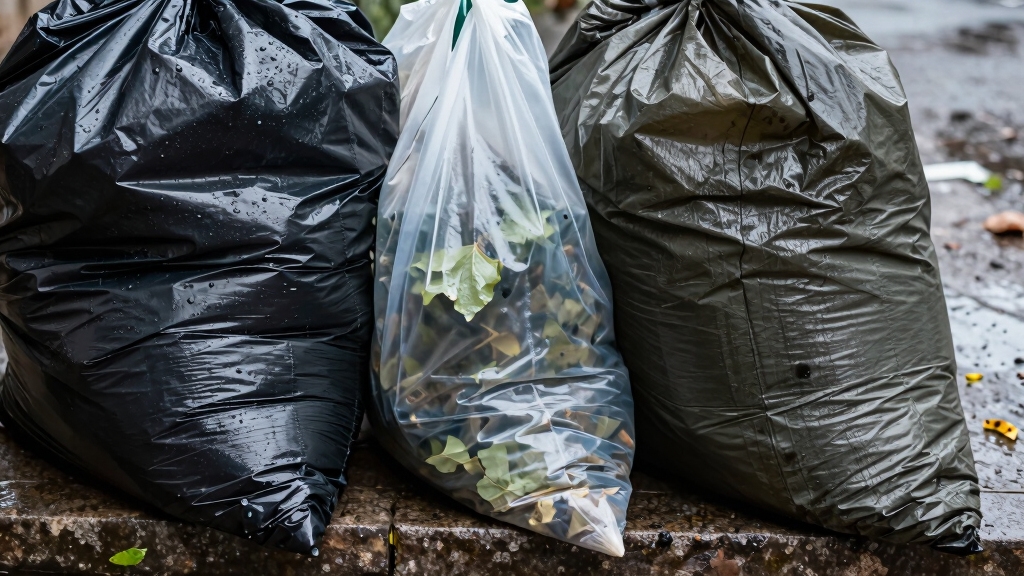
Although bin bags are commonly made from woven polypropylene, this material’s microscopic gaps greatly affect their waterproofing capabilities. You should recognize that the woven structure inherently allows moisture to pass through, despite the material’s strength and durability.
Even when polypropylene is laminated or coated, these treatments only reduce moisture ingress rather than eliminating it entirely. The fabric’s breathability, while beneficial for some applications, compromises its ability to be fully watertight.
Consequently, relying solely on woven polypropylene for waterproofing is insufficient. Understanding these material characteristics helps you assess why added moisture barriers, such as coatings or liners, are necessary for enhanced water resistance. Applying polyurethane (PU) coatings can improve water resistance at reasonable weight and cost.
Why Standard Bin Bags Are Not Fully Waterproof?
You know, standard bin bags aren’t truly waterproof, and here’s why. They’re made from woven fabric that has tiny gaps.
These gaps allow moisture to seep through, which really limits how well they can keep things dry.
Now, some bags might’ve special coatings to help reduce water penetration, but the truth is, they don’t completely seal those microscopic openings.
So, even with a coating, there’s still a chance for moisture to get in.
If you’re looking for better moisture protection, internal liners can definitely help.
But, just a heads up—they still can’t guarantee complete waterproofing. It’s a bit of a trade-off, really!
Regular maintenance and fabric protectants can improve moisture resistance but won’t make bags fully waterproof.
Fabric Permeability Challenges
Because standard bin bags are made from woven polypropylene fabric, they inherently allow moisture to pass through microscopic gaps between fibers.
You’ll find that this woven structure, while strong and durable, creates tiny channels that let water vapor and liquid seep through over time.
This means that even if the material feels dense, it doesn’t form a fully sealed barrier against moisture.
Additionally, the fabric’s breathability, an advantage for some uses, actually works against waterproofing by permitting moisture migration.
When you rely solely on this woven fabric, you’re fundamentally using a permeable surface unsuitable for complete liquid containment.
Backpack materials like recycled polyester, which offer moisture resistance, illustrate alternatives that can better prevent water penetration in outdoor gear, emphasizing the importance of material selection in waterproofing.
Coating Limitations Explained
Even when manufacturers apply polypropylene laminate coatings to bin bags, these layers don’t create a fully waterproof barrier. The woven polypropylene fabric contains microscopic gaps that coatings can’t completely seal.
Over time, water can penetrate these tiny openings, especially under prolonged exposure. Coatings improve water resistance but can’t guarantee full waterproofing due to the material’s inherent permeability.
| Expectation | Reality | Impact |
|---|---|---|
| Waterproof Barrier | Partial Moisture Block | Risk of Leakage |
| Seam Protection | Limited Sealing | Vulnerable Points |
| Durability | Coating Degrades | Reduced Lifespan |
| Breathability | Still Present | Moisture Penetrates |
| Cost Efficiency | Moderate Improvement | Need for Liners |
You should understand that coatings enhance but don’t eliminate moisture risks in standard bin bags. Proper maintenance and care, including gentle cleaning and avoiding harsh chemicals, can help preserve the integrity of coated materials and extend their functional lifespan by minimizing damage to the material’s durability.
Importance Of Internal Liners
While coatings improve water resistance, they can’t fully prevent moisture from penetrating standard bin bags due to the woven polypropylene fabric’s inherent permeability.
That’s why internal liners are essential. They create an additional barrier inside the bag, markedly enhancing moisture protection.
Without liners, the microscopic gaps in the woven fabric allow water to seep through, undermining the bag’s waterproof claims.
Here’s what internal liners offer you:
- Secondary moisture barrier using polyethylene materials like LDPE or HDPE
- Form-fit liners designed for liquid containment in cube-shaped bins
- Improved defense against leakage and contamination
- Compatibility with removable or permanent liner configurations
For a truly effective moisture barrier, understanding the limitations of fabric permeability is crucial when selecting or designing bin bags.
How Coatings and Laminations Improve Water Resistance in Bin Bags?
Coatings and laminations really do wonders when it comes of making bin bags more water-resistant. They work by sealing up those tiny gaps in the material, which can be a game-changer. You mightn’t realize it, but even a small improvement in moisture resistance can make a big difference in how effective the bag is.
These laminate barriers smooth out the surface, helping to repel moisture better. Now, don’t get me wrong—they won’t make the bag completely waterproof, but they do enhance its overall performance.
Once you get a grasp on how these treatments function, it becomes pretty clear just how important they’re for boosting water resistance in bin bags. Many bin bags utilize polypropylene for its hydrophobic and acid-resistant properties to improve water resistance.
Laminate Barrier Benefits
Applying laminate coatings markedly enhance the water resistance of bin bags by sealing the microscopic gaps inherent in woven polypropylene fabric. This lamination creates a smoother, glossier surface that reduces moisture penetration without fully waterproofing the material.
While the base fabric remains somewhat permeable, the laminate barrier notably limits water ingress during short-term exposure.
You’ll notice these benefits in practical use:
- Improved resistance to light rain or spills
- Reduced material leakage through fine woven fibers
- Enhanced durability against abrasion and environmental wear
- Slight increase in bag stiffness and weight
For better protection and organization, using multiple smaller bags can help maintain waterproof integrity and prevent overfilling during storage or transport.
Coating Water Repellency
Coatings and laminations markedly enhance the water repellency of bin bags by creating a protective layer over the woven polypropylene fabric. This layer seals microscopic gaps that otherwise allow moisture penetration through the woven material.
When you choose coated bin bags, you benefit from a smoother, glossier surface that resists light water exposure more effectively than untreated bags. Laminations improve resilience against moisture but don’t render bags fully waterproof, as the woven structure remains inherently permeable over time.
The thickness and quality of the coating directly influence how well the bag repels water, with thicker laminates providing superior protection.
While coatings reduce water ingress and fine material leakage, they must often be combined with internal liners or sealed seams for peak water resistance in demanding applications. Proper storage and handling also help maintain the integrity of coatings and prevent damage from environmental conditions.
The Role of Internal Liners in Waterproofing Bin Bags
When you line a bin bag internally with polyethylene, you markedly boost its ability to keep moisture out. Polyethylene liners act as a secondary barrier, substantially reducing water penetration that standard woven materials can’t prevent.
Internal polyethylene lining significantly enhances a bin bag’s moisture resistance beyond standard woven materials.
While these liners enhance moisture protection, they don’t guarantee total waterproofing due to potential seam vulnerabilities or liner damage. You’ll find that different types of polyethylene, like LDPE and HDPE, offer varying levels of resistance depending on thickness and density.
Consider these key points about internal liners:
They create a form-fit barrier inside the bag, limiting direct moisture contact with the outer fabric.
Polyethylene liners reduce leakage but don’t eliminate risk entirely.
Pre-lined bags combine convenience with improved moisture defense.
Liners complement coatings but can’t replace proper seam sealing for full protection.
For sustained heavy rain or submersion, additional layers such as waterproof shells are necessary to ensure full protection.
Water-Resistant vs. Fully Waterproof Bin Bags: Key Differences
Understanding the difference between water-resistant and fully waterproof bin bags helps you select the right protection level for your needs.
Water-resistant bin bags typically feature a polypropylene coating that repels small amounts of moisture but still allows prolonged water exposure to seep through microscopic gaps in the woven fabric.
These bags suit applications requiring moderate moisture defense but don’t guarantee total liquid exclusion.
Fully waterproof bin bags, on the other hand, combine coated exteriors with robust internal polyethylene liners, markedly reducing water penetration.
Their sealed construction and non-breathable materials make them appropriate for sensitive or liquid materials.
When choosing, consider that water-resistant bags prioritize breathability and durability, while fully waterproof bags emphasize maximum moisture protection through multi-layer barriers and lower permeability.
It is important to consider the durability and material requirements of the bags to ensure they withstand handling and environmental factors effectively.
Double Bagging and Sealed Seams for Moisture Protection in Bin Bags
Although standard bin bags provide basic moisture resistance, you can markedly enhance protection by employing double bagging and sealed seam techniques.
Double bagging involves placing a moisture-impermeable liner inside a standard bag. This creates an additional barrier that markedly reduces water ingress. Sealed seams, typically heat-sealed, prevent liquid penetration through stitch holes. They outperform traditional sewn seams in moisture defense.
Consider these key benefits:
- Double bagging adds redundancy, minimizing moisture exposure risks.
- Sealed seams eliminate common leakage points caused by needle perforations.
- Combined, these methods lower overall moisture penetration more effectively.
They adapt well to industries requiring enhanced moisture control.
Top Industries That Rely on Waterproof Bin Bags
Enhancing bin bags with double bagging and sealed seams markedly reduces moisture ingress. This feature is essential for many industries that depend on protecting sensitive materials.
In agriculture, waterproof bin bags prevent crop spoilage by shielding produce from rain and humidity. The chemical industry requires these bags to contain powders and granules safely, avoiding contamination and moisture-triggered reactions.
Construction sectors use waterproof bin bags to store cement and aggregates, preserving material integrity despite wet conditions. Mining operations rely on them to transport minerals without moisture intrusion, which could degrade quality or cause clumping.
Even food processing industries utilize waterproof bin bags to maintain hygiene and product safety during storage and transport. By leveraging these protective features, you guarantee material preservation and regulatory compliance across diverse industrial applications.
Frequently Asked Questions
How Should Waterproof Bin Bags Be Disposed of Safely?
You should dispose of waterproof bin bags by first checking local recycling guidelines. Many waterproof bags contain mixed materials that complicate recycling.
If recycling isn’t available, securely seal the bags to prevent leaks or contamination during handling. Avoid burning them, as coated or laminated plastics release harmful fumes.
Instead, place them in designated waste bins or take them to specialized disposal facilities that manage coated or laminated plastic waste safely and responsibly.
Can Waterproof Bin Bags Be Recycled Effectively?
Think of waterproof bin bags as a fortress. They’re strong but complex. You can recycle them, but their multi-layered coatings and liners often complicate processing.
Recycling facilities might struggle with the mixed materials, reducing efficiency. To recycle effectively, you’ll need specialized programs designed for laminated plastics.
Otherwise, these bags could end up in landfills despite being recyclable. Always check local guidelines to make certain your waterproof bin bags are recycled properly.
What Is the Environmental Impact of Waterproof Bin Bags?
You should know waterproof bin bags often rely on coatings or liners that complicate recycling, increasing environmental impact.
Their polymer layers reduce biodegradability and can contaminate recycling streams if not properly separated.
While they protect contents from moisture, their production and disposal consume more resources and generate more waste than standard bags.
Choosing alternatives or ensuring proper waste management helps minimize ecological harm linked to waterproof bin bags.
Are Waterproof Bin Bags Safe for Food Waste Disposal?
Think of waterproof bin bags as a fortress guarding your food waste; they’re generally safe if designed with food-grade materials.
You’ll want bags free from harmful chemicals and certified for food contact to avoid contamination.
While their moisture barriers prevent leaks and odors, make certain they’re sturdy enough to handle waste without tearing.
Choosing certified, durable waterproof bags gives you a hygienic, reliable solution for food waste disposal.
How Long Do Waterproof Bin Bags Typically Last in Storage?
Waterproof bin bags typically last 6 to 12 months in storage if kept in a cool, dry environment away from direct sunlight.
Over time, exposure to UV rays, heat, and fluctuating humidity degrades their polymer liners and coatings, reducing effectiveness.
To maximize lifespan, store bags sealed and protected from physical damage.
Regularly inspect the bags for brittleness or cracks before use, as these factors critically impact their waterproof performance and durability.
Better Waste Protection Begins With Smarter Bag Choices
You shouldn’t assume standard bin bags are fully waterproof since their materials and seams often allow moisture through.
For example, a hospital using coated, double-bagged liners prevents fluid leaks during medical waste disposal, showcasing how enhanced designs improve protection.
Understanding the difference between water-resistant and waterproof bags helps you choose the right option for your needs, whether for industrial waste or everyday household use.
Prioritizing coatings, liners, and sealed seams is key to effective moisture control.