
What to Do With an Old Backpack: From Waste to Worth

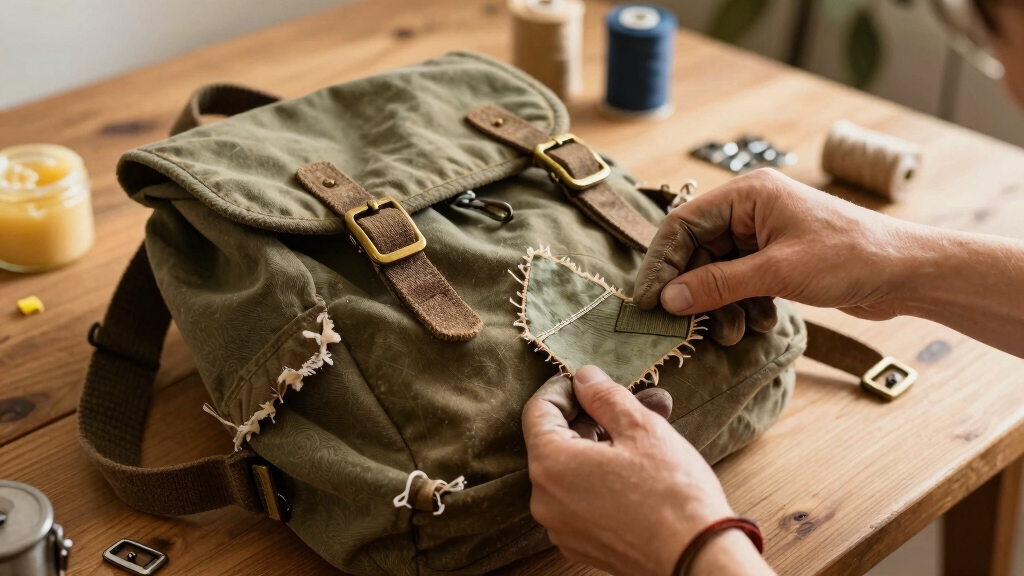
You can easily extend your old backpack’s life by repairing worn seams, replacing broken zippers, and reinforcing weak straps. Repurpose it as a gym or emergency “go” bag by cleaning thoroughly and adding personal touches.
Use it for household storage to keep tools and gadgets organized, or transform it into a hanging garden with proper lining and drainage.
When it’s beyond repair, consider donating to kids in need or using brand take-back programs to recycle responsibly. Explore these options to maximize your backpack’s value and versatility.
Key Takeaways
- Repair worn areas with fabric glue, replace broken zippers, and reinforce weak straps for continued backpack use.
- Repurpose as a gym bag, travel daypack, or emergency “go” bag with organized compartments and essential supplies.
- Use as household storage for tools, electronics, craft supplies, or seasonal clothing to keep items organized and portable.
- Donate backpacks in good condition to charities or participate in brand take-back programs for responsible recycling.
- Convert into a hanging garden by lining the interior with plastic, adding drainage, and securing for plant growth.
Turn Your Old Backpack Into a Sturdy Gym Bag
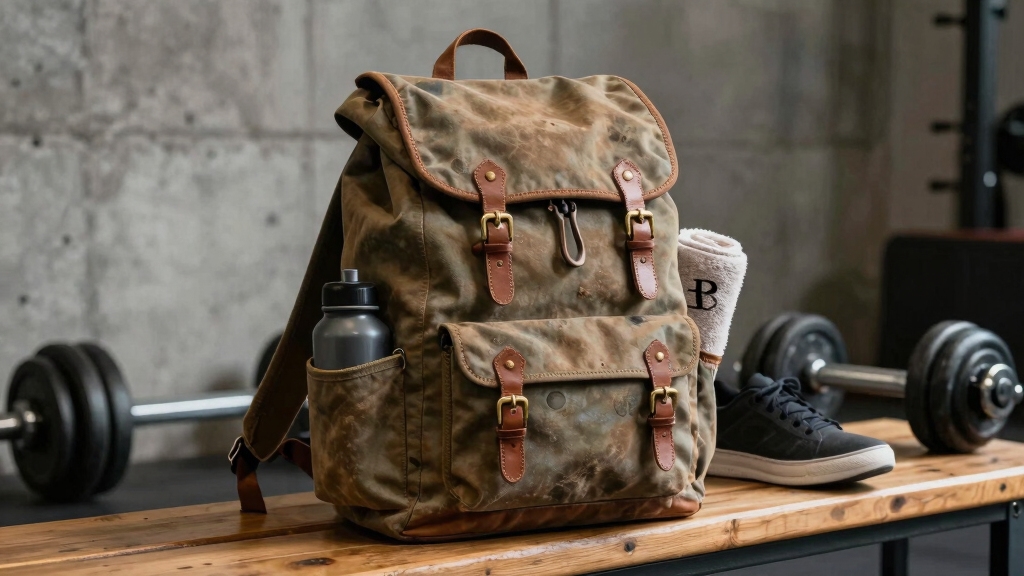
Transform your old backpack into a sturdy gym bag by dedicating it to carry your workout gear, especially items that tend to get sweaty or dirty.
Use its durable compartments to separate shoes, damp clothes, and clean items, preventing odors from spreading.
Choose a backpack with breathable fabric or add a moisture-wicking liner to enhance ventilation.
This approach saves your newer backpacks from damage and keeps your gym essentials contained in one place.
The original design often includes pockets perfect for water bottles and accessories like headphones or locks.
When you’re done at the gym, simply zip it up and toss it in your car or carry it home.
Repurposing your old backpack this way extends its life and reduces the need to buy a specialized gym bag.
To ensure it withstands frequent use, consider reinforcing seams and using durable, abrasion-resistant materials for added longevity.
Repair and Refresh Your Old Backpacks for More Use
Breathe new life into your old backpack by repairing small tears, replacing broken zippers, and reinforcing worn straps.
Start by inspecting every seam and patch any holes with durable fabric glue or needle and thread. If the zipper is stuck or broken, consider swapping it out with a similar-sized replacement zipper.
You can find these at craft stores or online. Strengthen weak straps by sewing on extra layers or adding fabric patches where they attach to the bag.
Clean the backpack thoroughly before repairs, removing dirt and grime that can weaken materials. Finally, treat the fabric with a water-repellent spray to boost durability.
Using fabric glue sparingly ensures temporary fixes without damaging nylon fibers.
These simple but effective fixes will extend your backpack’s lifespan and keep it ready for everyday use without needing a full replacement.
Use Old Backpacks as Convenient Household Storage
You know those old backpacks lying around? They can be super handy for organizing all sorts of small household items like chargers, tools, or even kitchen gadgets. Instead of letting them collect dust, why not give them a new purpose?
And if you’ve got seasonal clothing taking up space, using a backpack is a smart move. You can store sweaters or swimwear in there, keeping everything compact and easy to grab when you need it.
Oh, and if you’re into crafts, a backpack can really help keep your workspace tidy. Just toss in your supplies, and you’ll have everything right at your fingertips. It’s a simple way to stay organized and make the most of what you already have!
Choosing a backpack with the right volume in liters ensures it can accommodate your storage needs efficiently.
Organize Small Household Items
Many old backpacks offer a versatile solution for organizing small household items, turning clutter into manageable storage. You can use compartments to separate tools, craft supplies, or electronics, keeping everything accessible and neat.
The backpack’s portability lets you carry items to different rooms without hassle. Try labeling each pocket for quick identification. This method not only saves drawer space but also keeps frequently used items within reach.
| Item Type | Backpack Section | Storage Tips |
|---|---|---|
| Tools | Main Compartment | Use pouches for screws, nails |
| Craft Supplies | Side Pockets | Store scissors, glue, pens |
| Electronics | Front Pocket | Keep chargers and cables |
| Miscellaneous | Internal Mesh Pockets | Separate small gadgets |
For maintaining the backpack’s longevity, regular cleaning and addressing any damage early can keep your storage solution in good shape, as explained in proper maintenance.
Store Seasonal Clothing Easily
After organizing small household items in your old backpack, consider using it to store seasonal clothing. You can neatly pack away sweaters, scarves, or swimwear, keeping them dust-free and ready for next season.
The backpack’s compartments and zippers help separate different clothing types, so you won’t have to dig around later. Its durable fabric protects garments from moisture and pests better than boxes or plastic bags.
When it’s time to rotate your wardrobe, simply unzip the backpack and swap out the contents. Its portability allows you to move stored clothes easily between closets, basements, or storage units.
Using your old backpack this way reduces clutter, maximizes space, and gives new purpose to an otherwise unused item. This makes seasonal shifts smoother and more organized. Choosing a backpack made from heavy-duty waxed canvas can enhance protection and durability for long-term storage.
Keep Craft Supplies Accessible
Old backpacks can easily be turned into handy storage solutions for craft supplies, keeping everything organized and within reach. You can separate items by type, making your projects more efficient and reducing clutter.
Hang the backpack on a hook or place it on a shelf for quick access. Use pockets and compartments to store scissors, glue sticks, markers, and ribbons systematically.
Incorporating materials with moisture-wicking technologies inside your storage compartments can help protect delicate supplies from humidity and dampness.
| Supply Type | Storage Tip | Benefit |
|---|---|---|
| Paints & Brushes | Use small jars inside pockets | Prevents spills |
| Papers & Fabrics | Flat compartments or sleeves | Keeps materials wrinkle-free |
| Tools | Elastic bands or mesh pockets | Easy visibility and access |
Repurposing your backpack this way maximizes its usability while streamlining your craft area.
Give Your Old Backpacks to Kids Who Need Them
When you donate backpacks in good condition to organizations that support children worldwide, you provide more than just a bag. You offer a practical tool that helps kids carry their school supplies comfortably and securely.
These backpacks, often adjustable to fit different child sizes, guarantee a better fit. This makes daily use easier and more comfortable for young students.
Before donating, inspect the backpack for any damage. Only send those in great shape to maximize usefulness.
Many groups specifically request backpacks to distribute in schools or communities lacking resources. Your contribution directly supports education access.
Choosing backpacks made from durable materials ensures they withstand daily wear and provide long-lasting use for children.
Recycle Old Backpacks Through Brand Take-Back Programs
By participating in brand take-back programs, you can guarantee your worn backpacks are responsibly recycled instead of discarded.
These programs make certain materials like polyester and nylon get a second life, reducing landfill waste. Many outdoor brands offer convenient options to recycle old gear.
Here’s what you should know:
- North Face accepts backpacks in-store or by mail and offers a $10 credit for returned items.
- REI takes trade-ins if your backpack is still in good condition.
- Patagonia, TimBuk2, and Cotopaxi also have take-back programs focused on material recycling.
- Check each brand’s website for specific drop-off locations and mailing instructions.
Additionally, using backpacks made from durable Ripstop Polyester can help extend the life of your gear and reduce the need for frequent replacements.
Use Old Backpacks as Extra Travel Bags
Pull out your backpack to serve as an extra travel bag, and you’ll find it can ease the stress of packing and moving.
Use it as a carry-on to separate essentials like chargers, snacks, or a change of clothes. This keeps your main luggage lighter and more organized.
Its compact size makes it perfect for short trips or as a daypack when you reach your destination.
When moving, stash smaller items or fragile belongings inside to protect them and avoid overloading boxes.
Store the backpack flat or hang it in a closet to save space until your next trip.
Repurposing your old backpack this way adds packing flexibility, reduces the need for new bags, and keeps your travel setup practical and efficient.
Be sure to consider the carry-on size limits of your airline when using an old backpack as a travel bag to avoid unexpected fees or gate-checking.
Make a Hanging Garden From a Broken Backpack
First things first, grab that broken backpack and line it with some plastic sheeting. This will help keep moisture in and prevent any soil from leaking out. Trust me, it’ll save you a mess later on!
Once that’s done, fill it up with some good, well-draining soil. You want your plants to be happy and healthy, right?
Now, it’s time to hang that beauty up! Just make sure to find a spot that gets plenty of light—your plants will love it. Oh, and don’t forget to leave the front open. This way, you can easily water and take care of your little garden.
Keeping it thriving is the goal! Also, remember to check for any moisture buildup regularly to prevent damage to your hanging garden.
Preparing Backpack For Plants
When you notice your backpack’s zipper no longer functions, you can turn it into a hanging garden. Line the interior with plastic sheeting to hold soil and moisture. This prevents leaks and protects the fabric.
After lining, fill it with well-draining soil suitable for your plants. Keep the front compartment open or cut a flap for easy access to water and tend your garden. Before hanging, make certain the straps are secure enough to support the weight.
Here’s a quick checklist to prepare your backpack garden:
- Choose durable plastic sheeting, cut to fit the interior.
- Secure the plastic with waterproof tape or staples inside.
- Add a layer of small stones or gravel for drainage.
- Fill with quality potting soil, then plant your greenery.
Hanging And Maintenance Tips
After lining your backpack with plastic and filling it with soil, securing the straps firmly is key to safely hanging your garden.
Use strong hooks or nails to support the weight and double-check the attachment points on your wall or ceiling.
Keep the front pocket open for easy watering and plant access.
To maintain your hanging garden, water plants carefully to avoid excess dripping that might damage surfaces.
Regularly inspect the plastic lining for tears and replace it if needed to prevent leaks.
Remove dead leaves promptly to promote healthy growth.
If your backpack shows signs of wear or sagging, reinforce the straps or add extra support.
This way, your hanging garden stays sturdy, neat, and vibrant, transforming your broken backpack into a functional, attractive plant display.
Create an Emergency Kit With Your Old Backpack
Transform your old backpack into a reliable emergency kit by packing it with essential supplies your family might need during unexpected situations.
First, wash the backpack to guarantee it’s clean and test its durability. Label it clearly as a “GO bag” so everyone recognizes it quickly. Include items that cover basic needs and safety.
Here are four key essentials to pack:
- Water containers and non-perishable snacks
- A flashlight with extra batteries
- A first aid kit including medications
- Important documents and a whistle for signaling
Keep this kit accessible and update it periodically. This practical reuse guarantees your old backpack serves a vital role in preparedness without extra cost.
Customize Old Backpacks Into Kid-Friendly Bags
Creating an emergency kit is a smart way to give your old backpack new purpose. You can also make it more appealing and functional for kids.
Start by cleaning the backpack thoroughly to guarantee it’s fresh and safe. Add colorful patches, fabric paint, or iron-on decals to brighten it up and reflect the child’s interests.
Adjust straps for a better fit; kids need comfort and support. Organize the interior by adding clear, labeled pouches or small containers for snacks, toys, or school supplies.
Consider attaching a fun keychain or reflective tape for visibility. These simple customizations transform a plain old backpack into a kid-friendly bag that’s practical, personalized, and ready for school or play.
This effectively extends its life and usefulness.
Frequently Asked Questions
Can Old Backpacks Be Donated to Animal Shelters?
You can donate old backpacks to animal shelters, but it’s best to check first if they accept them.
Some shelters use backpacks to carry supplies during rescue missions or outdoor care.
Make sure the backpack is clean, in good condition, and free of odors.
Contact your local shelter to confirm their needs and donation guidelines. This ensures your backpack will be put to good use supporting animals and shelter operations.
How Do I Safely Clean Mold From an Old Backpack?
You’ll want to clean mold by brushing off loose spores.
Soak the backpack in a vinegar-water solution, then scrub stubborn spots with a soft brush.
Rinse thoroughly with cold water and air dry in sunlight to kill remaining mold. Avoid using bleach as it can damage fabric.
Repeat if needed, and always wear gloves and a mask to protect yourself from inhaling mold spores during cleaning.
Are Old Backpacks Suitable for Carrying Laptops?
Old backpacks can carry laptops, but you need to check padding and compartments first.
If the backpack lacks a dedicated laptop sleeve or sufficient cushioning, your device risks damage. You can add a protective laptop case inside for extra safety.
Also, make sure zippers and straps are sturdy to support the laptop’s weight. If the backpack is worn or thin, it’s better to repurpose it and get a bag designed specifically for laptops.
Can Backpacks Be Used as Insulation in DIY Projects?
You can use old backpacks as insulation in DIY projects, but their effectiveness depends on the materials inside. If the backpack has thick, padded foam or insulated lining, it can add some thermal resistance.
However, typical fabrics alone won’t provide much insulation. You’ll want to remove any metal parts, then layer or combine the backpack’s padding with other insulating materials like foam boards or fiberglass for better results in your project.
What Are Eco-Friendly Ways to Dispose of Backpacks Not Accepted by Brands?
If brands won’t take your old backpack, you can still dispose of it eco-friendly. Try donating it to local shelters or schools if it’s in good shape.
If it’s worn out, convert it into a hanging garden or an emergency kit. You can also repurpose it as a gym bag or extra luggage.
Avoid landfill by creatively reusing or upcycling materials, ensuring you reduce waste effectively.
Save Money and the Planet: One Backpack at a Time
You might not realize it, but nearly 90% of backpacks end up in landfills each year. Instead of adding to that waste, you can give your old backpack new life.
Consider turning it into a gym bag, a storage solution, or even a hanging garden. With a little effort, you’ll save money, reduce waste, and create something useful.
So don’t toss that old backpack. Repurpose it and make the most of what you already have.