
Tumi vs Monos: Which Luggage Is Better?

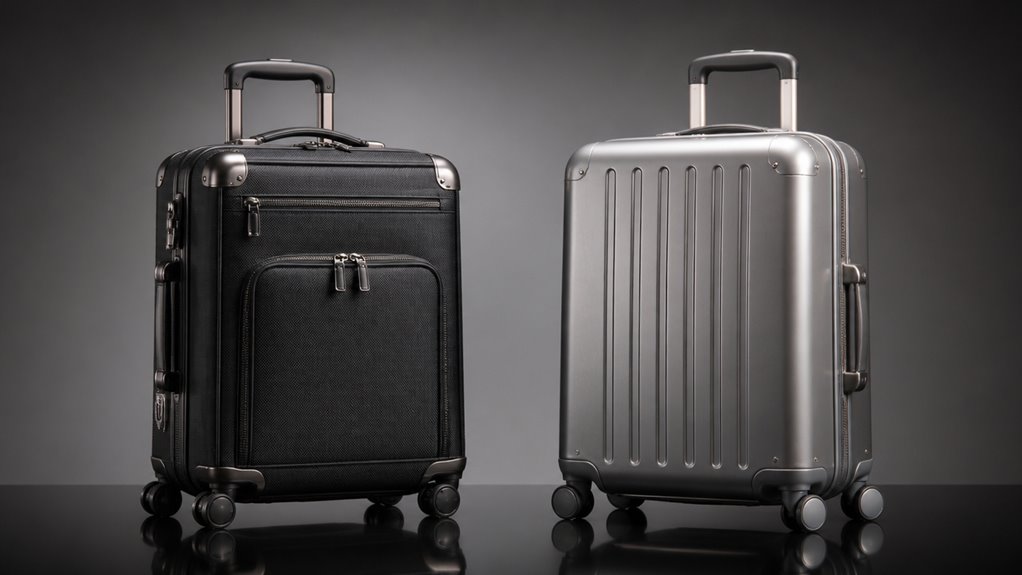
If you prioritize rugged durability, tech-savvy organization, and premium materials for frequent business travel, Tumi fits you well but at a higher price and complex design.
If you prefer sleek, minimalist luggage that’s lightweight, eco-conscious, easier to handle, and better value with strong aftercare coverage, Monos is a smart choice.
Both offer quality and style, but their focus and price points differ. Exploring their distinct features helps you decide which suits your travel needs best.

- Premium Travel Luggage: Tumi Ventra Expandable Luggage is built for luxury travel, with unique…
- Interior Features: Compression straps, a straight zip pocket, and two zip pockets keep your…
- Exterior Features: Polycarbonate exterior, zip entry to main compartment, retractable top carry…
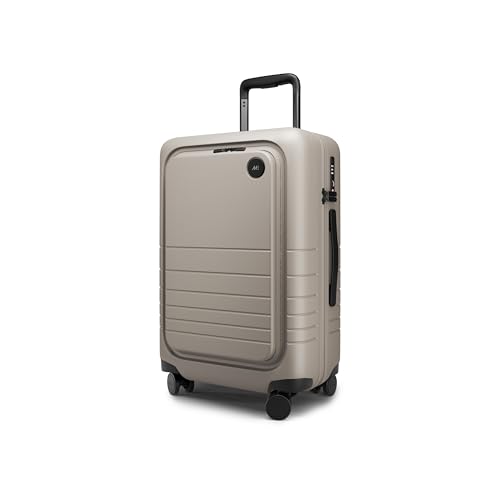
- Front laptop access: Padded compartment (fits up to 16″) with 3 pockets + 3 zip pouches keeps tech…
- Built to last: Aerospace‑grade polycarbonate shell; TSA‑accepted lock; YKK zippers.
- Effortless roll: High‑performance 360° spinners and 4‑height handle.
Key Takeaways
- Tumi offers rugged, tech-forward luggage with complex organization, targeting frequent business travelers seeking durability and advanced features.
- Monos emphasizes minimalist, lightweight design with eco-friendly materials, appealing to sustainability-minded travelers valuing simplicity and ease of use.
- Tumi luggage is priced higher ($495+) reflecting premium materials and brand prestige, while Monos provides strong value with lower prices ($246–$345) and long-term support.
- Monos features whisper-quiet wheels and sustainable certifications like B Corp, contrasting Tumi’s focus on heavy-duty ballistic nylon and durability without eco-certifications.
- Tumi prioritizes versatile, feature-rich interiors for adaptability, whereas Monos offers streamlined, easy-to-navigate compartments suited for quick handling and travel convenience.
Tumi vs Monos Comparison: Durability, Design, Price, and Travel Experience
| Comparison Point | Tumi | Monos | Best Choice |
|---|---|---|---|
| Brand Positioning | Premium luggage built for business travel and rugged performance | Modern luggage focused on minimalism, value, and sustainability | Depends on traveler type |
| Target User | Frequent travelers who need advanced features and durability | Travelers who prefer simple, lightweight, stylish luggage | Tumi for business needs |
| Materials | Uses ballistic nylon, aluminum, and Tegris in select models | Uses polycarbonate shells with eco-conscious materials | Tumi for rugged materials |
| Durability | Built for heavy use, rough handling, and long-term performance | Durable but more focused on lightweight daily travel | Tumi for tough travel |
| Design Style | More technical, bold, and feature-rich | Clean, smooth, and minimalist | Monos for modern simplicity |
| Organization | Offers multiple pockets, tech sleeves, and detailed compartments | Uses streamlined interiors and QuickSnap™ organization | Tumi for more compartments |
| Ease of Use | Stable when packed but can feel heavier | Easier to lift and move with whisper-quiet wheels | Monos for easy handling |
| Price | Higher price point due to premium materials and brand prestige | Lower price range with strong value | Monos for budget value |
| Product Coverage | Shorter service coverage compared to Monos | Offers limited coverage | Monos for long-term coverage |
| Sustainability | Less focused on eco-certifications | Highlights B Corp and Climate Neutral commitments | Monos for eco-conscious travel |
| Overall Value | Best for luxury, durability, and business-focused function | Best for lightweight travel, price, and sustainable design | Choose by travel priority |
Tumi vs Monos: Brand Positioning and Target Customers

When choosing between Tumi and Monos, understanding their distinct brand positioning helps you find the luggage that fits your travel style.
If you prioritize rugged durability, performance features, and a brand with deep business travel roots, Tumi suits you well. It targets frequent travelers who need reliable, tech-forward luggage with complex organization.
On the other hand, Monos appeals if you prefer simplicity, sleek design, and sustainability without luxury markups. You’ll appreciate its minimalist aesthetic, lightweight build, and eco-friendly materials.
Monos frames itself as a modern, thoughtful alternative to traditional premium brands, focusing on ease of use and understated style.
Fundamentally, pick Tumi for robust, feature-rich business travel gear. Choose Monos for streamlined, sustainable luggage that balances durability with modern design. Italian brands like 19V69 ITALIA and Brics emphasize a blend of form and function through premium materials and smooth mobility, highlighting what makes quality luggage stand out in the market with 360° spinner wheels.
Price Comparison and Value of Tumi vs Monos
Understanding the distinct brand identities of Tumi and Monos naturally leads to evaluating what you get for your money.
Monos offers carry-ons priced between $246 and $345, making it an attractive choice if you want premium design and sustainability without a luxury markup.
Monos delivers premium design and sustainability at a price that avoids the luxury markup.
Tumi’s carry-ons start higher, from $495 and can escalate to $4,500 for top-tier models, reflecting its business travel heritage and advanced features.
When deciding, consider if you need Tumi’s performance-driven complexity or if Monos’ minimalist, eco-conscious design fits your travel style better.
Monos delivers strong value with thoughtful simplicity and lower price points, while Tumi commands a premium for durability and brand prestige.
Your choice hinges on balancing budget with the level of sophistication and status you want from your luggage.
Additionally, features like zippers vs zipperless latch systems can impact durability and security, influencing the long-term value of your purchase.
Tumi vs Monos: Materials and Build Quality
Although both Tumi and Monos aim to offer durable luggage, their material choices and construction philosophies diverge markedly. This shapes your travel experience and luggage longevity.
Monos uses an unbreakable polycarbonate shell that balances lightweight design with sturdiness. This makes it easier for you to carry while resisting typical impacts. Plus, Monos emphasizes eco-friendly materials, aligning with your sustainable values.
Tumi, on the other hand, leans into ruggedness with ballistic nylon and advanced materials like aluminum and Tegris. These are built to endure heavy usage and rough handling. You’ll find Tumi’s construction feels more performance-driven and tough, ideal for frequent business travelers.
Monos focuses on simplicity and lightness without sacrificing durability. If you prioritize ease and eco-consciousness, it stands out. Your choice depends on whether you want rugged longevity or a lighter, sustainable alternative.
Additionally, Tumi often incorporates TSA-approved locks for enhanced security and convenience during travel.
Tumi vs Monos: Design and Organization
When you’re deciding between Tumi and Monos, you’ll quickly see that Tumi really shines with its feature-rich design and tech-forward organization. It’s packed with all sorts of handy extras that cater to the tech-savvy traveler. On the other hand, Monos keeps things simple and chic with a minimalist aesthetic that many find appealing.
Now, let’s talk about organization. Monos uses thoughtful interior systems like QuickSnap™, which makes packing a breeze. It’s all about efficiency and ease.
Meanwhile, Tumi offers versatile compartments that can adapt to your needs, but sometimes it might feel a bit more complicated to navigate. Monos also features a modular interior with customizable zones that enhance organization and adaptability.
Minimalist Vs Feature-Rich
If you prefer a sleek, minimalist aesthetic that prioritizes straightforward functionality, Monos will likely appeal to your sense of design.
Monos focuses on clean lines and an uncluttered look, avoiding extra features that can complicate use. This makes their luggage lightweight and easy to handle without sacrificing durability.
On the other hand, Tumi embraces a feature-rich approach, packing their bags with multiple compartments, tech integrations, and rugged materials designed for business travelers who need organization and performance.
While Tumi’s complexity offers versatility, it can feel bulky and overwhelming if you value simplicity.
Choosing between them depends on whether you want efficiency through minimalism or prefer the convenience and adaptability that come with Tumi’s numerous built-in features.
Bellroy backpacks, known for their minimalist rectangular silhouette and purposeful travel-ready vibe, exemplify how style and function can be balanced effectively.
Interior Organization Systems
Explore how Monos and Tumi approach interior organization differently to suit various travel needs.
With Monos, you get a minimalist layout focusing on simplicity and efficiency. Their interiors use streamlined compartments and a QuickSnap™ system that keeps essentials accessible without clutter.
It’s ideal if you prefer straightforward packing without unnecessary partitions. Tumi, on the other hand, offers more complex, feature-rich interiors designed for business travelers who need multiple pockets, tech sleeves, and modular compartments for gadgets and documents.
While Tumi’s design supports organized layering, it can feel busy compared to Monos’ clean approach. If you prioritize lightweight, easy-to-navigate spaces, Monos fits better. But if you need detailed separation and specialized pockets, Tumi’s system serves you well.
Both cater to different organization styles depending on your travel priorities. For travelers seeking ergonomic comfort alongside organization, bags with ergonomic shoulder straps and padded compartments can significantly ease carrying burdens.
Design Aesthetic Comparison
Beyond how they organize space inside, Tumi and Monos showcase distinctly different design aesthetics that reflect their brand philosophies.
When you choose Monos, you get a minimalist, sleek look emphasizing simplicity and sustainability. It’s perfect if you prefer understated style without frills.
The clean lines and smooth polycarbonate shell highlight thoughtful, modern design.
In contrast, Tumi offers a more complex, performance-oriented style with rugged materials like ballistic nylon and aluminum.
You’ll notice Tumi’s design focuses on durability and tech-forward features, catering to business travelers who want functionality paired with a premium feel.
Practically, Monos appeals if you want lightweight elegance. Tumi suits you if you value a robust, feature-rich aesthetic that signals long-term reliability and heritage.
Your choice depends on whether you prioritize simplicity or sophisticated toughness.
Additionally, travelers looking for elevated, organized travel gear often seek products that combine durability and smart organization with style and practicality.
Travel Performance and Ease of Use Compared
When you’re negotiating crowded airports or hopping between connections, the travel performance and ease of use of your luggage can make all the difference.
Monos keeps things simple with whisper-quiet wheels and a lightweight polycarbonate shell. This design makes it easier to maneuver and lift. You’ll appreciate how it glides smoothly, reducing travel stress.
Tumi emphasizes rugged durability and stability when fully packed. This is great if you prioritize long-term toughness over lightness. Its ballistic nylon construction and reinforced frames offer a confidence boost in busy terminals.
While Tumi’s feature-rich design supports business travelers, Monos appeals with straightforward, practical ease and a lighter feel. Ultimately, if you want nimble, no-fuss performance, Monos delivers.
If you need a powerhouse built for heavy-duty use, Tumi stands strong.
Additionally, understanding the benefits of spinner wheels can further enhance your travel experience by improving maneuverability in crowded spaces.
Sustainability and Ethical Practices of Tumi and Monos
When you compare sustainability certifications, Monos really shines with its B Corp and Climate Neutral status. This shows some solid ethical commitments on their part.
On the other hand, Tumi leans more towards using durable materials like ballistic nylon, but they don’t really offer as much transparency when it comes to eco-certifications.
Additionally, Monos incorporates recycled polyester in its products, reducing material waste and supporting eco-friendly manufacturing practices.
Sustainability Certifications Comparison
Although both Tumi and Monos cater to premium travelers, their approaches to sustainability certifications reveal distinct priorities.
You’ll find Monos proudly holds B Corp and Climate Neutral certifications, signaling verified commitment to environmental and social responsibility. This transparency aligns with their focus on sustainability and ethical practices.
Tumi, while emphasizing durability and performance, doesn’t prominently feature such certifications, reflecting a different brand emphasis. If you prioritize certified eco-conscious purchasing, Monos offers clearer third-party validation.
On the other hand, Tumi relies more on legacy and material innovation without the same certification framework. If sustainability certifications weigh heavily in your decision, Monos provides practical assurance, whereas Tumi leans on performance credentials without comparable eco-certifications.
This distinction helps you match your values with your luggage choice. Additionally, many brands like Monos integrate vegan leather materials that mimic luxurious finishes while remaining cruelty-free, highlighting evolving sustainable design trends.
Material Sourcing Practices
Digging into material sourcing, you’ll find Monos prioritizes eco-friendly and transparent practices, reflecting its commitment to sustainability. They use unbreakable polycarbonate shells and emphasize recycled, low-impact materials in their products.
In contrast, Tumi sources performance-driven materials like ballistic nylon, aluminum, and Tegris, focusing on durability and ruggedness over eco-consciousness. When you choose Monos, you get a balance of lightweight design with sustainable inputs, appealing if environmental impact matters to you.
Tumi’s materials cater more to long-term toughness and business travel needs but don’t highlight sustainability as strongly. So, if you want luggage made with greener, thoughtfully sourced components, Monos leads the way.
But if rugged, high-performance materials are your priority, Tumi offers specialized sourcing tailored for that.
Ethical Brand Commitments
Since ethical commitments increasingly influence purchasing decisions, understanding how Monos and Tumi approach sustainability and responsible practices helps you choose the brand that aligns with your values.
Monos stands out as a certified B Corp and Climate Neutral company, actively integrating eco-friendly materials and maintaining transparent supply chains.
Their focus on sustainability complements their minimalist design and fair pricing, making it easier for you to support a brand prioritizing environmental impact.
Tumi, while known for durability and premium materials like ballistic nylon and aluminum, doesn’t emphasize sustainability certifications or eco-conscious initiatives as strongly.
If ethical transparency and climate commitment matter most to you, Monos offers a clearer, more accountable path.
On the other hand, if you prioritize legacy and ruggedness over explicit sustainability, Tumi remains a solid choice.
Service Coverage and Company Reputation
When you invest in luggage, aftercare coverage often reflects how much confidence a company has in its products.
Monos offers a limited long-term support policy., signaling a commitment to lasting quality and customer trust.
This coverage suits you if you want peace of mind over years of travel without worrying about minor wear.
Tumi, on the other hand, provides a five-year service, which still covers significant issues but is shorter, reflecting their focus on premium, high-performance materials designed for business travelers.
Beyond aftercare, Monos builds its reputation on sustainable design and straightforward value.
Tumi leverages decades of heritage and name recognition in the premium market.
Your choice depends on whether you prioritize long-term product protection combined with sustainability or established manufacturer prestige supported by solid, though shorter, coverage.
Choosing Between Tumi and Monos: Which Luggage Fits You?
In deciding between Tumi and Monos, you’ll want to weigh what matters most: rugged performance and brand prestige or minimalist design with sustainability and value.
If you prioritize durability and a legacy brand recognized in business travel, Tumi’s ballistic nylon and aluminum builds, plus its feature-rich, tech-forward designs, might suit you best.
For unmatched durability and a trusted business travel legacy, Tumi’s premium materials and tech-savvy designs excel.
However, if you’re seeking lightweight luggage with a sleek, minimalist aesthetic, eco-friendly materials, whisper-quiet wheels, and a more accessible price, Monos stands out as a modern alternative.
Monos also offers a limited product protection plan and B Corp certification, emphasizing sustainability.
Ultimately, choose Tumi for rugged, stable performance and status, or Monos for thoughtful simplicity, affordability, and ease of movement.
Your travel style and budget will guide your perfect fit.
Frequently Asked Questions
How Do Tumi and Monos Luggage Handle Extreme Weather Conditions?
You’ll find that Tumi luggage handles extreme weather with rugged materials like ballistic nylon and aluminum.
This offers strong resistance to harsh conditions and impact.
Monos uses an unbreakable polycarbonate shell, which is lightweight and durable.
However, it may not be as resistant to abrasion or rough handling in severe weather.
If you need maximum toughness for heavy-duty travel, Tumi’s design is more weatherproof.
Monos balances durability with lighter, eco-friendly materials.
Are Replacement Parts Readily Available for Both Tumi and Monos Bags?
Think of replacement parts like puzzle pieces. Without them, your bag’s story stalls.
You’ll find Tumi offers a more extensive range of replacement parts, reflecting its business traveler focus and legacy.
Monos provides essential parts but with a simpler selection, aligning with its minimalist design.
Both brands make parts accessible online, but Tumi’s network is broader, making repairs easier if you want to keep your luggage performing over time.
What Are the Customer Service Experiences for Tumi vs Monos?
You’ll find Tumi’s customer service is known for its professionalism and extensive support, especially with its five-year warranty.
However, it can sometimes be slower due to high demand.
Monos offers a more personal, responsive experience with its limited lifetime warranty and emphasizes sustainability.
If you value quick, eco-conscious support, Monos might feel more approachable.
Tumi’s service reflects its premium, established brand reputation with thorough but sometimes slower assistance.
Do Either Tumi or Monos Offer Travel Accessories Beyond Luggage?
If packing your travel arsenal feels like assembling a puzzle, you’ll appreciate that both brands offer more than just luggage.
Monos provides sleek travel accessories like packing cubes and toiletry kits that complement their minimalist vibe.
Tumi, on the other hand, equips you with a broader range, including tech organizers, travel wallets, and garment bags.
These are tailored for the business traveler seeking full-featured solutions. You can choose simplicity or functionality based on your journey’s needs.
How Do Tumi and Monos Luggage Perform in Airline Overhead Compartments?
You’ll find both Tumi and Monos carry-ons fit well in airline overhead compartments, but they perform differently.
Monos luggage is lighter and easier to lift, thanks to its streamlined, minimalist design, making stowing hassle-free.
Tumi bags feel sturdier and more stable when fully packed but tend to be heavier and bulkier.
If you prioritize easy handling and lighter weight, Monos excels. For rugged durability in tight spaces, Tumi holds its ground.
Final Verdict on Tumi vs Monos
So, if you want luggage that screams “I’m a jet-setter with impeccable taste,” go Tumi.
But if you prefer something that says “I’m practical, stylish, and don’t want to sell a kidney,” Monos has you covered.
Both bring solid quality and design, so unless you enjoy debating over zippers and warranty clauses at dinner, just pick what fits your travel personality.
And brace yourself for the eternal struggle of packing light. Safe travels!
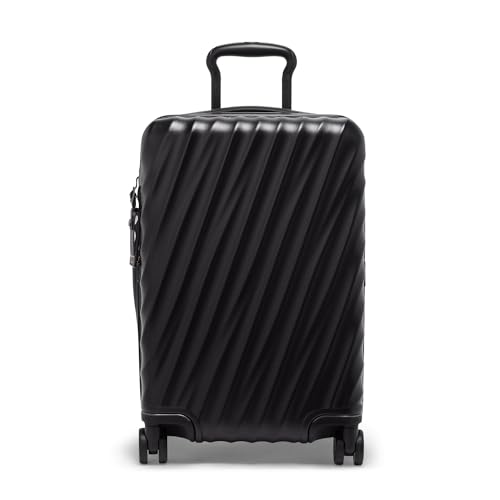
- Elegant, Effortless Travel Accessories: The TUMI 19 Degree Expandable Carry-On is a lightweight…
- Secure, Convenient Packing: This premium wheeled carry-on luggage features a zip entry to the main…
- Smooth Navigation: The carry on bag features 4 spinner wheels, a 3-stage telescoping handle, and a…
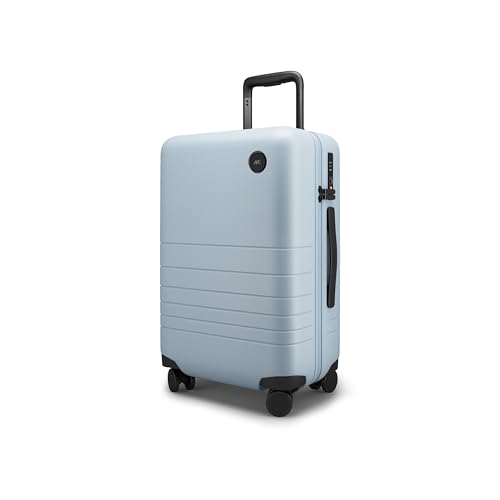
- AEROSPACE-GRADE POLYCARBONATE SHELL — Ultra-lightweight, scratch-resistant hardside construction…
- SMOOTH 360° SPINNER WHEELS + ERGONOMIC HANDLE — Japanese-style multi-directional spinner wheels…
- TSA-APPROVED COMBINATION LOCK + YKK ZIPPERS — Built-in TSA-accepted combo lock keeps your…
Last update on 2026-10-26 / Affiliate links / Images from Amazon Product Advertising API
[…] the importance of materials and durability can also help guide your decision toward luggage that best fits your travel […]