
Gym Bag vs Duffle Bag: Which One Should You Choose?

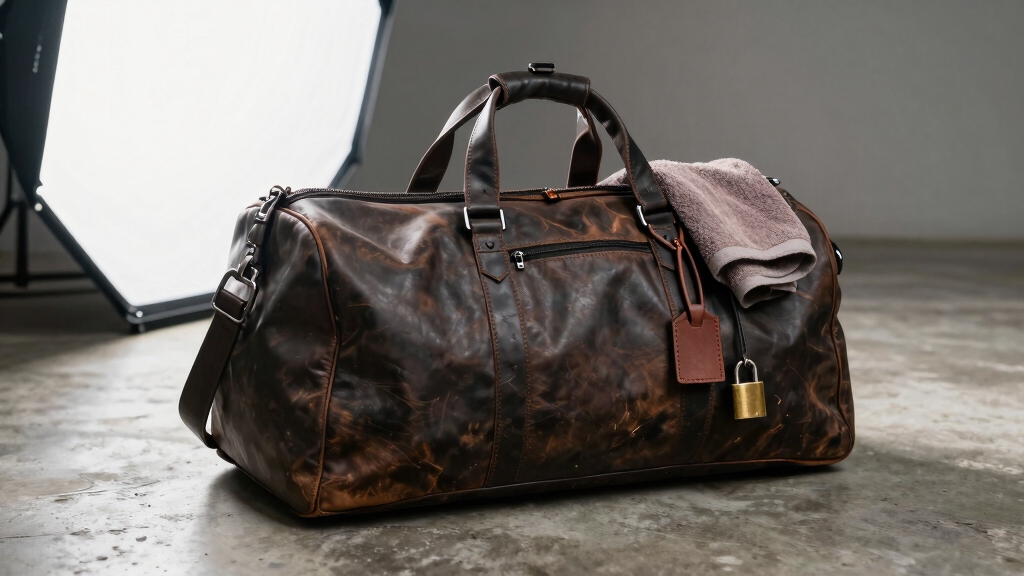
You want a gym bag when you need structured compartments to organize shoes, electronics, and damp clothes.
These bags are made with moisture-resistant, breathable fabrics to manage odor and hygiene daily.
A duffle bag suits you better if you carry bulky or irregular gear, requiring rugged, soft-sided construction that flexibly expands or compresses.
Duffles offer large single compartments and durable materials for travel or heavy use.
Understanding these design and functionality differences helps you pick what fits your active lifestyle best.

- ATHLETIC & STYLISH – Discover the multi-purpose FITGRIFF bag, an ingeniously crafted bag perfect for…
- WITH EXTRA SHOE POCKET & WET POCKET – Equipped with an isolated waterproof wet pocket, it’s great…
- CONVENIENT & PRACTICAL: Crafted from sturdy exterior fabric with a waterproof base for easy care and…
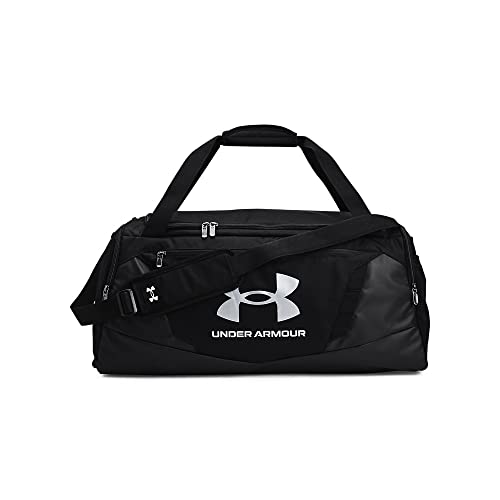
- SMALL: Dimensions When Full: 10.6″”W x 10.1″”H x 21.7″”L, Volume: 40L
- Removable, padded, HeatGear shoulder strap easily stows away in side pocket, Padded top grab handle
- Large front zippered organization pocket & molle webbing attachment points
Key Takeaways
- Gym bags are structured with multiple compartments for organized storage of workout essentials and moisture management.
- Duffle bags are soft-sided with a single large compartment, offering flexible, high-capacity storage for bulky or irregular items.
- Gym bags typically hold 20–35L, focusing on hygiene with ventilated panels and waterproof pockets to separate damp clothes.
- Duffle bags usually range from 40–60L, made from rugged materials, ideal for travel and accommodating larger gear.
- Choose gym bags for daily fitness use and odor control, and duffle bags for versatile volume and quick packing.
Gym or Duffle Bag: Key Differences at a Glance
| Feature | Gym Bag | Duffle Bag |
|---|---|---|
| Design Structure | Structured, hard-bottomed base | Soft-sided, flexible shape |
| Storage Capacity | 20–35L, compact and organized | 40–60L, spacious and expandable |
| Compartments | Multiple dedicated compartments | Large single main compartment |
| Best For | Daily workouts and fitness commutes | Travel, sports, bulky gear |
| Moisture Management | Ventilated panels and waterproof pockets | Minimal moisture separation |
| Bulky Item Storage | Limited for oversized gear | Excellent for irregular items |
| Portability | Lightweight, optimized for frequent use | Durable, built for heavier loads |
Key Differences Between Gym Bags and Duffle Bags
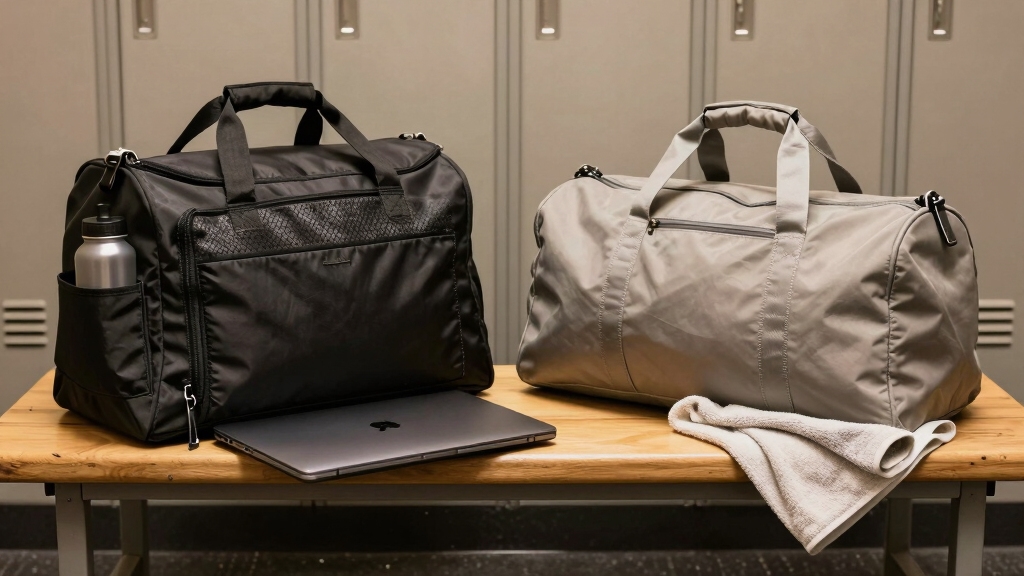
While both gym bags and duffle bags serve as portable storage solutions, they differ markedly in design, capacity, and functionality to suit distinct user needs.
You’ll find gym bags constructed with hard-bottomed, rectangular bases and multiple compartments tailored for systematic organization of workout essentials like shoes, water bottles, and wet clothing.
These bags utilize lightweight, water-resistant, and breathable materials to manage moisture and odor effectively.
In contrast, duffle bags feature soft-sided, cylindrical designs with a single large compartment that offers flexible storage, accommodating bulky or irregular items.
Their rugged construction and materials like canvas or nylon prioritize durability and volume over compartmentalization.
Choosing between them depends on whether you need structured organization for daily workouts or versatile, spacious storage for varied activities.
Proper maintenance and storage practices can extend the life of both types of bags by preventing damage and odors through regular cleaning and drying.
Storage Capacity in Gym and Duffle Bags
Duffle bags are pretty great when it comes to storage. They typically offer a larger, flexible range, usually between 40L and 60L. This makes them perfect for storing bulky or oddly shaped items, like weightlifting belts and basketball shoes.
On the other hand, gym bags have a different focus. They’re designed with compact, organized compartments that cater specifically to your daily fitness essentials. This means they tend to have more structured dimensions, which can be really handy for keeping everything in its place.
Additionally, choosing a duffle bag made from durable, abrasion-resistant materials can help ensure it withstands heavy use and rough handling.
Capacity Range Comparison
Because storage needs vary greatly depending on your activities, understanding the capacity range differences between gym and duffle bags is essential.
Gym bags typically offer compact, structured volumes optimized for daily workout essentials, usually smaller than 20L to 35L. They emphasize organized compartments over sheer space, maintaining consistent dimensions for systematic packing.
In contrast, duffle bags provide expansive, flexible storage capacities ranging from 40L to 60L, accommodating bulkier and irregularly shaped items. Their soft-sided design allows for expansion or compression, adapting to varied packing requirements.
When you need maximum volume and versatility for diverse gear or travel, a duffle bag’s capacity outperforms gym bags. However, if you prioritize streamlined, compartmentalized storage for fitness-specific items, gym bags offer precisely engineered capacity tailored to daily use.
For comparison, backpacks with capacities around 20L to 30L highlight how a relatively small increase in volume can significantly affect packing ease and gear organization, illustrating the importance of choosing the right size for your needs and activities such as packing impact.
Item Accommodation Differences
Although both gym bags and duffle bags serve to carry your workout gear, they accommodate items very differently based on their design priorities.
Gym bags focus on organized storage with multiple compartments that separate shoes, water bottles, and wet clothes. This enhances hygiene and allows for quick access.
In contrast, duffle bags offer a single large compartment with flexible volume, ideal for bulky or irregularly shaped items like weightlifting belts or extra towels.
When choosing between them, consider these factors:
Gym bags provide structured, compartmentalized storage optimized for daily fitness essentials.
Duffle bags allow expansion and compression to fit varied item sizes with minimal internal division.
Gym bags emphasize moisture management and odor control through specialized pockets.
This difference impacts how efficiently each bag accommodates your gear for specific fitness routines or travel needs.
Additionally, selecting the right bag often involves evaluating material durability to ensure longevity and suitability for your activities.
Organized Compartments in Gym Bags
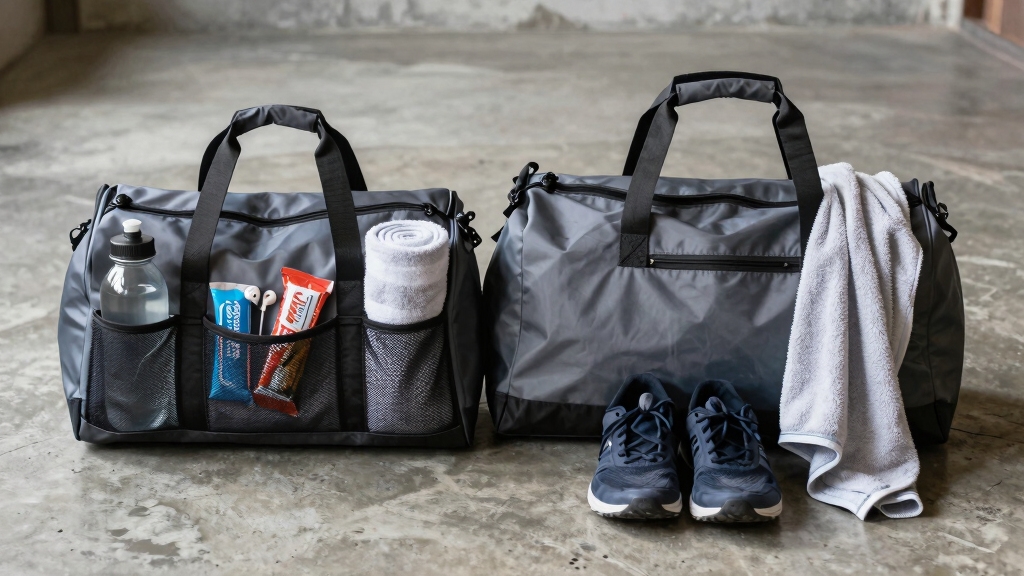
Many gym bags incorporate multiple dedicated compartments designed to keep your workout essentials systematically organized.
You’ll find specialized sections for shoes, water bottles, and electronics, each tailored to prevent cross-contamination and manage moisture efficiently.
These compartments often include ventilated mesh panels to facilitate airflow, minimizing odor buildup from sweaty gear.
Additionally, separate waterproof pockets isolate damp clothing or towels, preserving the dryness and cleanliness of other items.
The structured rectangular shape of gym bags supports this compartmentalization, maintaining form and accessibility.
You’ll also notice padded dividers that protect fragile items like phones and keys while optimizing space.
This precise organization suits your daily fitness routine, ensuring quick retrieval and hygienic storage without sacrificing portability or comfort during transport.
Many gym bags also feature external loops or attachment points that allow for convenient carrying of water bottles or other gear securely outside the main compartments.
Why Duffle Bags Are Better for Bulky Items?
When you need to pack bulky or irregularly shaped items like weightlifting belts, basketball shoes, or extra towels, duffle bags step up to the challenge with their spacious and flexible storage capacity.
Unlike gym bags that prioritize structured compartments, duffle bags provide a single large central compartment that adapts to varying item sizes without rigid constraints.
This flexibility allows you to efficiently store and access oversized gear without compromising volume.
Key advantages include:
- Large capacity ranging from 40L to 60L, accommodating bulky sports equipment
- Soft-sided construction enabling expansion or compression depending on contents
- Simplified design with minimal pockets for quick packing and retrieval
With these features, duffle bags offer superior versatility for transporting heavy or awkwardly shaped items compared to the compartmentalized structure of gym bags. Additionally, the soft-sided duffel bags compress better than rigid suitcases, allowing easier fitting into overhead compartments or storage spaces.
Design Differences: Soft vs Structured Bags
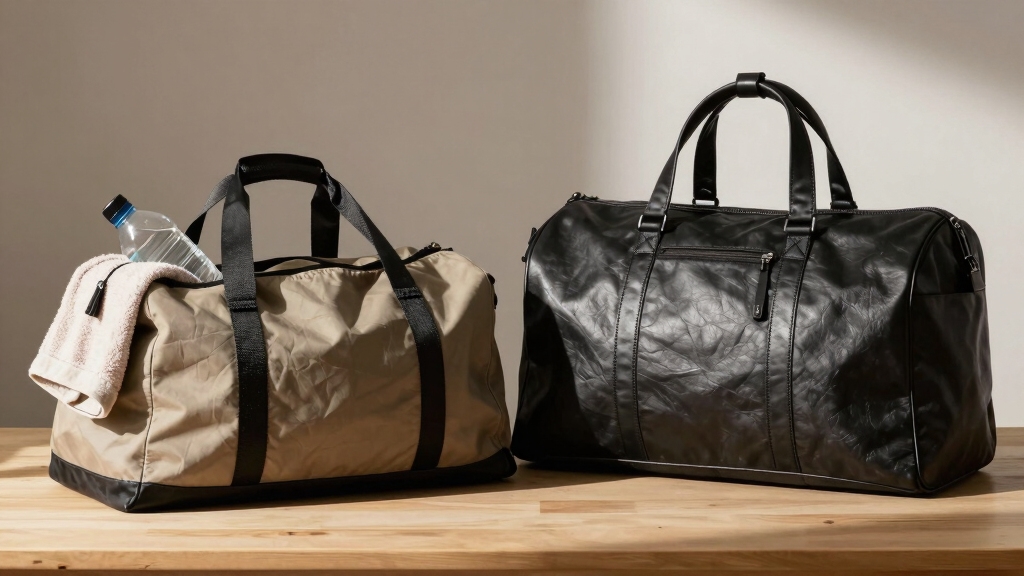
Because duffle bags employ soft-sided construction with cylindrical or open designs, they offer a flexible shape that conforms to the contents you carry. This flexibility allows for expansion or compression based on item size, accommodating bulky or irregularly shaped gear with ease.
In contrast, gym bags feature structured, hard-bottomed bases and rectangular, boxy shapes that maintain consistent dimensions. This structure supports systematic compartmentalization, enabling you to organize workout essentials efficiently and protect delicate items.
The rigid frame of gym bags also distributes weight evenly, enhancing comfort during frequent use. While duffle bags prioritize rugged versatility for varied activities, gym bags focus on maintaining form and order, optimizing your ability to separate clean and dirty items and manage moisture effectively within a stable, durable design framework.
Additionally, duffle bags’ soft-sided design allows them to compress and fit into tight spaces, making them ideal for travel and storage flexibility.
Moisture-Resistant Materials in Gym Bags
Gym bags consistently incorporate advanced moisture-resistant materials to handle post-workout dampness and sweat effectively.
When you use a gym bag, you benefit from fabrics engineered for durability and breathability, such as coated nylon and polyester blends that repel water yet allow airflow.
These materials prevent internal moisture buildup, reducing odor and mildew risks.
Additionally, many gym bags integrate specialized mesh panels and waterproof linings to separate wet items from dry gear efficiently.
Key features include:
- High-density nylon or polyester with water-repellent coatings
- Mesh ventilation zones to enhance airflow and expedite drying
- Internal waterproof compartments isolating damp clothes or shoes
Many gym bags employ Durable Water Repellent (DWR) treatments that cause water to bead and roll off surfaces but require reapplication over time.
When to Choose Gym Bags or Duffle Bags?
When it comes to choosing between a gym bag and a duffle bag, it really depends on what you need.
If your main focus is on daily fitness, then a gym bag is the way to go. They’re designed with compartments that help keep everything organized, and many are made from moisture-resistant materials, which is great for hygiene management.
On the other hand, if you’re looking for something more versatile—for travel or different kinds of activities—a duffle bag might be your best bet. They offer more storage capacity and allow for flexible organization.
For those who prioritize ethical fashion and durability, many options now feature high-quality vegan leather materials that provide both style and functionality.
Daily Fitness Convenience
Frequently, selecting the right bag for daily fitness hinges on balancing convenience with functionality. You’ll want a gym bag if you prioritize organized compartments for shoes, water bottles, and wet clothes, ensuring hygiene and moisture control.
Its structured, lightweight design offers easy access and comfort during frequent commutes. Conversely, a duffle bag suits you when carrying bulkier or irregularly shaped items, given its larger, flexible capacity and simpler layout.
Consider these factors:
- Need for systematic compartmentalization versus broad storage volume
- Frequency of use demanding lightweight, water-resistant materials
- Importance of quick access and odor management
Ultimately, gym bags excel for daily fitness convenience, whereas duffle bags serve better when flexibility outweighs precise organization. Regular maintenance, like cleaning and lubricating wheels, can also enhance the mobility of bags with wheels, contributing to overall convenience and durability of your fitness gear. This is especially true for bags with spinner luggage wheels that provide smooth maneuverability.
Travel Versatility Needs
When packing for travel, weighing the merits of gym bags versus duffle bags hinges on your specific versatility needs.
Choose a duffle bag if you require large, flexible storage for bulky or irregular items. It’s ideal for weekend trips or sports gear.
Opt for a gym bag when daily fitness essentials and moisture management take priority. This is especially true for frequent gym visits.
| Feature | Gym Bag | Duffle Bag |
|---|---|---|
| Storage Capacity | Compact, organized compartments | Large, expandable central space |
| Material & Construction | Lightweight, water-resistant | Rugged, durable canvas or nylon |
| Primary Use | Daily workouts, fitness commutes | Travel, sports, overnight stays |
| Organization Focus | Specialized compartments | Minimal compartmentalization |
Match your choice to your travel frequency and item types for ideal versatility.
Organization And Hygiene
Beyond storage capacity and travel versatility, organizing your gear and managing hygiene during regular use become key considerations.
When you choose a gym bag, you benefit from multiple dedicated compartments designed to separate clean items from sweaty clothes. This reduces bacterial buildup and odor. In contrast, duffle bags offer one large compartment, prioritizing quick access but lacking specialized hygiene features.
Consider these gym bag advantages for hygiene and organization:
- Compartmentalized sections for shoes, towels, and electronics prevent cross-contamination.
- Water-resistant, breathable fabrics manage moisture and odor effectively.
- Structured, hard-bottom bases maintain bag shape and airflow.
If daily fitness use demands systematic moisture control and precise gear organization, a gym bag is your best choice over a versatile but less compartmentalized duffle bag.
Features That Support Daily Fitness
Although duffel bags provide ample space for various items, gym bags incorporate specific features designed to support your daily fitness routine efficiently.
They use structured, hard-bottomed bases to maintain shape and stability, preventing damage to your workout gear.
You’ll find multiple compartments tailored for shoes, water bottles, and electronics, ensuring systematic organization and quick access.
Their water-resistant nylon and polyester materials manage post-exercise moisture, while mesh panels enhance breathability to reduce odor buildup.
Padded straps and lightweight construction improve comfort during frequent commutes.
Advanced fabric technologies in premium models actively control moisture and odors, preserving hygiene.
Unlike duffel bags’ flexible, bulky storage, gym bags prioritize durability, compartmentalization, and cleanliness.
This makes them ideal for consistent fitness use and efficient gear management.
Frequently Asked Questions
Can Duffle Bags Be Used as Carry-On Luggage on Airlines?
Yes, you can use duffle bags as carry-on luggage on airlines, provided they meet size restrictions, typically around 22 x 14 x 9 inches.
Their flexible, soft-sided design lets you compress or expand the bag to fit overhead compartments or under the seat. However, check your airline’s specific carry-on dimensions beforehand.
Duffel bags offer versatility and ample space, making them practical for travel while conforming to most carry-on requirements.
How Do Gym Bags Manage Odor Control for Sweaty Clothes?
Think of your gym bag as a fortress against odor. It uses specialized compartments with breathable mesh and moisture-wicking fabrics to isolate sweaty clothes, preventing bacteria buildup.
Some high-end models incorporate antimicrobial linings and ventilation channels, actively reducing odor-causing microbes. By managing moisture and airflow precisely, your bag keeps odors contained and your gear fresher.
Are Duffle Bags Better for Weekend Travel Than Backpacks?
Yes, duffle bags are generally better for weekend travel than backpacks because they offer larger, flexible storage capacities ranging from 40L to 60L.
They easily accommodate bulky items and irregular shapes. Their soft-sided construction allows you to expand or compress the bag to fit varying item sizes, providing versatility.
While backpacks prioritize organized compartments and ergonomic support, duffle bags excel in maximizing volume and quick access for diverse packing needs during short trips.
What Materials Make Gym Bags More Breathable During Workouts?
You’ll find gym bags more breathable during workouts because they incorporate mesh panels alongside nylon and polyester fabrics.
These materials promote airflow, reducing moisture buildup and odor.
High-end models utilize advanced fabric science, combining water-resistant yet breathable textiles to manage sweat effectively.
This design helps keep your gear ventilated and fresher for longer, preventing bacterial growth and maintaining hygiene during frequent, intense exercise sessions.
Do Gym Bags Have Special Compartments for Shoes and Water Bottles?
Right off the bat, gym bags do have special compartments for shoes and water bottles, making organization a breeze.
These dedicated sections keep your shoes separate to avoid contamination and include breathable mesh or water-resistant linings to manage moisture.
Water bottle holders are designed for quick access and secure storage, ensuring hydration is always at hand.
This systematic layout helps you stay organized and maintain hygiene during your workouts without missing a beat.
Upgrade Your Gear: Gym Bag or Duffle Bag Decision Guide
When choosing between gym bags and duffle bags, consider that 68% of fitness enthusiasts prefer bags with specialized compartments for better organization.
Gym bags excel here, offering moisture-resistant materials and structured designs to keep your gear fresh and accessible. Duffle bags, meanwhile, provide superior storage for bulky items with their spacious, flexible interiors.
By understanding these key differences, you can select the bag that best supports your daily fitness routine with efficiency and durability.
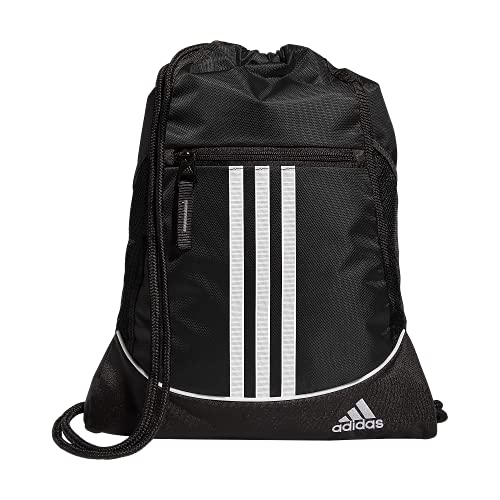
- Easy cinch opening with durable cording
- Zippered valuables pocket to hold your phone and small stuff
- Bold 3-stripe brand read

- Large Capacity & Foldable: This foldable duffel bag has a large capacity of 65L and can be fast…
- High Quality & Lightweight Material: This duffle bag for travel is made of polyester with high…
- Separate Shoe Compartment: This duffle bag for men is featured with internal end-pouch & shoe…
Last update on 2026-03-24 / Affiliate links / Images from Amazon Product Advertising API