
How to Put Patches on Nylon Backpack?

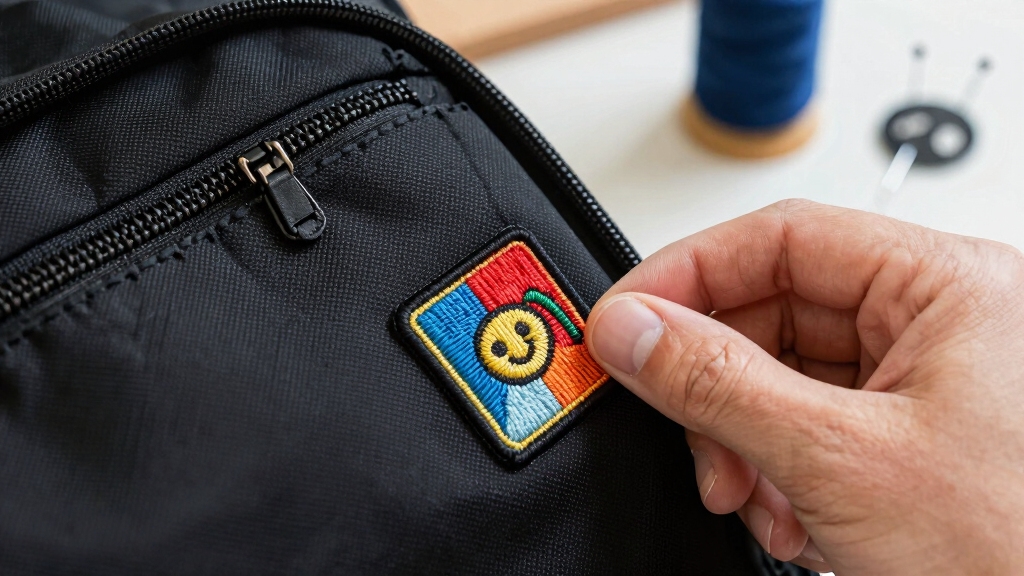
To put patches on your nylon backpack, first clean a flat, dry area away from seams and logos. Choose sew-on patches for durability or iron-on with caution. Use medium heat and a protective cloth to avoid melting fibers.
Magnetic or hook-and-loop patches offer easy removal but may not hold up for heavy use. Avoid adhesives that leave residue or sharp edges. Press firmly and test patch security.
Keep going for detailed tips on placement, materials, and attachment methods.
Key Takeaways
- Clean the nylon surface with a dry microfiber cloth to remove dirt and oils before applying patches.
- Avoid iron-on patches or use low heat (~270°F) with a protective cloth to prevent nylon damage.
- Sew-on patches provide a secure, permanent hold without risking heat damage to nylon fabric.
- Arrange patches on smooth, flat areas away from seams, zippers, and logos for best adhesion and appearance.
- For quick, temporary fixes, use fabric glue sparingly or magnetic/hook-and-loop patches, testing compatibility first.
Choosing the Best Patch Type for Nylon Backpacks
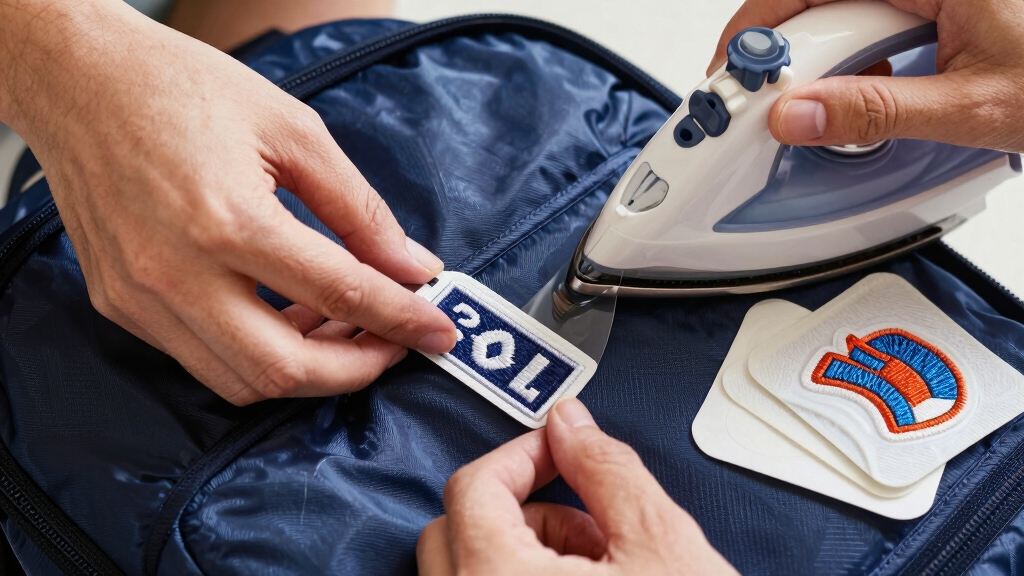
When choosing the best patch type for your nylon backpack, you’ll want to take into account both durability and fabric compatibility.
Iron-on patches may seem convenient but can weaken nylon with heat. Use them cautiously or avoid them altogether.
Sew-on patches offer a secure, permanent hold without risking fabric damage. They’re ideal if you’re comfortable with needle and thread.
Adhesive or fabric glue patches provide a quick fix but tend to be temporary and less reliable.
Magnetic snap patches attach without damage and allow easy removal but mightn’t hold as firmly during heavy use.
Hook and loop patches let you switch designs frequently. They’re perfect if you want flexibility without sewing or heat.
To maintain your nylon backpack’s appearance and longevity, it’s important to clean and care for it regularly using gentle cleaning methods.
Preparing Your Nylon Backpack Surface for Patching
Before attaching any patches, you’ll want to thoroughly prepare your nylon backpack’s surface to guarantee the best adhesion and longevity.
Start by confirming your backpack is made of nylon or polyester, as these materials respond well to most patch types.
Ensure your backpack is nylon or polyester for optimal patch adhesion and durability.
Clean the area with a dry microfiber cloth to remove dirt, dust, and oils that could prevent patches from sticking properly.
Avoid using water or harsh chemicals that might damage the fabric.
If you plan to use iron-on patches, make certain the backpack is on a heat-resistant surface.
Preheat your iron to a medium-high setting around 270°F.
For other patch types, confirm the surface is dry and free of wrinkles.
Taking these steps makes certain your patches will adhere securely and last longer.
Additionally, be mindful that nylon’s low elasticity can affect how patches conform to the fabric’s surface, so proper surface preparation is essential.
Tips for Arranging Multiple Patches on Nylon Backpacks
Once your nylon backpack surface is prepped and clean, it’s time to plan how to arrange multiple patches effectively.
Start by laying the backpack flat on a smooth surface. Cluster patches near an edge to avoid seams and zippers, which could cause uneven adhesion.
Position patches away from logos or structured areas to maintain a neat look. Arrange the patches loosely first, then step back and photograph your layout to check balance and spacing.
Use chalk to mark precise spots, ensuring consistent placement. Pin each patch in place before final attachment to prevent shifting.
This approach helps you create a visually balanced, secure design that enhances your backpack’s style without compromising its function. For best results, measure your backpack’s dimensions carefully, including any protrusions, to ensure patches fit well and maintain overall balance with external features.
Finding the Perfect Spot to Place Patches on Nylon Backpacks
Choosing the perfect spot to place patches on your nylon backpack involves balancing aesthetics with durability. You’ll want to avoid seams, zippers, and logos to keep the patch secure and visually appealing.
Lay your backpack flat and use chalk to mark potential spots. Test how the patch will look in different areas. Pin the patch in place and take a photo to evaluate balance before committing.
Focus on smooth, flat areas for strong adhesion. Avoid high-wear zones prone to friction and bending. Keep patches away from structural elements to prevent damage.
Cluster patches near edges for a cohesive, stylish look. Test placement by wearing the backpack to check comfort. This thoughtful approach guarantees your patches stay put and look great.
For best results, measure and mark the bag while it is laid flat to maintain its natural shape and ensure consistent measurements.
Iron-On Patch Application for Nylon Backpacks
To get your iron-on patch properly attached to a nylon backpack, you’ll need to start by placing the patch exactly where you marked it.
Cover the patch with a thin cloth to protect both the patch and fabric. Preheat your iron to medium-high, around 270°F, without steam.
Press the iron firmly on the covered patch using circular motions for 30 to 45 seconds. After heating, place a heavy object like a book on top to apply consistent pressure and let it cool completely.
Avoid overheating to prevent fabric damage. Once cooled, check if the patch is securely bonded. If not, repeat the process briefly.
Always follow the patch manufacturer’s heat guidelines to guarantee the best adhesion without weakening your nylon backpack.
For added durability, consider applying a fabric protectant spray after the patch is securely attached to preserve the nylon’s integrity and appearance during future use and cleaning post-care and ongoing maintenance.
Sewing Patches on Nylon Backpacks
Although sewing patches onto a nylon backpack takes more effort than adhesive methods, it offers the most durable and secure attachment.
To sew patches effectively, thread a needle with doubled thread, knot it securely, and pin your patch in place.
Use a whip stitch or running stitch around the edges, pulling the thread taut for a neat finish. Sewing guarantees your patch won’t peel off, even with heavy use.
Feel proud knowing your patch will stay put through every adventure. Experience the satisfaction of a clean, professional look.
Trust in the strength of your handiwork against wear and tear. Enjoy the customization that sewing allows without damaging fabric. Build a lasting personal statement on your backpack.
When sewing patches, consider the backpack material to ensure compatibility and durability of your stitching.
Attaching Magnetic and Hook-and-Loop Patches on Nylon Backpacks
Before you go ahead and attach those magnetic or hook-and-loop patches, it’s a good idea to check if your nylon backpack is compatible with these methods. You want to be sure they won’t damage your bag.
Next up, take a moment to plan where you want to place those patches. It’s best to steer clear of seams and logos for a cleaner, more balanced look.
When you’re ready to attach the magnetic patches, press down firmly to secure them. And if you’re using hook-and-loop strips, make sure to align them properly—this will help ensure they stick well and are easy to remove when you need to.
To protect your backpack and preserve its appearance, consider using non-permanent customization options when applying patches.
Happy patching!
Material Compatibility Check
When working with nylon backpacks, you’ll want to make certain the patch attachment method won’t damage or weaken the fabric.
Magnetic and hook-and-loop patches are great choices here, as they avoid heat or adhesives that can harm nylon’s fibers.
Before attaching, confirm the patch materials won’t cause snagging, staining, or stress on seams. Testing on a small hidden area helps prevent surprises.
Keep these in mind for a safe, lasting hold:
- Choose low-tack Velcro to avoid fabric pulling.
- Avoid magnets with sharp edges that might scratch.
- Steer clear of adhesives that leave residue.
- Make certain the patch backs are smooth, not abrasive.
- Check for colorfastness to prevent bleeding.
Using patches with materials compatible with nylon’s durability and texture ensures the best long-term results and avoids fabric damage, as explained in material compatibility guidelines.
This careful compatibility check protects your backpack and keeps your patches looking sharp.
Precise Patch Placement
Since magnetic and hook-and-loop patches rely on precise alignment for a secure hold, you’ll want to carefully plan their placement on your nylon backpack.
Lay the backpack flat and avoid seams, zippers, or logos that can interfere with patch adhesion or aesthetics.
Use chalk to mark exact spots, ensuring the patches won’t overlap or crowd each other.
Arrange patches loosely first, then photograph the layout to evaluate balance and positioning.
For magnetic patches, align the metal backing and decorative front carefully to prevent shifting.
With hook-and-loop patches, make sure the matching strips line up perfectly to maximize grip and ease of removal.
Pin the patches in place before proceeding to attachment, so you can adjust placement without damaging your nylon fabric.
To maintain the durability of your nylon backpack, avoid applying patches near areas prone to wear and consider material considerations for proper care.
Secure Attachment Techniques
Start by ensuring your magnetic or hook-and-loop patches align perfectly on the marked spots to guarantee a strong, stable attachment.
For magnetic patches, press the metal backing firmly against the decorative front to create a secure bond without damaging your nylon.
With hook-and-loop patches, attach the hook side to the backpack and press the loop side onto the patch, ensuring full contact for reliable hold and easy removal.
Remember to test the strength by gently tugging on each patch once attached.
Feel confident knowing your patches won’t shift or fall off.
Enjoy the convenience of easy patch swapping.
Protect your backpack’s fabric from damage.
Add personality without permanent commitment.
Show off your style with secure, neat patches.
These techniques keep your backpack looking sharp and personalized.
For added assurance, consider measuring the patch dimensions accurately using a flexible measuring tape to ensure the best fit and placement.
Applying Fabric Glue for Temporary Patch Attachment on Nylon Backpacks
Apply fabric glue carefully to the back of your patch to achieve a temporary bond on your nylon backpack. First, make sure the backpack surface is clean and dry for better adhesion.
Use a small amount of glue to avoid seepage beyond the patch edges. Press the patch firmly onto the marked spot and hold it in place for a minute or two to secure initial contact.
Let the glue dry completely, ideally for 24 hours, before handling the backpack. This method is perfect when you want a no-sew, removable option.
Keep in mind it’s temporary and may weaken with washing or heavy use. Always test fabric glue on a small, inconspicuous area first to confirm compatibility with your nylon material.
Common Mistakes to Avoid When Patching Nylon Backpacks
Hey there! Just a quick heads-up: be careful with heat when you’re patching your nylon backpack. Not all nylon can handle it, and using too much heat can actually weaken or damage the fabric.
So, before you dive into your project, take a moment to check if your patch and the fabric are compatible.
Trust me, double-checking these details is super important. It’ll help ensure that your patch sticks well and keeps your backpack in great shape. You definitely want your hard work to pay off!
Using Heat Incorrectly
Although heat application can secure patches effectively, using it incorrectly on nylon backpacks can cause serious damage to the fabric. You need to control the temperature and duration carefully to avoid melting or warping the nylon.
Never apply excessive heat or hold the iron stationary, as this can leave permanent scorch marks. Avoid using high heat settings that exceed patch instructions, or you risk weakening the fabric’s strength.
Also, never skip using a protective cloth between the iron and patch, which prevents direct heat damage.
Common heat application mistakes include:
- Melting the nylon surface by overheating
- Leaving the iron in one spot too long
- Skipping a protective barrier cloth
- Using maximum heat without testing
- Ignoring patch-specific temperature guidelines
Stay precise and patient to keep your backpack intact.
Ignoring Material Compatibility
When you skip verifying material compatibility, you risk damaging your nylon backpack or having patches that won’t adhere properly.
Nylon reacts differently to adhesives, heat, and stitching compared to other fabrics, so choosing the right patch and method is vital.
For example, iron-on patches can weaken or melt nylon fibers if the heat is too high. Instead, opt for sew-on patches or fabric glue designed for synthetic materials.
Avoid adhesives not made for nylon, as they may fail or stain the fabric. Always confirm that your patch backing and attachment method suit nylon’s texture and heat sensitivity.
Testing on a hidden spot first helps prevent permanent damage. Prioritizing compatibility guarantees your patch stays secure and your backpack remains intact.
Frequently Asked Questions
How Do I Remove a Patch Without Damaging My Nylon Backpack?
To remove a patch without damaging your nylon backpack, start by gently peeling it off if it’s adhesive or hook-and-loop.
For sewn patches, carefully cut stitches with a small seam ripper, avoiding fabric cuts.
Avoid using heat on nylon, as it can weaken fibers.
Always test removal methods on a small, hidden area first.
Can Patches Affect the Waterproof Quality of My Nylon Backpack?
Yes, patches can affect your nylon backpack’s waterproof quality, especially if they require sewing or heat application.
Sewing creates tiny holes that might let water seep in, while iron-on patches can weaken the fabric’s coating.
To maintain waterproofing, choose non-damaging options like magnetic snap or adhesive patches.
Always test on a small area first and consider resealing seams with waterproof tape or spray after applying patches to keep your backpack protected.
Are There Specific Thread Types Best for Sewing Patches on Nylon?
Did you know polyester thread is up to 50% stronger than cotton?
For sewing patches on nylon, you should use polyester or nylon thread because they’re both durable and resist moisture.
These threads match nylon’s flexibility and strength.
Avoid cotton thread since it can weaken and break over time.
Using strong synthetic thread guarantees your patch stays securely attached, even with regular wear and exposure to elements.
Always double your thread for added durability.
How Do I Clean Patched Areas on a Nylon Backpack?
You should gently clean patched areas on your nylon backpack using a damp microfiber cloth and mild soap.
Avoid harsh scrubbing or soaking to protect the patch and fabric.
Spot clean stains carefully, and let the backpack air dry away from direct heat or sunlight.
If your patch is sewn on, you can be a bit more thorough, but still avoid aggressive washing to maintain adhesion and fabric integrity.
Can Patches Cause Color Fading on Nylon Fabric Over Time?
About 30% of nylon users report color fading around patched areas after prolonged exposure.
Yes, patches can cause color fading on nylon fabric over time, especially if you use heat-based methods like iron-on patches.
The heat can weaken nylon’s dye, leading to discoloration.
To avoid this, you should opt for non-heat methods such as sewing or adhesive patches.
Always protect the fabric by testing on a small area first.
Make Your Nylon Backpack Stand Out with Patches
Just like a master tailor crafts a timeless garment, you can transform your nylon backpack with the right patch and technique.
Whether you iron, sew, or stick, each method offers a unique way to personalize and protect your gear.
Avoid common pitfalls, prepare your surface well, and arrange patches thoughtfully to make your backpack both functional and stylish.
Your backpack will be ready to face every adventure with confidence and flair.