
Philippines Packing List: Travel Challenges to Adventures

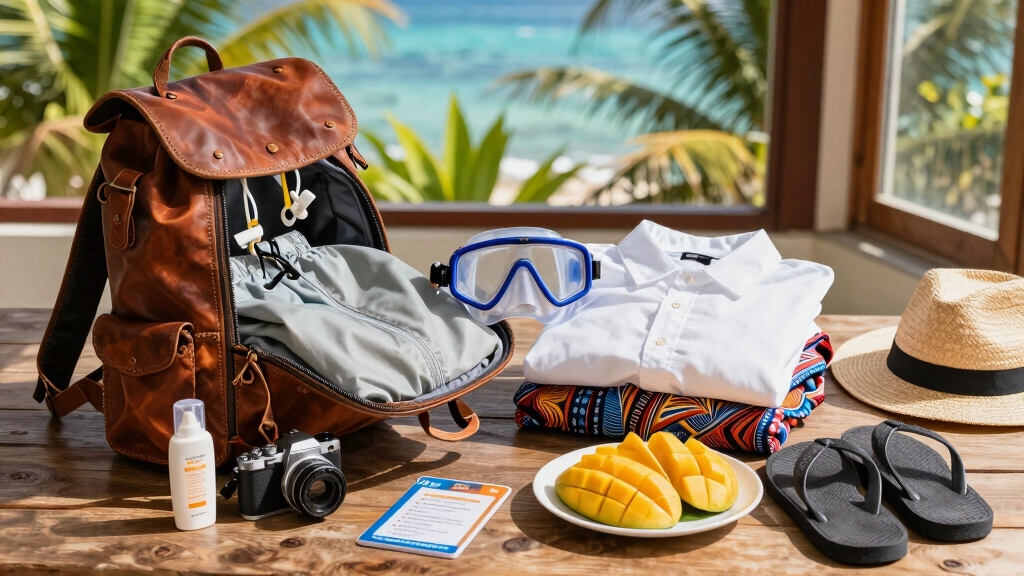
When packing for the Philippines, choose lightweight, breathable clothes like loose cotton tops and quick-dry shorts to stay cool in the tropical heat. Bring a wide-brimmed hat, UV sunglasses, and high-SPF sunscreen for strong sun protection.
Prepare for sudden rain with a waterproof jacket or poncho, a quick-dry towel, and waterproof shoe options. Don’t forget DEET insect repellent and basic health supplies to keep bugs and illnesses at bay.
Power banks and flashlights help during outages. You’ll find practical tips to keep your gear organized and ready for any weather challenges ahead!
Key Takeaways
- Pack lightweight, breathable, and light-colored clothing with UPF 50+ for sun protection in the hot, humid Philippines climate.
- Include a wide-brimmed hat, UV-protection sunglasses, and high SPF sunscreen (50+) to guard against strong tropical sun.
- Bring waterproof rain gear like a breathable jacket or poncho, quick-dry clothes, and waterproof footwear for wet season weather.
- Carry DEET-based insect repellent, a mosquito net, first aid kit, and reusable water bottle with a filter for health and hydration.
- Prepare electronics with power banks, universal adapters, and flashlights for frequent power outages and pack items in organized pouches.
Packing Smart for the Philippines’ Wet and Dry Seasons
When you’re packing for the Philippines, understanding the distinct wet and dry seasons can make all the difference in how comfortable and prepared you feel.
Knowing the wet and dry seasons in the Philippines helps you pack smart and stay comfortable.
The wet season, running from June to October or November, brings heavy rains nearly every other day, so packing a lightweight waterproof jacket or poncho is a smart move.
You’ll want to anticipate sudden downpours and possible typhoons, so waterproof gear and sturdy rain boots can be lifesavers. In contrast, the dry season from November to April offers cooler, more stable weather with occasional afternoon showers.
Here, you can focus on breathable fabrics and sun protection, but still keep a compact umbrella handy just in case. A waterproof jacket with sealed seams and breathable fabrics will help you stay dry without feeling clammy during heavy rains.
Clothes to Pack for Hot, Humid Weather
Choosing the right clothes for the Philippines’ hot, humid climate means focusing on lightweight, breathable fabrics that keep you cool and dry.
Pack moisture-wicking shirts and loose cotton tops to allow air circulation and sweat evaporation. Opt for light-colored clothing to reflect sunlight and reduce heat absorption.
Quick-dry shorts and pants are ideal for comfort and versatility. Don’t forget a wide-brimmed hat and UV-protection sunglasses to shield your face and eyes from intense sun exposure.
Sandals or flip-flops work well for everyday wear, but bring sturdy closed shoes if you plan to explore uneven terrain. Long sleeves and pants come in handy during peak dry season to protect against sunburn.
Prioritize comfort and sun safety while keeping your wardrobe simple and practical for the tropical heat. Using UPF-rated clothing can provide additional protection against harmful ultraviolet rays while outdoors.
Rain Gear for the Philippines’ Wet Season
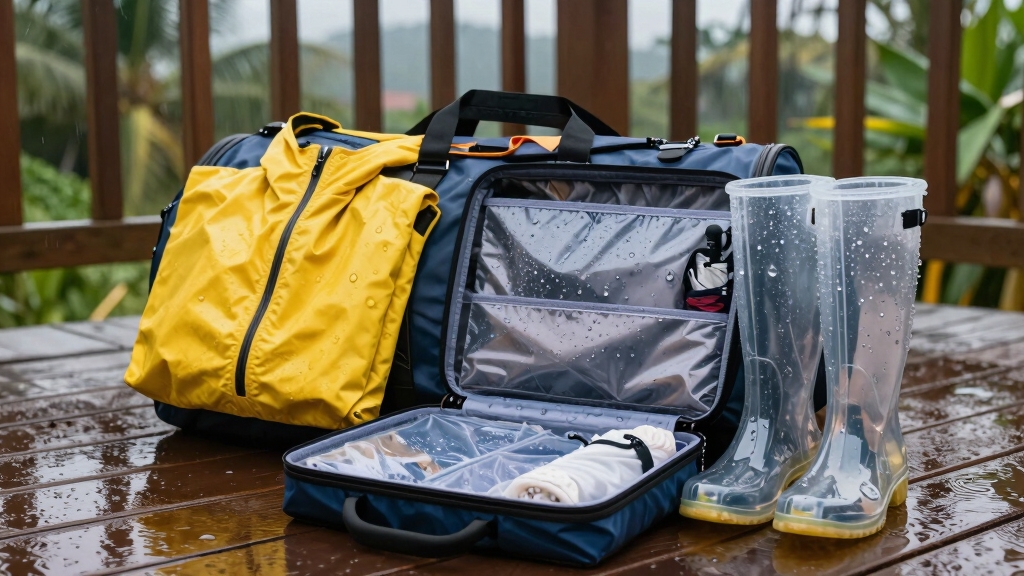
You’ll often face sudden, heavy downpours during the Philippines’ wet season, so packing reliable rain gear is essential. Make sure you bring a lightweight waterproof jacket or poncho that’s breathable enough to handle the humidity yet sturdy against strong winds.
A compact umbrella is handy for quick showers, but don’t rely on it during typhoons. Include a quick-dry towel and plastic bags to keep your electronics and clothes dry.
If you expect flooded streets, consider waterproof covers for your bags. Prepare for unpredictable weather by layering your rain gear over moisture-wicking clothes, so you stay comfortable and dry.
This way, you’ll stay protected from the frequent monsoon rains without feeling weighed down or overheated. To enhance comfort during humid conditions, choose fabrics with superior breathability and moisture-wicking properties.
Best Footwear for Comfort and Versatility
When you’re packing for the Philippines, picking the right footwear is super important for staying comfy and ready for anything. I mean, breathable sandals are a must! They really help keep your feet cool in that tropical heat.
Plus, if you happen to get caught in some heavy rains or floods, waterproof boots are a lifesaver. Trust me, you’ll be glad you have them!
And let’s not forget about those versatile closed shoes. They’re perfect for exploring all kinds of terrain—whether you’re trekking through a jungle or wandering around urban areas. You won’t miss a step with the right pair on your feet! So, make sure to choose wisely when it comes to your footwear for the trip!
Additionally, taking preventive measures when traveling can help keep your luggage wheels in good condition, so your trip stays hassle-free.
Breathable Sandals Benefits
Breathable sandals often provide the perfect balance of comfort and practicality for negotiating the Philippines’ hot, humid climate.
When you wear them, your feet stay cool and dry thanks to ample ventilation, which helps prevent sweat buildup and discomfort during long days exploring bustling cities or serene beaches.
Their lightweight design reduces fatigue, letting you move freely without feeling weighed down.
Plus, breathable sandals often feature quick-drying materials, so if you encounter sudden rain or splash in shallow waters, your footwear won’t stay soggy.
Versatility is another key benefit; you can easily slip them on or off, making them ideal for entering temples or local homes where shoes aren’t allowed.
Opt for sandals with sturdy soles to protect against uneven terrain without sacrificing airflow or comfort. Choosing footwear that aligns with ergonomic design principles can further enhance comfort during extended wear.
Waterproof Boots Necessity
Although sandals work well in dry, hot conditions, waterproof boots become essential during the Philippines’ wet season, offering unmatched protection and comfort.
When heavy monsoon rains flood streets and trails, you’ll want footwear that keeps your feet dry and secure.
Here’s why waterproof boots are a smart choice:
- Water Resistance: They prevent soggy, uncomfortable feet during sudden downpours or flooded paths.
- Traction: Their soles grip slippery surfaces, reducing your risk of falls on wet or muddy terrain.
- Durability: Built tough, they withstand rough conditions, from typhoon aftermaths to muddy hikes.
Choosing waterproof boots lets you explore confidently, no matter the weather, combining comfort with versatile functionality essential for the Philippines’ unpredictable wet season.
Regular maintenance such as cleaning and lubricating boots’ moving parts ensures better performance and longer lifespan in harsh conditions.
Versatile Closed Shoes
You’ll often find versatile closed shoes to be the best choice for comfort and adaptability during your Philippines trip.
These shoes protect your feet from uneven terrain, sharp rocks, and sudden showers common in the wet season. Opt for breathable materials like mesh or lightweight leather to keep your feet cool despite the tropical heat and high humidity.
Closed shoes also shield you from insects and debris when exploring forests or urban areas. Choose a pair with good arch support and cushioned soles to handle long walks without discomfort.
Their durability makes them suitable for both city streets and rugged trails. Versatile closed shoes strike the perfect balance between protection, comfort, and style, making them an essential item on your packing list for the Philippines.
For enhanced comfort and moisture management, look for shoes made with breathable fabrics that wick sweat and dry quickly.
Sun Protection Must-Haves for the Philippines
Always prepare for intense sun exposure when visiting the Philippines, as its tropical climate brings strong UV rays year-round. To keep your skin safe and comfortable, pack these essential sun protection items:
Prepare for intense sun exposure in the Philippines with essential protection against strong, year-round UV rays.
- High SPF Sunscreen (50+) – Apply generously and reapply every two hours to combat the powerful, persistent sun and humidity.
- Wide-Brimmed Hat – Shields your face, neck, and ears from direct sunlight while keeping you cool.
- UV-Protection Sunglasses – Protect your eyes from harmful rays and reduce glare during bright days.
These must-haves help you enjoy outdoor adventures without burning or discomfort.
Lightweight, breathable fabrics with long sleeves also enhance protection, but these three items are your frontline defense against the Philippines’ relentless sun.
Don’t underestimate the need; your skin will thank you! For enhanced protection, consider packing UPF 50+ clothing, which offers broad-spectrum sun protection specifically designed to block harmful UV rays.
Insect Repellents and Health Supplies to Stay Safe
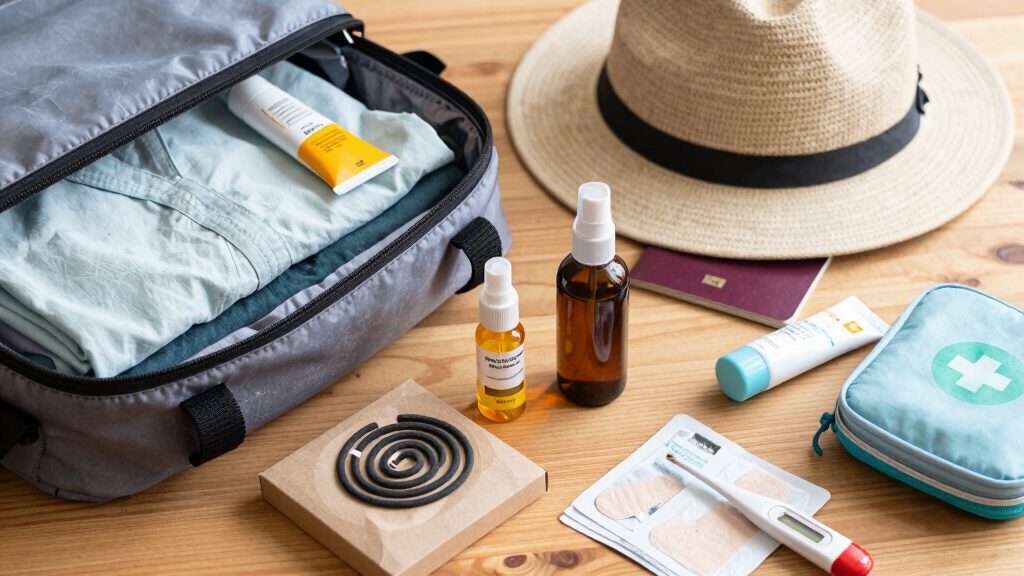
When you’re getting ready for your trip, make sure to pack some effective mosquito repellent. Trust me, those pesky bites can really ruin your day, especially during the wet season when mosquitoes are everywhere!
And hey, don’t forget to bring along some essential health medications too.
Things like antihistamines can be super helpful for allergies, while rehydration salts are a must for dealing with heat exhaustion.
Staying hydrated is key, so make sure you’re drinking plenty of water.
Also, slather on some high-SPF sunscreen to protect your skin while you’re out in that tropical sun. It’ll help keep you safe and comfortable during your adventures!
Consider bringing a first aid kit with dressings, antiseptics, and pain relievers as part of your health and medical supplies.
Effective Mosquito Protection
Frequently buzzing around during the wet season, mosquitoes pose a significant health risk in the Philippines, especially when humidity soars near 100%.
To protect yourself effectively, you’ll want to prepare smartly. Here’s how:
- Choose the right repellent: Opt for DEET-based sprays or lotions. They offer the strongest protection against mosquito bites.
- Wear protective clothing: Long sleeves and pants made from breathable fabrics shield your skin without overheating you.
- Use physical barriers: Mosquito nets and screens are essential, especially when sleeping or resting in humid areas.
Including insect repellent in your customized first-aid kit ensures you have immediate access to protection during outdoor activities.
Essential Health Medications
Stocking up on essential health medications and insect repellents is crucial to staying safe and comfortable while traveling in the Philippines.
You’ll want to bring a strong DEET-based insect repellent to ward off mosquitoes, especially during the wet season when they’re most active.
Include antihistamines for any unexpected allergic reactions and basic pain relievers to manage headaches or minor aches caused by heat or travel fatigue.
Pack a small first aid kit with bandages, antiseptic wipes, and any personal prescription meds.
Since high humidity and heat can lead to discomfort or infections, having antifungal cream on hand is wise.
Preparing these supplies guarantees you’re ready for common tropical ailments, letting you focus on enjoying your adventure without health worries.
Hydration and Sun Care
Always prioritizing hydration and sun care can make a huge difference in your comfort and health while exploring the Philippines. The tropical climate demands that you stay vigilant against dehydration and intense sun exposure.
To keep yourself safe and energized, pack these essentials:
- High SPF 50+ sunscreen – Apply every two hours to combat strong UV rays and humidity that can wear off protection quickly.
- DEET insect repellent – Mosquitoes thrive in wet seasons and can carry diseases, so repellent is essential.
- Reusable water bottle with filter – Hydrate constantly with safe, filtered water to prevent heat exhaustion in hot, humid conditions.
Essential Electronics for Power Outages and Travel
When you head to the Philippines, powering up your devices during frequent outages can be a challenge, especially in the wet season when typhoons often disrupt electricity.
To stay connected and prepared, bring a reliable power bank with high capacity. It keeps your phone and camera charged for days. A solar charger can be a lifesaver when outlets are scarce.
Don’t forget a universal adapter since outlets vary across regions. A flashlight or headlamp with extra batteries guarantees visibility during blackouts.
Consider a portable Wi-Fi hotspot device for consistent internet access when cellular networks falter. Packing these essential electronics helps you navigate power interruptions smoothly.
This lets you capture memories and stay informed no matter the weather or location.
Tips for Organizing Your Philippines Travel Bag
Although packing for the Philippines means juggling items for heat, rain, and power outages, organizing your travel bag smartly will make your trip smoother and more enjoyable.
Start by grouping essentials into separate pouches like electronics, toiletries, and rain gear to find what you need quickly. Next, roll your clothes instead of folding them; this saves space and reduces wrinkles in humid weather.
Finally, keep frequently used items such as sunscreen, insect repellent, and water bottles in an easily accessible outer compartment. This setup helps you adapt rapidly to sudden weather changes or power outages.
Frequently Asked Questions
What Local Customs Should I Know Before Packing for the Philippines?
You should know Filipinos value modesty and respect, so pack clothes that cover shoulders and knees. This is especially important when visiting religious sites.
Bright, flashy outfits might draw unwanted attention, so opt for simple, neat attire. Bringing a small gift when visiting homes is appreciated.
Also, pack lightweight layers for warm, humid weather and a rain jacket for sudden showers. Being culturally sensitive in your wardrobe helps you connect and show respect.
Are There Specific Items to Bring for Island Hopping Tours?
Island hopping gear should be as light and quick-drying as a sea breeze.
Bring swimwear, a waterproof bag for your phone and valuables, and sturdy sandals or water shoes for slippery rocks.
Don’t forget a wide-brimmed hat and sunglasses to shield you from the sun’s glare.
Pack reef-safe sunscreen and a snorkel mask if you have one, so you can explore underwater wonders comfortably and safely during your boat trips.
How Much Cash Is Advisable to Carry Versus Using ATMS?
You should carry enough cash for daily expenses, small vendors, and island hopping tours. Around 3,000 to 5,000 PHP is usually sufficient. ATMs are common in cities and tourist spots but less reliable on remote islands. So, don’t rely solely on cards or ATMs.
Always have cash on hand for transportation, food stalls, and emergencies. This is especially important during the wet season when access can be tricky. Keep it secure and split it up.
Is It Safe to Drink Tap Water or Should I Bring Bottled Water?
You shouldn’t drink tap water directly; it’s safer to stick with bottled or filtered water to avoid stomach issues.
While some hotels provide purified water, always double-check. Carry a reusable water bottle with a built-in filter to stay hydrated safely, especially in hot, humid conditions.
Staying cautious helps you enjoy your trip without health setbacks, so pack accordingly and sip smart to keep feeling your best under the tropical sun.
What Are Common Luggage Restrictions for Domestic Flights in the Philippines?
For domestic flights in the Philippines, you typically get 7-10 kg of carry-on luggage and 15-20 kg for checked bags, but this varies by airline. Make sure your carry-on fits in overhead bins and under the seat.
Oversized or overweight bags often incur extra fees, so pack smart. Liquids must follow standard rules, and sharp objects aren’t allowed in carry-ons. Always check your airline’s specific restrictions before you fly.
End Your Packing Worries, Start Your Journey
By packing smart for the Philippines, you’ll be ready to conquer monsoons, scorching sun, and unexpected power outages like a seasoned pro. Imagine breezing through humid days in breathable clothes, slipping effortlessly into versatile footwear, and never fearing a sudden downpour or pesky mosquitoes again.
With your well-organized bag and essential gear, you’ll turn every challenge into an adventure, making your trip not just smooth, but absolutely unforgettable—like a tropical superhero on a mission!