
What Is a Wet Dry Bag: Simple Swap to Reduce Daily Waste

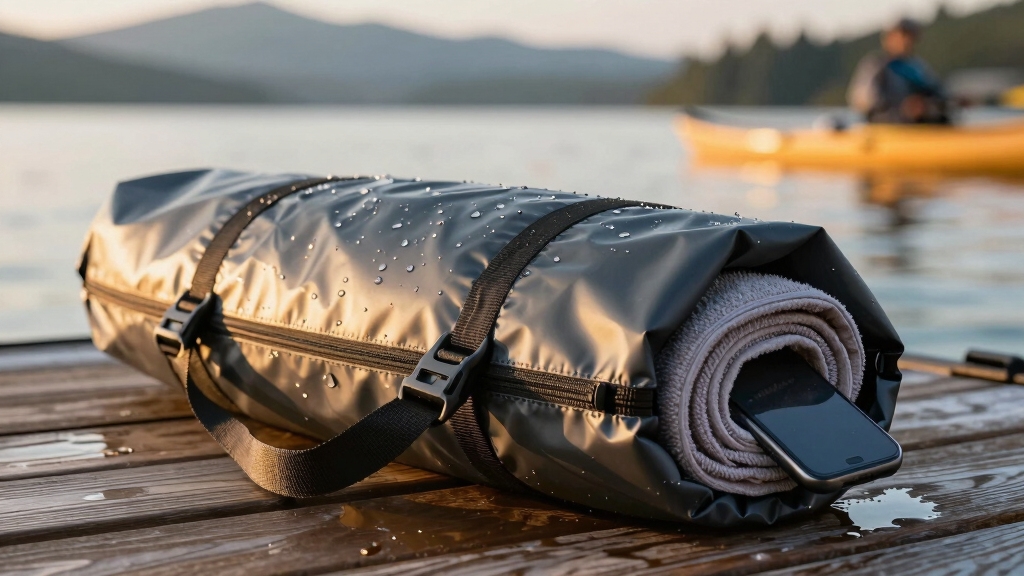
You need a wet dry bag to keep your wet and dry items separate and protected in one waterproof carrier.
It features a waterproof compartment for damp clothes or swimsuits and a separate dry pocket for clean essentials like keys or diapers.
This design prevents leaks, odors, and contamination, making it perfect for parents, swimmers, and travelers. It’s practical, reusable, and easy to clean.
Discover how these bags work and why they’re so useful for everyday life.
Key Takeaways
- A wet dry bag separates wet and dry items in one carrier with waterproof and mesh compartments.
- It stores wet clothes, swimsuits, or soiled diapers without leaking onto dry belongings.
- The bag is reusable and ideal for swim lessons, travel, daycare, and everyday organization.
- Waterproof polyester with PU or TPU coating prevents leaks and contains odors effectively.
- Wet dry bags reduce plastic waste by replacing disposable plastic bags for wet items.
What Is a Wet Dry Bag?
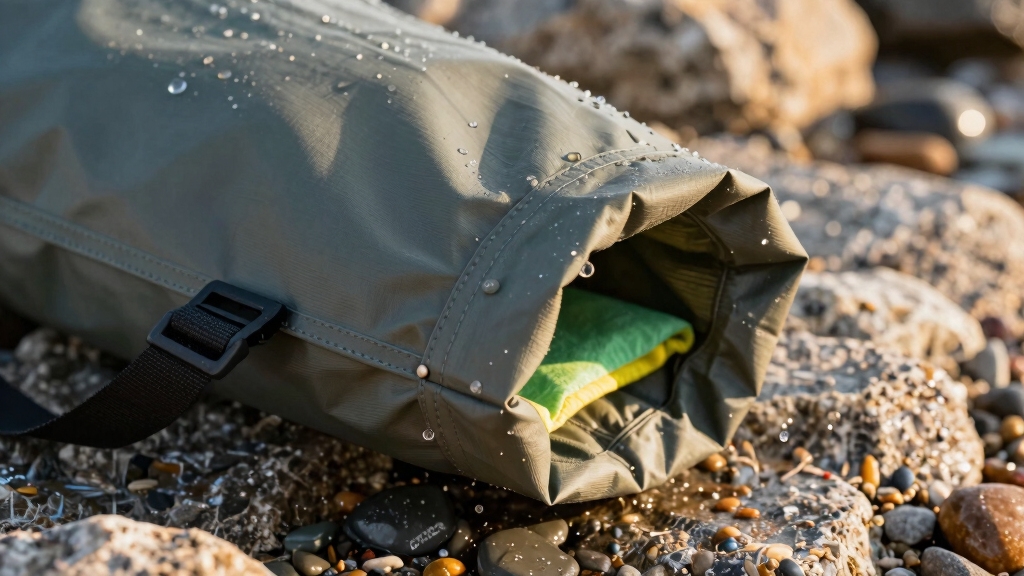
A wet dry bag cleverly separates and secures your wet and dry belongings in one convenient carrier.
You’ll find a large waterproof section perfect for storing wet clothes, swimsuits, or soiled diapers without leaking.
The dry compartment, often a mesh or zippered pocket, holds your clean essentials like keys or dry diapers, keeping them safe from moisture.
Made from durable polyester coated with waterproof materials, these bags prevent water from seeping out or soaking your belongings.
You can use one for daycare, swim lessons, travel, or any time you need to organize wet and dry gear in one place.
It’s a practical, reusable solution that combines the functions of both wet and dry bags, saving you space and hassle.
When packing items in bags like these, it’s important to secure and lock contents properly to prevent shifting and protect against moisture.
How Do Wet Dry Bags Work?
Understanding how wet dry bags work helps you keep your belongings organized and protected from moisture.
These bags have separate compartments: a large waterproof section for wet items like swimsuits or soiled diapers and a mesh or zippered pocket for dry essentials such as clean diapers or keys.
The waterproof lining in the main pocket prevents leaks and stops moisture from seeping into the dry compartment.
Meanwhile, the breathable mesh keeps your dry items ventilated.
Constructed from durable, coated polyester, wet dry bags combine the functions of wet and dry bags in one convenient design.
You simply unzip the compartments to separate wet from dry, preventing mess and making it easier to carry everything you need for swim lessons, travel, or daily outings.
Choosing the right dry bag size for your needs ensures optimal organization and protection of your wet and dry items.
Wet Dry Bags vs. Dry Bags: What’s the Difference?
When you’re choosing between wet dry bags and dry bags, it helps to know their core differences to pick the right one for your needs.
Wet dry bags feature separate compartments designed to keep wet and dry items apart, preventing leaks and contamination. Dry bags, on the other hand, focus solely on keeping everything inside completely dry and waterproof.
Here’s what sets them apart:
- Purpose: Wet dry bags store wet items without leaking. Dry bags keep contents dry in wet environments.
- Compartments: Wet dry bags have distinct wet and dry sections. Dry bags usually have a single waterproof compartment.
- Material: Wet dry bags use waterproof linings plus mesh pockets. Dry bags rely on fully waterproof, often floating, materials.
Understanding these differences helps you choose the right bag for your activity. Many dry bags designed for motorcycling also incorporate roll-top closures to ensure airtight sealing and maximum waterproof protection.
Why Wet Dry Bags Have Separate Compartments?
Because wet dry bags are designed to keep wet and dry items separate, they feature distinct compartments that prevent moisture from spreading and avoid contamination.
You’ll find a large waterproof section that safely holds wet clothes, swimsuits, or soiled diapers without leaks.
Meanwhile, a mesh or zippered pocket stores your dry essentials like clean diapers, keys, or a phone, keeping them protected from dampness.
This separation helps you stay organized and hygienic, especially when you’re on the go.
It also stops odors from transferring between compartments.
Many parents find that using a wet dry bag as a diaper bag can help meet airline size restrictions and simplify travel packing.
Everyday Uses for Wet Dry Bags: Diapers, Swimwear, and More
You can easily stash away soiled diapers, damp swimwear, or wet towels in a wet dry bag without worrying about leaks or messes.
These bags keep wet items contained while protecting your clean belongings. Here are everyday ways you can use them:
- Diaper Duty: Separate dirty cloth diapers from clean ones. This makes diaper changes on the go hassle-free.
- Swim Gear: Store wet swimsuits and towels after swim lessons or beach trips. This prevents soggy bags.
- Travel Essentials: Keep damp workout clothes, rain jackets, or muddy shoes isolated from your dry items. This is perfect during travel or outdoor adventures.
Using a wet dry bag simplifies organization, keeps odors contained, and prevents leaks. It’s a practical choice for busy parents, swimmers, and travelers alike. For best results, remember to air dry bags thoroughly with pockets open after use to prevent moisture buildup and odors.
What Makes Wet Dry Bags Waterproof?
Understanding what makes wet dry bags waterproof helps you choose the right bag for your needs. Wet dry bags use materials like 100% polyester coated with waterproof urethane or TPU, creating a reliable barrier that prevents leaks and moisture from escaping.
Wet dry bags feature waterproof polyester coated with urethane or TPU to prevent leaks and keep moisture contained.
The main compartment, designed for wet items, includes an inner waterproof lining that keeps water contained. Meanwhile, the dry section features breathable polyester mesh to keep your dry essentials safe and separate.
The construction focuses on sealing moisture inside without wicking or seeping through seams. By combining these waterproof materials with thoughtful compartment designs, wet dry bags securely hold wet clothes or swimwear without causing messes or odors.
This makes them perfect for travel, daycare, or outdoor activities where you want to keep wet and dry items organized. Polyurethane (PU) coatings are commonly used in wet dry bags to provide effective water resistance while maintaining reasonable weight and cost.
Must-Have Features for Choosing a Wet Dry Bag
When selecting a wet dry bag, several key features guarantee it meets your needs effectively. You want a bag that keeps wet and dry items separate without leaks or dampness spreading.
Here are three must-have features to focus on:
1. Waterproof Main Compartment: Make certain wet items stay contained, preventing moisture from seeping out and damaging your dry belongings.
2. Separate Dry Storage Pocket: Look for a mesh or zippered dry compartment to store essentials like keys, phones, or clean diapers safely.
3. Durable, Easy-to-Clean Material: Choose bags made from coated polyester or TPU with machine-washable fabrics so you can maintain hygiene effortlessly.
These features combine practicality and durability, making your wet dry bag reliable for everyday use and travel. For enhanced protection in extreme conditions, consider materials with multi-layer insulation similar to those used in fireproof and waterproof document bags.
How to Care for Your Wet Dry Bag to Make It Last?
Although wet dry bags are designed for durability, proper care is essential to keep them functioning well and extend their lifespan. Always empty and rinse your bag after use, especially if it held salty or chlorinated water.
Machine wash it regularly using warm pre-wash, hot wash, and warm rinse cycles to remove odors and bacteria. Avoid harsh detergents or bleach, which can damage the waterproof coating.
After washing, hang your bag to air dry or tumble dry on low heat. Make sure to unzip and open all compartments to speed drying and prevent mold.
Storing your wet dry bag in a cool, dry place will also help maintain its materials and prevent deterioration. Following these steps guarantees your bag stays reliable and clean for many adventures.
For ongoing upkeep, consider regular maintenance and storage practices to keep your bag in optimal condition.
How Wet Dry Bags Support Eco-Friendly, Reusable Living?
Switching to a wet dry bag is a fantastic way to cut down on single-use plastic. By using these bags, you can easily store wet and dry items separately. Plus, they’re reusable and made from durable materials. It’s a simple change that can really help you adopt more sustainable habits.
Not only do wet dry bags support eco-friendly living by reducing waste, but they also promote practical reuse. It feels good to know that you’re making a positive impact on the environment with every use! Additionally, choosing products with durable materials ensures long-lasting use and reduces the need for frequent replacement.
Reduce Single-Use Plastic
Many parents and outdoor enthusiasts choose wet dry bags because they cut down on single-use plastic waste.
By using these reusable bags, you markedly reduce the need for disposable plastic bags that often end up polluting the environment.
Wet dry bags offer a durable, washable alternative that handles wet and dry items separately without plastic waste.
Here’s how wet dry bags help you reduce single-use plastic:
- Replace disposable plastic bags for wet items like swimsuits or diapers.
- Use them repeatedly, cutting down on single-use bag consumption.
- Choose eco-friendly materials that last longer than single-use plastics.
Many high-quality wet dry bags are made with heavy-duty waxed canvas, which enhances durability and water resistance for prolonged use.
Promote Sustainable Practices
Embracing wet dry bags encourages sustainable living by reducing reliance on disposable plastics and promoting reusable alternatives. You cut down waste by replacing single-use bags with durable, washable wet dry bags that keep wet and dry items separate without leaks.
Their eco-friendly materials and long lifespan mean you use fewer resources over time, supporting your green lifestyle.
| Benefit | How It Helps You |
|---|---|
| Reusable | Cuts plastic bag consumption |
| Durable Materials | Lasts through many uses |
| Waterproof Lining | Prevents leaks, reduces waste |
| Easy to Clean | Maintains hygiene sustainably |
| Multi-Purpose | Simplifies carrying essentials |
Frequently Asked Questions
Can Wet Dry Bags Be Used for Non-Baby Items?
Yes, you can definitely use wet dry bags for non-baby items. They’re perfect for keeping wet swimsuits separate from your dry clothes, storing gym gear, or packing damp towels after a workout.
Their waterproof compartments prevent leaks, and the dry sections hold essentials like your phone and keys. Whether you’re hiking, traveling, or hitting the pool, these bags keep your belongings organized and mess-free with convenient, leak-proof storage.
Are Wet Dry Bags Safe for Food Storage?
Think of a wet dry bag as a reliable shield for your food, keeping wet and dry items separated.
While these bags are waterproof and prevent leaks, they’re not specifically designed for direct food contact or long-term storage.
You can safely carry snacks or packed meals inside, but avoid storing loose food without additional containers.
Always clean the bag thoroughly to keep it hygienic and prevent odors or contamination.
How Long Can Wet Items Be Stored Without Odor?
You can typically store wet items in a wet dry bag for up to 24 hours without odor if you keep the bag sealed and cool.
However, to avoid smells, it’s best to empty and rinse the wet compartment as soon as possible.
For longer storage, air out the bag and wash it regularly.
Using bags made from antimicrobial materials can also help minimize odor buildup over time.
Do Wet Dry Bags Float in Water?
Wet dry bags generally don’t float in water like dedicated dry bags because they’re designed to store wet items without leaking, not to be buoyant.
Their materials, like waterproof polyester and TPU coatings, focus on containing moisture rather than flotation.
So, if you drop one in water, it’ll likely sink or stay submerged.
If you need something to float, you’d want a specialized dry bag instead.
Can Wet Dry Bags Fit in a Regular Backpack?
Yes, wet dry bags can fit in a regular backpack easily. They’re designed to be compact and flexible, so you can tuck them inside without taking up much space.
Their slim profile and lightweight materials won’t add bulk, making them perfect for travel or daily use. Just make sure the backpack has enough room for the wet dry bag plus your other essentials, and you’re good to go.
Upgrade Your Routine with Eco-Friendly Solutions
Wet dry bags are a smart, practical way to keep your wet and dry items separate, especially when on the go. Did you know the average family throws away over 1,500 disposable diapers yearly?
By using a wet dry bag, you not only stay organized but also reduce waste and support eco-friendly living. Choose one with durable, waterproof materials and compartments to make your daily life easier and greener.