
Switzerland Packing List: Accessories That Elevate Your Trip

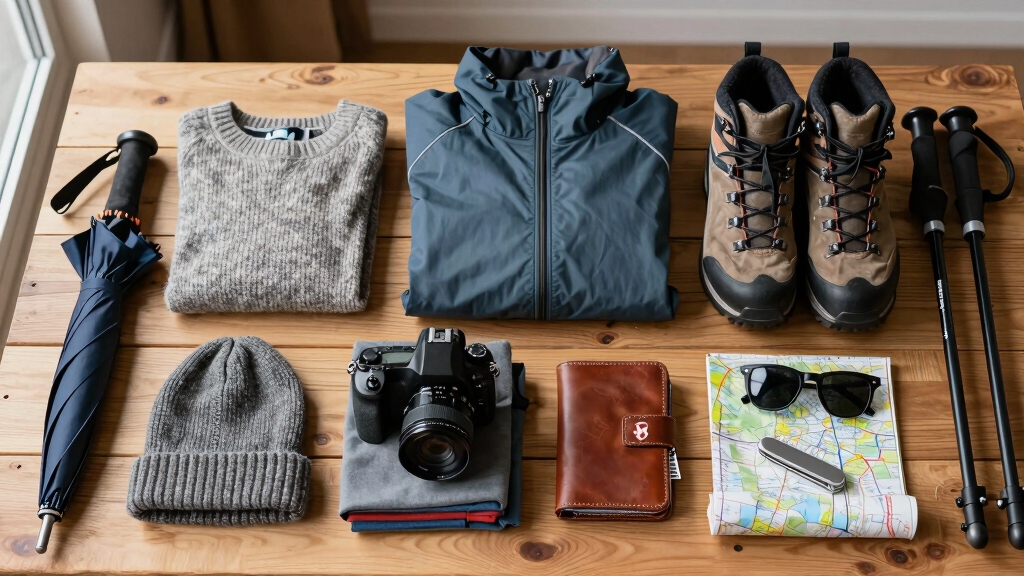
When packing for Switzerland, choose moisture-wicking base layers like merino wool and insulating midlayers to handle variable alpine weather. Bring sturdy waterproof boots with good grip, breathable summer shoes, and versatile outer shells for rain or wind.
Don’t forget sun protection, layered clothing for sudden climate shifts, a compact backpack, and trusty electronics adapters. Organize with packing cubes and carry essential toiletries.
Prepare for anything during your Swiss adventure, and discover how to tailor your gear perfectly to each season and activity.
Key Takeaways
- Pack moisture-wicking base layers and insulating midlayers like fleece or lightweight down for variable Swiss alpine temperatures.
- Bring waterproof, windproof outerwear and sturdy hiking boots with good ankle support for unpredictable weather and rugged terrain.
- Include sun protection accessories such as hats, sunglasses, and high-SPF sunscreen for strong mountain UV exposure.
- Use packing cubes and dry bags to organize clothing and protect gear from moisture during travel and outdoor activities.
- Carry essential electronics like Type J plug adapters, portable chargers, and a smartphone with offline maps for convenience and safety.
Clothing Essentials for Switzerland
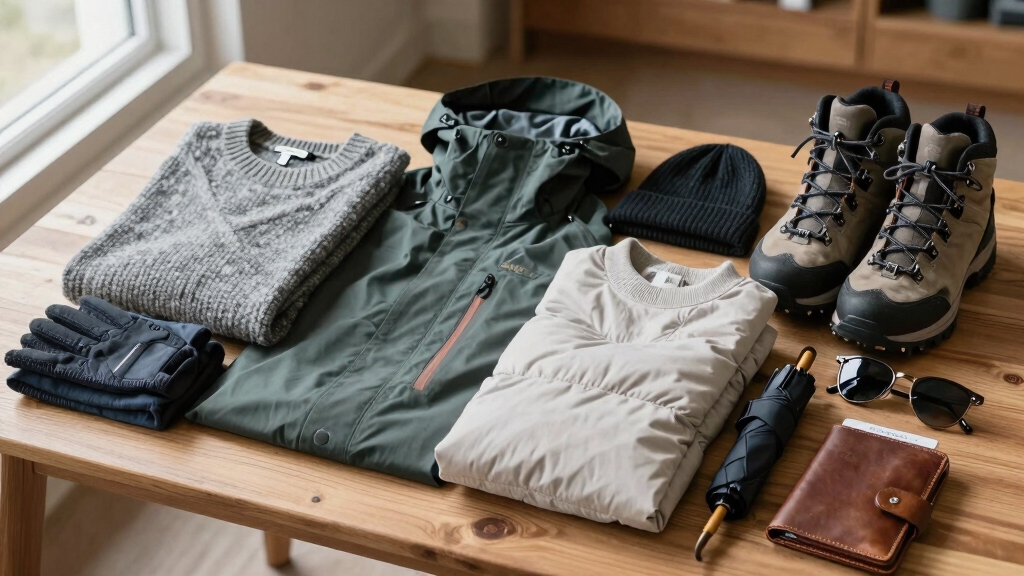
When packing for Switzerland, you’ll want to focus on versatile clothing that adapts to changing weather and activities.
Choose versatile clothing that easily adapts to Switzerland’s varied weather and diverse activities.
For summer, bring short-sleeved shirts or tank tops to stay cool during warm days. Pack two pairs of shorts or skirts for comfort and easy mixing in cities and lakeside spots.
Don’t forget one dress for casual outings or dinner. A swimsuit is essential if you plan to enjoy Switzerland’s pristine lakes.
Wool socks are a smart choice; four pairs will keep your feet dry and comfortable thanks to their moisture-wicking and temperature-regulating properties.
For layering, include base layer tops made of merino wool or synthetics to trap heat without bulk. Merino wool is especially effective for insulation and moisture management in variable weather.
Neutral sweaters and durable trousers like denim add warmth and style, making your wardrobe ready for any adventure. Also, pack a lightweight rain coat to stay comfortable during sudden mountain showers.
Footwear Recommendations
When you’re getting ready for your trip to Switzerland, think about packing a couple of different types of shoes. You’ll definitely want sturdy hiking shoes for those beautiful mountain trails, but don’t forget about comfy footwear for wandering around the charming cities.
Many travelers find that a lower-cut hiking shoe, like the Merrell Moab low, strikes a great balance between support and lightness, making it an ideal compromise footwear choice. Choosing footwear with durability and stability can help ensure comfort over varied terrains.
Also, keep in mind that the weather can change quite a bit depending on the season. If you’re visiting during the wetter or snowy months, a good pair of waterproof boots is a must. On the other hand, if you’re heading there in the summer, lighter trail runners can really do the trick.
Hiking and City Shoes
Gear up with the right footwear to tackle Switzerland’s diverse landscapes, from bustling city streets to rugged mountain trails. Selecting shoes within the standard backpack size guidelines can help keep your overall load manageable during travel.
For hiking, low-profile shoes like the Hoka Speedgoat offer comfort and durable traction. Waterproof boots such as Merrell Moab GTX protect against rain and snow. Kids especially benefit from lightweight, flexible hiking shoes that provide immediate comfort rather than stiff heavy boots.
For city strolling, lightweight cushioned shoes keep you comfortable on paved surfaces. Versatile low-cut hiking shoes with good arch support serve well for mixed urban and trail adventures.
| Purpose | Recommended Footwear |
|---|---|
| Rugged Hiking | Merrell Moab GTX, Salomon X Ultra |
| Casual Hiking | Hoka Speedgoat, Brooks Cascadia |
| City Walking | Lightweight Hoka, Asics |
Seasonal Footwear Choices
Although Switzerland’s landscapes remain stunning year-round, your footwear needs to adapt to seasonal shifts to keep you comfortable and safe. In winter, waterproof, insulated boots with strong tread are essential for snowy, icy conditions, especially in mountainous areas.
Windproof jackets are also recommended to protect against cold alpine winds. Regularly checking and maintaining your boots’ soles and treads helps prevent wheel and footwear damage.
For urban strolls, waterproof trainers with good grip suffice unless heavy snow calls for insulated boots.
During milder seasons, light boots or sneakers paired with warm, breathable socks work well. Always prioritize slip-resistant soles to navigate wet or icy streets safely.
- Waterproof, insulated boots for snow and ice
- Trainers with thermal insoles for urban winter days
- Slip-resistant soles to prevent falls on wet surfaces
- Light boots or sneakers with warm socks for mild weather
- Specialized snow boots for alpine adventures and high altitudes
Accessories and Gear
Since Switzerland’s weather and activities vary greatly, packing the right accessories and gear can make all the difference in your comfort and convenience. Bring versatile headwear like sun hats, beanies, or buffs to shield you from sun, wind, or cold.
Don’t forget sunglasses and high-SPF sunscreen to protect against strong mountain rays, as the sun strength is particularly important when packing for the Alps.
A lightweight, waterproof rain jacket and a compact umbrella are must-haves for sudden showers. Choosing solid deodorants can simplify packing by avoiding liquid restrictions at airport security.
For carrying essentials, a small daypack suits hikes, while crossbody bags work well in cities. Reusable water bottles keep you hydrated with fresh Swiss water.
Include warm gloves and scarves for chilly mountain evenings, and pack moisture-wicking socks to keep feet dry. Finally, a Swiss army knife and a basic first aid kit add practical security to your trip.
Electronics and Travel Necessities
When you set out for Switzerland, packing the right electronics and travel necessities can keep you connected, entertained, and prepared throughout your journey. Switzerland uses Type J sockets, so bring several plug adapters to power your devices safely at 230V and 50 Hz.
Dual-voltage gadgets eliminate the need for bulky converters unless you’re packing high-power appliances. Smartphones double as GPS, cameras, and communication hubs, while noise-canceling headphones enhance comfort during travel.
Don’t forget portable power banks to stay charged on the go. When traveling internationally, it’s also wise to secure your luggage with TSA-approved locks to protect your valuables during transit.
- Multiple Type J plug adapters for all devices
- Dual-voltage charger or multi-port USB charger
- Portable power bank for hiking and transit
- Noise-canceling headphones for flights and busy spots
- eSIM or European SIM card for seamless internet access
Be sure to carry chargers, cords, and batteries to keep all your electronics powered throughout your trip charging accessories.
Toiletries and Personal Care
Packing your toiletries and personal care items thoughtfully guarantees you stay comfortable and fresh throughout your Swiss adventure. Bring essentials like a toothbrush, deodorant, and a razor, plus travel-sized shampoo and conditioner, as many hotels provide only bulk shampoo.
Don’t forget sunscreen with high SPF and lip protector to shield against strong alpine UV rays. Carry reusable bottles and TSA-approved containers to comply with airline liquid rules. When packing cologne, ensure bottles are 3.4 ounces (100 mL) or less and fit within a quart-sized plastic bag to breeze through TSA security.
| Essential Item | Purpose |
|---|---|
| Toothbrush & Paste | Daily oral hygiene |
| Sunscreen SPF 50+ | UV protection in high altitudes |
| Travel-sized Lotion | Prevents dryness in alpine climate |
| Hand sanitizer | Maintains hygiene during travel |
Tips for Packing According to Weather Variations
When you’re getting ready for a trip to Switzerland, it’s all about mastering the art of layering. Trust me, this is the secret sauce for staying comfortable with the ever-changing weather.
Temperature and sunshine duration vary throughout the year, so having flexible clothing is key to adapting to the annual cycle. Using multiple smaller dry bags can also help you stay organized and protect your gear regardless of the conditions.
You definitely want to pack some thermal base layers if you’re heading there in winter. And if summer is more your vibe? Be sure to grab some breathable fabrics!
The cool thing is, by mixing and matching these pieces, you can easily adjust to whatever the day throws at you. Whether you’re hiking in the mountains or just strolling through the charming streets, you’ll be ready for anything!
Layering Strategies
Although Switzerland’s weather can shift dramatically throughout the day, mastering a three-layer system will keep you comfortable and prepared.
Start with a moisture-wicking base layer like merino wool, add an insulating midlayer such as fleece or lightweight down, and finish with a waterproof, windproof outer shell. This setup lets you adjust quickly to temperature changes or physical activity. Linen is a great breathable option for warmer days due to its superior moisture-wicking properties.
Keep these layering tips in mind:
- Choose breathable, moisture-wicking fabrics to stay dry and warm.
- Pack multiple thermal base layers for freshness and insulation.
- Select outer layers with adjustable features like hoods and vents.
- Avoid cotton, as it traps moisture and chills your body.
- Carry bulky items during travel to save luggage space.
- Ensure each layer fits together without restricting movement to maintain comfort and layering freedom layer interaction & comfort.
Seasonal Clothing Essentials
Since Switzerland’s weather changes markedly with each season, choosing the right clothing is key to staying comfortable and prepared.
In winter, pack thermal layers, heavy down jackets, wool socks, insulated gloves, and waterproof boots to combat freezing temperatures and snow. For trips involving both city walking and ski-town visits, layering is especially important to balance warmth and style in different settings, such as urban Lucerne and snowy Zermatt with its luxury ski vibe.
Spring calls for waterproof jackets, long sleeves, and quick-drying fabrics to handle rain and cool days. Using packing cubes can help organize these layers efficiently, saving space and keeping your luggage manageable.
For summer, lightweight, breathable tops, UV-protection clothing, shorts, and sturdy walking shoes or sandals keep you comfortable in warm weather. Autumn demands cozy sweaters, wool accessories, waterproof outerwear, and durable boots to face chilly, wet conditions.
Footwear is essential year-round: insulated boots in winter, hiking boots for spring through autumn, and breathable sneakers or sandals for summer. Adjust your packing to match these seasonal essentials and enjoy Switzerland’s varied climate with ease.
Layering Strategies for Variable Climates
Because Switzerland’s climate can shift dramatically within hours and across regions, mastering layering strategies is essential for staying comfortable.
Switzerland’s weather changes fast—layering smartly keeps you comfortable through every shift.
You’ll need adaptable clothing to handle everything from freezing alpine mornings to warm afternoons in Ticino. Start with moisture-wicking base layers to keep sweat at bay during active moments.
Add insulating mid-layers like fleece for chilly plateaus and alpine areas, where the annual mean decreases with height. Don’t forget a waterproof, windproof outer shell to tackle sudden rain or snow.
Lighter, packable jackets work well for milder Ticino days.
- Choose breathable, moisture-wicking base layers
- Include warm insulating mid-layers for cold zones
- Pack waterproof, windproof outerwear
- Use light layers for southern Swiss climates
- Opt for layers easy to add or remove quickly
Practical Items for Outdoor Activities and City Exploration
Mastering your layering strategy sets the stage for selecting the right gear that keeps you comfortable whether you’re trekking alpine trails or wandering city streets.
Pack waterproof hiking boots with solid ankle support for rugged terrain. Bring comfortable shoes or sandals for city strolls and relaxing after hikes.
Don’t forget moisture-wicking socks to keep your feet dry and blister-free. Carry a lightweight, adjustable backpack with rain cover to hold essentials like water, snacks, and extra layers. A tour-appropriate backpack (20–40 litres) is ideal for both short and multi-day excursions.
Include sun protection: sunglasses, hats, and sunscreen. Add warm accessories like gloves and hats for chilly mountain evenings. Trekking poles help with stability. A headlamp is handy for early starts or emergencies.
Finally, bring a basic first aid kit, refillable water bottles, and a smartphone loaded with offline maps for safe, seamless exploration.
Frequently Asked Questions
Can I Use Swiss Public Transportation Without a Local SIM Card?
Yes, you can use Swiss public transportation without a local SIM card.
You’ll find ticket machines and counters where you can buy tickets without needing mobile internet.
Printed maps and timetables help you navigate routes easily.
Many stations offer free Wi-Fi if you need temporary access.
Plus, contactless payments like credit cards are widely accepted, so you won’t have to rely on mobile connectivity to get around efficiently.
What Are the Best Ways to Handle Language Barriers in Swiss Tourist Areas?
To handle language barriers in Swiss tourist areas, you should rely on English as the common lingua franca since most locals speak it well.
Use translation apps and digital phrasebooks on your smartphone to bridge gaps quickly.
Learning a few key greetings in the local canton’s language shows respect and opens doors.
Plus, don’t hesitate to ask multilingual staff for help; they’re trained to assist tourists like you efficiently.
Is Tipping Customary in Swiss Restaurants and for Other Services?
Imagine tipping in Switzerland like adding a cherry on top; it’s appreciated but not mandatory.
You’ll find about 60% of diners tip, usually around 5-10%.
In German-speaking areas, 10% is common, while French and Italian regions tip less.
Tips supplement wages, so leaving something, even rounding up, shows gratitude.
For hotels, a modest CHF 5-10 for housekeeping is polite.
It’s a thoughtful gesture, not a strict rule.
How Early Should I Book Accommodations During Peak Tourist Seasons?
You should book accommodations at least 3 to 6 months in advance during Switzerland’s peak tourist seasons, summer and winter.
Early booking helps you secure better prices and availability, especially in popular spots like ski resorts or mountain destinations.
Waiting too long risks limited options and higher costs.
Planning ahead also lets you enjoy festivals and outdoor activities without hassle.
Smart Packing Starts Here: Versatile Clothing for Every Swiss Season
As you pack for Switzerland, choose versatile clothing, select sturdy footwear, and bring essential accessories. Don’t forget your electronics, organize your toiletries, and plan for weather changes.
Layer smartly, prepare for outdoor adventures, and stay ready for city explorations. By packing thoughtfully, dressing wisely, and planning ahead, you’ll enjoy every moment of your Swiss journey with comfort, confidence, and ease.
Ready your bags, embrace the adventure, and make unforgettable memories.