
What to Do With Old Handbags Without Waste?

If you’ve got old handbags, start by checking their condition. Pristine vintage leather can boost value big time.
Authenticate logos and serial numbers to spot fakes. Then decide if you want to keep classic styles, like Hermès or Chanel, that appreciate over time.
Store bags in cool, dry spots with dust bags to preserve them. Ready to sell? Choose luxury resale sites or auction houses for top cash.
Or get creative by donating or upcycling for a fresh twist. There are more smart tips ahead to maximize your handbag’s potential.
Key Takeaways
- Assess condition and authenticity to determine resale value or suitability for gifting and storage.
- Keep classic, high-quality bags from top brands as long-term investments that appreciate over time.
- Store handbags in cool, dry, dark places with dust bags and stuffing to preserve shape and leather.
- Sell vintage or rare handbags on luxury resale platforms or niche marketplaces for maximum returns.
- Donate usable bags to charities or upcycle worn handbags to support sustainability and reduce waste.
Assess Your Handbag’s Condition and Value
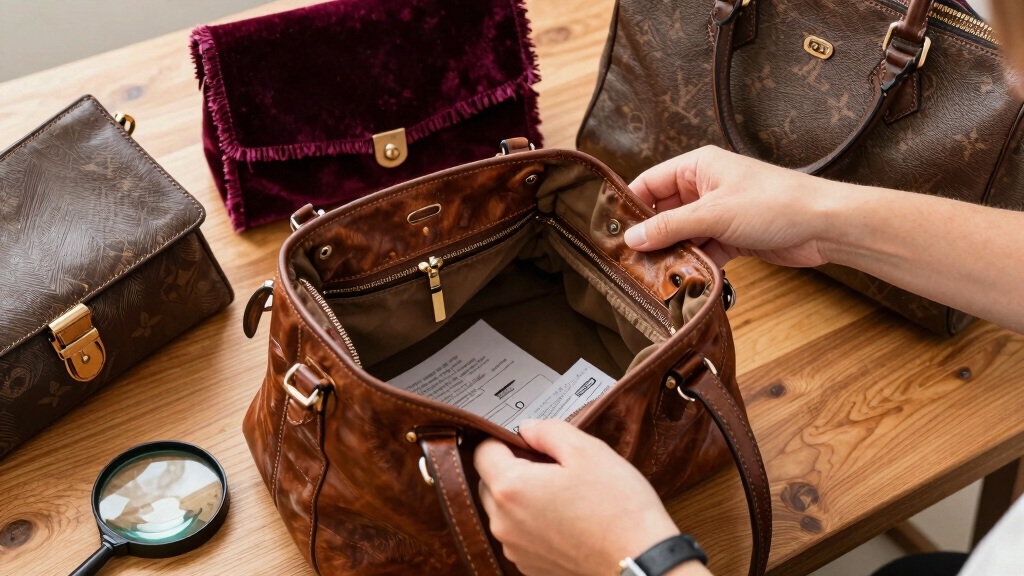
Before you decide what to do with your old handbag, take a close look at its condition. This step can make or break its value.
Assessing your old handbag’s condition is crucial—it can significantly impact its value and future options.
Check for edge wear, stains, or tarnishing. Even minor flaws can slash resale prices considerably. If your bag’s leather is pristine, especially if it’s a vintage piece from the ’80s or ’90s, you’re sitting on a treasure.
Storage matters too. Bags kept in cool, dry places maintain their charm and value longer.
Next, authenticate your handbag. Buyers crave certainty.
Brands like Hermès and Chanel hold strong resale value, but only if authenticity is airtight. Knowing your bag’s condition and market worth sets the foundation for smart choices, whether you’re selling, gifting, or storing it for future investment.
For the most accurate valuation and storage decisions, it’s helpful to measure your handbag’s dimensions precisely to ensure proper fit and compliance with storage or resale standards.
When Should You Keep Handbags as Investments?
Knowing your handbag’s condition and authenticating it lays the groundwork for deciding if it’s worth holding onto as an investment.
You should keep handbags that boast classic styles from top-tier brands like Hermès, Chanel, or Goyard, especially if they’re in pristine condition.
These bags often appreciate 5-15% annually, with rare Hermès Birkins doubling in value over five years.
Avoid trendy pieces that lose up to 80% of value quickly.
Focus on timeless models with strong resale history; they hold or even increase value thanks to exclusivity and heritage.
If your bag retains superior leather quality and minimal wear, it’s a prime candidate.
Maintaining leather suppleness through regular conditioning and care helps preserve a handbag’s value over time.
Ultimately, if your handbag combines rarity, condition, and brand prestige, it’s not just a fashion statement.
It’s a smart investment you’ll want to keep.
How to Authenticate and Store Vintage Handbags?
To protect your investment and guarantee authenticity, you’ll want to start by verifying every detail of your vintage handbag with a sharp eye.
Check logos, stitching, serial numbers, and hardware quality. Next, store your handbags properly to preserve their condition: avoid sunlight and humidity. Keep shape with dust bags or acid-free paper.
| Step | What to Check/Do | Why It Matters |
|---|---|---|
| Logo & Stamping | Crisp, consistent branding | Confirms authenticity |
| Stitching | Even, tight, no loose threads | Indicates quality and origin |
| Serial Number | Matches brand records | Prevents counterfeit concerns |
| Storage Location | Cool, dry, dark place | Prevents fading and damage |
| Support | Use dust bags & stuffing | Maintains shape and leather |
Using dust bags not only protects against dust and dirt but also promotes air circulation to prevent moisture buildup, extending the lifespan of your handbags.
Follow these steps for vintage handbags that stay stunning and valuable.
Where to Sell Old Handbags for Top Resale Value?
Maximize your handbag’s resale value by choosing the right platform tailored to your bag’s brand, rarity, and condition.
Enhance your handbag’s resale value by selecting the ideal platform suited to its brand, rarity, and condition.
For iconic brands like Hermès and Chanel, luxury resale sites such as Rebag and The RealReal can fetch you 80-150% of retail. They leverage AI pricing and expert authentication to ensure top returns.
If you own rarer gems like Goyard or limited-edition Louis Vuitton, consider niche marketplaces that highlight exclusivity.
Don’t overlook auction houses for ultra-rare handbags, where competitive bidding can boost your returns markedly.
When selling, present your bag in pristine condition with professional photos and detailed descriptions to attract serious buyers.
Timing matters too—list during peak resale seasons when demand surges.
Additionally, selecting bags made from durable vegan leather can appeal to ethical fashion buyers and potentially enhance resale interest.
With the right approach, you’ll give your old handbag a new life and maximize your profit effortlessly.
Sustainable Alternatives: Donating or Repurposing Handbags
Many handbags find new purpose beyond resale, offering you a chance to embrace sustainability while clearing your closet. Instead of letting your old bags gather dust, consider donating them to charities or shelters where they can brighten someone’s day and reduce waste.
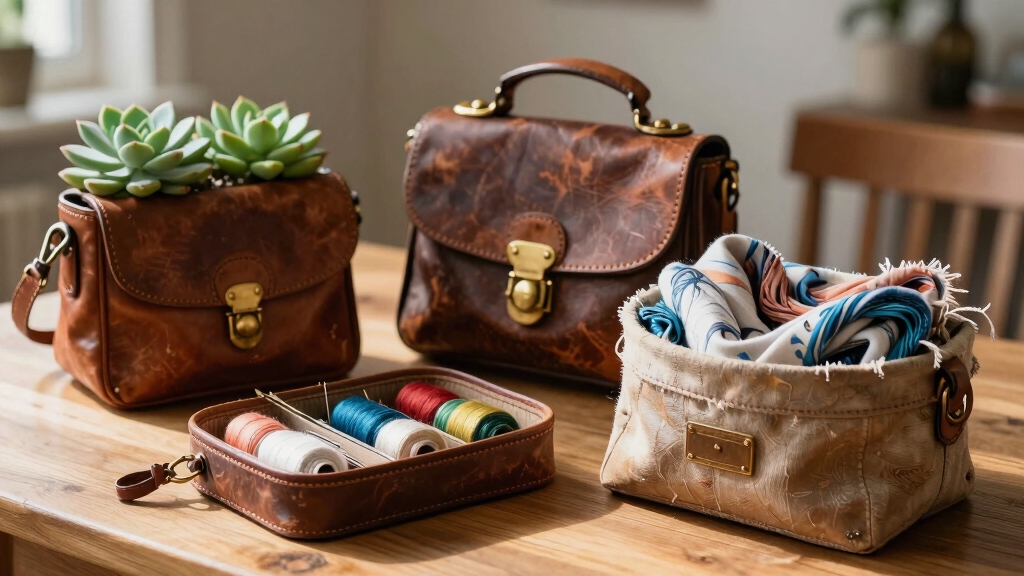
If they’re too worn for donation, get creative. Transform straps into keychains, turn bags into chic storage pouches, or craft unique home décor pieces. Upcycling not only gives your handbag a fresh life but also cuts down on landfill contributions. To ensure your repurposed bags remain in good condition, consider regular gentle cleaning and proper drying as part of their care.
Frequently Asked Questions
How Do Luxury Handbag Resale Trends Affect Future Investment Potential?
Luxury handbag resale trends boost your future investment potential by showing steady value growth, especially for classics like Hermès and Chanel.
You can expect 5-15% annual appreciation, with some rare pieces doubling in value over time.
The booming second-hand market and rising demand for authenticated, well-preserved bags mean your investment isn’t just stylish; it’s smart.
Stay savvy by focusing on iconic, limited-edition bags to maximize returns and ride this luxury wave.
Which Handbag Brands Have the Highest Annual Appreciation Rates?
If you’re hunting for the highest annual appreciation, Hermès Birkin and Kelly bags are your best bet, boasting around 14.2% yearly returns over decades.
Chanel’s Medium Classic Flap follows closely with an 11% average annual gain.
Don’t overlook rare Hermès variants; they can even double in value over five years.
These classics outshine trendy bags, so if you want serious growth, focus on timeless luxury icons that keep climbing in value.
What Role Does Market Timing Play in Maximizing Handbag Resale Profits?
Market timing plays a huge role in boosting your handbag resale profits. You want to sell when demand peaks, like during trends or luxury resale market highs, to score top dollar.
Holding onto classics until the market’s hot can mean 20-30% above retail. Avoid off-seasons or oversaturated markets, as values dip then.
Are Limited Edition Handbags Better Investments Than Classic Styles?
Limited edition handbags can be hidden gems, but classic styles are your steady gold mines.
While limited editions sometimes spike due to rarity, classics like Hermès and Chanel consistently hold or even grow 20-30% above retail.
Their timeless appeal means you’re less likely to watch value fade like a shooting star.
How Does Leather Quality From Specific Decades Impact Handbag Value?
Leather quality from the ’80s to early 2000s seriously boosts your handbag’s value.
You’ll notice those decades used superior, longer-lasting leather that ages beautifully, making your bag more desirable.
If you’ve got a pristine vintage piece with that rich, sturdy leather, expect higher resale prices—sometimes hundreds or thousands more.
Final Thoughts on What to Do With Old Handbags
Now that you know what to do with your old handbags, remember this: the resale market for luxury bags is expected to grow by 12% annually. This proves your closet holds serious value.
Whether you keep, sell, or repurpose, you’re making a smart, stylish move. So, don’t just stash those bags. Turn them into investments, sustainable choices, or statement pieces that keep your fashion game fresh and your impact light.