
Winter Pack List for Warm and Safe Travel

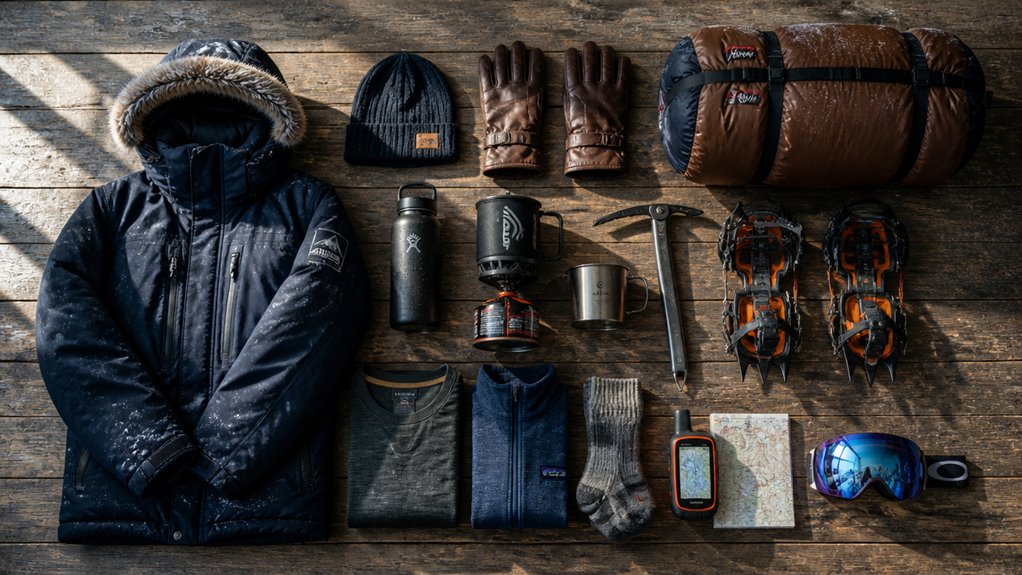
You’ll want moisture-wicking base layers, warm mid layers like fleece or wool, and a waterproof, windproof coat with a hood to stay warm and dry.
Pack insulated, waterproof boots with non-slip soles, wool-blend socks, plus gloves, hats, and neck gaiters for full protection.
Don’t forget hand warmers, skin care essentials, and a compact first aid kit.
Keep important documents safe in waterproof pouches.
For a thorough approach to winter packing and safety, you’re covered here.
Key Takeaways
- Pack moisture-wicking base layers, warm mid layers, and a waterproof, windproof winter coat with a hood for effective cold protection.
- Include insulated, waterproof boots with non-slip soles and multiple pairs of wool or synthetic blend socks for warmth and moisture control.
- Bring cold-weather accessories like two warm hats, insulated gloves, neck gaiters, and disposable hand warmers for versatile protection.
- Carry a compact cold-weather first aid kit with frostbite and hypothermia supplies, plus reliable communication devices for safety.
- Protect skin with rich moisturizers, lip balm with SPF, and sunscreen; organize documents and electronics in waterproof pouches.
How To Layer Up For Winter Travel?
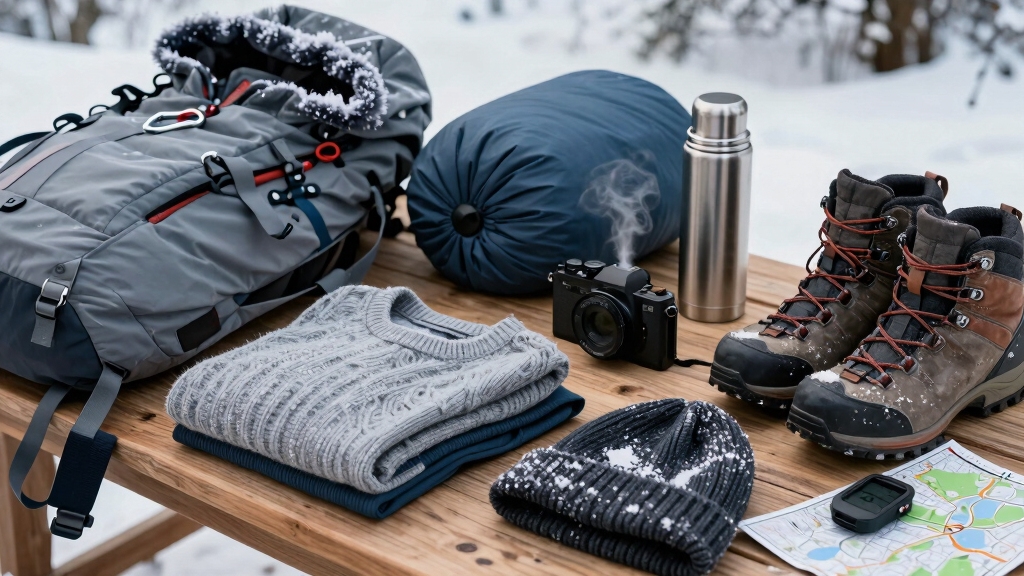
When you layer up for winter travel, start with moisture-wicking base layers like thermal leggings and long-sleeve tops to keep sweat off your skin and maintain warmth.
Next, add mid layers such as fleece jackets, wool sweaters, or cashmere pullovers to trap heat while allowing breathability.
Add mid layers like fleece or wool to retain warmth without sacrificing breathability.
Consider an insulated vest for adjustable warmth without bulk.
For your outer layer, choose a waterproof, windproof winter coat with a hood to block cold air and precipitation.
Depending on your activity, pack additional pants like fleece-lined leggings or insulated snow pants.
Bring 2-3 sets of base layers and a few mid layers to mix and match.
Also, include a casual pair of jeans and one dressier outfit for indoor or evening events.
This layering system guarantees you stay warm, dry, and comfortable throughout your trip.
Be sure to include merino wool socks to stay dry and odor-free during winter hikes.
Cold-Weather Accessories You’ll Want For Winter Travel
After you’ve got your layering system set, focus on the accessories that protect your extremities from biting cold and biting wind.
Pack two warm hats, a primary and a backup, to keep your head insulated, especially if one gets wet.
Choose insulated, waterproof gloves or mittens for harsh conditions, plus lighter gloves for milder days.
Glove liners add an extra barrier and allow versatility.
Don’t forget neck coverage: a scarf, neck gaiter, or balaclava shields your face and throat from icy drafts.
Consider ear protection if your hat doesn’t fully cover them.
Carry disposable hand warmers for extra warmth during prolonged exposure.
Layer these accessories thoughtfully to maintain dexterity and comfort while maximizing protection against cold and wind throughout your winter travels.
For best results, combine these cold-weather accessories with lightweight gloves and fleece beanie to ensure comprehensive warmth in Utah’s higher elevations.
Footwear And Socks For Snow And Ice
When you’re gearing up for snow and ice, it’s super important to choose the right footwear. You’ll definitely want insulated, waterproof boots that have non-slip soles. Trust me, they’ll help you navigate those slippery conditions safely!
Now, let’s talk about socks. Pair those boots with some cozy wool or a synthetic blend. They’re perfect for keeping your feet warm and managing moisture, which is a must in cold weather.
And hey, don’t forget to take care of your footwear! Proper maintenance will help keep them durable and ready for your next adventure. Enjoy the winter wonderland!
For the best experience, look for boots with Vibram or lugged rubber outsoles to ensure superior traction on icy and wet surfaces.
Choosing Waterproof Boots
Start by selecting insulated, waterproof boots designed specifically for snow and ice to keep your feet dry and warm during winter outings.
Look for boots with a sturdy, non-slip sole to provide traction on slippery surfaces. Make certain the insulation rating suits your typical winter temperatures to avoid cold feet.
Choose boots with sealed seams and waterproof membranes like Gore-Tex to prevent moisture penetration. Opt for a comfortable fit that accommodates thick socks without being too tight, allowing for circulation and warmth.
Consider boots with easy-to-use closures such as laces or adjustable straps for a secure fit. Finally, check the boot height—mid-calf or higher helps keep snow out during deep snow or slushy conditions.
Proper footwear is essential for safety and comfort in winter environments. Additionally, selecting gear with lightweight construction can minimize fatigue during extended winter activities.
Wool Socks Benefits
Wool socks consistently provide superior warmth and moisture management, making them ideal for winter conditions involving snow and ice.
They naturally wick sweat away from your skin, keeping your feet dry and reducing the risk of cold, damp discomfort.
Wool’s insulating properties trap heat even when wet, so your feet stay warm throughout snowy hikes or daily winter wear.
You’ll appreciate their durability too; high-quality wool socks resist wear and retain shape after multiple uses.
When you pack 5-7 pairs, you can rotate them to prevent odor buildup and guarantee you always have a dry, comfortable pair ready.
Opt for blends with synthetic fibers for added stretch and faster drying times.
Wool socks are a reliable foundation for footwear in harsh winter environments.
Their thermoregulating properties help maintain consistent foot temperature, enhancing comfort in cold conditions.
Footwear Care Tips
Protecting your footwear from snow and ice extends its lifespan and keeps your feet comfortable in harsh conditions. After each wear, wipe off salt, mud, and moisture with a damp cloth to prevent damage.
Stuff boots with newspaper to absorb moisture and maintain shape while drying away from direct heat, which can crack materials. Apply a waterproofing treatment regularly to sustain water resistance and add traction-enhancing sole grips if needed.
Rotate footwear to allow full drying and reduce wear. For wool or synthetic socks, wash them gently in cold water and air dry to retain insulation and fit.
Properly cared-for boots and socks will perform better, stay durable, and keep your feet warm and dry throughout your winter adventures.
Avoid using harsh scrubbing or abrasive brushes when cleaning to prevent damaging the exterior materials, similar to recommended footwear care practices.
Staying Safe And Healthy On Winter Trips
When you’re gearing up for a winter trip, packing a cold-weather first aid kit is a must. It’s great for handling those minor injuries and keeping frostbite risks at bay.
And hey, don’t overlook skin protection! Lip balm and moisturizer are your best friends in the fight against dryness and chapping.
Oh, and one more thing—make sure you keep all your travel safety documents handy. That includes your passport, insurance info, and emergency contacts. Having everything easily accessible will definitely make your trip smoother. Happy travels!
Also, remember to carry a waterproof compression sack to protect your gear from moisture during winter conditions.
Cold Weather First Aid
Although winter trips offer stunning landscapes and unique adventures, they also bring increased risks of cold-related injuries and illnesses that you need to prepare for.
Pack a compact first aid kit including bandages, antiseptic wipes, pain relievers, and blister care supplies.
Include specific cold-weather items like chemical hand warmers and a heat pack for frostbite or hypothermia emergencies.
Know the signs of frostbite, such as numbness and pale skin, as well as the signs of hypothermia, like shivering and confusion.
Act quickly by warming affected areas gradually.
Carry any necessary prescription medications and inform your travel companions about your medical conditions.
Stay hydrated and nourished to help your body regulate temperature.
Always have a reliable communication device to call for help if needed.
Being proactive with cold weather first aid guarantees a safer, more enjoyable trip.
Also, remember to keep your first aid supplies dry and well-maintained to ensure they are effective when needed.
Skin Protection Essentials
How can you keep your skin healthy during harsh winter conditions? Start by regularly applying a rich moisturizer to combat dryness caused by cold air and indoor heating.
Use a thick hand lotion after washing your hands to prevent cracking. Don’t forget lip balm with SPF to protect against chapping and sun damage.
Sunscreen is essential even in winter since UV rays reflect off snow. Cover exposed skin with scarves, balaclavas, or neck gaiters to shield against windburn and frostbite.
Avoid hot showers that strip natural oils; opt for lukewarm water instead. Pack travel-sized skincare products for convenience and reapply moisturizer throughout your trip.
Staying hydrated by drinking plenty of water also helps maintain skin elasticity. Wearing waterproof hats with UPF protection can further safeguard your skin from harsh winter elements.
These steps guarantee your skin stays safe, comfortable, and healthy during winter travel.
Travel Safety Documents
When traveling in winter, keeping your essential safety documents organized and accessible guarantees you can handle any unexpected situations with confidence.
Pack your passport or ID card, travel tickets, and travel insurance information in a waterproof pouch or zipped compartment in your carry-on.
Include emergency contact numbers, both digital and printed copies, in case your phone dies or gets lost.
Keep prescription medication documentation handy to avoid delays at security or customs.
Having a small first aid kit nearby complements your safety documents, addressing minor injuries promptly.
Before you leave, scan or photograph all important documents and email them to yourself for backup.
Using TSA-approved locks on your luggage can help protect your belongings while allowing security personnel to inspect your bags without damage.
Packing Gear And Weatherproof Essentials
Since winter conditions can change rapidly, packing gear that offers reliable weather protection is essential for staying comfortable and safe.
Start with a waterproof, windproof winter coat featuring a hood to shield you from snow and biting winds. Include insulated, waterproof boots with non-slip soles to navigate icy terrain confidently.
Choose a waterproof, windproof coat with a hood and insulated boots for safe winter adventures.
Use packing cubes and waterproof stuff sacks to organize and protect your clothes and electronics from moisture. Don’t forget repair tape for quick gear fixes in harsh weather.
Bring gaiters if you expect deep snow, and layer your clothing with moisture-wicking base layers, warm mid layers, and a sturdy outer shell.
Gloves, hats, and neck gaiters add vital protection against frostbite. This setup guarantees you’re prepared for sudden weather shifts without overpacking.
Packing Tips And Trip-Specific Extras For Winter Travel
Packing gear that withstands winter’s unpredictability sets the foundation. Fine-tuning your suitcase with trip-specific extras guarantees your comfort and convenience throughout your journey.
Tailor your packing list based on activities. Bring ski pants, goggles, and helmets for winter sports or insulated hiking boots and gaiters for snowy trails.
Don’t forget electronics: pack extra batteries and portable chargers, as cold drains power quickly. Include a compact toiletry kit and detergent sheets for longer stays.
Snacks and entertainment like headphones or travel games keep downtime enjoyable. Always carry essential documents, medications, and a small first aid kit.
Add weatherproof packing cubes and waterproof bags to protect gear. Finally, pack versatile accessories: extra hats, gloves, and hand warmers to adapt swiftly to changing conditions and ensure you stay warm and prepared.
Frequently Asked Questions
How Do I Care for and Store Winter Gear After My Trip?
You should clean your winter gear promptly after your trip.
Wash base layers, mittens, and socks according to care labels.
Air out boots to prevent odor and mold.
Store insulated jackets and sweaters loosely in breathable bags to maintain loft.
Keep waterproof items dry and away from direct sunlight.
Use glove liners and hand warmers only when needed.
Make sure everything is fully dry before packing away to avoid mildew and damage.
What Are the Best Fabrics to Avoid for Winter Travel Clothing?
Imagine you wore cotton on a snowy hike and ended up soaked and shivering.
You want to avoid cotton because it traps moisture and loses insulation when wet.
Instead, skip fabrics like cotton and linen for winter travel. They hold sweat and rain, making you cold.
Focus on moisture-wicking synthetics, wool, or fleece, which dry quickly and keep warmth.
This choice prevents hypothermia and keeps you comfortable in harsh conditions.
How Can I Manage Laundry Without Access to Washing Machines?
You can manage laundry without machines by packing detergent sheets or pods for easy hand washing.
Use a portable sink or a basin to soak and gently scrub your clothes, then rinse thoroughly.
Wring out excess water and hang items to dry using a travel clothesline or hangers.
Prioritize quick-drying fabrics like synthetics or merino wool to speed up drying.
Rotate your clothing to minimize washing frequency and stay fresh on the go.
Are There Travel Insurance Options Specific to Winter Sport Injuries?
Yes, you can get travel insurance tailored for winter sport injuries.
Imagine skiing down a slope and suddenly twisting your knee.
Without proper coverage, medical bills can skyrocket.
These plans cover accidents, emergency evacuations, and equipment loss specifically for activities like skiing or snowboarding.
Make sure to check policy details for coverage limits and exclusions, so you’re fully protected during your winter adventures without any unexpected costs.
How Can I Prevent Condensation Inside My Winter Boots?
To prevent condensation inside your winter boots, make sure they’re completely dry before you wear them.
Use moisture-wicking socks and avoid cotton, which traps sweat.
After use, stuff boots with newspaper or use boot dryers to absorb moisture.
Store them in a well-ventilated area, not sealed in plastic.
If you get caught in wet snow, change socks promptly and dry boots with a low heat source to avoid damp buildup.
Final Winter Packing Tips for Safer Travel
As you gear up for winter travel, think of layering like building a fortress against the cold. Each piece adds strength and warmth.
Don’t forget trusty accessories, sturdy footwear, and weatherproof gear to stay safe and comfortable.
Pack smart by tailoring your list to your destination and activities. You’ll be ready for anything winter throws your way.
With these essentials, you’ll turn frosty challenges into cozy adventures, no matter the chill.