
X Pac vs Cordura: Which Should You Choose?

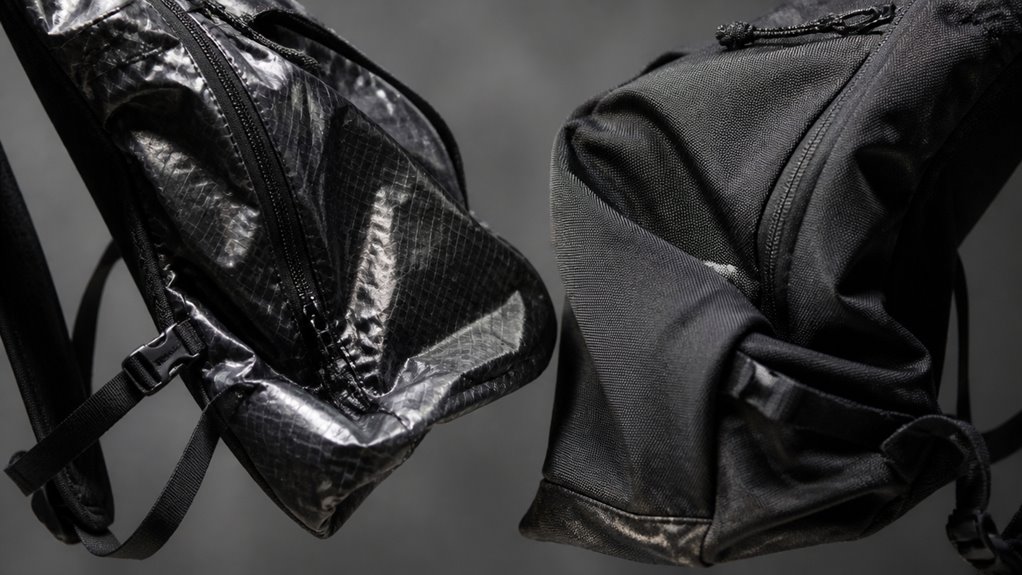
When choosing between X-PAC and Cordura, consider your priorities: X-PAC’s laminated structure offers integrated waterproofing and superior multi-directional tear resistance while staying lightweight.
Cordura provides rugged abrasion durability with a tough woven texture but relies on coatings that wear off, adding weight over time.
X-PAC suits tactical, moisture-exposed gear. Cordura fits outdoor, abrasion-heavy use at lower cost.
Understanding these technical differences will clarify which fabric best matches your specific performance and durability needs.
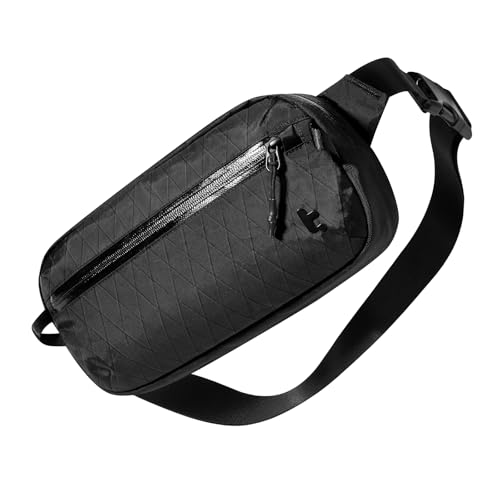
- Adjustable Carrying Options: The 3.5L Aviator-T35 X-Pac SlingBag can seamlessly convert into a…
- Enhanced Security & Durability: Features RFID protection to guard against unauthorized scanning and…
- Tri-compartment Storage: The large size chest bag offers ample space on the go, ideal for more…


- COMPACT 11″ x 7″ x 6″ SIZE – MEASURE BEFORE YOU BUY: This is a small everyday carry bag (about…
- DURABLE WAXED CANVAS BUILD: Made from 100% cotton waxed canvas with a water-resistant finish and…
- 2-COMPARTMENT ORGANIZATION: A roomy main compartment plus interior pocket keep tools, clothes, and…
Key Takeaways
- X-PAC features a lightweight, laminated structure with integrated waterproof film and X-Ply reinforcement for superior tear resistance and weight stability.
- Cordura offers a rugged, dense woven nylon fabric with excellent abrasion resistance but depends on DWR coatings for water resistance that degrade over time.
- X-PAC provides built-in waterproofing and maintains performance under moisture, while Cordura absorbs water and gains weight as coatings wear off.
- Cordura is favored for cost-effective, abrasion-heavy outdoor gear, whereas X-PAC suits tactical and urban applications requiring durability and waterproofing.
- Hybrid designs combine X-PAC panels for waterproofing and tear resistance with Cordura in abrasion zones, balancing durability, weight, and cost.
X-PAC Fabric: Composition and Construction
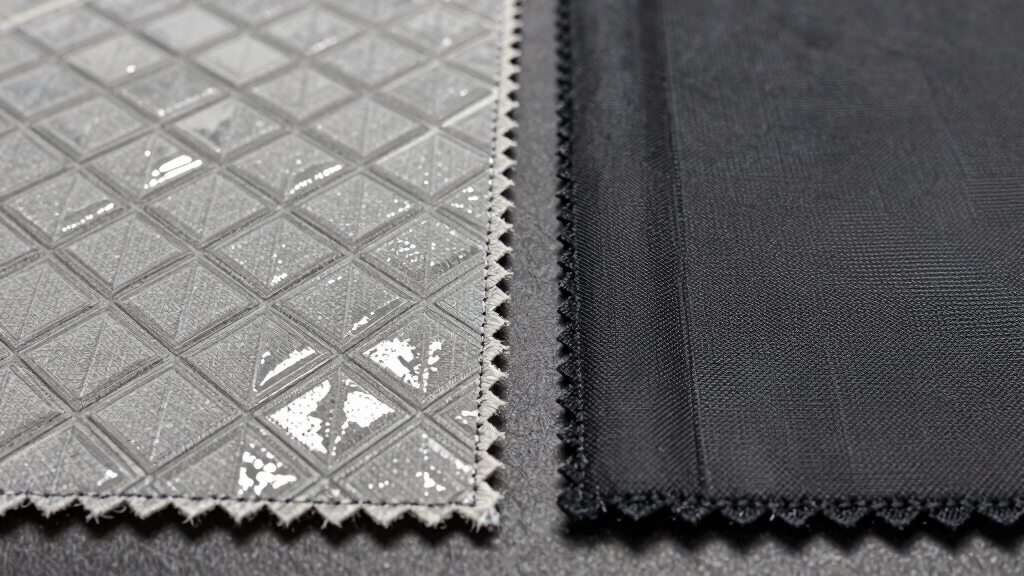
X-PAC fabric integrates multiple layers into a single composite structure, combining outer nylon or polyester with a waterproof film and an inner X-Ply reinforcement layer.
The outer layer provides abrasion resistance, while the waterproof film guarantees impermeability without extra coatings.
The inner X-Ply layer, constructed from cross-ply polyester or Vectran® threads, markedly enhances tear resistance by distributing stress across multiple directions.
This multi-layer lamination creates a lightweight yet robust fabric, ideal for demanding applications.
Unlike traditional textiles, X-PAC’s integrated construction reduces manufacturing steps and potential defects linked to applying external waterproof treatments.
When you choose X-PAC, you’re leveraging a precisely engineered material that balances durability, weight, and weather protection through its innovative composite design.
Its combination of materials results in marine-grade durability suitable for extreme weather conditions.
Cordura Fabric: Unique Construction Features
While composite laminated fabrics like X-PAC offer integrated waterproofing and tear resistance, Cordura fabric takes a different approach through its construction.
Composite laminates like X-PAC combine waterproofing and tear resistance, whereas Cordura relies on its woven construction.
It relies on a dense weave of medium-weight nylon fibers, typically 500 denier, which grants exceptional abrasion resistance and durability. Unlike X-PAC, Cordura lacks a built-in waterproof layer; instead, it depends on additional Durable Water Repellent (DWR) coatings to provide water resistance.
The fabric’s tightly woven structure enhances strength but adds weight compared to composite alternatives. Cordura’s construction prioritizes ruggedness and long-term wear under abrasive conditions, making it ideal for gear exposed to rough surfaces.
However, its absence of inherent tear resistance reinforcement means it performs differently under high-stress loads, emphasizing abrasion over tear strength. This fundamental difference defines Cordura’s unique place in technical fabric applications.
Military-grade fabrics like 1000 denier CORDURA® nylon are engineered with reinforced stitching and heavy-duty hardware to significantly extend durability and lifespan compared to typical civilian nylon.
Waterproof Performance: X Pac vs Cordura
Because waterproofing directly impacts gear performance in adverse conditions, understanding the differences between X-PAC and Cordura is essential.
X-PAC integrates a waterproof film within its laminated structure, delivering certified IPX and MIL-SPEC weather protection without extra coatings. This built-in impermeability maintains fabric integrity and weight stability even under prolonged moisture exposure.
Conversely, Cordura lacks inherent waterproofing, relying on Durable Water Repellent (DWR) coatings that degrade over time. This leads to water absorption and increased fabric weight.
You’ll notice Cordura’s performance diminishes in wet environments unless recoated regularly. Choosing X-PAC means you get consistent, maintenance-free waterproofing ideal for critical applications.
In contrast, Cordura suits scenarios where abrasion resistance is prioritized over waterproofing or where cost constraints limit the use of composite laminates like X-PAC.
Many high-quality dry bags use materials such as waterproof PVC or laminated fabrics to ensure durable and reliable water protection.
Tear Resistance and Durability: X Pac vs Cordura
Waterproofing affects not only moisture protection but also fabric longevity under stress.
X-PAC’s laminated structure with X-Ply reinforcement provides superior tear resistance, making it ideal for high-stress applications.
Cordura, while highly abrasion-resistant, depends on tightly woven nylon fibers without inherent waterproofing, which can degrade durability when coatings wear off.
Key differences include:
- X-PAC resists tearing due to its cross-ply reinforcement layer, prolonging lifespan in tactical environments.
- Cordura excels in abrasion resistance but may lose durability if water-repellent coatings degrade.
- X-PAC maintains structural integrity longer in wet conditions, unlike Cordura, which absorbs moisture when uncoated.
- Both fabrics are durable, but X-PAC’s engineered tear resistance offers better performance under concentrated stress.
Choosing between them depends on your durability needs and exposure to moisture. Additionally, selecting materials with enhanced durability is crucial for long-term performance in demanding environments.
Weight Impact on Performance: X Pac vs Cordura
Frequently, the weight of fabric plays a critical role in the performance of outdoor gear, particularly in applications where every ounce matters.
X-PAC’s multi-layer laminate design integrates reinforcement and waterproofing without added coatings, resulting in a lighter material compared to Cordura’s denser woven nylon structure.
You’ll notice that X-PAC maintains strength and tear resistance while reducing bulk, which enhances mobility and reduces fatigue during extended use.
Cordura, while abrasion-resistant, carries additional weight, especially when treated with DWR coatings that can absorb moisture, further increasing overall load.
For gear like backpacks or tactical vests, this weight difference translates directly into performance gains.
Choosing X-PAC lets you optimize for lightweight durability and water resistance, whereas Cordura’s heavier profile may limit efficiency in weight-sensitive scenarios.
In addition, selecting materials with water resistance and durability features is crucial for maintaining comfort and support in backpacks designed for prolonged use.
Choosing Between X Pac and Cordura: A Decision Guide
Having examined how weight influences performance, your choice between X-PAC and Cordura should also consider specific application requirements and material properties.
Weight impacts performance, but application needs and material traits are equally crucial when choosing between X-PAC and Cordura.
You need to balance waterproofing, tear resistance, abrasion resistance, and manufacturing efficiency. Here’s a precise guide to help you decide:
- Waterproofing Needs: Choose X-PAC for built-in waterproofing. Cordura requires coatings that may degrade.
- Durability Priorities: Opt for Cordura if abrasion resistance in rough conditions is critical. Select X-PAC for superior tear resistance.
- Weight Sensitivity: X-PAC is lighter, ideal when weight reduction is essential.
- Production Considerations: X-PAC simplifies manufacturing by eliminating coating steps. This reduces defects and long-term maintenance.
- When customizing gear made from these materials, consider the compatibility of patches to maintain fabric integrity and appearance.
Ideal Applications: Tactical, Outdoor, and Everyday Gear
When selecting materials for tactical, outdoor, or everyday gear, you must evaluate how each fabric’s properties align with the demands of your specific use case.
X-PAC excels in tactical environments where tear resistance and waterproofing are non-negotiable. It’s ideal for backpacks, vests, and pouches exposed to high stress and wet conditions. Its lightweight nature supports extended mobility without sacrificing durability.
Cordura, conversely, offers superior abrasion resistance at a lower cost. It performs well in everyday carry items and outdoor gear subjected to scraping and rough terrain but not constant moisture.
If your priority is cost-efficiency and abrasion durability without requiring built-in waterproofing, Cordura fits well. Understanding these distinctions allows you to optimize gear performance by matching material strengths to operational needs.
For gear exposed to wet and rugged conditions, materials with water resistance and easy maintenance are crucial considerations.
Hybrid Designs: Combining X Pac and Cordura Strengths
Although X-PAC and Cordura each excel in distinct areas, combining their properties in hybrid designs lets you leverage waterproofing and tear resistance alongside abrasion durability.
Combining X-PAC and Cordura harnesses waterproofing, tear resistance, and abrasion durability in hybrid gear designs.
This fusion optimizes gear performance by strategically placing materials where their strengths matter most.
You can enhance overall durability without adding unnecessary weight or compromising weather resistance.
Key considerations include:
- Use X-PAC in large panels for waterproofing and superior tear resistance.
- Apply Cordura in high-abrasion zones to maximize surface durability.
- Employ precise bonding techniques to maintain structural integrity between layers.
- Design for weight balance, exploiting X-PAC’s lightweight nature against Cordura’s ruggedness.
Additionally, integrating lamination or coating treatments on X-PAC panels can further reduce moisture ingress and enhance waterproof performance.
Cost and Manufacturing Efficiency: X Pac vs Cordura
Since X-PAC integrates waterproofing directly into its laminate structure, you won’t need additional coating processes required by Cordura. This simplifies production and reduces potential manufacturing defects.
This streamlined manufacturing approach can lower labor and quality control costs, enhancing overall efficiency. While X-PAC’s material cost aligns closely with coated Cordura, its elimination of secondary waterproofing treatments offsets expenses.
Cordura’s reliance on durable water repellent (DWR) coatings demands ongoing maintenance and reapplication, increasing long-term costs and complicating manufacturing workflows. Additionally, Cordura’s heavier fabric weight can affect cutting and sewing speeds, marginally raising production time.
Choosing X-PAC means you gain a consistent, defect-reduced manufacturing process with comparable upfront costs but lower lifecycle expenses. This makes it a cost-effective solution for high-performance gear requiring reliable waterproofing and durability.
Furthermore, X-PAC’s combination of waterproof resilience and organized compartments supports functional designs ideal for urban commuters and professionals.
Visual Style and User Preferences: What Drives Choice
You’ll notice that X-PAC has this modern, sleek aesthetic that really catches the eye. It’s perfect for those of us who appreciate contemporary design and waterproof performance.
On the other hand, Cordura brings a more traditional, rugged look to the table. Many users love it for its utilitarian vibe and abrasion-resistant qualities.
Additionally, choosing a backpack material often depends on its abrasion resistance and durability to match different usage needs.
Modern Versus Traditional Look
When choosing between X-PAC and Cordura, your decision often hinges on the visual style that aligns with your gear’s intended use and personal preference.
X-PAC offers a sleek, modern aesthetic with a smooth, slightly reflective surface that complements urban and tactical designs.
Cordura presents a traditional, matte finish known for its rugged, utilitarian appeal, favored in military and outdoor gear.
Consider these factors when deciding:
- X-PAC’s clean, high-tech look suits premium, performance-oriented gear.
- Cordura’s coarse weave projects durability and heritage.
- Urban users often prefer X-PAC for its contemporary style.
- Outdoor enthusiasts value Cordura’s classic, proven ruggedness.
Your choice reflects functional priorities and visual identity, influencing gear perception and user satisfaction.
Aesthetic Appeal Impact
How much does aesthetic appeal influence your choice between X-PAC and Cordura?
You’ll find that X-PAC’s sleek, modern finish attracts users prioritizing premium looks and waterproofing.
Conversely, Cordura’s rugged, utilitarian design appeals to those valuing traditional toughness and abrasion resistance.
Your preference often hinges on whether you favor cutting-edge style or reliable, classic visuals.
| Feature | X-PAC | Cordura |
|---|---|---|
| Visual Style | Sleek, modern, premium | Rugged, traditional, utilitarian |
| User Appeal | Urban travelers, performance-focused | Outdoor enthusiasts, budget-conscious |
| Market Perception | High-end, innovative | Trusted, durable |
Ultimately, your decision balances visual impact against functional expectations within your gear’s context.
User Priorities in Gear
User priorities in gear selection hinge on balancing visual style with functional performance. When choosing between X-PAC and Cordura, you weigh aesthetics against practical demands such as durability and waterproofing. Your preference depends on the specific use case and environment.
Consider these key factors:
- Performance Needs: X-PAC offers superior tear resistance and built-in waterproofing. This makes it ideal for tactical or wet conditions.
- Visual Style: X-PAC has a sleek, modern look. Cordura presents a rugged, traditional appearance.
- Weight Constraints: X-PAC is lightweight, benefiting users who prioritize reduced load.
- Cost Efficiency: Cordura is budget-friendly but may require maintenance coatings. X-PAC’s integrated waterproofing reduces upkeep.
Ultimately, your choice reflects a strategic balance between appearance, durability, and operational requirements.
Frequently Asked Questions
How Do X Pac and Cordura Fabrics Compare in Environmental Impact?
You’ll find both X-PAC and Cordura have similar environmental footprints since they’re synthetic fabrics derived from petrochemicals.
However, X-PAC’s laminated structure can complicate recycling compared to Cordura’s woven nylon, which is somewhat easier to repurpose.
Neither fabric is biodegradable, so your best bet is to maximize gear longevity.
Choosing either means balancing durability against end-of-life environmental challenges, with Cordura offering slightly better recyclability but requiring additional coatings that may impact sustainability.
Are There Special Care Instructions for Cleaning X Pac Versus Cordura?
You should clean X-PAC with mild soap and cold water, avoiding harsh detergents or bleach to protect its laminated waterproof layers.
Gently wipe and air dry to preserve integrity.
Cordura requires similar care but tolerates gentle machine washing on cold and mild detergent.
Avoid fabric softeners to maintain its DWR coating.
Both fabrics benefit from spot cleaning and should never be ironed or dry-cleaned to prevent damage.
Can X Pac or Cordura Be Easily Repaired if Damaged?
You can repair both X-PAC and Cordura, but their approaches differ.
Cordura is easier to patch with standard fabric patches or sewing due to its woven nylon structure.
X-PAC’s laminated layers and waterproof film complicate sewing repairs, often requiring adhesive patches or specialized tape to maintain waterproof integrity.
For high-stress or tear damage, X-PAC’s internal reinforcement aids durability but limits straightforward field repairs compared to Cordura’s flexible fabric.
What Is the Availability of X-Pac Compared to Cordura Globally?
You won’t find X-PAC in every corner store worldwide. It’s more of a specialized, niche material, primarily available through select suppliers and manufacturers focused on technical gear.
Cordura, on the other hand, enjoys near-ubiquitous global availability thanks to decades of widespread production and diverse applications.
If you need consistent, broad access, Cordura’s your go-to. For cutting-edge performance fabrics, you’ll have to seek out X-PAC distributors or direct manufacturers.
How Do These Fabrics Perform in Extreme Temperature Conditions?
You’ll find both fabrics handle extreme temperatures well, but with differences.
X-PAC’s laminated structure resists heat degradation better, maintaining waterproof integrity and tear resistance in high temperatures.
Cordura’s nylon fibers tolerate cold and heat but can lose durable water repellent coatings under thermal stress, reducing water resistance.
In freezing conditions, Cordura remains flexible, while X-PAC’s films can stiffen slightly.
Choose based on whether waterproofing or abrasion resistance under temperature extremes matters more to you.
Waterproof Protection or Rugged Abrasion Strength?
When choosing between X-PAC and Cordura, remember that “the best tool for the job wins.”
X-PAC offers superior waterproofing and lighter weight, ideal for precision gear where water resistance matters.
Cordura excels in tear resistance and rugged durability, perfect for heavy-duty use.
Your choice hinges on prioritizing weight versus abrasion strength.
For peak performance, consider hybrid designs that leverage both fabrics’ strengths, balancing cost, durability, and functionality.
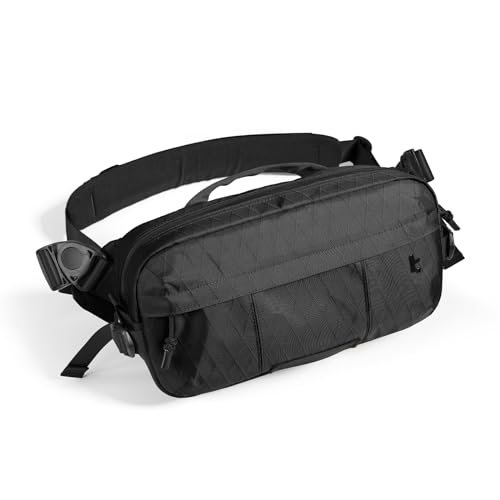
- Urban Wander Aesthetic: Embrace the charm of the tomtoc Wander-T26 Sling, designed for city…
- Durability Enhanced by X-Pac: The front fabric is now enhanced with X-Pac, making the sling…
- Thoughtful City Life Distribution: The 5.5L main compartment is roomy for city essentials. A…
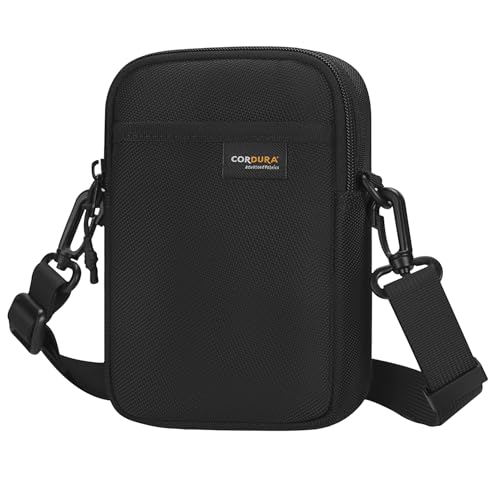
- PREMIUM 1680D CORDURA FABRIC: Crafted from officially licensed 1680D CORDURA nylon. This…
- COMPACT YET SPACIOUS: Dimensions: 4.92″ x 1.96″ x 7.08″ (12.5x5x18cm); Weight: Only 108g. Designed…
- 3-WAY VERSATILE CARRY: Adapts to your style with three wearing options: 1) Use the adjustable…
Last update on 2026-09-17 / Affiliate links / Images from Amazon Product Advertising API