
What to Write on Luggage Tags: What to Include?

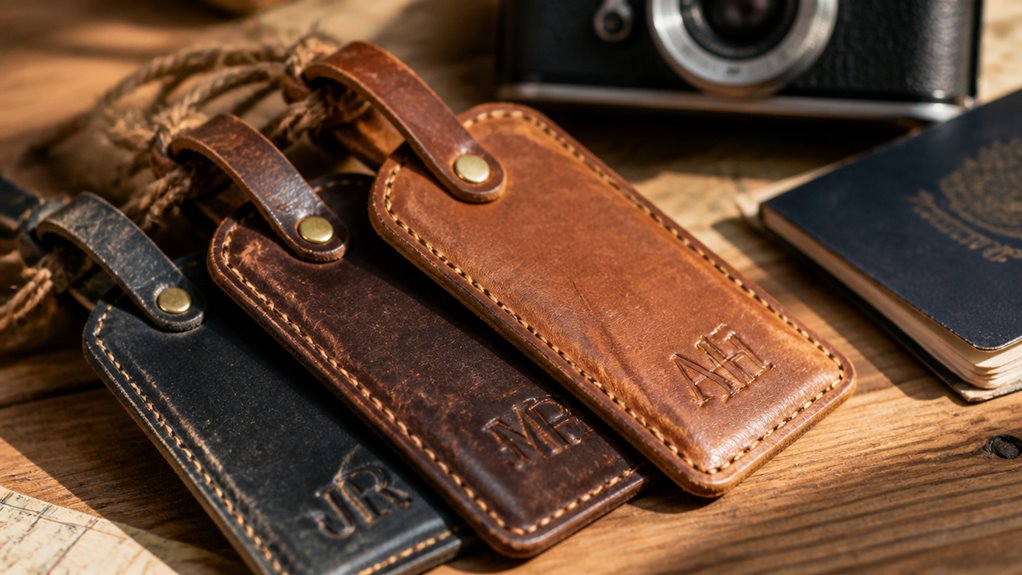
You should write your first initial plus last name on your luggage tag to identify your bag without exposing too much. Include a cell phone number with country code for quick international contact, plus a secondary phone or email as backup.
Avoid full home or temporary addresses to protect your privacy. Use clear, bold text for easy reading and attach the tag securely where staff can spot it but casual onlookers cannot.
Keep your info current and tucked safely inside your bag too. Discover how to balance visibility with privacy and keep your luggage tag effective.
Key Takeaways
- Include your first initial and last name plus a primary phone number with country code for quick, international contact.
- Add a secondary phone number and email as backups to ensure you remain reachable if the primary contacts fail.
- Avoid listing full home or temporary addresses to protect privacy and prevent theft or scams.
- Use clear, bold, legible text in large fonts on durable tags, positioning information outward for easy scanning.
- Attach tags securely to sturdy handles with durable loops or clasps and keep an internal backup card with full contact details.
What Essential Contact Details Should Your Luggage Tag Have?
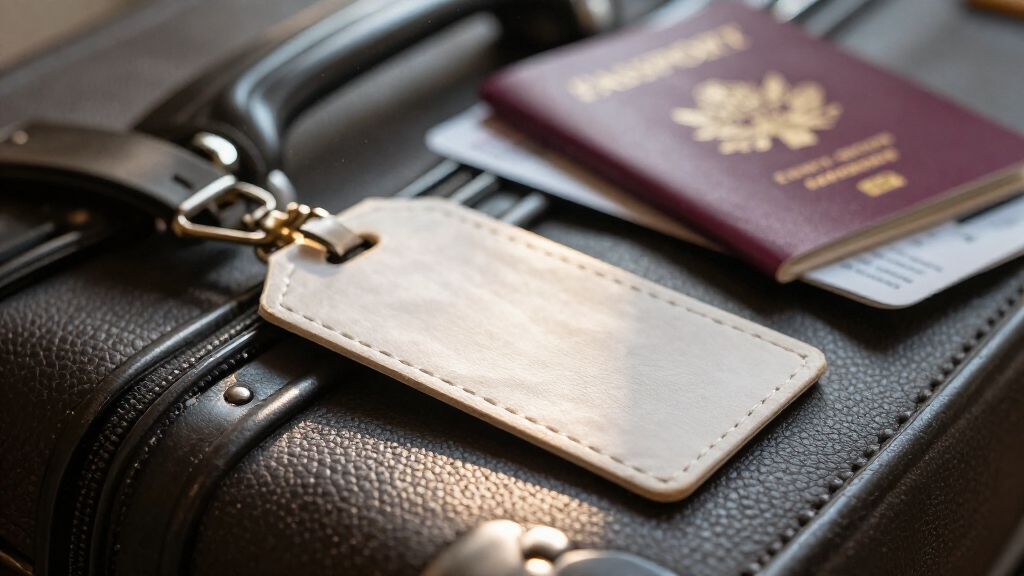
When you prepare your luggage tag, including essential contact details guarantees your bag can find its way back to you if it gets lost.
Including key contact details on your luggage tag ensures your bag can be returned if lost.
Start with your full name or at least your first initial plus last name, which helps baggage handlers confirm ownership while limiting exposure.
Make sure to add your cell phone number, including the country code if you’re traveling internationally. This is the most reliable way for someone to reach you quickly.
Including an email address offers a vital backup contact, especially if your phone isn’t accessible.
While some travelers add a return address, it’s often better to keep that off the front to protect your privacy.
For enhanced security and quick recovery, consider using luggage tags with QR codes that allow finders to report lost bags instantly.
How to Format Your Luggage Tag for Clear, Easy Reading?
When you’re prepping your luggage tag, you want it to be super easy to read at a glance. So, whether you’re using clear, legible handwriting or a printed label, make sure it really stands out. You want airline staff to spot your info quickly, right?
But here’s the thing: while visibility is key, you also want to keep your details a bit private. Try to position the information where casual onlookers can’t snoop. It’s all about finding that sweet spot between making your tag clear for staff and keeping your personal info secure.
Balancing these two things not only speeds up baggage identification but also gives you peace of mind. Remember to include essential contact details while considering airline size and weight limits to ensure smooth handling of your luggage.
Legible Handwriting Or Print
Clear, easy-to-read luggage tags greatly increase the chances of your bag being quickly identified and returned if lost.
Whether you choose handwriting or printed labels, legibility is key. If you write by hand, use a bold, black pen and print in uppercase letters to avoid confusion.
Script or cursive can be hard to decipher, especially in a hurry. Alternatively, printing your information on a label using a computer guarantees clarity and neatness.
Keep the font size large enough to read without squinting, and avoid overcrowding the tag with too many details. Clear formatting lets baggage handlers scan your essential contact info instantly, speeding up recovery.
Using durable materials for your luggage tags ensures they withstand rough handling and remain legible throughout your travels.
Visible Yet Private Placement
Legible handwriting or print sets the stage, but placing your luggage tag where it can be easily seen without exposing too much personal information is just as important.
You want airline staff to spot your bag quickly, but keep curious eyes from snooping. Position your tag strategically by:
Attaching it to a sturdy handle or strap, ensuring it faces outward for easy scanning.
Using a privacy-focused tag that conceals details unless flipped or opened.
Avoiding spots where tags can be smudged, bent, or hidden under folds or pockets.
This balance of visibility and privacy helps protect your identity while enabling swift bag recovery.
Update your tag regularly and double-check visibility before every trip to keep your contact info both accessible and secure. Including your tag placement with consideration for luggage size measurement can also help ensure smooth handling during travel.
What Information to Avoid Including on Your Luggage Tag?
When it comes to your luggage tag, it’s best to skip including your full home address. This helps protect your privacy and keeps your information secure. Nobody wants strangers knowing where they live, right?
Also, try to avoid adding temporary travel details like hotel addresses. These can change quickly, and you don’t want to accidentally share your itinerary with the world.
Keeping your tag simple is the way to go. It not only prevents unwanted exposure but also makes it easier to recover your bags if they happen to get lost. So, just stick to the essentials!
For added security and ease of identification, consider using bright tags or straps on your luggage to quickly spot your bag among others.
Avoid Full Home Address
Although including your full home address on a luggage tag might seem helpful, it’s best to avoid doing so for privacy and security reasons.
Displaying your exact residence invites unnecessary risks, such as identity theft or unwanted attention while you’re away.
Instead, keep your personal information minimal yet functional.
Think about the potential consequences of showing your home address openly:
Someone noticing your empty house could target it for burglary.
Strangers might track your travel patterns or personal habits.
Lost bags with detailed addresses make you vulnerable to scams.
Opt for safer alternatives like your name, a phone number with country code, or an email address.
This way, you stay reachable without exposing sensitive details that could compromise your security or privacy.
Additionally, using TSA-approved locks on your luggage can enhance security and reduce the risk of unauthorized access during travel.
Skip Temporary Travel Details
Since temporary travel details like hotel addresses or short-term accommodations often change, including them on your luggage tag can do more harm than good.
These details quickly become outdated, leading to confusion or lost luggage if handlers rely on incorrect information.
Plus, listing your current location reveals your travel plans, which could compromise your privacy and security.
Instead, stick to stable contact information like your name, phone number with country code, and email address.
These remain constant regardless of where you stay.
Avoid overcrowding your tag with unnecessary specifics that clutter readability.
Remember, the goal is to help someone return your bag without exposing sensitive or fleeting details.
Keeping your luggage tag simple and timeless guarantees it stays effective throughout your journey.
Using durable materials with features like drawstrings or closures can also ensure your tag remains securely attached and protected during travel.
Balancing Privacy and Contactability on Your Luggage Tag
When protecting your privacy on a luggage tag, you still need to make sure someone can reach you if your bag gets lost. Striking the right balance means sharing just enough information to aid recovery without exposing sensitive details.
You can achieve this by using your first initial and last name to identify your bag without revealing too much. List a cell phone number with country code, so you’re reachable internationally.
Avoid your full home address or temporary destinations, which may compromise your security. Keep your tag clear and legible, using printed inserts if possible.
Position your tag where airline staff can easily spot it but away from plain view of strangers. These steps help guarantee your luggage stays safe and contactable, without sacrificing your privacy.
Additionally, using bright luggage tags can help hosts and transit staff quickly identify your bags when arranging early drop-off or storage options.
Why Adding a Secondary Email or Phone Number Helps Protect Your Privacy?
Adding a secondary email or phone number on your luggage tag gives you an extra layer of protection without sacrificing accessibility.
If your primary contact details become overwhelmed with spam or are temporarily unreachable, the secondary option guarantees someone can still contact you to return your bag.
This backup also helps shield your main inbox or phone number from unwanted attention, preserving your privacy. You can use a secondary email designed specifically for travel or a different phone number that’s less personal.
By doing this, you minimize the risk of exposing sensitive information while keeping your luggage findable.
Plus, if you’re traveling internationally, a secondary contact with the appropriate country code boosts your chances of quick recovery, even if your primary number faces connectivity issues.
To further ensure smooth travel, consider the importance of confirming airline policies related to carry-on items like diaper bags, as this can prevent surprises during your journey.
How Privacy-Focused Luggage Tags Keep Your Data Safe?
Although you want your luggage to be easily identified, exposing too much personal information can put your privacy at risk.
Privacy-focused luggage tags help you strike the perfect balance between visibility and security. They protect your data from prying eyes while ensuring your bag can be returned if lost.
These tags cleverly conceal details or limit exposure through thoughtful design choices such as:
- Reversible inserts that hide your contact info from casual observers
- Minimalistic information formatting, showing only essential details
- Secondary, less personal email addresses that keep your main inbox private
Using RFID-blocking materials in luggage tags can also prevent unauthorized scans of your personal data with RFID protection.
How to Attach and Update Your Luggage Tag Securely?
To keep your luggage tag both visible and secure, you’ll want to attach it firmly using durable hardware that won’t break or stretch during your travels. Use strong loops or metal clasps to fasten the tag to your bag’s handle, ensuring it won’t slip off. Always update your contact details before each trip to keep them current and useful.
| Attachment Method | Durability | Ease of Use |
|---|---|---|
| Metal clasp | High | Quick |
| Plastic loop | Medium | Flexible |
| Zip tie | High | Single-use |
Regularly check your tag’s condition and replace it if worn. Keeping your tag updated and securely attached helps lost luggage find its way back to you effortlessly.
Why You Should Include Internal Contact Info Inside Your Bag?
When your external luggage tag gets damaged or lost during travel, having your contact information tucked safely inside your bag guarantees there’s still a way for finders to reach you.
This simple step creates a reliable backup, increasing the chances your luggage finds its way back to you. Inside your bag, you can keep detailed info without worrying about privacy or exposure.
Consider including:
- A printed card with your full name, phone number (with country code), and email address for clarity.
- A secondary email or alternative contact method that’s not visible on the outside.
- A discreet, waterproof sleeve or pocket inside your suitcase to protect the information from damage.
This internal contact info makes certain your bag can be identified even if the external tag fails.
Tips for Keeping Your Luggage Tag Information Current Before Every Trip
Regularly updating your luggage tag information guarantees that your contact details are accurate and effective every time you travel.
Before each trip, take a moment to review your tag and confirm your phone number includes the correct country code, especially for international journeys.
Check that your email address is current and consider adding a secondary one for privacy.
Use clear, printed labels rather than handwriting to improve readability.
Replace worn or damaged tags and secure them tightly with durable loops to prevent loss.
Avoid outdated hotel addresses or temporary info that can confuse handlers.
Keeping your details fresh not only speeds up recovery if your bag goes missing but also keeps your personal data secure.
Make this a routine; it’s a small step with big peace of mind.
Frequently Asked Questions
Can I Use a Nickname Instead of My Full Name on Luggage Tags?
You can use a nickname on your luggage tag, but it’s best to include a name that baggage handlers or finders can easily recognize as yours.
If your nickname is well-known or linked to your identity, it might work. However, using your full name or at least your first initial and last name improves the chances your bag gets returned quickly.
Pair it with a reliable phone number and email for the best results.
Are There Specific Luggage Tag Materials That Are More Durable?
Think of your luggage tag like a reliable hiking boot. If it’s not tough, it won’t survive the journey.
You’ll want materials like silicone, leather, or thick plastic, which resist wear and tear.
In fact, silicone tags are popular for their flexibility and water resistance, perfect for rough handling.
Avoid flimsy paper or thin plastic tags that crack or tear easily.
Choosing durable materials keeps your contact info safe throughout every trip.
How Do Airline Policies Affect Luggage Tag Requirements?
Airline policies often dictate what details you must include on your luggage tag and how it should be securely attached.
Some require clear, legible tags with your name and contact info to help identify lost bags quickly.
Others may have rules on tag size or materials for durability.
You’ll want to check each airline’s guidelines to make certain your tag meets their standards.
This helps avoid delays or lost baggage issues during travel.
Can Color-Coding Luggage Tags Help in Identifying Bags Faster?
You mightn’t realize it, but color-coding your luggage tags can speed up bag spotting immensely.
Bright, distinctive colors stand out on crowded carousels, helping you zero in on your suitcase in seconds.
By choosing a unique hue or pattern, you reduce mix-ups and stress.
Plus, color-coding lets you group bags by family members or trip segments, making travel smoother and more organized without sacrificing style or security.
What Should I Do if My Luggage Tag Is Lost During Travel?
If your luggage tag gets lost during travel, don’t panic.
First, report your lost bag to the airline immediately and provide detailed descriptions plus your contact info.
Use any internal identification you placed inside the suitcase as backup.
Update your contact details with the airline to make certain they can reach you easily.
Also, keep digital copies of your tag info handy on your phone for quick reference and faster recovery chances.
Make Lost Luggage Easier to Identify and Recover
You might think luggage tags are just simple labels, but they’re your first line of defense in a travel mishap.
By including essential contact details while keeping privacy in mind, you ensure your bag finds its way back to you.
It’s no coincidence that clear formatting and updated info make all the difference.
So, take a moment before each trip to review and secure your tag. Your peace of mind will thank you when it matters most.