
Where to Leave Bags When Traveling Before Check-In?

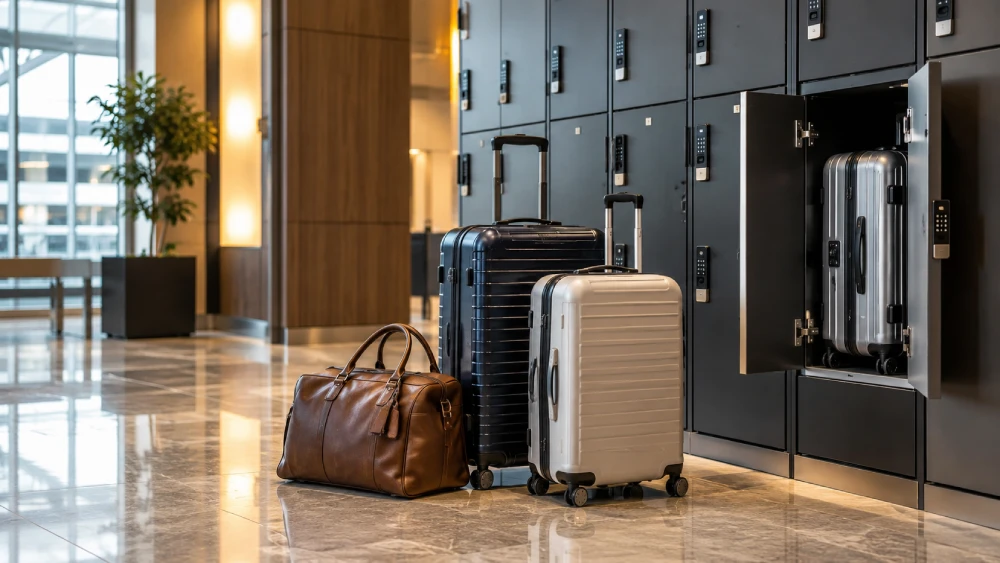
You can leave your bags at airports, train stations, city-center storage services, or hotels, depending on your travel needs.
Airports offer staffed desks for oversized or valuable items and automated lockers for smaller bags.
Train stations have lockers and staffed offices, ideal for short stops.
City-center options provide flexible, app-bookable storage near attractions.
Hotels often store your luggage free for guests.
Each option varies in cost, size limits, and access hours. Knowing these helps you pick the best fit for your trip.
Key Takeaways
- Use airport staffed baggage desks for oversized or valuable luggage requiring ID and secure handling, with fees around $10–20 per bag daily.
- Automated lockers at airports and train stations offer quick, contactless storage for small-to-medium bags but may restrict large items and follow opening hours.
- Train station lockers and staffed left-luggage offices provide affordable, short-term storage ideal for day trips, often with size limits and ID requirements.
- City-center luggage services partner with local shops and offer flexible, online-bookable storage with competitive rates and extended or 24-hour access.
- Hotels and hostels typically provide free luggage storage for guests but may limit pickup times or require same-day retrieval and guest registration.
How to Choose the Best Luggage Storage for Your Trip?
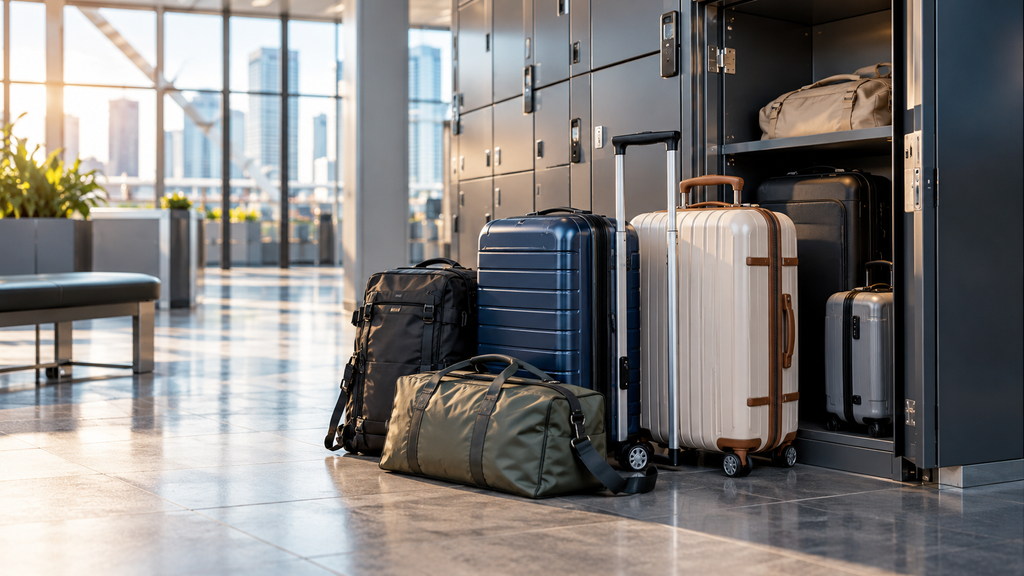
When choosing the best luggage storage for your trip, consider factors like location, cost, and convenience to match your specific travel plans.
Consider location, cost, and convenience to find the ideal luggage storage for your travel needs.
First, think about where you’ll spend most of your time: near airports, train stations, or city centers. Check for available options like staffed desks, lockers, or third-party services.
Pricing varies widely, so weigh daily rates against your budget. Don’t forget to verify opening hours and size limits to ensure your bags fit and you can access them when needed.
Also, check the facility’s security measures, such as ID requirements or insurance policies, to keep your belongings safe. By evaluating these details, you’ll find luggage storage that fits your itinerary smoothly and comfortably.
Additionally, selecting storage options that accommodate medium checked bags ensures your luggage size complies with common travel limits and avoids inconvenience.
Airport Luggage Storage for Layovers and Early Arrivals
When you find yourself with a layover or arrive early at the airport, you might be wondering how to lighten your load. That’s where staffed baggage desks and automated lockers come in handy! They can save you from dragging your bags around while you explore or wait for your next flight.
Now, if you opt for a staffed counter, just keep in mind that you’ll usually need to show some ID. The cost is typically around $10 to $20 per bag for the day.
On the other hand, if you prefer something a bit more straightforward, lockers are a great choice! They give you quick, contactless access to your belongings and usually run about $8 to $15 per day.
Before you head to the airport, it’s a smart idea to check out the airport’s map or website. That way, you can easily find the most convenient storage options and their hours. Happy travels!
For added peace of mind, consider using luggage with bright, contrasting tags to easily identify your bags when picking them up.
Staffed Baggage Desk
Although airport terminals can be hectic, you can lighten your load by using staffed baggage desks designed for temporary luggage storage.
These desks offer a secure way to store your bags during layovers or early arrivals, freeing you to explore or relax without dragging your luggage around.
When using a staffed baggage desk, keep these points in mind:
You’ll usually need to show photo ID for both dropping off and picking up your bags.
Fees typically range from $10 to $20 per bag per day.
Staff handle oversized items that may not fit in lockers.
Storage hours align with airport operations, so check availability in advance.
You’ll receive a claim ticket or receipt; keep it safe to retrieve your belongings.
This option adds convenience and peace of mind when you need temporary baggage relief.
For travelers using duffel bags, selecting a lightweight, flexible duffel can help ensure compliance with airline size and weight restrictions when reclaiming or continuing travel.
Automated Locker Options
Automated locker systems provide a quick and contactless way to store your luggage during layovers or early arrivals at many airports.
These lockers let you drop off your bags without waiting in line or handing them to staff, using code access and sometimes contactless payment.
They’re especially handy when you want to explore the city hands-free or rest before your next flight.
Just remember to check locker sizes, as large suitcases might not fit.
When traveling with liquids like cologne, be sure to pack them according to TSA liquid rules to avoid any issues if you carry them in your hand luggage.
| Feature | Details |
|---|---|
| Access Method | Code or app-based entry |
| Availability | Varies by airport and terminal |
| Size Limits | Small to medium lockers common |
| Security | Secure, often monitored |
| Contactless Payment | Usually accepted |
These lockers offer convenience, speed, and safety for your luggage needs.
Pricing and Accessibility
You’ll often find airport luggage storage options priced between $8 and $20 per day, depending on whether you choose lockers or staffed desks. These services make layovers and early arrivals hassle-free by letting you explore the airport or nearby areas without dragging your bags.
When planning, keep these points in mind:
Lockers typically cost $8–15 daily and offer quick, contactless access.
Staffed counters range from $10–20 per bag but provide extra security and assistance.
Some airports require ID or tickets for bag retrieval, so carry them with you.
Storage availability and hours vary by airport; check official sites before arrival.
Size limits may restrict large suitcases or sports gear from fitting in lockers.
Choosing the right option guarantees smooth travel and stress-free connections.
Be aware that many airports enforce strict size limits on luggage storage to ensure proper fit and security.
Train Station Luggage Lockers and Left-Luggage Services
Many major train stations offer convenient luggage storage options, including lockers and staffed left-luggage offices, making it easy for you to explore cities hands-free.
These lockers vary in size and accessibility, often available during station opening hours, and you’ll find clear signage like “consigne” or “Gepäckaufbewahrung” guiding you.
In some countries, such as the Netherlands, you can rent lockers for up to three days and access them via a receipt code.
Staffed left-luggage counters provide an alternative, especially if your bags are large or valuable, requiring ID for security.
Fees typically depend on duration and bag size, so check local rates.
Using these services lets you move freely without dragging luggage, ideal for quick stops or transfers at busy stations.
When traveling internationally, consider using TSA-approved luggage locks on your bags for added security and smooth inspections.
City-Center Luggage Storage for Sightseeing
If train station lockers or left-luggage offices don’t fit your plans, city-center luggage storage services offer a flexible alternative right where you want to explore.
These third-party networks partner with local shops, hotels, and cafés to provide secure spots for your bags, often near popular tourist sites.
You can book online or through apps like Bounce or LuggageHero, ensuring a reserved space before you arrive.
City-center storage often costs less than airport options and can offer extended or 24-hour access, perfect for a full day of sightseeing.
Consider these benefits:
- Convenient locations near attractions
- Easy online reservations and app access
- Competitive daily rates
- Flexible drop-off and pick-up times
- Secure storage in trusted local businesses
When storing luggage, it’s important to avoid placing high-value items in checked bags to reduce the risk of loss or theft.
Hotel and Hostel Luggage Storage Before Check-In or After Checkout
When staying at a hotel or hostel, taking advantage of their luggage storage services before check-in or after checkout can save you the hassle of carrying bags around.
Most accommodations offer this service free for guests, letting you explore hands-free. Simply drop off your bags at the reception or bell desk, where staff typically tag your items and provide a claim slip for easy retrieval.
Keep in mind some places require you to be a registered guest, and storage may only be available for the same day. This option is perfect for short gaps between travel and check-in or departure.
Always confirm storage policies when booking to avoid surprises. Consider this convenient solution to keep your journey smooth and worry-free.
Additionally, if you are traveling with children, knowing your airline’s diaper bag policy can help you manage your carry-on items more efficiently while on the go.
Cost and Size Limits Compared Across Luggage Storage Options
Taking advantage of hotel or hostel luggage storage is convenient, but you’ll want to compare costs and size restrictions across different options before deciding where to leave your bags.
Prices and limits vary widely depending on the facility and location, affecting your choice.
Airport lockers usually cost $8–15 per day and may restrict large suitcases or sports gear. Staffed airport desks charge around $10–20 per bag daily, often with ID required.
Train station lockers tend to be cheaper and allow rentals up to three days but have size limits.
City-center storage services often offer competitive daily rates and flexible sizing, with easy online booking.
Hotels and hostels usually provide free storage for guests but limit pickup to the same day or require registration. Consider these factors carefully to pick the best fit for your luggage size and budget.
Keep in mind that understanding size restrictions thoroughly can help you avoid unexpected fees or the need to check your bag.
Luggage Access Hours and Pickup Rules
During your trip, knowing the exact luggage access hours and pickup rules can save you from unexpected hassles.
Many staffed baggage desks operate only during airport or station service hours, so plan your pickup accordingly.
Automated lockers often follow terminal or station opening times, meaning you can’t retrieve bags outside those hours.
Some city-center storage locations offer extended or 24-hour access, but hours vary by partner business.
Always check if size limits apply and whether you’ll need photo ID, a booking confirmation, or a claim slip for retrieval.
Note that some places charge extra for storage beyond 24 hours or enforce strict removal policies after a few days.
Confirm payment methods accepted, as some lockers only take coins or cards.
Using protective accessories such as wheel covers can help prevent damage when transporting your luggage to and from storage facilities.
Tips for Keeping Your Bags Safe in Public Storage
Keep a close eye on your luggage’s security by choosing storage options that match your needs and taking simple precautions. When leaving bags in public storage, you want to minimize risks and ensure smooth retrieval.
Here are key tips to keep your belongings safe:
Use lockers or staffed counters in well-lit, busy areas to deter theft.
Secure your bag with a lock or use tamper-evident seals for extra protection.
Avoid leaving valuables inside; pack only essentials or non-precious items.
Keep your receipt, ID, or claim ticket handy, as most facilities require them for pickup.
Check storage rules for size limits, operating hours, and insurance policies before drop-off.
Following these guidelines helps you travel worry-free while your bags stay secure.
When to Use Each Luggage Storage Type Based on Your Travel Plans?
When you find yourself with a long layover or dealing with oversized luggage, airport storage is the way to go. It’s super secure and super convenient—right where you need it!
Now, if you’re just making a quick stop or planning a day trip, think about using train station lockers. They offer easy access and are usually located close to transit hubs, making your life a lot easier.
And when you want to explore city sights without the hassle of dragging your bags around, city-center storage services are perfect. They give you flexible and affordable options right near all the popular spots. So, you can enjoy your day to the fullest!
Ideal Airport Storage Uses
Airports often offer multiple luggage storage options, and choosing the right one depends on your specific travel needs.
Whether you’re facing a long layover or want to explore the city before your hotel check-in, knowing when to use lockers or staffed desks can save you time and hassle.
Here’s when to weigh each option:
Use staffed baggage desks for oversized or valuable items needing extra security.
Opt for automated lockers if you want quick, contactless storage for small to medium bags.
Choose airport storage during long layovers to freely explore without lugging your bags.
Store bags if you arrive early before hotel check-in or after checkout but before departure.
Check availability and pricing beforehand to avoid surprises and ensure convenience.
This approach keeps your travel smooth and your belongings safe.
Train Station Storage Benefits
Train stations frequently provide convenient luggage storage options that suit a variety of travel plans, whether you’re making a quick stop or setting out on a day trip.
You’ll often find lockers or staffed left-luggage offices offering short-term storage close to platforms. These options are ideal if you want to explore the city hands-free between train connections or during layovers.
Lockers typically allow easy access during station hours, while staffed counters can handle larger or irregularly sized bags. In Europe, signage like “consigne” or “Deposito Bagagli” guides you to these facilities.
Using train station storage saves you from hauling bags through busy streets or crowded public transport. It lets you travel lighter and move faster, perfect for day trippers or travelers making multiple stops within a region.
City Storage Convenience
You’ll often find city storage services to be a flexible solution when you want to explore urban areas without the hassle of dragging your bags along.
These services place your luggage in local shops, cafés, or hotels near key tourist spots. This lets you roam freely without being tied to train stations or airports. They suit daytime sightseeing and offer online booking for convenience.
Consider city storage when:
- You want easy access in busy neighborhoods.
- Your layover or visit is short and centered in the city.
- You need extended or 24-hour access.
- You prefer digital reservations and flexible drop-off times.
- You want a cost-effective alternative to airport or station lockers.
City storage fits perfectly when your travel plans focus on urban exploration.
Frequently Asked Questions
Can I Store Fragile or Valuable Items in Luggage Storage Facilities?
You generally shouldn’t store fragile or valuable items in luggage storage facilities, as most don’t offer insurance or special protection.
If you must, pack valuables securely inside your carry-on and keep them with you.
Some places might’ve limited liability or require you to declare high-value items, but it’s safer to avoid leaving precious belongings unattended.
Always check the facility’s rules and consider alternatives like hotel safes or carrying valuables personally.
Are There Any Prohibited Items for Airport or City Luggage Storage?
Yes, you can’t store prohibited items like explosives, flammable materials, or illegal substances in airport or city luggage storage.
Sharp objects, perishables, and valuables like cash or jewelry are often discouraged or restricted for safety and liability reasons.
Always check specific facility rules beforehand, since some places may also ban fragile items or electronics.
Following these guidelines keeps your belongings safe and avoids complications during storage or retrieval.
How Do Luggage Storage Services Handle Lost or Damaged Bags?
They handle lost or damaged bags by following clear policies, offering compensation, and requiring claims within specific timeframes.
You’ll usually need to provide a receipt, ID, and description. Most services limit liability, so you should check coverage before storing.
Staff often tag bags and keep records to prevent loss. If damage occurs, they’ll assess and reimburse based on declared value or set limits.
This ensures you’re informed throughout the process.
Can I Extend Storage Time Remotely After Leaving My Luggage?
You usually can’t extend storage time remotely for airport or train station lockers since they’re automated or have fixed hours.
However, many city-center luggage storage services with app bookings let you extend your reservation online or via their app before your original time ends.
Just check their terms and send a quick request through the platform.
Hotels and hostels typically require you to be present or contact them directly to arrange extensions.
Are Luggage Storage Services Available for Oversized Sports Equipment?
Think of your oversized sports gear as a VIP guest needing special treatment.
Yes, many luggage storage services accommodate larger items, but you’ll want to check size limits carefully.
Airports and major train stations often have lockers or staffed desks that accept bulky equipment.
Some might require advance notice or special arrangements.
City-center storage networks sometimes handle these too, but always confirm beforehand to avoid surprises.
This way, you can guarantee your gear stays safe and sound.
Choose the Best Place to Leave Bags While Traveling
You’d never want to be weighed down by your bags when adventure’s calling, right?
Whether you’re sprinting through airports, hopping off trains, or exploring city streets, knowing where to stash your luggage is your secret superpower.
From lockers to hotel holds, each option is a lifesaver, saving you from lugging unnecessary weight.
So, pick smart, stay flexible, and travel light like a pro. Your bags won’t slow you down, and neither will you!