
24 vs 28 Inch Luggage: Key Differences

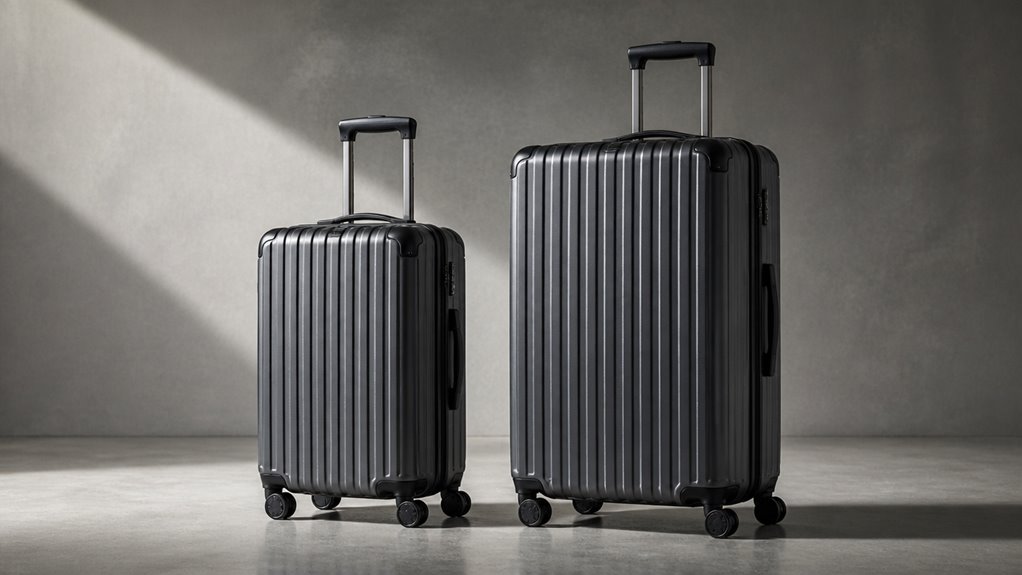
You’ll choose 24- or 28-inch luggage based on your trip length and packing needs. The 24-inch fits shorter trips (2–7 days), is lighter and easier to handle, and fits tight spaces better.
Meanwhile, the 28-inch offers considerably more capacity, ideal for longer trips or bulky items, but can be heavier and harder to maneuver.
Consider your storage space and airline size limits carefully to avoid fees. Keep exploring to find the perfect balance of portability and packing volume for your travel style.

- Dual-Wheel 360° Spinner System: Engineered with dual multi-directional wheels for effortless glide…
- Spacious Expandable & Organized Interior: Features dedicated wet/dry mesh pockets, secure X-cross…
- Lightweight & Impact-Resistant ABS Construction: Built with a rigid ABS hard shell that combines…


- Smooth & Easy Mobility: The Sweetcrispy luggage set offers superior smooth & easy mobility with its…
- Spacious Storage Space: With spacious and practical storage, wet and dry mesh areas, X securing…
- Lightweight & Durable: Sweetcrispy checked luggage is crafted with an ABS exterior material that…
Key Takeaways
- 24-inch luggage is ideal for short trips (2–5 days) and easier to handle in tight spaces like car trunks and overhead bins.
- 28-inch luggage offers 25–50 liters more packing capacity, suitable for longer trips (7–14 days) or bulkier items.
- The 24-inch suitcase typically weighs 7–10 pounds empty, making it lighter and easier to maneuver than the heavier 28-inch (9–12 pounds).
- Both sizes are intended as checked baggage, so measuring wheels and handles is crucial to meet airline size restrictions.
- Choosing between 24- and 28-inch depends on trip length, packing style, and the need for portability versus maximum capacity.
24 vs 28 Inch Luggage: Key Differences at a Glance
| Comparison Factor | 24-Inch Luggage | 28-Inch Luggage |
|---|---|---|
| Typical Capacity | Around 60–75 liters | Around 90–120 liters |
| Best Trip Length | Better for shorter trips and lighter packing | Better for longer trips and bulky items |
| Empty Weight | Typically about 7–10 pounds | Typically about 9–12 pounds |
| Maneuverability | Lighter and easier to handle in airports, hotels, and tight spaces | More spacious but bulkier and harder to maneuver |
| Packing Flexibility | Enough room for essentials without encouraging excessive packing | Offers roughly 25–50 liters more space |
| Storage at Home | Fits more easily in closets and car trunks | Requires more storage space when not in use |
| Airline Use | Generally intended as checked baggage | Also intended as checked baggage |
| Weight-Limit Risk | Easier to keep within baggage weight limits | Larger capacity can make overpacking more likely |
| Best For | Travelers prioritizing portability and convenience | Travelers prioritizing maximum packing capacity |
Size and Dimensions of 24 vs 28 Inch Luggage
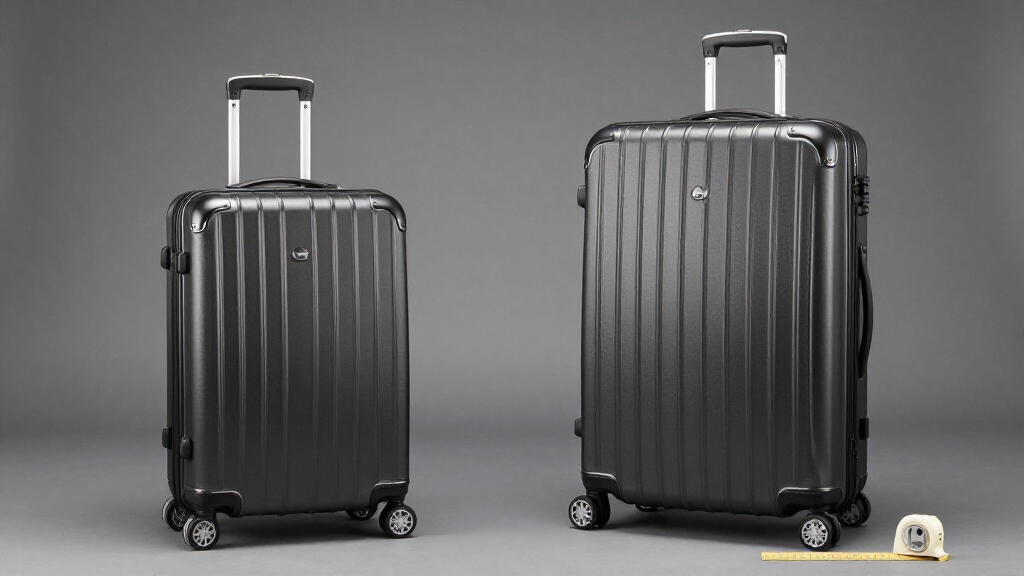
Measuring roughly 65 x 42 x 26 cm (25.6 x 16.9 x 10.6 inches) including wheels, 24-inch luggage offers a compact yet spacious option.
In contrast, 28-inch luggage, at about 75 x 50 x 30 cm (28 x 18 x 12 inches), provides noticeably more room.
When you choose 24-inch luggage, you get a manageable size that fits easily in tighter spaces like car trunks and overhead bins during transfers.
The 28-inch option, being larger, is designed to maximize your packing volume but can be bulkier to handle.
Both sizes are intended as checked baggage, but the 28-inch suitcase’s extra dimensions mean it’s less convenient to maneuver or store.
Picking between them depends largely on balancing your need for space against ease of transport.
To avoid unexpected fees, it’s important to measure your suitcase including wheels, handles, and expandable sections to ensure compliance with airline size restrictions.
Packing Capacity Differences Between 24 and 28 Inch Suitcases
When you’re deciding between a 24 and a 28 inch suitcase, it really helps to know how much more space you’re getting. Typically, those 28 inch models give you about 25 to 50 liters more packing capacity. That’s a pretty significant difference!
This extra room can really change the game, especially if you’re planning a longer trip or need to pack bulkier items. Just think about how much easier it could be to fit everything you want without having to leave stuff behind.
But, of course, there’s a trade-off. A larger suitcase can be a bit more challenging to handle and store. So, it’s all about finding that sweet spot between having enough space and keeping things manageable. What’ll work best for you?
For frequent travelers, the lightweight construction of modern suitcases can help offset some of the handling challenges of larger sizes.
Volume Comparison
You’ll find that a 28-inch suitcase offers markedly more packing space than a 24-inch model, typically providing about 25 to 50 liters of additional volume.
While a 24-inch suitcase usually holds between 60 and 75 liters, a 28-inch bag ranges from 90 to 120 liters, giving you substantially more room to pack.
This difference translates into extra space for bulkier items, souvenirs, or additional outfits.
However, keep in mind that the larger volume also means a bigger, heavier suitcase that may be harder to handle.
If you prioritize maximizing capacity for longer trips, the 28-inch is ideal.
But if you want manageable size with sufficient space for shorter travel, the 24-inch might suit you better.
Backpack and luggage volume is a crucial factor in determining suitability for different trip lengths and packing needs.
Packing Space Impact
Significant differences in packing capacity between 24-inch and 28-inch suitcases affect how much you can bring on your trip. The 28-inch suitcase typically offers 25–50 liters more space, letting you pack bulkier items or extra souvenirs.
Meanwhile, the 24-inch model suits shorter trips with lighter loads.
| Size | Capacity Range (L) | Ideal Trip Length |
|---|---|---|
| 24-inch | 60–75 | 2–5 days |
| 28-inch | 90–120 | 7–14 days+ |
| Capacity Gain | +25–50 | More room for bulky gear |
Choosing between them depends on how much you plan to pack and your preference for convenience during travel. Suitcases also offer structured compartments that make organizing your belongings easier despite the size difference.
Suitcase Size Benefits
Although both 24-inch and 28-inch suitcases serve as checked luggage, the larger 28-inch size offers a clear advantage in packing capacity. It provides 25 to 50 liters more space.
This extra volume lets you pack bulkier clothing, souvenirs, or essentials for longer trips without needing multiple bags. If you’re heading out for a week or more, the 28-inch suitcase can accommodate your needs better.
On the other hand, the 24-inch model, with around 60 to 75 liters of capacity, fits shorter trips and lighter packing styles more efficiently. It’s easier to handle and still offers ample room for a few days’ worth of items.
Ultimately, your choice depends on trip length, packing style, and how much convenience you want during travel. Choosing a suitcase that complies with airline size limits can help you avoid extra fees and travel hassles.
Best Trip Lengths for 24 and 28 Inch Luggage
When you’re deciding between a 24 and a 28-inch suitcase, it’s really important to think about how long your trip is and your packing style.
If you’re planning a getaway that lasts about 5 to 7 days, a 24-inch suitcase is usually just the right fit. It’s perfect for lighter packers who don’t need to haul too much.
On the other hand, if you’re heading out for a longer stay or need to pack bulkier items, a 28-inch suitcase is your best bet. It gives you that extra space for everything you might want to take along.
Choosing the right luggage size can also depend on your preference for spinner wheels or inline wheels, as this affects maneuverability and ease of use during travel.
Ideal Durations Comparison
If you’re planning a trip lasting just a few days, a 24-inch suitcase often fits your needs perfectly. It offers enough space for 2 to 4 days of clothing and essentials. It’s ideal when you want to travel light, move quickly, and avoid bulky baggage.
For trips extending beyond a week, a 28-inch suitcase becomes more practical. It provides ample room for 7 to 10 days or even longer stays. This size accommodates bulkier items and extra souvenirs without the hassle of multiple bags.
While the 24-inch bag prioritizes portability and ease, the 28-inch one focuses on maximizing packing capacity for extended travel. Choosing between them depends on your trip duration and how much you need to carry without compromising convenience. Additionally, considering airline size restrictions can help ensure your luggage meets carry-on or checked baggage requirements.
Packing Needs by Trip
Understanding your packing needs is key to selecting the right luggage size for your trip.
If you’re heading out for 2 to 4 days, a 24-inch suitcase usually fits your essentials without overpacking.
Efficient packers can even stretch it to 5–10 day trips.
If your trip lasts 7 to 10 days or longer, a 28-inch suitcase offers the extra space you’ll need for bulkier items or more clothing.
Keep in mind that the 28-inch size can hold 25–50 liters more but also weighs more when full.
Choosing between them depends on how much you pack and how long you stay.
In short, shorter trips suit 24-inch bags, while extended trips call for the extra capacity of 28-inch luggage.
Remember to measure luggage dimensions including wheels and handles to ensure it meets airline size restrictions and avoids extra fees.
Travel Style Considerations
For trips lasting just a few days, a 24-inch suitcase fits your needs perfectly by offering a balance of capacity and ease of handling.
It suits 2–4 day trips, or even up to 5–10 days if you pack efficiently, making it ideal for solo travelers or those who prefer lighter packing.
If you’re heading out for a week or more, a 28-inch suitcase provides the extra space you need for bulkier clothing and longer stays.
It’s best for 7–14 day trips, family travel, or when you want to avoid carrying multiple bags.
While the 28-inch bag offers more volume, keep in mind it’s heavier and less maneuverable.
Choose based on your travel style and convenience priorities.
For added packing flexibility, consider complementing your suitcase with a soft-sided duffel bag that fits airline carry-on size limits.
Luggage Weight and Impact on Travel
Since luggage weight directly affects your ease of handling and airline fees, choosing between a 24-inch and 28-inch suitcase requires careful consideration.
Luggage weight impacts handling and fees, so choosing the right suitcase size is crucial.
A 24-inch bag typically weighs 7 to 10 pounds empty, while a 28-inch one usually ranges from 9 to 12 pounds.
That extra weight adds up, especially when airlines strictly enforce checked baggage limits.
If you pack heavily in a 28-inch suitcase, you risk exceeding weight limits faster, potentially incurring extra fees.
Meanwhile, a 24-inch case offers a lighter shell, leaving you more room for your belongings without surpassing weight restrictions.
By balancing suitcase weight with your packing needs, you can avoid costly overweight charges and maintain more control during travel.
This makes the choice between these sizes a practical one based on your trip length and packing style.
Choosing luggage with durable fabrics can also enhance longevity and reduce the need for frequent replacements.
Handling and Maneuverability of 24 vs 28 Inch Luggage
When you’re maneuvering busy airports or tight hotel corridors, the size of your luggage directly impacts how easily you can move around. A 24-inch suitcase offers greater agility, letting you navigate crowds and tight spaces without struggle.
Meanwhile, a 28-inch bag, though offering more space, can feel bulky and harder to control when full.
| Feature | 24-Inch Luggage | 28-Inch Luggage |
|---|---|---|
| Ease of maneuvering | Lightweight, easy to handle | Bulkier, requires more effort |
| Navigation in tight spaces | Smooth and agile | Challenging in narrow areas |
| Handling during transit | Less strain lifting and rolling | Heavier, can be cumbersome |
Choose based on your travel style: prioritize convenience with 24-inch or packing capacity with 28-inch.
Storage and Space for 24 vs 28 Inch Luggage
Handling your luggage well is important, but so is knowing how much space it will take up when not in use and how much you can fit inside.
A 24-inch suitcase usually measures around 65 x 42 x 26 cm and offers about 60–75 liters of packing space. This makes it easier to store in closets or car trunks.
In contrast, a 28-inch suitcase measures approximately 75 x 50 x 30 cm and provides 90–120 liters of capacity. It offers more room for bulky items but requires more storage space.
Consider these points:
- 24-inch luggage fits compact spaces better and weighs less empty.
- 28-inch luggage holds roughly 25–50 liters more, ideal for longer trips.
- Larger bags can be harder to handle and store but reduce the need for multiple bags.
Choosing Between 24 and 28 Inch Luggage
Although both 24- and 28-inch luggage have their merits, choosing the right size depends largely on your trip duration, packing style, and how much convenience you prioritize.
If you travel light or for a few days, a 24-inch suitcase offers sufficient capacity without the bulk, making it easier to handle and store.
On the other hand, if you pack bulky items or need space for longer trips, a 28-inch bag provides markedly more room but weighs more and can be less maneuverable.
Consider how often you move between locations and whether you value portability over maximum packing space.
Your choice should balance your specific travel needs, ensuring you carry what you need without unnecessary hassle or excess weight.
Balancing Portability and Packing Capacity for Your Trip
Finding the right balance between portability and packing capacity means thinking carefully about your travel style and the demands of your trip. You want luggage that’s easy to handle yet spacious enough for your needs.
Choosing luggage requires balancing ease of use with enough space for your travel essentials.
Consider these points:
- Trip length and packing needs: For short trips, a 24-inch bag offers enough space without excess weight. For longer stays, a 28-inch bag provides the extra room you need.
- Portability: A 24-inch suitcase is lighter and easier to maneuver through airports and taxis, especially if you move frequently.
- Airline restrictions: Both sizes require checking, but 24-inch luggage often stays under weight limits more comfortably, reducing fees.
Frequently Asked Questions
Are 24 or 28 Inch Suitcases More Durable Over Time?
You’ll find durability depends more on materials and construction than size. Both 24 and 28-inch suitcases can last long if made with strong shells and quality zippers.
However, the larger 28-inch bags often endure more strain when fully packed and handled.
Which Luggage Size Offers Better Security Features?
You want a fortress on wheels, right? Both 24- and 28-inch luggage often come with TSA-approved locks and tough zippers.
However, the 28-inch size usually lets you add extra locks or straps, giving you that heavyweight security vibe. The smaller 24-inch bags are easier to monitor and manage, reducing theft risk through convenience.
Ultimately, 28-inch offers more built-in options, while 24-inch relies on your vigilance and ease of handling.
Do 24 or 28 Inch Bags Have More Style and Design Options?
You’ll find more style and design options with 24-inch bags because their popularity for short trips and frequent travel drives manufacturers to offer diverse colors, patterns, and materials.
They’re easier to customize and often come in sleek, lightweight designs.
While 28-inch bags focus more on capacity, their style options are somewhat limited due to their bulkier size.
How Do 24 and 28 Inch Luggage Compare in Price?
You might think bigger luggage always costs more, but that’s not always true. Prices for 24 and 28 inch bags often overlap because factors like brand, material, and features weigh heavier than size alone.
Generally, 28-inch bags can be pricier due to extra materials and sturdier construction. However, you’ll find affordable options in both sizes.
Focus on quality and what fits your travel needs rather than just the size-price assumption.
Can Either Size Fit Specific Airline Baggage Policies Better?
You’ll find 24-inch luggage fits specific airline baggage policies better since it often stays within checked baggage size limits and leaves extra room before hitting weight restrictions.
The 28-inch size always exceeds carry-on limits and more easily approaches checked-bag weight caps when packed fully.
Choose the Right Suitcase for Your Packing Style
When choosing between 24 and 28 inch luggage, consider your trip length, packing needs, and travel style.
Opt for 24-inch if you want easy handling, lighter weight, and quick storage.
Choose 28-inch if you need maximum capacity, longer trips, and don’t mind extra bulk.
Balance portability with packing space, prioritize convenience without sacrificing essentials, and select luggage that fits your journey’s demands.
Your choice should support smooth travel, efficient packing, and stress-free mobility.
- Dual-Wheel 360° Spinner System: Engineered with dual multi-directional wheels for effortless glide…
- Spacious Expandable & Organized Interior: Features dedicated wet/dry mesh pockets, secure X-cross…
- Lightweight & Impact-Resistant ABS Construction: Built with a rigid ABS hard shell that combines…
- Smooth & Easy Mobility: The Sweetcrispy luggage set offers superior smooth & easy mobility with its…
- Spacious Storage Space: With spacious and practical storage, wet and dry mesh areas, X securing…
- Lightweight & Durable: Sweetcrispy checked luggage is crafted with an ABS exterior material that…
Last update on 2026-10-26 / Affiliate links / Images from Amazon Product Advertising API