
Can I Put Backpack in Dryer? Drying Guide

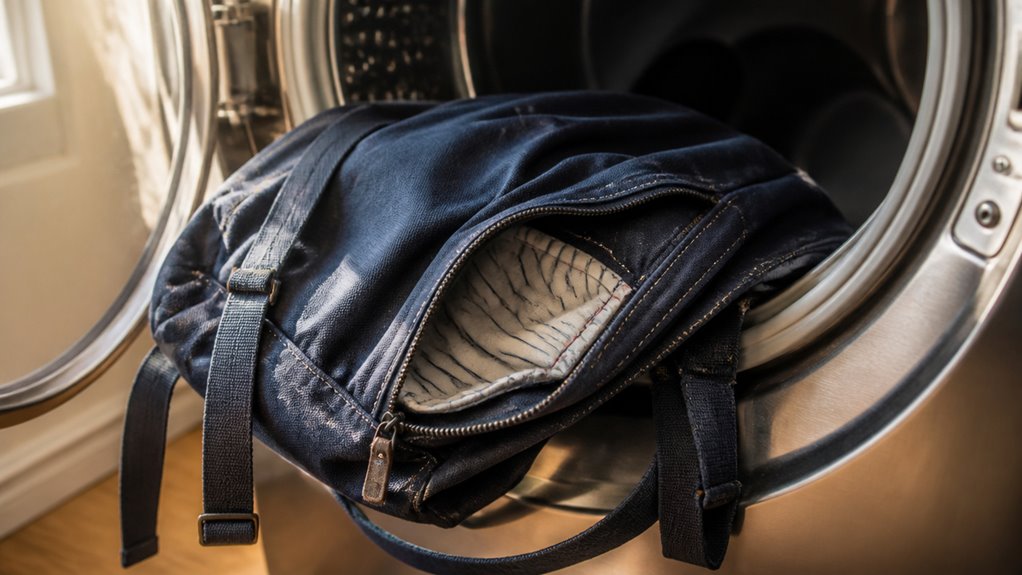
You generally shouldn’t put your backpack in the dryer unless the care label explicitly allows it.
Dryer heat and tumbling can warp fabrics, degrade coatings like PU, weaken straps, and damage foam padding or hardware.
Materials like canvas, leather, and specialized nylons are especially vulnerable.
Instead, you should air dry your backpack to maintain its integrity.
If you’re unsure about safe drying methods or want tips on protecting your backpack, more detailed guidance is available ahead.
Key Takeaways
- Most backpacks should not be put in the dryer due to heat damage risks to fabrics, coatings, zippers, straps, and padding.
- Only tumble dry if the care label explicitly permits, using the lowest heat or air-fluff setting to minimize damage.
- Air dry backpacks by hanging upside down in a shaded, well-ventilated area to prevent fading, warping, and mildew.
- Open all compartments and reshape the backpack while damp to maintain form and ensure thorough drying.
- Avoid drying backpacks with PU coatings, leather, canvas, or foam padding in the dryer, as heat can degrade these materials.
Can You Put Your Backpack in the Dryer? Here’s the Truth
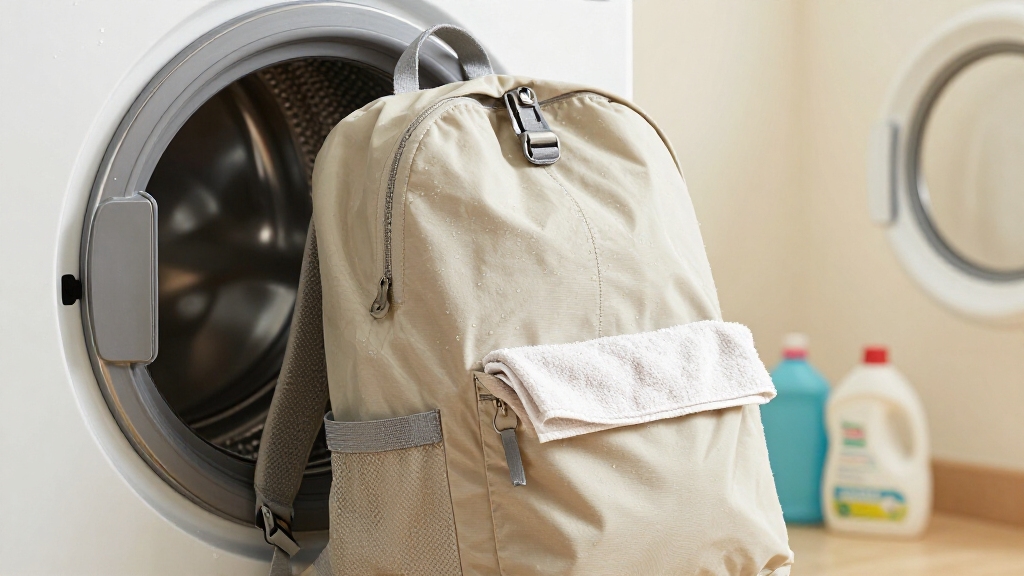
When it comes to drying your backpack, you should steer clear of the dryer in most cases. Heat and tumbling can warp fabrics, degrade coatings, and damage zippers, straps, and foam padding.
Unless the care label explicitly permits tumble drying, avoid using the dryer to prevent material shrinkage or component failure. Instead, focus on air drying methods that maintain structural integrity.
Open all compartments and hang the backpack upside down in a well-ventilated area to guarantee thorough drying and water drainage. Keep it out of direct sunlight to prevent fading or heat damage. Ensure all compartments and seams are fully dry before storing to prevent mold return.
How Different Backpack Materials React to Dryer Heat?
Understanding how different backpack materials respond to dryer heat helps you make informed decisions about care. Dryer heat can severely damage fabrics, coatings, and structural elements depending on the material composition.
For example, PU-coated backpacks risk coating breakdown and warping. Natural fibers like canvas tend to shrink. Synthetic fibers such as polyester and nylon may endure some heat but often suffer damage to straps and finishes.
Leather, faux leather, and wool backpacks are highly vulnerable and should never be dried in a machine.
PU coatings degrade and lose waterproof qualities under heat. Canvas fibers contract, causing shrinkage and stiffness. Nylon and polyester can melt or weaken under intense heat. Foam padding inside backpacks breaks down with tumbling. Leather warps, cracks, and permanently deforms when exposed to dryer heat. Additionally, maintaining the integrity of waterproof coatings is crucial, as heat can compromise their protective function.
When Can You Safely Use a Dryer for Your Backpack?
You should only consider using a dryer for your backpack if the care label explicitly permits tumble drying, as most manufacturers strongly advise against it.
If tumble drying is allowed, use the lowest heat or air-fluff setting to minimize damage risks.
Before drying, empty all compartments, secure loose straps, and place the backpack inside a laundry bag or pillowcase to reduce tumbling impact.
Regularly inspect your backpack during the cycle to catch any early signs of wear.
Avoid high heat because it can degrade PU coatings, foam padding, seams, and hardware.
If the label forbids tumble drying, opt for air drying instead.
Hang the backpack upside down in a well-ventilated, shaded area until fully dry.
This approach preserves the backpack’s materials and extends its lifespan.
For the best results, measure your backpack’s dimensions accurately to ensure it fits properly in your drying space and that any protective covers used are appropriate for its size, following best practices for measuring bags.
What Backpack Brands Say About Using a Dryer?
Most backpack brands really advise against using a dryer. Why? Well, there’s a significant risk of heat damage to the fabrics, coatings, and hardware.
For instance, manufacturers like REI and Deuter are pretty clear about it—they explicitly recommend air drying to keep your pack in top shape.
So, it’s always a good idea to follow the care instructions that come with your backpack. They provide the safest guidance tailored to the specific materials and construction of your pack.
Trust me, your backpack will thank you for it!
Many backpacks, such as the REI Trail 40, use durable materials like recycled ripstop nylon with special finishes that can be compromised by high dryer heat.
Brand Dryer Warnings
Although it might seem convenient, many leading backpack brands explicitly warn against using a dryer due to the risk of damaging critical components like PU coatings, fabric, and hardware.
These warnings stem from how heat and tumbling can warp materials, degrade foam padding, and weaken seams. Ignoring brand cautions often results in irreparable damage.
To protect your backpack, consider these brand dryer warnings:
REI strictly advises against machine washing or drying to preserve fabric integrity.
Deuter highlights that heat can ruin the protective PU coating.
Thule warns that intense dryer heat compromises fabric and hardware.
Adidas recommends air drying only to maintain durability.
Maytag supports air drying to avoid shrinkage or warping.
Following these guidelines helps extend your backpack’s lifespan safely.
Additionally, many backpacks like the GR1 are made with heavy-duty materials that can be compromised by excessive heat, so air drying is the safest option to maintain their rugged construction.
Manufacturer Care Instructions
Backing up the brand warnings, many backpack manufacturers provide detailed care instructions that explicitly discourage using a dryer. Brands like REI, Deuter, and Thule warn that heat and tumbling damage fabric, PU coatings, zippers, and padding.
Adidas and Maytag also recommend air drying exclusively to maintain structural integrity. You should avoid placing backpacks with sensitive materials like leather, canvas, or foam padding in dryers, as heat causes shrinking, warping, and material breakdown.
Unless the care label specifically permits tumble drying, using a dryer risks permanent damage. Instead, manufacturers suggest hanging your backpack in a well-ventilated area with all compartments open. This preserves the backpack’s materials and hardware, ensuring durability and functionality without the hazards introduced by dryer heat or mechanical agitation.
Additionally, considering the standard backpack sizes and their materials can help you choose the best drying method to maintain proper fit and longevity.
Common Drying Recommendations
When you consider drying your backpack, many leading brands explicitly advise against using a dryer. The heat and tumbling motion can compromise the fabric, coatings, and structural components.
Brands like REI, Deuter, and Thule warn that dryer heat damages PU coatings, weakens foam padding, and warps synthetic or canvas fabrics. Instead, they recommend air drying to preserve durability and performance.
To dry your backpack safely, follow these tips:
Open all zippers and pockets to allow airflow.
Hang it upside down to drain residual water.
Use a well-ventilated, shaded area to avoid heat damage.
Avoid direct sunlight if the fabric is prone to fading.
Make certain the backpack is completely dry before storage or reuse.
Following these guidelines helps maintain your backpack’s integrity over time. Many waterproof commuter backpacks use specialized coatings and materials that can be compromised by dryer heat, making proper drying techniques essential for preserving water-resistant fabrics.
How to Air Dry Your Backpack Safely?
To air dry your backpack safely, it’s best to hang it upside down.
Make sure all the zippers and pockets are open.
This really helps water drain out efficiently.
Now, when you’re picking a spot to dry it, look for a dry area with good ventilation.
Avoid direct sunlight, though!
Sunlight can damage the material and cause fading.
For best results, reshape your backpack while damp to preserve its original form and prevent creases, following proper drying procedures.
Proper Hanging Techniques
Proper hanging techniques play a crucial role in preserving your backpack’s materials and structure during air drying. To avoid damage and guarantee thorough drying, you need to hang it correctly.
First, unzip all compartments to allow airflow inside. Next, suspend the backpack upside down so water drains from seams and pockets.
Use a sturdy hanger or hook that supports the weight evenly, preventing distortion. Avoid hanging by straps alone to reduce strain.
Finally, place the backpack in a well-ventilated area, keeping it away from direct heat or sunlight.
- Open all zippers and pockets
- Hang upside down for drainage
- Support weight evenly with a strong hanger
- Avoid hanging by straps only
- Choose a ventilated, shaded drying spot
Additionally, using crumpled paper in pockets can help maintain the backpack’s shape and absorb moisture during the drying process.
Ideal Drying Environment
After ensuring your backpack is hung correctly with all compartments open, focus on selecting the best drying environment.
Choose a dry, well-ventilated area to promote efficient moisture evaporation and prevent mildew growth. Avoid direct sunlight, especially for materials prone to heat damage or fading like PU coatings, canvas, and leather.
Hanging the backpack upside down allows water to drain from seams and pockets effectively. Maintain airflow around the pack by spacing it away from walls or other objects.
Keep humidity low to accelerate drying time and reduce odor risks. Complete drying usually requires 24 to 36 hours.
For backpacks with patches, especially sewn or adhesive ones, avoid heat sources that could weaken the nylon fabric or damage patch adhesion.
Tips to Protect Your Backpack During Air Drying
Frequently, ensuring your backpack dries thoroughly without damage requires careful preparation. You need to optimize airflow and prevent prolonged moisture exposure that can degrade materials or cause mildew.
Keep these tips in mind to protect your backpack during air drying:
Open all zippers and pockets to improve ventilation and speed drying.
Hang the backpack upside down to allow water to drain from seams and compartments.
Choose a dry, well-ventilated area, avoiding direct sunlight which can fade or warp fabric.
Remove detachable parts like straps or padding to dry separately if possible.
Allow at least 24–36 hours for complete drying before storing or reuse.
Following these steps minimizes damage risks and preserves your backpack’s structure and performance over time.
Frequently Asked Questions
How Long Does It Take for a Backpack to Air Dry Completely?
It typically takes you about 24 to 36 hours to air dry a backpack completely.
To speed this up, open all zippers and pockets.
Hang it upside down in a dry, well-ventilated area, and avoid direct sunlight if the material is sensitive.
Make sure the backpack is fully dry before storing or using it again to prevent mold or odors.
Patience guarantees you protect your backpack’s fabric, padding, and hardware.
Can Using a Dryer Sheet Damage a Backpack?
Using a dryer sheet can subtly sabotage your backpack’s structure.
Dryer sheets contain chemicals and oils that might stain fabrics, degrade coatings, or leave residues on zippers and straps.
These substances could also attract dirt or reduce water repellency.
To safeguard your backpack’s strength and style, skip dryer sheets entirely.
Instead, air dry it in a well-ventilated spot, ensuring your gear stays clean, crisp, and completely chemical-free.
Is It Safe to Spot Clean Backpacks With a Wet Cloth?
Yes, you can safely spot clean backpacks with a wet cloth.
Use a mild detergent diluted in water for tougher stains, and gently rub the affected area without saturating the fabric.
Avoid harsh scrubbing to prevent damage to coatings or seams.
After cleaning, let the backpack air dry completely in a well-ventilated area, away from direct sunlight, to preserve material integrity and prevent mold or mildew growth.
How Do I Remove Odors From a Damp Backpack?
Imagine opening your backpack and being greeted by a musty, damp smell. To remove odors, first air it out completely in a dry, well-ventilated space.
Sprinkle baking soda inside, let it sit overnight, then shake it out. For stubborn smells, wipe interior surfaces with a vinegar-water solution, then air dry thoroughly.
Repeat as needed, ensuring the backpack dries fully to prevent mold and lingering odors.
Can Freezing a Backpack Help Kill Bacteria or Mold?
Freezing a backpack can help reduce some bacteria and mold spores, but it won’t completely eliminate them.
The cold slows microbial growth, but many molds and bacteria survive freezing temperatures. For a thorough kill, you’ll need to clean the backpack with appropriate antimicrobial solutions first.
Then let it dry completely in open air. Freezing is a supplementary step, not a standalone solution for mold or bacteria removal.
Can I Put Backpack in Dryer? Final Safety Tips
Think of your backpack as a delicate engine. Heat from the dryer can warp its components, risking damage.
By understanding your backpack’s material and manufacturer guidelines, you’ll know when to avoid the dryer and opt for gentle air drying instead.
Let the breeze be the cooling wind that preserves its structure and lifespan.
With careful care, you’ll keep your backpack running smoothly, ready for every journey without losing its form or function.