
Is a Nylon Bag Waterproof or Water-Resistant?

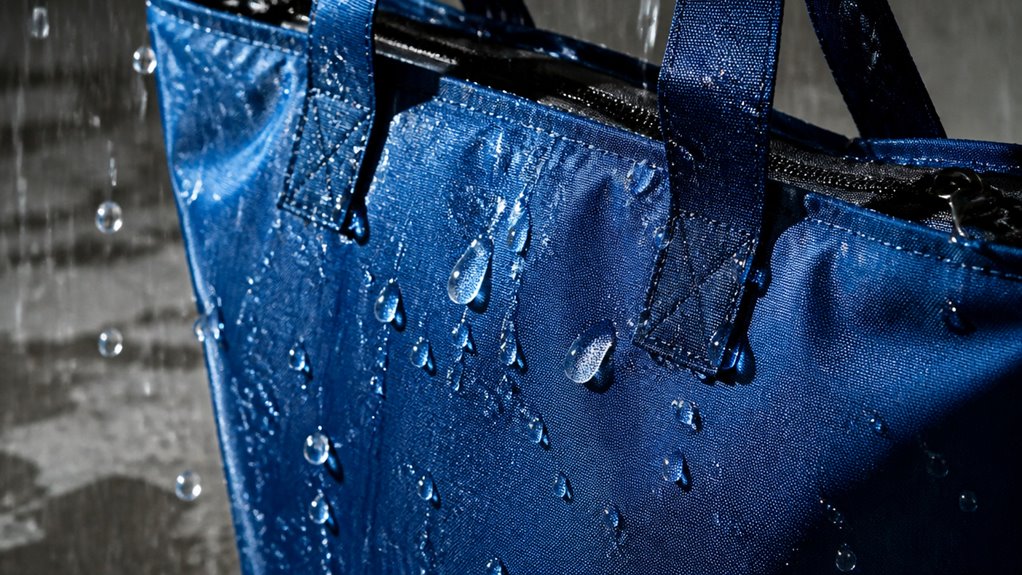
You can’t assume your nylon bag is waterproof. Untreated nylon offers only water resistance, handling light moisture briefly before water soaks in.
True waterproofing requires coatings like PU or silicone and sealed seams to block water entirely. Without these treatments, your bag’s contents risk damage in heavy rain or submersion.
Understanding how nylon’s weave and protective layers function helps you choose the right bag and maintain its water defense effectively.
Key Takeaways
- Nylon bags are generally water-resistant, not fully waterproof, unless specially treated or constructed.
- Untreated nylon resists light moisture but allows water penetration under prolonged exposure or pressure.
- Waterproof nylon bags have coatings, membranes, and sealed seams to prevent water ingress completely.
- Water-resistant nylon is suitable for light rain; waterproof bags protect against heavy rain and submersion.
- Maintenance and seam integrity are crucial to preserving waterproof performance over time.
Water-Resistant or Waterproof: What Nylon Bags Mean
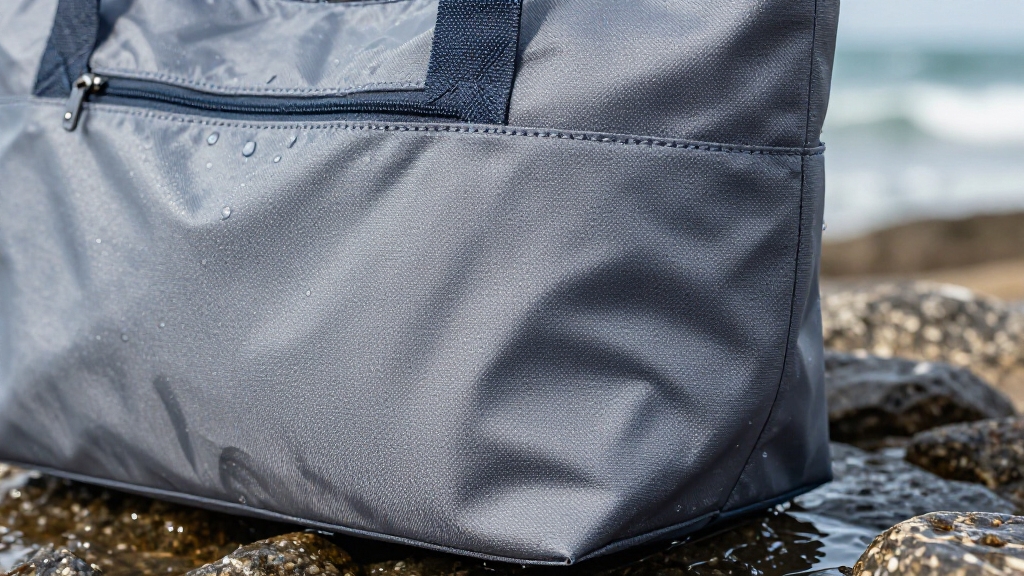
Although nylon bags are often marketed as water-resistant, it’s important to understand that this term doesn’t mean they’re fully waterproof.
Nylon bags labeled water-resistant are not guaranteed to be completely waterproof.
Water-resistant nylon typically resists light moisture due to the fabric’s tight weave, but it lacks a complete barrier against water penetration.
Without specialized coatings or lamination, untreated nylon allows water to pass through under sustained exposure or pressure.
You should recognize that water resistance implies limited protection—sufficient for brief splashes or light rain, but inadequate for heavy or prolonged wet conditions.
The fabric’s denier and weave density affect moisture ingress rates, yet untreated nylon alone can’t prevent soak-through.
Consequently, when evaluating nylon bags, you must distinguish water resistance from waterproof performance, which depends on additional waterproofing treatments and sealed construction.
Nylon absorbs 6–8% water, causing stretch when wet and slower drying times compared to polyester.
How Untreated Nylon Bags React to Water?
When you expose untreated nylon bags to water, you’ll find that the fabric resists light moisture only briefly before absorption begins. Untreated nylon’s weave creates a partial barrier, delaying immediate penetration but not preventing it.
The fabric’s density influences how fast water seeps through; tighter weaves slow absorption, whereas looser ones allow quicker soak-through. Short exposure to splashes or light rain causes minimal wetting, but sustained contact or pressure forces water through the fibers.
Untreated nylon lacks a sealed membrane, so water eventually permeates, compromising contents inside. It’s important to note untreated nylon bags are unsuitable for submersion or heavy rain.
Their water resistance is limited to incidental moisture, not full waterproof protection, which depends on additional coatings or laminates absent in untreated nylon fabrics. Proper patch application and surface preparation can help protect untreated nylon bags from moisture damage by reinforcing vulnerable areas with durable sew-on patches.
Treatments That Make Nylon Bags Waterproof
Enhancing nylon bags with waterproof treatments transforms their performance from merely water-resistant to fully waterproof. You achieve this by applying specialized coatings such as polyurethane (PU), polyvinyl chloride (PVC), or silicone, which create an impermeable barrier against water.
Applying coatings like PU, PVC, or silicone turns nylon bags from water-resistant to fully waterproof.
Additionally, membrane laminates can be integrated for breathability without sacrificing waterproofing. To guarantee complete protection, sealed seams are critical; they prevent water ingress through stitch holes.
Without these treatments, nylon’s weave allows moisture penetration under sustained exposure. Keep in mind, the effectiveness depends on the coating’s uniformity and durability, as abrasions or UV exposure can degrade performance.
Consequently, when selecting or maintaining a waterproof nylon bag, focus on the treatment type, seam construction, and care protocols to preserve its water-impermeable integrity. Alternatively, some advanced fabrics like X-PAC’s integrated waterproof film provide inherent waterproofing without relying on external coatings.
Choosing Between Water-Resistant and Waterproof Nylon Bags
Since nylon bags vary widely in their water protection capabilities, you need to carefully assess your usage requirements before choosing between water-resistant and waterproof options. Water-resistant nylon offers sufficient protection for light rain or spills. Waterproof nylon, treated with coatings and sealed seams, provides complete defense against heavy rain and submersion.
| Feature | Water-Resistant Nylon | Waterproof Nylon |
|---|---|---|
| Fabric Treatment | Untreated or DWR coating | PU/PVC/Silicone coatings |
| Seam Construction | Standard seams | Sealed or taped seams |
| Use Case | Everyday light rain | Outdoor activities, heavy rain |
| Durability | Moderate, can degrade over time | High, maintains waterproofing |
| Flexibility | More flexible | Often stiffer due to coatings |
Choose based on exposure risk and required protection level.
Maintaining and Testing Your Nylon Bag’s Water Resistance
After selecting the right nylon bag based on water resistance or waterproofing, maintaining its protective qualities guarantees reliable performance over time.
Regularly inspect your bag’s surface for wear or damage to any coatings or laminates, as these degrade with UV exposure and abrasion.
Clean the fabric with mild soap and water, avoiding harsh chemicals that strip water-repellent finishes.
To test water resistance, perform a controlled splash test or lightly mist the surface, observing if water beads or soaks in.
For coated bags, monitor seam integrity since sealed seams are vital for waterproofing.
If water penetration occurs, consider reapplying a suitable DWR spray or professional treatment.
Consistent maintenance and testing extend your nylon bag’s protective function, preventing unexpected failures in wet conditions.
Applying Durable Water Repellent (DWR) treatments periodically can help maintain the bag’s water resistance by causing water to bead and roll off its surface.
Frequently Asked Questions
Can Nylon Bags Protect Electronics From Water Damage?
Nylon bags can protect your electronics from light splashes or brief rain, but they won’t fully prevent water damage unless they’ve waterproof coatings and sealed seams.
Untreated nylon is only water-resistant, so prolonged exposure or heavy rain can let moisture seep through.
If you want reliable protection, choose a nylon bag with PU or PVC coatings and sealed construction. This ensures your devices stay dry even in wet conditions.
Are Nylon Bags Environmentally Friendly Compared to Other Materials?
You might think nylon bags are eco-friendly because they last long, but they aren’t the greenest choice compared to natural fibers.
Nylon’s production relies on petroleum, consuming significant energy and emitting greenhouse gases. However, its durability means fewer replacements, which can reduce waste.
If you want a truly sustainable option, consider recycled nylon or bags made from organic materials. They lower environmental impact more effectively than virgin nylon.
How Durable Are Nylon Bags in Extreme Weather Conditions?
You’ll find nylon bags offer strong durability in extreme weather due to their high tensile strength and abrasion resistance.
However, untreated nylon can weaken under prolonged UV exposure and moisture.
Coated or laminated nylon enhances weather resistance, maintaining integrity against rain and wind.
Seams and zippers often limit overall durability, so inspect these components.
Regular maintenance helps prevent degradation, ensuring your nylon bag performs reliably in harsh conditions.
Do Nylon Bags Dry Quickly After Getting Wet?
Yes, nylon bags dry quickly after getting wet because nylon is a synthetic fiber with low moisture absorption.
You’ll find that water doesn’t penetrate deeply, so evaporation happens faster compared to natural fibers.
However, drying speed depends on factors like fabric weave density and coatings.
Untreated nylon dries faster than coated or laminated versions, which can trap moisture longer.
You should also consider ventilation and ambient conditions to optimize drying time.
Can Waterproof Coatings on Nylon Bags Cause Skin Irritation?
Imagine wearing armor designed to protect, yet sometimes it chafes your skin.
Similarly, waterproof coatings on nylon bags rarely cause skin irritation because they’re sealed within the fabric layers.
However, if you have sensitive skin or allergies, chemicals like PU or PVC in coatings might trigger reactions upon prolonged contact.
You should handle coated bags carefully and wash hands after use, especially if you notice redness or itching.
Know the Difference Between Waterproof and Water-Resistant
Think of your nylon bag as a shield. Untreated, it’s like a delicate leaf, absorbing water and losing strength.
But with proper treatment, it transforms into sleek, impermeable armor, repelling drops like a polished surface.
Knowing the difference between water-resistant and waterproof lets you choose the right defense for your needs.
Regular maintenance and testing guarantee your shield stays strong, guarding your essentials against every unexpected storm with precision and reliability.