
Is Diaper Bag Considered Carry on? Stress-Free Travel

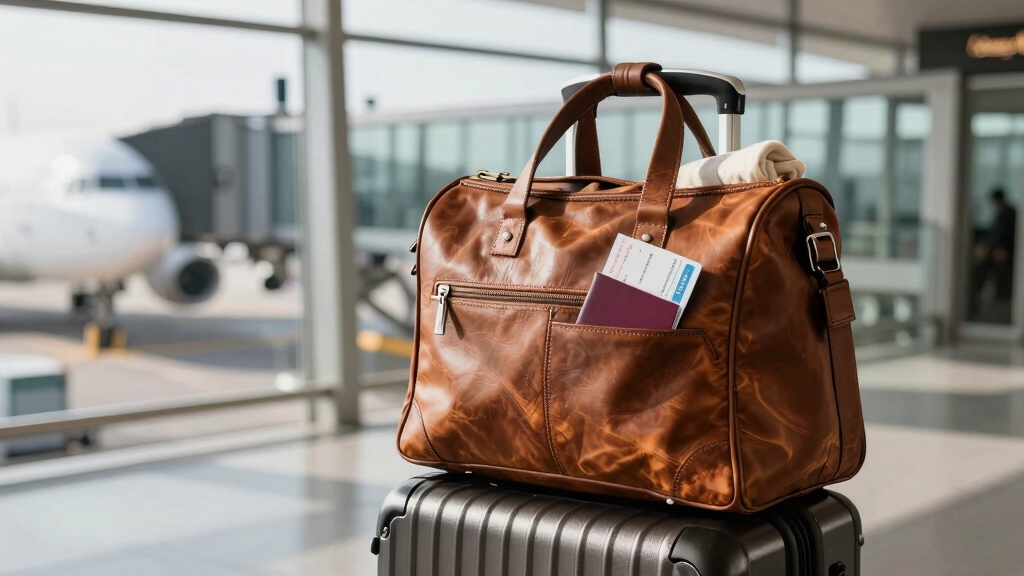
You can usually bring a diaper bag on board for free without it counting as your carry-on, but policies vary by airline. Many let you carry one diaper bag per child in addition to your personal item and carry-on.
Some count it toward your allowance if it’s oversized. Make sure to measure your packed diaper bag and check your airline’s rules to avoid surprises. Want to know how to pack smart and handle gate-checks?
Key Takeaways
- Most airlines allow one diaper bag per child free, separate from standard carry-on and personal item allowances.
- Some airlines count diaper bags as a personal item or carry-on if size limits are exceeded.
- Diaper bag size must comply with airline restrictions to avoid gate-checking or fees.
- Budget carriers may count diaper bags as part of the single allowed carry-on or personal item.
- Confirm specific airline policies before travel to avoid surprises with diaper bag carry-on status.
Can I Bring a Diaper Bag for Free? Airline Policy Overview

When you’re traveling with little ones, you’ll be glad to know that most airlines let you bring a diaper bag for free, separate from your standard carry-on and personal item.
Generally, one diaper bag per child is allowed without counting toward your baggage limits. Airlines like American, United, and Spirit permit this, but size limits apply—typically around 18x14x8 inches.
Keep in mind that gate agents are increasingly scrutinizing bag dimensions and may use bag sizers to ensure compliance with airline policies, so it’s best to measure your diaper bag before travel to avoid issues with enforcement realities. Choosing a lightweight, flexible bag can also help meet these size restrictions more easily.
Breast pumps and coolers often travel free, even if you’re not flying with a child. Delta and American Airlines offer additional allowances for items like booster seats or strollers.
Note that infants without tickets usually don’t get a baggage allowance. Gate agents check size compliance, so make sure your diaper bag fits the airline’s personal item dimensions to avoid hassles at security or boarding.
What Counts as Carry-On Luggage (Including Diaper Bags)?
When you’re getting ready to pack, it’s super important to check your airline’s carry-on size limits. Typically, they allow bags that are around 22 x 14 x 9 inches. Keep in mind that different airlines may have varying policies on what qualifies as a carry-on, so it’s good to verify before you travel.
But here’s a little tip: diaper bags often get a special pass! On many airlines, they don’t actually count toward your carry-on or personal item limit. How great is that? Assistive devices like diaper bags, when carried separately, do not count toward baggage limits according to U.S. airline policies.
Knowing these exceptions can really help you pack more efficiently. You can avoid those surprise fees or having to gate check your bags. So, go ahead and pack smart! For added security, consider using a TSA-approved lock if you decide to check other luggage during your trip.
Carry-On Allowance Limits
Although carry-on allowances vary by airline, understanding what counts as carry-on luggage, including diaper bags, is essential to avoid surprises at the gate.
Most U.S. airlines allow a carry-on measuring about 22″ x 14″ x 9″, including handles and wheels. Personal items like diaper bags typically fit under the seat with size limits around 18″ x 14″ x 8″.
Soft-sided, compact bags perform better as personal items because their soft material compresses around seat frames, increasing the chance they fit under the seat. Airlines generally measure the full dimensions of bags, including handles and wheels, so measuring your diaper bag fully packed helps ensure compliance.
Airlines often let you bring both, but budget carriers or basic economy fares may restrict you to one item. Weight limits usually range from 15 to 40 pounds, with stricter enforcement starting in 2026. Many U.S. airlines do not strictly enforce carry-on weight, but weight management remains important to avoid gate check fees.
Diaper Bag Exceptions
Since diaper bags often carry essential items for your child, airlines usually provide exceptions that let you bring them without counting toward your standard carry-on or personal item limits.
However, rules can vary, so it’s wise to check your airline’s policy before flying. For example, United and American Airlines treat diaper bags as exempt, while Delta and Alaska require them to meet size limits.
Here’s what you should know:
Diaper bags often count as personal items, fitting under the seat without using overhead bin space. Regularly empty and shake out your diaper bag to keep it clean and manageable during travel.
Infants traveling as lap passengers don’t get separate baggage allowances, but diaper bags remain exempt. Another adult can carry a second diaper bag as their personal item to comply with airline limits, if needed, when traveling with multiple children.
Essential baby items like formula and breast milk are allowed beyond liquid restrictions. Understanding these exceptions helps you pack smarter and avoid surprises at the gate.
Size Limits and Restrictions for Diaper Bags on Planes
Because airlines strictly enforce size limits, you’ll need to make certain your diaper bag fits within their carry-on or personal item dimensions.
Most major carriers cap carry-ons at around 22 x 14 x 9 inches, including handles and wheels, while personal items usually must fit under the seat, roughly 18 x 14 x 8 inches. Remember to include wheels when measuring to ensure accurate size compliance.
Gate agents use bag sizers to check compliance, and if your diaper bag exceeds these limits, it may be gate-checked with potential fees. Weight limits, like American’s 25-pound maximum for lap infant bags, exist but aren’t always enforced.
Keep in mind, one diaper bag per child is allowed, but it must meet size restrictions. Many airlines, such as Delta and United, specifically allow diaper bags as part of the carry-on allowance when they meet size requirements, so it’s important to verify if your airline has such specific policies.
Airlines Allowing Diaper Bags as Extra Items
When you’re traveling with little ones, airlines often make allowances to ease your load by letting you bring a diaper bag as an extra item beyond your standard carry-on and personal item limits.
Traveling with little ones? Many airlines let you bring a diaper bag as an extra carry-on item.
This means you don’t have to sacrifice space or pay extra fees for essential baby supplies.
Here’s how some major airlines help you out:
- United and American Airlines allow one diaper bag per child free of charge, with American Airlines including soft-sided coolers for breast milk.
- Spirit Airlines lets you carry a diaper bag in addition to your personal item, regardless of your child’s ticket status.
- Breeze Airways and Frontier Airlines also permit diaper bags as extra items, supporting family travel without penalties.
- Always check the latest policies, but you can usually count on this helpful exemption.
Keep in mind that packing your diaper bag efficiently with organizational features can maximize space and ease airport handling.
Airlines That Count Diaper Bags Toward Carry-On Limits
Although many airlines offer extra allowances for diaper bags, some count them toward your carry-on limits.
For example, Delta includes diaper bags in your carry-on or personal item allowance if they meet size restrictions, so you won’t get an extra bag. Knowing the TSA’s universal master key system can ease concerns about luggage security during inspections.
Alaska Airlines treats diaper bags as either your personal item or carry-on, with no extra allowance for lap infants.
United Airlines generally counts diaper bags toward carry-on limits unless traveling with a child, but Basic Economy passengers may face stricter rules, limiting you to just a personal item.
Being aware of these policies helps you pack smartly and avoid fees or gate-checking surprises, especially when overhead bin space is tight. Most airlines allow one carry-on diaper bag per child, which can be brought in addition to your standard carry-on or personal item.
Breast Pump and Cooler Bag Allowances on Flights
Negotiating airline rules for breast pumps and cooler bags can feel tricky, but knowing the basics helps you pack confidently.
Breast pumps are classified as medical devices, so they don’t count against your carry-on allowance. You can carry pumps in their own separate bag, which airlines typically allow as an additional item. Remember to check specific airline policies regarding carry-on size to avoid surprises at the gate.
Cooler bags for expressed milk also don’t count as carry-on items but must be screened separately at security. Keep these in mind:
- Breast milk quantities exceed standard liquid limits and can be transported in any container size.
- Ice packs and gel packs to keep milk cool are allowed but subject to screening.
- Notify TSA officers at the start of security checks for smoother inspections. You also have the right to request that TSA officers wear fresh gloves when handling your milk or pump parts.
Traveling With Your Diaper Bag: Tips for Different Airlines
When you’re getting ready to travel with your diaper bag, it’s super important to check out the specific policies for each airline.
Trust me, you want to avoid any surprises when you get to the gate! Most airlines are pretty accommodating and allow you to bring a diaper bag without it counting against your carry-on limit.
However, keep in mind that size restrictions and rules can differ from one airline to another. Oh, and if you’re packing a breast pump, definitely take a moment to look into how it fits within the airline’s allowances.
Airline Diaper Bag Policies
Because each airline has its own rules, knowing their diaper bag policies can save you hassle at the gate. Some airlines treat diaper bags as extra items, while others count them toward your carry-on limit.
For example, United and JetBlue allow a diaper bag free of charge beyond your carry-on and personal item, even without a child onboard. On the other hand, Southwest counts the diaper bag as part of your carry-on allowance, so pack carefully.
Here’s what to keep in mind: United and American Airlines offer generous free diaper bag allowances, including breast pumps. Delta counts diaper bags as carry-ons but adds free breast pumps and infant seats.
Budget airlines like Spirit and Frontier usually allow diaper bags as free add-ons beyond personal items. Check your airline’s policy before flying to avoid surprises.
Remember that TSA and airline regulations also consider the contents of your diaper bag, such as batteries in breast pumps, which must comply with carry-on battery policies to avoid security delays.
Carry-On Allowance Tips
Packing your diaper bag smartly can make all the difference when negotiating carry-on allowances across airlines.
You’ll want to check size limits carefully. United allows 22 x 14 x 9 inches, while American Airlines restricts bags to 18 x 14 x 8 inches. Measuring your bag accurately using a flexible tape measure ensures your diaper bag complies with these size restrictions.
Weight matters too; Ryanair caps baby bags at 5kg for lap infants, but Air Canada has no weight limit if you can stow it overhead unaided. Many airlines, like JetBlue and Frontier, let you bring a free diaper bag per lap infant without counting it as your personal item.
Always confirm policies directly with your airline, as rules vary and can change. For example, some airlines consider breast pumps as medical devices and allow them as carry-ons without extra fees. Planning ahead guarantees your diaper bag fits smoothly into your carry-on allowance and avoids last-minute hassles.
Handling Breast Pumps
Managing your diaper bag also means handling breast pumps thoughtfully, as airlines treat them differently from standard carry-on items. Breast pumps are considered medical devices, so they don’t count toward your carry-on limit and are exempt from liquid restrictions for milk and ice packs.
It’s recommended to pack frozen ice packs that are solid when leaving for the airport to avoid them being treated like liquids by TSA security screening procedures.
Always notify the TSA officer during security screening and fully charge your pump before the flight. To make your trip smoother:
Pack the breast pump and accessories in a separate bag labeled clearly to avoid carry-on confusion. Check your airline’s specific policy. Spirit, United, and American Airlines all have supportive rules.
Use airport lactation pods or pump onboard discreetly, with flight attendants ready to assist.
What to Expect When Gate-Checking a Diaper Bag?
When you gate-check a diaper bag, you’ll hand it over just before boarding. It’ll be stored in the aircraft’s cargo hold during the flight. Most airlines allow one diaper bag per child at no extra charge, but policies vary. Some count it as a carry-on, while others don’t.
Gate agents will tag your bag and return it to you at the gate or passenger bridge upon arrival. Make sure the diaper bag meets size requirements; oversized bags might be checked under your name with possible fees.
If you’re traveling with strollers or car seats, these are also often gate-checked for free. To avoid surprises, confirm your airline’s specific rules ahead of time, especially for international flights where baggage allowances differ.
Packing Your Diaper Bag to Meet Carry-On Rules
Although diaper bags are essential for traveling with kids, you’ll need to pack them carefully to meet airline carry-on rules and size restrictions.
Different airlines treat diaper bags differently. Some allow them as a free additional item, while others count them toward your carry-on allowance. It is important to remember that one personal item and one carry-on are allowed per passenger, which may affect how your diaper bag is counted.
To stay compliant, focus on these packing essentials:
- Diapers, wipes, extra clothes, and changing supplies that fit within size limits (e.g., American Airlines personal item max 18 x 14 x 8 inches).
- Breast pump and small soft-sided cooler for milk, which many airlines and TSA permit free of charge.
- Liquids limited to TSA’s 3-1-1 rule: containers of 3.4 oz or less inside a quart-sized bag.
Always measure your packed bag, check your airline’s current policies, and label items clearly to avoid surprises at the gate.
Frequently Asked Questions
Can I Bring Liquids in My Diaper Bag Without TSA Restrictions?
You can bring certain liquids in your diaper bag without TSA restrictions, like baby formula, breast milk, and juice in reasonable amounts, but you must declare them at the checkpoint.
Ice packs to keep food cool are allowed too, though they’re subject to inspection. Other liquids follow the usual 3-1-1 rule, so keep non-exempt liquids under 3.4 ounces in a clear bag.
Always separate exempt items for screening to speed things up.
Are There Special Security Screening Procedures for Diaper Bags?
About 90% of parents breeze through TSA with diaper bags using standard screening. You won’t face special procedures, but TSA may ask you to place the bag separately for X-ray.
If baby formula or breast milk is inside, just declare it; they’re exempt from liquid limits. To keep things smooth, inform officers about infant items, pack neatly, and make sure your diaper bag fits size limits to avoid extra hassle.
Can I Use a Diaper Bag as My Personal Item on International Flights?
Yes, you can usually use a diaper bag as your personal item on international flights.
Airlines like United and American often allow diaper bags in addition to your standard carry-on and personal item.
Just make sure the diaper bag meets size restrictions, typically around 22x14x9 inches.
Keep in mind, policies vary, so double-check your airline’s rules before flying to avoid any surprises at the gate or security checkpoint.
How Early Should I Arrive at the Airport When Traveling With a Diaper Bag?
You should arrive at least three hours before your flight when traveling with a diaper bag, especially during peak times.
Imagine waiting in a line that’s twice as long because of extra security checks for strollers and baby items; that’s common. TSA screening can add 15-30 minutes, so giving yourself this buffer helps you stay stress-free.
Using airline apps to confirm times and considering PreCheck can save you valuable minutes too.
Are There Airline-Specific Carry-On Fees for Oversized Diaper Bags?
You won’t usually face extra fees for oversized diaper bags if they meet airline policies, but some carriers may require you to check them, possibly with a fee.
United and American Airlines might charge if your bag exceeds size limits. Spirit generally allows one diaper bag free, but extra or oversized ones could cost you.
Delta counts diaper bags within your carry-on allowance; oversized bags might be gate-checked free. Always check your airline’s specific rules before you fly.
Ultimate Travel Companion: Your Diaper Bag
Think of your diaper bag as your trusty sidekick on this travel adventure. It often flies free alongside you, slipping under the radar as an extra item. But remember, each airline has its own rulebook, so size and allowances can change the game.
Pack smart, know the limits, and you’ll glide through security like a pro. With a little planning, your diaper bag won’t just carry essentials; it’ll carry peace of mind, ready for whatever the journey brings.