
Packing List for South Africa: Fully Prepared for Adventure

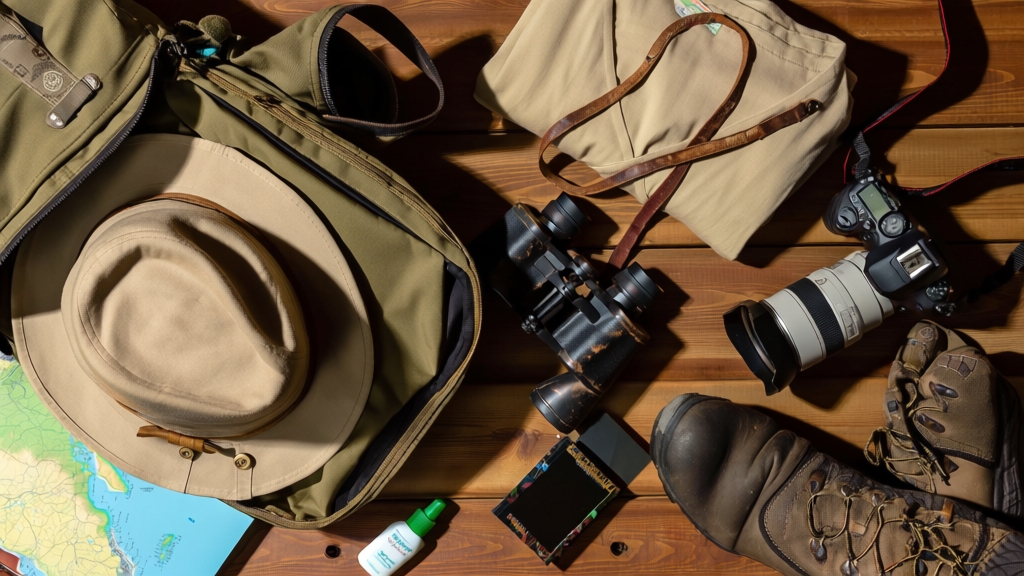
You’ll want versatile clothing like layered tees, convertible pants, and sturdy hiking boots to handle South Africa’s changing climates and terrains. Don’t forget high SPF sunscreen, a wide-brimmed hat, and polarized sunglasses to protect against strong sun.
Pack a well-stocked first aid kit, water purification gear, and essential medications. Bring universal adapters, extra camera batteries, and a reliable daypack. Keep your passport, travel insurance, and payment methods secure.
For a seamless adventure, there’s more you can prepare to ensure comfort and safety throughout your journey.
Key Takeaways
- Pack layered clothing including lightweight tees, long sleeves, warm hoodies, convertible pants, and waterproof rain gear for variable South African climates.
- Bring high SPF sunscreen, UPF clothing, wide-brimmed hats, polarized sunglasses, and insect repellent for sun and mosquito protection.
- Include a first aid kit, personal medications, water purification tablets, and reusable water bottles to stay healthy and hydrated.
- Carry universal travel adapters (Type M and D), extra camera batteries, power banks, and binoculars for safaris and electronics needs.
- Ensure travel documents are current: passport with blank pages, visa or ETA if required, yellow fever certificate, and comprehensive travel insurance.
Clothing and Footwear Essentials
When packing for South Africa, choosing the right clothing and footwear is essential to stay comfortable across its varied climates and activities.
Start with layering essentials: light, breathable t-shirts and tank tops for hot days, long-sleeve shirts to shield you from sun and insects, and thick hoodies or fleeces for chilly mornings and evenings.
Layer light tees and tanks for heat, long sleeves for protection, plus warm hoodies for cool mornings and nights.
Convertible pants with zip-off legs let you adapt to temperature swings easily. Bring 2-3 pairs of neutral-colored long pants and shorts for versatile wear, plus black leggings for flights. Remember to pack liquids, including perfumes, in accordance with TSA liquid restrictions if carrying them in your carry-on luggage.
For outerwear, pack waterproof rain jackets and lightweight ponchos to handle sudden showers. It is also important to include SPF50 sunscreen to protect your skin from the strong South African sun during summer.
Footwear should include supportive hiking boots, comfortable walking sandals, sneakers, and flip-flops for poolside ease.
Sun Protection and Accessories
Start with a high SPF sunscreen, SPF 50 if you have pale skin, and reapply every two hours, especially if you’re sweating or swimming. Pair this with UPF-rated clothing and a wide-brimmed hat to shield your face, neck, and ears.
Remember that UVB causes sunburn while UVA rays penetrate deeper, contributing to skin aging and sunspots. Using protective accessories like scarves or umbrellas can further enhance your defense against harmful rays.
Don’t forget polarized sunglasses to protect your eyes from harmful UV rays. Carry a light scarf or sun umbrella for extra shade during peak sun hours.
Remember, sun protection isn’t just for sunny days. UV rays penetrate clouds and glass, so stay vigilant year-round.
- High SPF sunscreen (reapply regularly)
- Wide-brimmed hat and UPF clothing
- Polarized, UV-filtering sunglasses
- Light scarf or sun umbrella for shade
- Lip balm with SPF and antioxidant skincare
Health and Medical Supplies
Beyond shielding yourself from the sun, keeping your health in check is just as important while exploring South Africa. Make sure your vaccinations are up to date: polio boosters, hepatitis A and B, MMR, and tetanus are essential.
If you’re coming from yellow fever zones, the vaccine is mandatory. In malaria-prone areas like Kruger Park, pack anti-malaria tablets, mosquito repellents, and nets. Always carry a malaria test kit to detect infection early and seek prompt treatment.
Carry a first aid kit stocked with sterile dressings, antiseptics, pain relievers, and essentials like tweezers and scissors. Using a secure luggage lock can help protect your medical supplies from unauthorized access during travel.
Don’t forget water purification tablets and hand sanitizers to prevent gastrointestinal issues. If you have chronic conditions, bring enough medication plus prescriptions. Finally, a thermometer and motion sickness tablets can help manage fever and travel-related discomfort.
Electronics and Photography Gear
Since South Africa’s electrical outlets differ from many other countries, packing the right power adapters and converters is essential to keep your devices charged and ready.
South Africa primarily uses Type M and Type D plugs with a 230V supply, so bring universal adapters. Avoid plugging in non-dual voltage appliances like hair dryers directly.
It’s also helpful to check hotel amenities for electrical outlet compatibility before you travel. Remember to verify that your power banks comply with airline restrictions for lithium battery capacity when flying.
For capturing stunning safari moments, pack extra SD cards, spare batteries, and a telephoto lens. Portable power banks with multiple USB ports keep your gadgets running during long excursions.
Don’t forget a sturdy tripod for low-light shots and binoculars for exceptional wildlife viewing.
- Universal power adapters for Type M and D outlets
- Extra camera batteries and SD cards in protective cases
- Portable multi-port power banks
- Tripod for steady photography
- Binoculars for enhanced wildlife observation
Toiletries and Personal Care Items
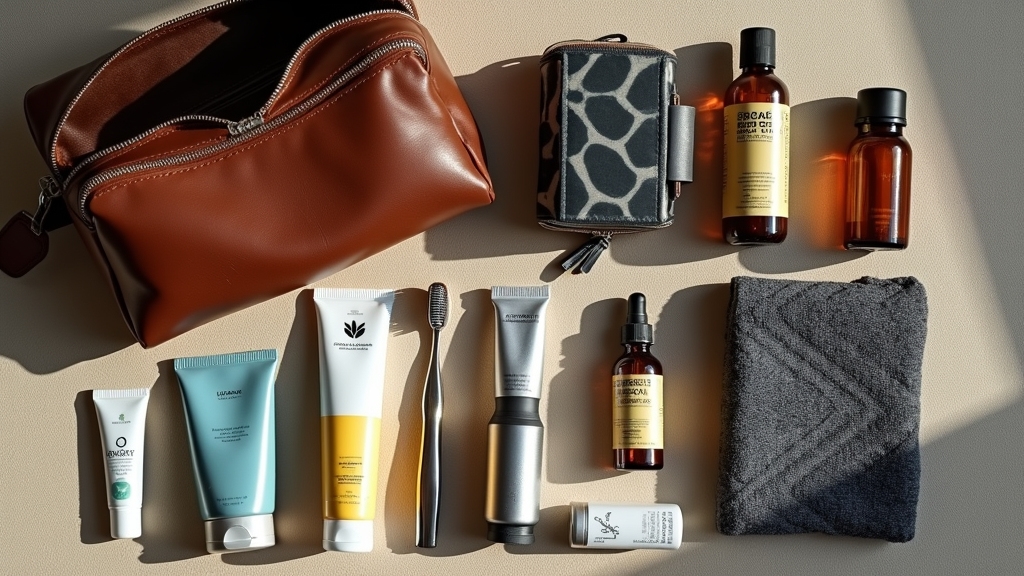
Alongside your electronics and photography gear, packing the right toiletries and personal care items guarantees you stay comfortable and refreshed throughout your South African adventure.
Bring a high-SPF, eco-friendly sunscreen to protect against strong UV rays, plus moisturizer to combat dry climates.
Stock up on your preferred shampoo, conditioner, and body wash, although many lodges provide basics. Don’t forget toothpaste, toothbrush, deodorant, and biocompatible dental floss. You can also bring solid shampoo bars, which are TSA-friendly and environmentally sustainable travel toiletries.
Include insect repellent, essential in malaria zones, and a first aid kit with plasters, antiseptic cream, and pain relievers. Pack sanitary products carefully; tampons are less common locally. For extra skincare, carry SPF lip balm and hand sanitizer.
Opt for travel-sized containers to meet airline rules and consider biodegradable items to minimize environmental impact. Bringing travel-sized containers also helps keep your luggage organized and compliant with airline restrictions.
Important Documents and Travel Information
Before you pack your bags, take a moment to check if your passport is valid and whether you need a visa to enter South Africa. It’s super important to have these sorted out before you go. Be sure to complete a traveler declaration form online before arrival, as this is mandatory for all travelers.
Also, don’t forget to bring your travel insurance details! You never know when unexpected events might pop up, and it’s always better to be prepared. When traveling with electronics, especially multiple laptops, make sure to follow TSA and FAA regulations to avoid any issues at security checkpoints.
Oh, and while you’re at it, get familiar with the local currency and payment options. This will help keep your finances running smoothly during your trip.
Passport and Visa
How do you guarantee a smooth entry into South Africa? First, verify your passport is valid for at least 30 days after your return date, with two blank pages and no damage. To keep your travel documents in good condition, handle them with gentle care.
U.S. citizens don’t need a visa for stays up to 90 days, but others might. Starting October 2025, everyone must apply for an Electronic Travel Authorization (ETA) online before traveling.
Don’t forget additional paperwork like a traveler declaration form and proof of onward travel. Here’s a quick checklist:
- Passport valid 30+ days post-trip, with blank pages
- Visa or ETA as required by nationality
- Completed traveler declaration form online
- Return or onward ticket ready to show
- Yellow fever certificate if arriving from risk areas
Stay prepared, and South Africa will welcome you warmly!
Travel Insurance Details
Once your passport and visa details are in order, turn your attention to travel insurance, a key part of preparing for your South African adventure.
Though not mandatory for most, many providers and visas require proof. Medical coverage should include at least $100,000 for emergencies and $250,000 for evacuation. Consider adding compression buckles to your travel gear to help stabilize your load and improve comfort on long trips.
Add trip cancellation, baggage, and personal liability coverage to protect yourself fully. Purchase your policy within three weeks of booking, choosing from single or annual plans. Renting a car is a recommended way to explore rural areas, especially for UK citizens, so ensure your insurance covers rental vehicles in these areas (car rental).
| Concern | Why It Matters |
|---|---|
| Medical Coverage | Avoids costly hospital bills |
| Evacuation | Ensures safe transport if needed |
| Trip Cancellation | Protects your prepaid expenses |
| Baggage Protection | Replaces lost or stolen items |
| 24/7 Assistance | Support anytime, anywhere |
Currency and Payment Options
Managing South Africa’s currency and payment options is essential for a smooth travel experience. The official currency, the South African Rand (ZAR), fluctuates daily, so keep an eye on exchange rates before you convert cash.
ATMs are widespread, especially in cities, but always watch for skimming devices. Credit and debit cards, particularly Visa and Mastercard, work well in most places, with contactless payments becoming more common. When carrying items such as tote bags or travel pouches, remember that proper care will help maintain their usability throughout your trip.
Carry some Rand cash for immediate expenses, but avoid exchanging large amounts without comparing rates. In 2025, the Rand appreciated in value by over 10%, making it favorable for travelers to monitor the strengthening Rand. Also, keep your bank’s emergency contact info separate from your cards in case of loss or theft.
- Carry 500-1000 ZAR in cash on arrival
- Use ATMs in secure, busy locations
- Prefer cards at hotels and restaurants
- Monitor exchange rates to get the best deal
- Keep emergency bank contacts handy for quick reporting
Miscellaneous Travel Gear and Tools
Hey there! As you get ready for your trip, don’t forget to pack those essential travel documents securely. It really makes things smoother when you’re entering and exiting places, you know? Using a padfolio organizer can help keep your documents neat and protected.
Also, think about your safety! It’s a great idea to bring along some outdoor safety gear, like a mini first aid kit and reliable lighting. Trust me, being prepared for any situation can really save the day.
And let’s not forget about staying hydrated! Make sure to bring a sturdy water bottle. A filter water bottle like the LifeStraw Go can help you stay safe by removing harmful bacteria while reducing plastic waste.
Oh, and smart storage solutions for your belongings can really help keep everything organized during your South African adventure. Happy travels!
Essential Travel Documents
What documents do you absolutely need to breeze through South African immigration?
First, verify your passport is valid for at least 30 days beyond your departure date and has two blank pages for stamps or visas.
Depending on your nationality, you might need a visa or the new Electronic Travel Authorization (ETA), which simplifies entry for many travelers. The ETA system will use AI and automation to streamline the entry process for approved travelers.
Keep supporting documents handy, such as proof of onward travel and hotel bookings.
Also, be prepared for biometric scans at arrival.
Here’s a quick checklist:
- Valid passport with two blank pages
- Visa or Electronic Travel Authorization (ETA) if required
- Yellow fever vaccination certificate (if applicable)
- Proof of travel itinerary and accommodation
- Supporting documents for specific visa types (work, study, etc.)
Outdoor Safety Equipment
Though South Africa’s stunning landscapes invite exploration, staying safe outdoors requires the right gear and tools. You’ll want reliable navigation aids like maps, compasses, and GPS devices with altimeter and barometer features to stay on track.
Don’t forget a satellite messenger for emergencies beyond cellphone reach. A sturdy multi-tool helps with camp setup and repairs, while a pocket knife and safety whistle add extra security. For lighting, pack a dependable headlamp and backup fire starters like waterproof matches.
Trekking poles boost stability on uneven trails, and cut-resistant gloves protect you from thorny vegetation. Additionally, carrying a basic first aid kit is essential for treating minor injuries on the trail.
Finally, a compact survival kit and thermal blankets prepare you for unexpected conditions, ensuring you’re ready to handle South Africa’s diverse outdoor challenges confidently and safely.
Hydration and Storage
After gearing up with the right outdoor safety tools, you’ll want to focus on staying hydrated and organizing your essentials efficiently.
South Africa’s heat demands insulated, reusable water bottles that keep drinks invigoratingly cold. Opt for a 1-liter size for day trips, easily refillable at lodges. Be sure to carry sufficient water for safaris and long drives to prevent dehydration, as hydration is critical in these environments.
Consider bottles with built-in purification for remote areas, ensuring safe water access. A wide-mouth design simplifies cleaning and ice insertion, essential under the scorching sun.
To keep your devices powered, pack a lightweight power bank with multiple USB ports, perfect for safari drives. Don’t forget a compact universal travel adapter compatible with South African outlets to charge all your electronics hassle-free.
- Insulated, 1-liter reusable water bottle with purification
- Lightweight portable power bank with multiple ports
- Wide-mouth design for easy cleaning and ice
- Universal travel adapter for Type D and M plugs
- Hydration-compatible daypack with organized compartments
Frequently Asked Questions
What Is the Luggage Weight Limit for Flights Within South Africa?
You get a generous 20 kg allowance on scheduled flights within South Africa.
This is enough to pack your essentials without turning your suitcase into a small elephant.
Your hand luggage is limited to 5-7 kg, depending on the carrier, so don’t smuggle that extra novel or souvenir.
Remember, regional flights are even stricter with soft bags only and tighter weight limits.
Overweight bags? Expect a surcharge that’ll make you reconsider your shopping spree.
Are There Restrictions on Carrying Food or Snacks Into South Africa?
Yes, you’ll face restrictions when carrying food or snacks into South Africa. You must declare all animal or plant products to avoid fines or confiscation.
Meat, dairy, honey, and eggs require permits and health certificates. Many fresh produce items are restricted to prevent pests and diseases.
Packaged foods need accurate labeling. If you don’t comply with these rules, customs will likely confiscate your items or impose fines. Always check before you pack!
Can I Use Local SIM Cards or Should I Rely on International Roaming?
You should definitely use local SIM cards instead of relying on international roaming.
Local SIMs like Vodacom or MTN offer better coverage, faster data speeds, and far more affordable rates.
You’ll get reliable voice, text, and data services tailored for South Africa.
Roaming tends to be expensive and limited in data.
Plus, buying a local SIM is easy at airports or stores, making it a smart, cost-effective choice for your trip.
How Should I Pack Valuables to Avoid Theft During My Trip?
You should pack valuables in your carry-on, never checked luggage, to keep them close and reduce theft risk.
Use vacuum-sealed bags for extra tamper protection, and spread your valuables across different pockets or compartments.
Avoid flaunting expensive items, use hidden pockets, and consider a decoy wallet.
Always store valuables securely in hotel safes and never leave them unattended in vehicles.
Staying vigilant and discreet keeps your belongings safer throughout your trip.
Are There Specific Customs Regulations for Bringing Souvenirs Back Home?
Think of customs regulations as a gatekeeper guarding your souvenirs’ journey home.
Yes, you’ll need to follow rules: declare any items exceeding duty-free limits, especially tobacco, or pricey goods.
Some items, like certain foods or animal products, need permits or are outright banned.
Keep receipts handy and know your country’s allowances to avoid surprises.
Proper documentation guarantees your treasures cross borders smoothly, so your memories arrive intact, not held hostage.
Pack Smart, Travel Smooth, and Embrace the Magic Ahead
Now that you’ve got your packing list nailed down, you’re ready to plunge into South Africa’s vibrant tapestry with confidence. Think of your gear as your trusted compass, guiding you through sun-soaked safaris, bustling cities, and serene coastlines.
With the right clothes, health supplies, and gadgets, you’ll breeze through every adventure without a hitch. So pack smart, stay prepared, and let the magic of South Africa unfold right before your eyes.