
Why Are Golf Bags so Expensive: High-End Golf Bag

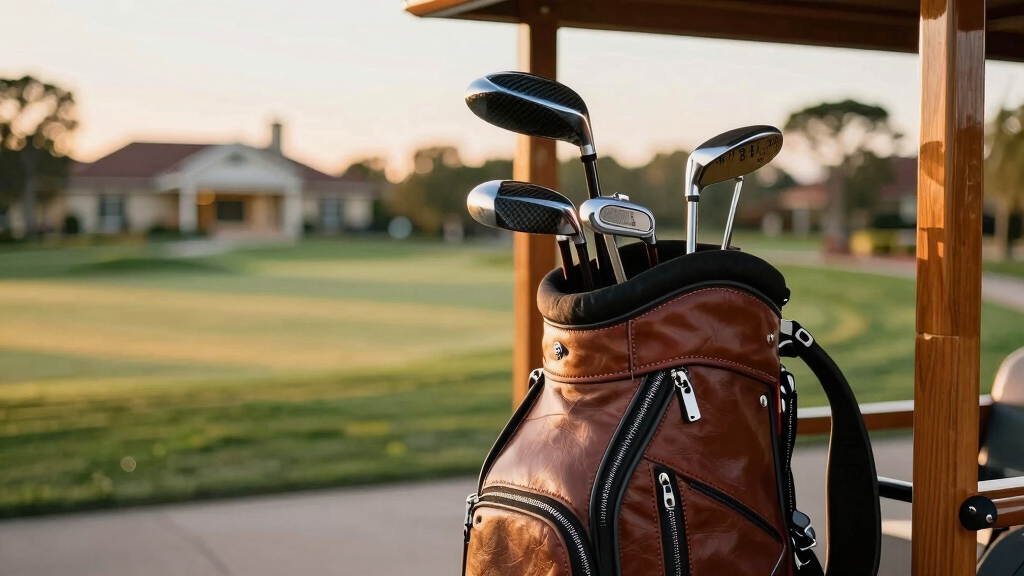
You pay more for golf bags because they use high-quality materials like PU leather or durable nylon that require precise cutting and add weight.
Custom hardware, including branded zippers and metal parts, demands costly molds and increases production time.
Skilled labor for embroidery and reinforced stitching guarantees durability and reduces returns. Brands invest heavily in quality control and sustainable sourcing, boosting costs further.
These factors combine to justify premium pricing, with deeper details revealing how each element shapes the final cost.
Key Takeaways
- High-quality materials like premium PU leather and durable high-denier fabrics significantly increase golf bag costs.
- Custom hardware and exclusive design elements require costly molds and extend production timelines.
- Hand-crafted embroidery and detailed craftsmanship add labor-intensive customization expenses.
- Rigorous quality control and durability enhancements reduce returns but raise manufacturing costs.
- Premium brand positioning and sustainable materials demand higher prices due to reputation and environmental compliance.
How Material Choices Affect Golf Bag Prices?
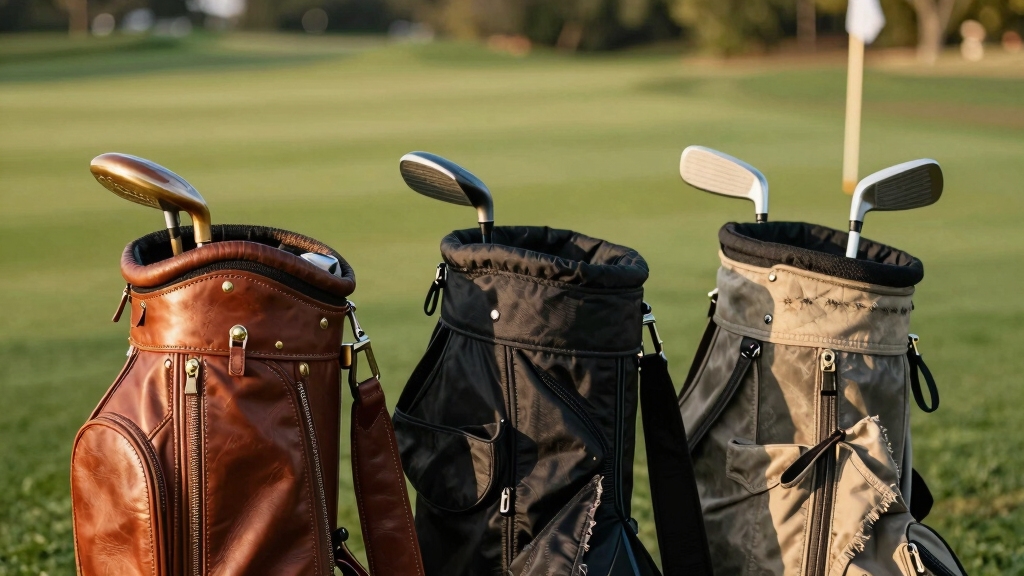
Choosing the right materials materially drives the cost of golf bags, accounting for 40-50% of the total unit price.
High-end PU leather offers a luxury appearance and water resistance but results in lower utilization rates during cutting due to defects in the raw material.
High-end PU leather provides luxury and water resistance but suffers from lower cutting utilization due to material defects.
In contrast, nylon and polyester fabrics, typically 600D or 840D denier, represent industry standards, balancing durability and cost-effectiveness.
When selecting materials, consider that automated laser cutting machines reduce fabric waste by approximately 15% compared to manual cutting. This impacts overall manufacturing efficiency.
Your choice of premium materials greatly influences the final retail price, as they require more expensive sourcing and generate higher waste. This increases production costs.
Fabrics with higher denier values generally increase durability but also add weight and cost, which factors into golf bag pricing.
How Custom Hardware Increases Golf Bag Costs?
Material selection sets the foundation for golf bag pricing, but the choice and customization of hardware components also play a significant role. When you opt for custom hardware such as branded zipper pulls or specialized handle molds, manufacturers must invest in new molds ranging from $300 to $2,000.
Unlike standard parts made with existing open molds, these unique components increase setup costs and extend production timelines. Additionally, proprietary bottom bases and exclusive design elements contribute hidden manufacturing expenses that directly affect the final price you pay.
The use of heavy-duty metal hardware in manufacturing ensures enhanced durability but also adds to production costs.
| Hardware Component | Cost Impact |
|---|---|
| Custom Mold Creation | $300 – $2,000 |
| Standard Parts | Zero tooling cost |
| Proprietary Bases | Increased setup expense |
Understanding these factors clarifies why custom hardware raises golf bag costs.
How Labor and Embroidery Affect Golf Bag Pricing?
Although hardware customization adds to golf bag costs, labor-intensive embroidery and stitching play an equally critical role in pricing.
When you opt for hand-crafted embroidered shoulder straps, especially on cart and tour bags, you’re choosing the most expensive customization.
Standard font embroidery often comes free, but custom logos start at around €100, including VAT.
Complex designs like coats of arms or animal motifs require additional embroidery programming, increasing labor and machine setup expenses.
The labor involved in adapting embroidery programs, running machines, and ensuring stitch precision drives up production time and costs.
This detailed manual and machine work markedly impacts the final retail price, reflecting the craftsmanship you’re investing in when purchasing a customized golf bag.
Proper conditioning and protection of leather components also contribute to the longevity and perceived value of the bag.
How Quality Control and Durability Influence Golf Bag Prices?
Since golf bags endure frequent handling and exposure to rough conditions, manufacturers prioritize rigorous quality control and durability standards to minimize returns and enhance user satisfaction.
You’ll find that weak zipper stitching and unstable bases lead to most product returns. Brands enforce reinforced stitching and structurally stable bottoms.
Weak zipper stitching and unstable bases cause most returns, prompting brands to enforce reinforced stitching and stable bottoms.
These durability requirements add labor hours during inspection and finishing stages, increasing production time and costs.
You’ll also notice manufacturing constraints limit capacity across cutting, sewing, and inspection, which further tightens quality assurance processes.
Premium bags from brands like Sun Mountain command higher prices partly due to this meticulous quality control.
When you buy such a golf bag, you pay for enhanced manufacturing oversight that guarantees longevity, reducing failure risks and guaranteeing performance even under demanding conditions.
Additionally, careful maintenance, including wheel lubrication and handling, plays a role in preserving the bag’s functionality over time.
How Brand Positioning and Sustainability Impact Golf Bag Pricing?
When you consider golf bag pricing, brand positioning plays a pivotal role in defining cost structures and perceived value.
Premium brands like Sun Mountain and Ogio command prices between $200 and $400 by leveraging heritage, quality assurance, and market segmentation strategies.
Their reputation justifies investments in reinforced stitching, stable bases, and advanced quality control, which increase production costs.
Sustainability further influences pricing as manufacturers integrate eco-friendly RPET materials, reflecting a 300% demand surge in Europe.
These materials require new supply chains, certifications, and often cost more per unit than traditional synthetics.
Consequently, incorporating sustainable sourcing adds to manufacturing expenses.
When you buy a golf bag, you’re paying not just for materials and craftsmanship but also for brand equity and environmental compliance.
Both of these factors markedly impact the final retail price.
Similarly, in luxury travel goods, brands like Maxwell Scott use full-grain vegetable-tanned Italian leather to justify premium pricing through craftsmanship and sustainable practices.
Frequently Asked Questions
How Do Shipping and Import Taxes Affect Golf Bag Retail Prices?
Imagine you’re shipping a golf bag by horse-drawn carriage.
Shipping and import taxes still inflate retail prices markedly.
You’ll face import duties based on the bag’s declared value and country of origin, adding a percentage cost.
Shipping fees cover transportation, handling, and customs clearance, varying by distance and mode.
These charges directly increase the wholesale cost, which retailers pass on to you.
What Role Does Marketing and Advertising Play in Golf Bag Costs?
Marketing and advertising markedly influence golf bag costs by increasing brand visibility and consumer demand.
You’ll find that companies invest in targeted campaigns, sponsorships, and digital promotions to justify premium pricing.
These efforts require budget allocation, which manufacturers factor into retail prices.
When you buy a golf bag, part of the cost covers strategic marketing that positions the product as high-quality and desirable within competitive market segments.
How Do Seasonal Demand Fluctuations Impact Golf Bag Pricing?
You’ll notice golf bag prices rise during peak seasons due to increased demand, which strains manufacturing capacity and material supply chains.
Brands ramp up production, incurring overtime labor and expedited shipping costs.
Conversely, in off-peak periods, slower sales force discounts to clear inventory.
Seasonal demand fluctuations also affect raw material availability and cost, influencing final pricing.
Therefore, you’ll pay more when demand peaks and less when the market is saturated.
Are Golf Bag Warranties Included in the Purchase Price?
Yes, golf bag warranties are typically included in the purchase price. When you buy a premium golf bag, the warranty covers manufacturing defects like weak stitching or hardware failures.
However, warranty lengths and coverage can vary by brand and model, so you should review the specific terms. Keep in mind, warranty costs are factored into retail pricing, reflecting quality control investments and brand positioning to guarantee durability and customer satisfaction.
How Does Retailer Markup Influence the Final Cost of Golf Bags?
Retailer markup directly increases the final cost you pay for golf bags by adding a percentage over the wholesale price.
Since manufacturers sell at lower prices to retailers, those retailers apply markups, often 20% to 50%, to cover operational costs like staffing, rent, and marketing.
This markup varies by sales channel. Direct-to-consumer sales usually have lower markups, while specialty pro shops and chain retailers might charge more, impacting your overall purchase price.
Precision, Prestige, and Performance: The Real Cost Explained
You’re investing in more than just a container for your clubs; you’re paying for precision-engineered materials, custom hardware, and meticulous craftsmanship.
Like the gears of a finely tuned machine, every stitch and component is designed for durability and performance. Brand prestige and sustainable practices add layers of value, driving costs higher.
Understanding these intricate factors helps you appreciate why quality golf bags command premium prices. They’re built to elevate your game and last the long haul.