
Why Is It Called a Duffel Bag? History and Meaning

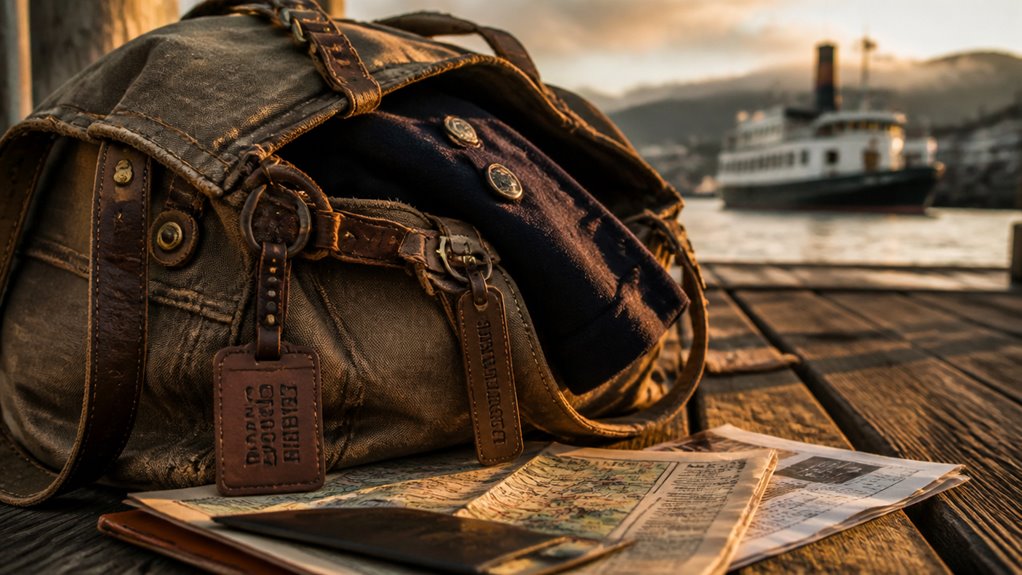
You call it a duffel bag because the name comes from Duffel, a town in Belgium known for its thick, coarse woolen cloth used since at least the 17th century.
That durable fabric was perfect for making sturdy, cylindrical sacks favored by soldiers and travelers.
Over time, the term shifted from the material to the bag made from it, especially with military use spreading through Britain and America.
As you explore further, you’ll see how its design and name evolved but kept their rugged essence.
Key Takeaways
- The name “duffel bag” originates from Duffel, Belgium, where thick woolen cloth called duffel was first produced.
- Originally, “duffel” referred to a durable, coarse wool fabric used for making heavy-duty sacks and bags.
- Duffel bags were initially cylindrical sacks made of thick wool fabric with drawstring closures, popular among sailors and soldiers.
- Military use in the 18th and 19th centuries spread the term, with British and later American troops adopting duffel bags for their durability.
- Despite modern materials, the name persists to signify rugged, reliable bags inspired by the original heavy wool duffel cloth.
Origin of the Name “Duffel
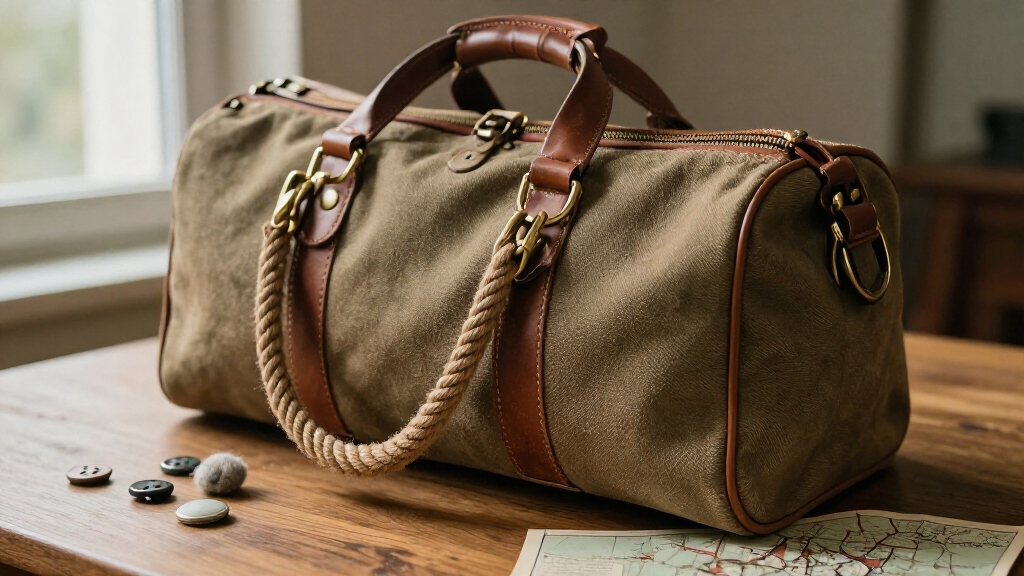
The origin of the name “Duffel” traces back to a small town in Flanders, Belgium, called Duffel. You’ll find that the term initially described a thick woolen cloth produced there, renowned for its durability and heavy nap.
The name Duffel originates from a Belgian town known for its durable, thick woolen cloth.
This fabric wasn’t just any textile; it became significant enough that its name stuck as an eponym, directly linked to the place of origin rather than a descriptive feature.
Over time, the term evolved in English usage, with “duffle” emerging as a common variant spelling. When you analyze the transformation, you see the name’s journey from place to fabric lays the foundation for the later naming of bags made from this material.
Understanding this origin clarifies why “Duffel” isn’t a random label but a geographically rooted term. Many modern duffel bags, such as those made from waxed canvas, continue the legacy of durable materials associated with the name.
When Did “Duffel” First Mean Cloth?
After tracing the name “Duffel” to its Belgian roots, you might wonder when it first came to identify the heavy woolen cloth itself.
The Oxford English Dictionary dates “duffel” as a cloth term back to 1649 in English records. Originally, the word described a coarse, thick wool fabric produced in Duffel, Belgium, valued for its durability and warmth.
Although production likely began earlier, some sources suggest the 15th century or before. The English adoption marks a clear point when the place name shifted to fabric identity.
At this stage, “duffel” solely referred to the material, not any object made from it. This evolution illustrates how geographic names often evolve into textile terms, setting the stage for the later development of the “duffel bag” term tied to the cloth.
Today, duffel bags made from this durable material are popular as checked luggage due to their flexible structure and adaptability in travel.
Uses of Original Duffel Cloth
Original duffel cloth has a reputation for toughness, which makes it perfect for workwear and military garments that need to withstand harsh conditions. You know, it’s that kind of fabric that can really take a beating.
Plus, its thick wool fibers offer fantastic insulation and weather resistance. That’s why you often see it used for blankets and protective coverings. It’s just practical!
When you think about all these uses, it’s easy to see why the durability of this fabric became synonymous with the sturdy bags that carry its name. Pretty interesting, right?
Additionally, duffel bags benefit from reinforced stitching that enhances their ability to carry heavy loads without tearing.
Workwear And Military Garments
Look closely at the historical uses of duffel cloth, and you’ll find it played a crucial role in workwear and military garments. Its coarse, heavy wool made it ideal for tough environments where durability and warmth were essential.
Soldiers and laborers depended on its resilience to withstand harsh conditions while maintaining comfort. You’d see duffel cloth fashioned into:
- Sturdy military greatcoats protecting troops in cold weather
- Hard-wearing work jackets for craftsmen exposed to rough tasks
- Reinforced trousers designed to endure daily wear and tear
This fabric’s thick nap provided insulation and water resistance, making it a practical choice long before synthetic materials existed. Its use in military attire especially highlights duffel cloth’s balance between protection and functionality, establishing its reputation as a reliable workhorse textile. The durability and water resistance of such materials made them preferred choices for rugged, unpredictable environments.
Blankets And Weather Protection
Beyond workwear and military garments, duffel cloth found important applications in providing warmth and shielding against harsh weather. You’d find this heavy wool fabric used as blankets and weatherproof coverings because its thick nap trapped heat effectively.
Its coarse weave repelled wind and moisture, making it a reliable shield in damp, cold environments. When you relied on duffel cloth, you benefited from its durability and insulating properties, essential for outdoor use.
People in the 15th century and beyond depended on it to stay warm during harsh winters or protect goods from rain and snow. Understanding these practical uses helps you appreciate why the fabric earned a reputation for toughness and comfort, traits that later translated into the durable duffel bags you know today.
Modern durable carryalls, such as those made from heavy waxed canvas, continue this tradition of combining toughness with weather resistance.
How Duffel Cloth Became Bag Material?
Tracing how duffel cloth became the preferred material for bags reveals a practical evolution rooted in the fabric’s unique qualities.
Duffel cloth’s thickness, durability, and weather resistance made it ideal for crafting sturdy bags.
Its coarse wool held up well against rough use, which suited sailors, soldiers, and travelers who needed reliable gear.
When you handle a duffel bag, you’re connecting to a tradition where material choice was about functionality first.
Imagine the fabric’s characteristics:
Thick wool with a dense nap providing warmth and protection.
Rough texture that resists wear and tear during transport.
Heavyweight build that supports carrying bulky or heavy items.
This practical durability turned duffel cloth into a natural choice for bag makers, establishing the material-to-object naming link. The use of durable materials like waxed canvas and reinforced leather in modern bags continues this legacy of prioritizing strength and longevity.
When Did “Duffel Bag” Become a Term?
The term “duffel bag” first popped up in records around 1768. That’s quite a bit after the name for the cloth was already in use. Interesting, right?
It wasn’t until around 1915 that “duffel bag” really took off in American English. This surge in popularity was largely influenced by military use during that time. So, when you look at this timeline, it’s pretty neat to see how the name evolved along with its practical applications.
Today, duffel bags are recognized for their versatile uses across travel, outdoor activities, and professional contexts, highlighting their continued relevance and adaptability.
Earliest Recorded Usage
The term “duffel bag” first appeared in recorded English usage in the late 18th century, with the earliest specific reference dated to 1768.
You can trace the name’s origin directly to the durable woolen cloth from Duffel, Belgium. This cloth was used to make sturdy cylindrical sacks ideal for travel and military use.
This shift from cloth to object name reflects how material names evolve to signify the products made from them.
Imagine a sailor securing his belongings in a heavy sack, a soldier carrying gear in a weather-resistant bag, or a traveler relying on a tough, drawstring-topped pack. All were made from thick, coarse wool.
- Rough wool fabric with thick nap
- Cylindrical sack with drawstring closure
- Durable bag used by soldiers and sailors
Modern military duffle bags evolved from these origins, now commonly crafted from 1000 denier CORDURA® nylon for enhanced durability and weather resistance.
American English Adoption
Frequently appearing in military and travel contexts throughout the early 20th century, the term “duffel bag” entered American English around 1915.
You’ll notice this adoption coincided with increased American military engagement overseas, where practicality demanded sturdy, spacious bags.
The term’s transfer from British English reflected both the material’s origin, duffel cloth from Belgium, and the bag’s functional design.
By then, “duffel bag” was well-established in Europe, but its American usage emerged as the U.S. military and travelers adopted the item.
This adoption wasn’t merely linguistic; it mirrored the bag’s growing ubiquity in transport and storage.
Even as materials evolved, the term stuck, linking the object to its historical roots.
Understanding this timeline clarifies how “duffel bag” became a fixed term in American English, reflecting cultural and practical integration.
While modern duffel bags may use synthetic materials for ease and cost, original designs prioritized durability and longevity characteristic of traditional fabrics.
Military Influence Timeline
Tracing the military’s role reveals when “duffel bag” entered common parlance. The term emerged as soldiers and sailors adopted the sturdy cylindrical sack made from thick woolen duffel cloth.
This shift happened gradually but became especially prominent during the 18th and 19th centuries, when military logistics required durable, easy-to-carry gear. By the early 20th century, the duffel bag was standard issue in many armed forces, cementing its name in everyday language.
You can picture the timeline through:
- British soldiers lugging drawstring wool sacks during the Napoleonic Wars
- World War I troops using robust duffel bags for personal belongings
- Military supply chains standardizing the bag’s design for practicality and durability
This military influence guaranteed the term “duffel bag” stuck well beyond its textile origins. Today, the duffel bag’s design continues to influence modern storage and travel solutions due to its durability and practicality.
Why the Duffel Bag Got Its Name?
Although many modern duffel bags no longer use the original material, their name directly stems from the heavy woolen cloth called duffel. This fabric was first produced in the Belgian town of Duffel.
This thick, durable fabric made the bags ideal for rough use, especially among travelers and military personnel. The term “duffel” evolved from the cloth to the bag itself, highlighting how material names often become object names.
Over time, even as the bags shifted to canvas or leather, the name stuck.
How Military Use Made Duffel Bags Popular?
The rugged durability of duffel bags made them a natural choice for military use, where reliable gear is essential.
You’ll find that their tough woolen fabric and simple design suited the military’s need for sturdy, spacious, and easy-to-carry bags.
Their durable woolen fabric and straightforward design perfectly matched the military’s demand for reliable, roomy, and portable bags.
Soldiers quickly adopted duffel bags because they could withstand harsh conditions, protect gear from moisture, and be effortlessly slung over the shoulder.
Imagine a soldier hoisting a heavy duffel bag filled with essentials during deployment.
Rain pelting the thick fabric without soaking through.
Bags piled high on transport trucks, ready for rapid mobilization.
This practical military use spread duffel bags’ reputation widely, making them a symbol of rugged utility and cementing their popularity beyond armed forces.
Why Duffel Bags Still Have Their Name Today?
Even as duffel bags evolved beyond their original woolen fabric, their name stuck firmly because it captured the essence of durability and practicality that users still expect.
You’ll find modern duffel bags made from canvas, leather, or synthetic materials, yet the term “duffel” remains.
This persistence stems from the bag’s historical association with the heavy-duty duffel cloth, named after the Belgian town of Duffel.
The name shifted from fabric to bag as the sturdy material defined the item’s function, ideal for military, travel, and outdoor use.
Even though materials changed, the name endured because it conveys ruggedness and utility.
Frequently Asked Questions
What Are the Typical Dimensions of a Modern Duffel Bag?
You’ll find modern duffel bags typically measure between 18 to 30 inches in length, 10 to 15 inches in diameter, and about 10 to 15 inches in height.
These dimensions offer enough space for your gym gear or weekend essentials without being bulky.
Larger travel duffels might stretch to 36 inches long, but most balance portability and capacity.
When choosing, consider the bag’s volume, usually 30 to 60 liters, fitting your specific needs.
How Do Duffel Bags Differ From Other Types of Travel Bags?
You’ll find duffel bags distinguish themselves through their relaxed, unstructured form, offering a flexibility that rigid suitcases can’t match.
Unlike traditional travel bags with compartments and hard sides, duffels provide a spacious, adaptable interior ideal for varied packing needs.
Their cylindrical shape and soft materials allow you to easily squeeze them into tight spaces, making them practical for active travelers who prefer a balance of convenience and casual style over formal organization.
Are Duffel Bags Waterproof or Water-Resistant?
Duffel bags aren’t inherently waterproof, but many are water-resistant depending on their material.
Traditional wool duffel cloth isn’t waterproof, but modern versions often use treated canvas or synthetic fabrics that repel water.
If you need protection from rain or spills, look for bags with water-resistant coatings or sealed seams.
What Materials Are Commonly Used in Today’s Duffel Bags?
Think of today’s duffel bags as shape-shifters. They’re made from materials like durable canvas, lightweight nylon, and tough polyester.
You’ll also find leather accents for style and reinforcement. These fabrics offer water resistance, abrasion protection, and flexibility, making your bag ready for any adventure.
Some bags even feature waterproof coatings or linings, enhancing durability. You get a practical, sturdy, and weather-ready companion that suits your travel or gym needs perfectly.
Can Duffel Bags Be Used as Carry-On Luggage on Airplanes?
Yes, you can use duffel bags as carry-on luggage on airplanes, but you’ll need to check your airline’s size restrictions first.
Most airlines allow carry-ons around 22 x 14 x 9 inches, and many duffel bags fit comfortably within those dimensions.
Because duffels are flexible and pack efficiently, they’re great for maximizing space.
Just make sure your bag isn’t overpacked or too bulky to meet overhead bin or under-seat requirements.
Discover the History Behind the Duffel Bag Name
Now that you’ve unraveled the story behind the duffel bag, you see it’s more than just a simple carryall.
Its name weaves through centuries, from heavy cloth to military use, proving the phrase “wearing many hats” fits perfectly.
The duffel bag’s sturdy fabric and practicality made it a timeless favorite, ensuring its name sticks around.
So next time you grab one, you’re holding a piece of history in your hands.