
How Does a TSA Lock Work: Smooth and Worry-Free Trips

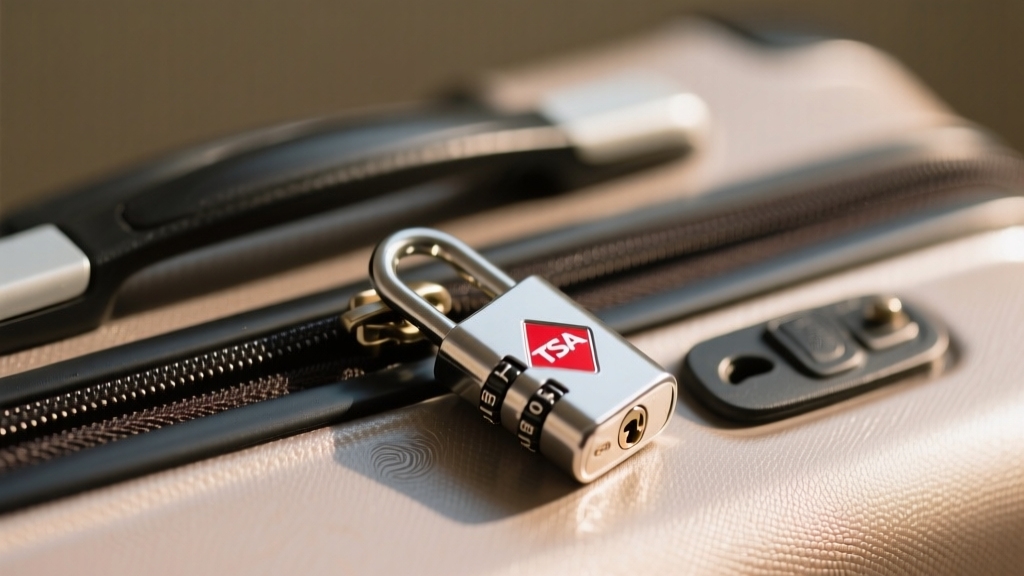
A TSA lock secures your luggage with a personal combination code while allowing authorized Transportation Security Administration agents to access it using a universal master key.
This system lets agents inspect your bags without breaking the lock or damaging your belongings. Your TSA lock features a red diamond logo, indicating compliance with international security standards.
You control the combination, ensuring private access, while TSA can override it during inspections. Explore how to set, maintain, and optimize your TSA lock’s functionality for hassle-free travel.
Key Takeaways
- TSA locks use a combination code set by the user to secure luggage and allow personal access without a key.
- Authorized TSA agents access locks using a universal master key, enabling inspection without damaging the lock or luggage.
- The lock’s red diamond logo indicates TSA approval and compatibility with Travel Sentry master keys worldwide.
- Users can reset the combination by entering the current code, pressing the reset button, and selecting a new code.
- TSA locks feature durable construction with hardened materials to withstand travel wear and security inspections.
Definition and Purpose of TSA Locks
Although TSA locks are commonly seen on luggage, many travelers don’t fully understand their design and purpose.
TSA locks, developed by the Transportation Security Administration, are specialized locking mechanisms designed specifically for travel bags.
They allow authorized airport security agents to inspect luggage without damaging the lock or suitcase.
By using a universal master key, security personnel can open, examine, and reseal TSA locks efficiently, preventing forced breakage during security checks.
This system enhances luggage security by deterring unauthorized access while ensuring compliance with international aviation regulations.
Recognized globally and incorporated into over 650 airports, TSA locks provide a critical balance between passenger privacy and security requirements.
They facilitate smooth and secure travel across more than 75 countries worldwide.
Travelers should look for the Travel Sentry red diamond logo to ensure their locks are TSA approved.
Using TSA locks is especially recommended for luggage containing laptops and batteries, as these items require careful handling during security screening.
Key Features of TSA Locks
TSA locks are pretty neat, right? They come with a universal master key system that lets authorized agents open your luggage without causing any damage. So, if your bag gets flagged for inspection, you can rest easy knowing it won’t be broken into.
Plus, the combination code security is a great feature. You can set your own unique three or four-digit code, giving you personal control over your belongings. It’s like having your own secret code!
Oh, and don’t forget to look for the Travel Sentry logo on the lock. This little symbol confirms that it meets TSA standards and is recognized worldwide, making your travel experience smoother. Using TSA-approved locks helps ensure your luggage is inspected without damage during security checks.
These locks are widely accepted in over 75 countries worldwide, ensuring your luggage remains secure during international travel.
Universal Master Key
A key feature of TSA-approved locks is the universal master key system, which grants Transportation Security Administration agents authorized access to inspect luggage without damaging the lock.
This system employs multiple master key variants tailored to seven distinct TSA lock types, ensuring no single key compromises all locks in circulation.
These master keys operate across Travel Sentry-compliant locks from various manufacturers under strict licensing, maintaining standardized yet secure access.
The keys feature intricate warding and dimple-style cuts to resist picking and unauthorized duplication.
Only authorized TSA screeners hold master keys, restricting access exclusively during security inspections.
After inspection, luggage can be securely relocked without compromising lock integrity.
This universal master key mechanism streamlines airport security procedures globally while preserving consumer luggage security. Additionally, the lock design incorporates quick-release clips to facilitate ease of use and re-locking after inspections.
However, the existence of master keys that have been reverse-engineered via 3D printing underscores the inherent vulnerabilities in TSA lock security.
Combination Code Security
Beyond the universal master key system that grants TSA agents access, combination code security forms the primary user-controlled barrier on TSA-approved locks.
You’ll typically encounter 3-digit or 4-digit codes, with 1,000 and 10,000 possible combinations respectively. Four-digit codes, standard on TSA008 core locks, provide superior security.
Avoid simple sequences like 123 or personal dates to reduce vulnerability. Most locks let you reset the code anytime via a reset button or lever, often requiring you to hold the reset mechanism while selecting a new code. Proper placement and measurement of luggage dimensions, including handles, are crucial to ensure your lock and suitcase comply with airline regulations.
New locks usually default to 0-0-0, so changing this before first use is essential. The combination length and core type directly affect tamper resistance, making code security a critical component of your lock’s effectiveness.
However, it is important to remember that TSA locks are not theft-proof and mainly serve as a deterrent rather than fortress.
Travel Sentry Logo
The Travel Sentry logo, marked by a distinctive red diamond, serves as the universal identifier for TSA-approved locks. When you see this red diamond on a lock, you know it complies with global TSA standards and can be opened by authorized security personnel using master keys. This feature is especially useful for frequent travelers who require hands-free convenience and security during their journeys.
The logo is prominently displayed on the lock body, allowing quick recognition by inspectors worldwide.
Many TSA locks also feature an inspector indicator, a colored tab or flag that changes when the lock has been opened during security checks, alerting you to any inspection. The YTP1/32/119/1 model, for example, offers a resettable combination lock feature for added user convenience.
This system is accepted in over 80 countries and 650 airports, ensuring your luggage remains secure and undamaged while granting authorized access. It is designed to provide ergonomic comfort and ease of use, making travel less stressful and more efficient.
It improves transparency and peace of mind throughout your travel.
Security Mechanism Behind TSA Locks
You control access to your luggage by using a personal combination code. This means that only you can open it during routine handling, which is pretty reassuring, right?
But here’s the kicker—TSA agents have a way to bypass that code. They use a universal master key specifically designed for secure, authorized inspections. So, they can check your bag without damaging the lock. This system is part of a global security system that helps protect luggage worldwide. Additionally, TSA-approved locks ensure your belongings remain secure while complying with airport security regulations.
This dual access system is actually quite clever. It keeps your lock intact while still allowing for efficient security checks. So, you get the peace of mind knowing your belongings are secure, and the TSA can do their job without any hassle. It’s a win-win!
Combination Code Functionality
Although TSA locks come preset with a default code, you’re expected to create a personalized combination that balances memorability with security. To reset, you’ll first enter the current code, press and hold the reset button, then turn the dials to your new code. These locks feature a distinctive red diamond logo for easy identification by TSA agents.
Releasing the reset button stores the combination permanently. Your code controls access, preventing unauthorized entry without the correct sequence. It’s important to note that TSA locks are designed to be accessed by security personnel using universal TSA keys without compromising your set combination.
| Step | Action | Result |
|---|---|---|
| Enter current code | Unlock lock | Enables reset button activation |
| Hold reset button | Turn dials to new code | Sets new combination |
| Release reset | Confirm combination | Locks new code in mechanism |
Maintain code complexity and regularly verify it before travel to guarantee secure and functional operation.
TSA Master Key Access
When security officers need to access TSA-approved luggage locks, they rely on a master key system designed for universal compatibility. This system uses specially designed master keys that can override any TSA-approved lock, all compliant with Travel Sentry’s strict standards.
Each lock features a single-sided keyway and a unique code, enabling security personnel to select the correct master key variant. The red diamond logo marks TSA-accepted locks, ensuring they meet the universal access criteria.
Many TSA-approved locks also have reinforced stitching and water-resistant features to protect luggage contents during travel. Travel Sentry licenses manufacturers to produce these locks, with TSA008 representing the latest, most secure core generation.
While this master key system allows seamless airport inspections without damaging luggage, it prioritizes access over theft prevention. The lock’s simple mechanism remains vulnerable to unauthorized duplication and bypass. Due to their low-security design, these luggage locks can be easily picked or bypassed with simple tools.
Lock Integrity Protection
Beyond master key access, TSA-approved locks incorporate advanced design features to preserve lock integrity while allowing authorized entry. These locks use hardened stainless steel components and ultra-tough alloy bodies, ensuring durability and resistance to damage during transport and inspections. Their construction also aligns with security features recommended for safe travel accessories.
The override keyhole is engineered exclusively for TSA master keys, maintaining your personal combination’s security. Dual-access designs let you feel confident knowing there’s a reliable backup without compromising protection.
Hardened stainless steel parts resist rust and wear.
Separate override mechanism protects your personal combination.
Ultra-tough alloy body withstands rough baggage handling.
Dual-access system reduces lockout anxiety with backup entry.
This meticulous construction guarantees your luggage remains secure, even when TSA agents perform authorized inspections. These locks are recognized by the red diamond logo, which signifies TSA acceptance and compliance with security protocols.
How TSA Agents Access TSA Locks?
Because TSA-approved locks include a specialized keyhole, TSA agents can use designated master keys to open them quickly and securely.
Each lock bears a Travel Sentry red diamond logo and a TSA code, such as TSA001 or TSA007, that identifies the corresponding master key needed.
During inspection, agents insert the master key into the override keyhole, unfastening the luggage without relying on your personal combination or key. This process is facilitated by the lock’s dual-integrated mechanism that ensures smooth operation.
This system allows them to inspect contents efficiently, then relock your luggage intact, preserving security and avoiding damage.
Both combination and keyed TSA locks incorporate this master key access.
While the master keys enable universal access for authorized agents, they maintain controlled use to guarantee traveler convenience and effective security screening throughout the inspection process.
Using TSA-approved locks also helps to prevent damage caused by forced entry during baggage inspections.
Setting and Customizing Your TSA Lock Combination
Although TSA locks come preset with a default combination, you’ll need to customize the code to make certain your luggage remains secure.
Start by aligning the dials to 0-0-0, then press and hold the reset button using a pointed tool. While holding it, set your new combination by rotating the dials, and release the button to lock it in place. It is important to choose a memorable combination and record it securely to avoid forgetting your code.
Align dials to 0-0-0, hold reset button, set new code by turning dials, then release to save.
Different TSA locks might require sliding a lever or rotating the shackle during this process, so consult your model’s instructions carefully.
Choose a unique, memorable code and avoid obvious sequences to prevent unauthorized access.
Feel confident knowing only you control your lock’s code. Protect your belongings from opportunistic thieves.
Ensure TSA agents can still access your luggage without damage. Avoid the frustration of forgotten or default combinations by securely recording your code.
Benefits of Using TSA Locks for Travelers
When you choose a TSA-approved lock, you guarantee smoother security screenings since TSA agents can open your luggage with master keys instead of cutting through locks.
This process prevents delays and preserves the lock and suitcase integrity, maintaining both functionality and resale value.
TSA locks enhance security by deterring unauthorized access through robust mechanisms accessible only to authorized personnel with master keys.
You’ll avoid the frustration of damaged luggage and compromised security features after inspections.
Additionally, these locks provide peace of mind by reducing tampering risks and ensuring your belongings remain protected throughout airport handling. TSA-approved locks are easily identified by the red diamond-shaped TSA logo, signaling their compliance with TSA standards.
Global Acceptance and Regulatory Requirements
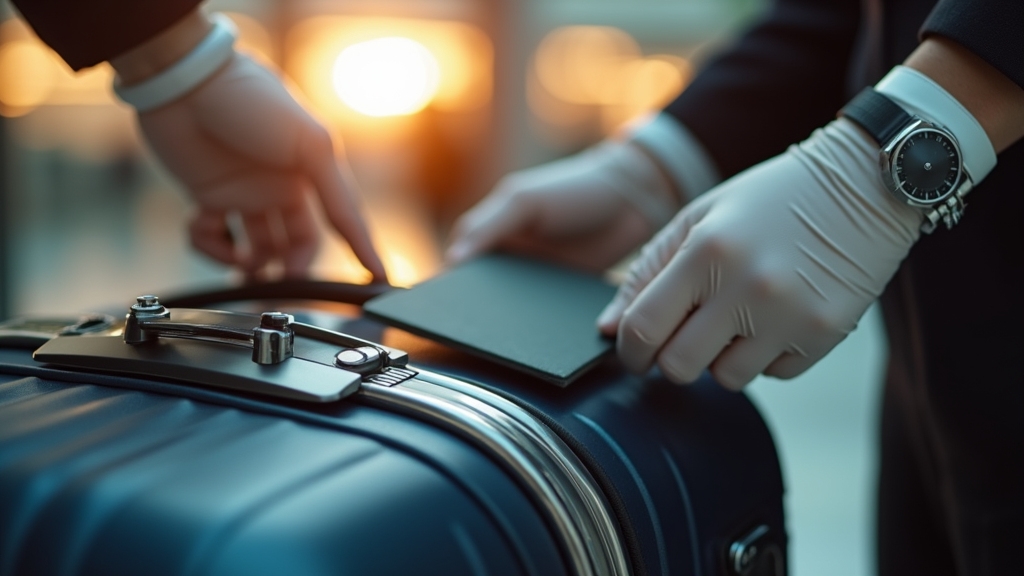
Since TSA locks have become a globally recognized security standard, you’ll find them accepted in over 75 countries and more than 750 airports worldwide.
These locks comply with U.S. Department of Homeland Security mandates, allowing authorized agents to open and relock luggage without damage.
Authorized agents can safely open and relock TSA-approved luggage without causing any damage.
The Red Diamond logo on TSA-accepted locks indicates their recognition and compatibility with inspection tools used by security agencies.
While not mandatory everywhere, many airlines and airports require TSA-approved locks to avoid delays or fines.
The system relies on master keys held exclusively by security authorities, ensuring standardized inspections across borders.
Feel confident your luggage won’t be damaged during inspections.
Trust in international collaboration among security agencies.
Avoid costly delays or fines due to non-compliant locks.
Protect your belongings with industry-approved security technology.
This global acceptance and regulatory compliance make TSA locks an essential tool for secure international travel.
Tips for Maintaining and Using TSA Locks Effectively
To guarantee your TSA lock functions reliably, you must maintain it regularly and handle it with care.
Clean the lock’s surface and crevices with a soft cloth and brush to prevent dirt buildup. Avoid harsh chemicals or water immersion.
Apply graphite powder sparingly when stiffness occurs. Avoid oil-based lubricants to prevent residue accumulation.
Store locks in dry, temperature-stable environments away from direct sunlight and physical stress to protect internal components.
Manage your combination securely—record it in a safe location or password manager and change it periodically to enhance security. Remember, default codes are usually set to “0-0-0” or “1-1-1” by manufacturers and should be changed immediately.
Before travel, test your lock’s operation. If it sticks, gently manipulate the dials and shackle, clean debris, or apply lubricant as needed.
Replace damaged locks promptly to maintain TSA compliance and luggage security.
Frequently Asked Questions
Can TSA Locks Be Used on Non-Luggage Items?
You can use TSA locks on non-luggage items, but it’s not recommended. These locks are designed specifically for checked baggage during air travel, where TSA agents have master keys for inspection.
Outside this context, local authorities or shippers may not have access, leading to forced entry or damage. For non-luggage applications, you should consider alternatives like zip ties or cable ties that allow easier inspection and reduce the risk of damage.
What Happens if a TSA Master Key Is Lost?
If a TSA master key takes an unexpected vacation, you face potential vulnerabilities.
Unauthorized parties might exploit that key, accessing TSA-approved locks without leaving obvious signs.
While TSA has protocols to manage such situations, they’re not publicly detailed.
This means your luggage security could be compromised, urging you to contemplate additional protective measures like tamper-evident seals.
Although risks remain low, staying vigilant about your belongings is essential in this scenario.
Are TSA Locks Waterproof or Weather-Resistant?
TSA locks aren’t all waterproof, but many are weather-resistant.
You’ll find models made from stainless steel and zinc alloys that resist rust and moisture.
Some feature sealed components or rubber gaskets to protect against rain or humidity.
However, only select TSA locks are explicitly waterproof, designed to prevent water ingress.
Keep in mind, weather-resistant locks can handle occasional moisture but won’t survive prolonged submersion or harsh water exposure.
Can TSA Locks Be Bypassed by Non-Authorized Individuals?
Yes, TSA locks can be bypassed by non-authorized individuals using several methods.
You might decode the 3-digit combination through systematic trial or exploit mechanical weaknesses like shimming or lock picking.
Additionally, duplicated TSA master keys that are publicly available enable unauthorized access.
However, these techniques require skill, time, and sometimes tools.
While TSA locks deter casual theft, they don’t provide high security against determined bypass attempts.
How Long Do TSA Locks Typically Last With Regular Use?
You can expect a TSA lock to last around 3 to 5 years with regular use, especially if you travel frequently.
High-quality models endure over 5,000 cycles of pressing and rotating without failure.
To maximize lifespan, maintain your lock by cleaning debris, lubricating with graphite powder, and avoiding moisture exposure.
Convenience Meets Security: Real Benefit of TSA-Approved Locks
Now that you know how a TSA lock works, you’re ready to secure your luggage without worry. It’s no coincidence that these locks combine traveler convenience with airport security, letting TSA agents inspect bags without damage.
By setting and maintaining your lock properly, you guarantee smooth travel and compliance with regulations worldwide. Trust in TSA locks; they’re engineered to protect your belongings while keeping your journey hassle-free.