
North Face vs Columbia Winter Jackets for Cold Weather

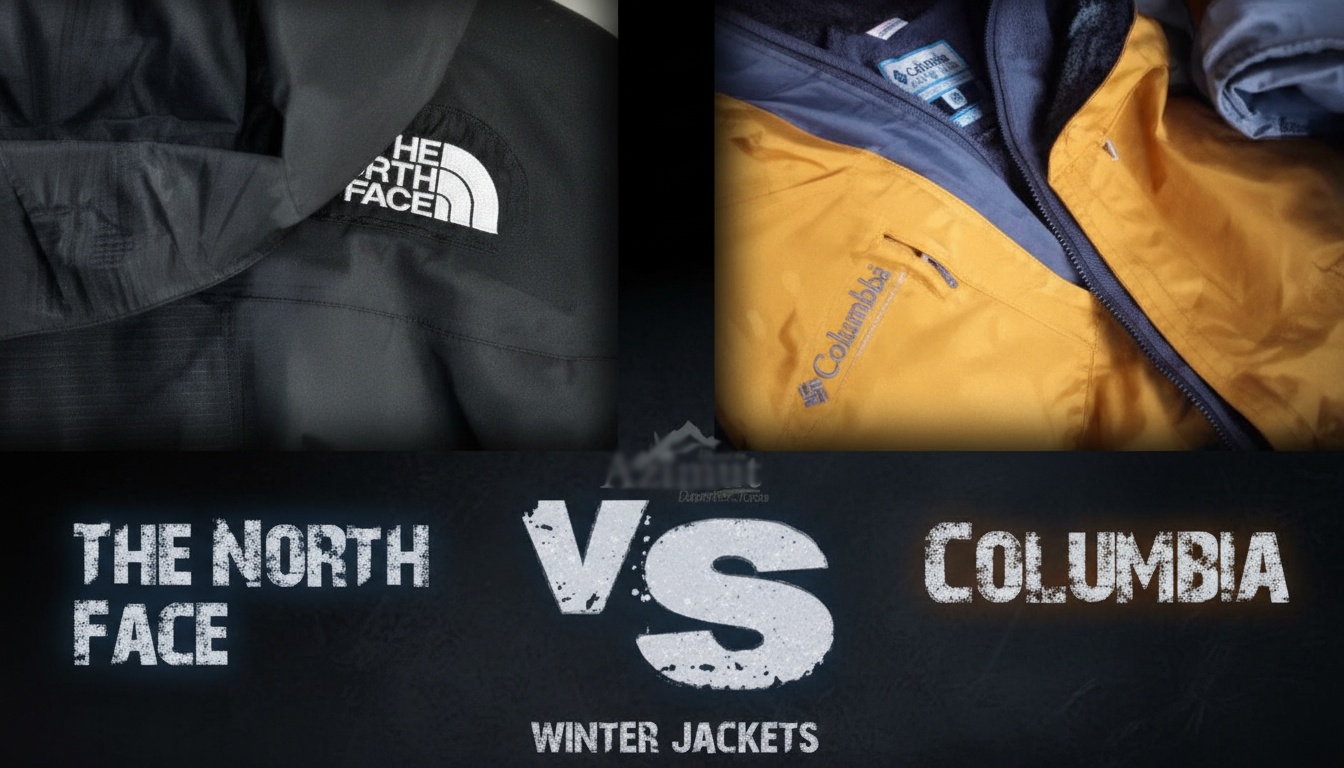
When choosing between North Face and Columbia winter jackets, consider North Face’s Gore-Tex fabric and engineered insulation for superior durability, breathability, and extreme-condition performance.
Columbia uses its Omni-Tech waterproofing and Omni-Heat reflective lining to provide lightweight warmth and budget-friendly practicality, especially in moderate activities.
North Face excels in mobility and sustainability, while Columbia offers straightforward, reliable protection. Your choice depends on activity level, cost, and desired features. Explore further to match your specific cold-weather needs precisely.
Key Takeaways
- North Face jackets use Gore-Tex for superior waterproofing and breathability, ideal for extreme outdoor conditions.
- Columbia jackets feature Omni-Heat reflective lining and Omni-Tech waterproofing, balancing warmth and affordability for moderate activity.
- North Face prioritizes mobility, venting options, and multi-layer 3-in-1 systems for active users in harsh winter environments.
- Columbia focuses on straightforward, reliable insulation and weather protection with budget-conscious, practical designs.
- North Face jackets generally offer greater durability and sustainability innovations compared to Columbia’s versatile everyday performance.
Comparison Between North Face Vs Columbia Winter Jackets
| Feature | North Face Winter Jackets | Columbia Winter Jackets |
|---|---|---|
| Insulation Technology | Engineered insulation & premium down | Omni-Heat reflective lining |
| Waterproof Fabric | Gore-Tex for extreme conditions | Omni-Tech for everyday protection |
| Warmth Level | High performance in harsh climates | Efficient warmth without bulk |
| Breathability | Excellent for high-activity use | Good for moderate activity |
| Durability | Built for rugged outdoor adventures | Durable but more lifestyle-focused |
| Design & Fit | Technical, athletic silhouettes | Classic, relaxed styling |
| Price Range | Premium pricing | More budget-friendly |
| Best For | Extreme cold, alpine, active users | Casual winter wear, value seekers |
How North Face and Columbia Keep You Warm?
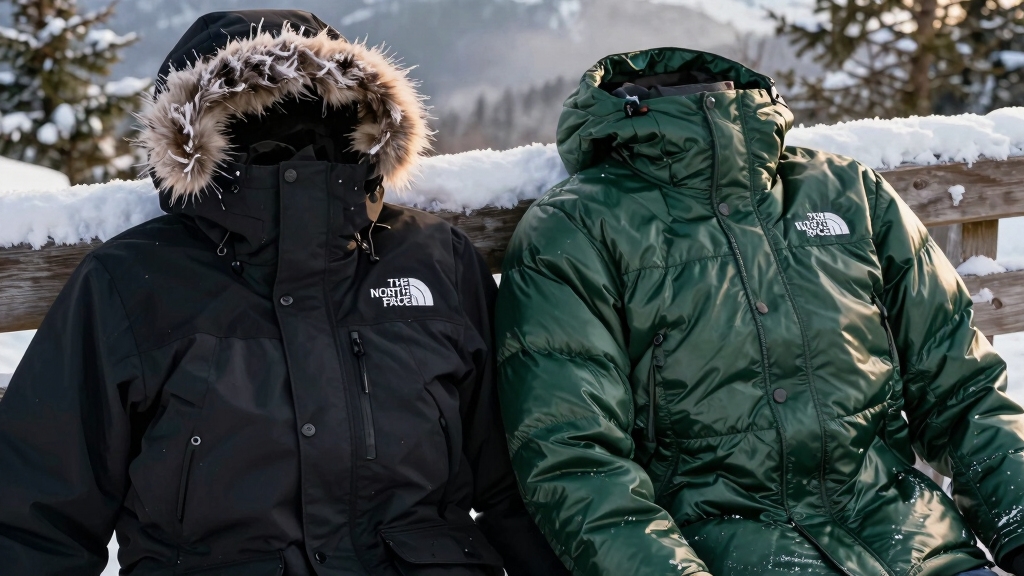
Although both North Face and Columbia excel at insulation, they use different technologies to keep you warm in winter conditions.
North Face integrates Gore-Tex fabrics known for superior durability and breathability, ideal for high-performance outdoor activities. You’ll benefit from fully taped seams and moisture-wicking textiles engineered to manage sweat and external moisture effectively.
Columbia, on the other hand, employs Omni-Heat technology, reflecting your body heat to enhance warmth without adding bulk. Complemented by Omni-Tech material, Columbia jackets maintain ventilation and dryness in wet environments while optimizing thermal regulation.
Both brands provide down and synthetic insulation options, yet Columbia’s approach leans toward maximizing heat retention via reflective lining. North Face focuses more on balanced thermal protection and weather resistance tailored for extreme conditions.
Your choice depends on prioritizing either reflective warmth or rugged fabric performance. Additionally, the use of laminated fabrics like Gore-Tex ensures waterproofing and breathability to keep you dry and comfortable in harsh weather.
Insulation Types in North Face and Columbia Jackets
When you’re trying to decide between North Face and Columbia jackets, you’ll see that both brands have their own unique insulation options. Columbia features their Omni-Heat technology, which does a great job of reflecting your body heat. This means you get to stay warm without feeling weighed down by bulky layers.
On the other hand, North Face has engineered insulation systems that are specifically designed for high-intensity outdoor activities. So, if you’re someone who loves to push their limits outside, this might be the way to go for you.
Down Versus Synthetic Insulation
Choosing between down and synthetic insulation in North Face and Columbia jackets depends on your specific needs and conditions. Down offers superior warmth-to-weight ratio and compressibility, ideal for dry, cold environments.
Synthetic insulation excels in moisture resistance and retains warmth when wet, making it better for damp conditions. North Face typically uses advanced down blends optimized for performance.
Columbia integrates synthetic fibers with reflective Omni-Heat lining for added warmth without bulk. Proper maintenance is essential to preserve insulation performance, similar to how durability and care impact leather products.
| Feature | Down Insulation | Synthetic Insulation |
|---|---|---|
| Warmth-to-weight | High | Moderate |
| Water resistance | Low (loses loft when wet) | High (retains warmth when wet) |
| Durability | Long-lasting if cared for | Resistant to wear and moisture |
| Compressibility | Excellent | Good |
| Typical Use Case | Cold, dry climates | Wet, variable conditions |
Heat Reflective Technologies
Beyond the basic differences between down and synthetic insulation, both North Face and Columbia enhance warmth retention through advanced heat reflective technologies.
When you compare these brands, you’ll notice distinct approaches:
- Columbia’s Omni-Heat technology uses metallic dots to reflect your body heat, boosting warmth without bulk.
- North Face relies on advanced synthetic insulation combined with Gore-Tex for moisture protection and heat retention.
- Columbia integrates Omni-Tech fabric, enhancing breathability while maintaining thermal regulation.
- North Face’s insulation systems prioritize performance across varied activities, balancing warmth and mobility.
If you want lightweight, reflective warmth, Columbia’s Omni-Heat excels, especially at a lower price. For durable, versatile insulation optimized for demanding conditions, North Face provides robust solutions with high-performance materials.
Your choice hinges on activity type and warmth preferences. Understanding standby flexibility in travel can help you choose gear that adapts well to unpredictable outdoor conditions.
Waterproof and Breathable Fabrics Compared
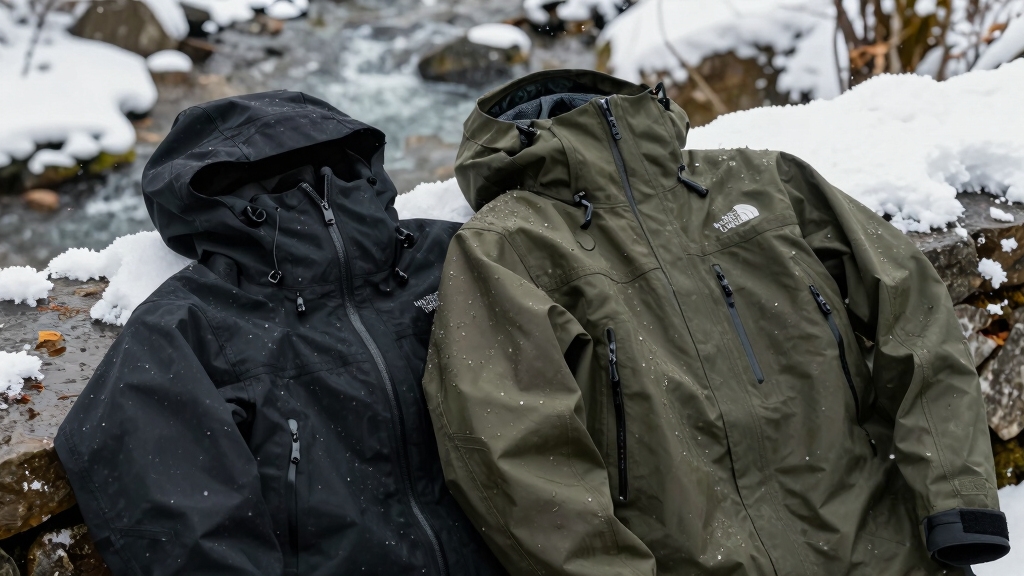
When you’re picking out a winter jacket, especially between North Face and Columbia, there are some key differences you’ll want to consider. For instance, North Face uses Gore-Tex, which is known for its top-notch waterproofing and breathability. This makes it a fantastic choice if you’re planning to face some intense weather conditions.
On the other hand, Columbia opts for Omni-Tech fabric. While it’s still highly water-resistant and breathable, it leans more towards versatility. It’s perfect for everyday use and offers balanced moisture management, making it a solid option for a range of activities.
Gore-Tex Versus Omni-Tech
Understanding the differences between Gore-Tex and Omni-Tech is essential if you want reliable waterproof and breathable protection in winter jackets.
Gore-Tex, used by North Face, is renowned for its durable membrane offering superior waterproofing and breathability, ideal for high-intensity activities.
Omni-Tech, Columbia’s proprietary fabric, balances waterproofing with breathability and integrates a 3-layer construction for effective moisture management.
- Gore-Tex features a microporous membrane, blocking water while allowing vapor escape.
- Omni-Tech uses a waterproof-breathable barrier with fully taped seams to prevent leaks.
- Gore-Tex generally offers higher durability under rigorous conditions.
- Omni-Tech provides excellent waterproofing at a more budget-friendly price point.
Choosing between them depends on your activity level and budget, with Gore-Tex leaning toward performance and Omni-Tech emphasizing value.
Breathability And Waterproofing
Both Gore-Tex and Omni-Tech fabrics excel at keeping you dry, but their breathability and waterproofing performance differ in meaningful ways.
Gore-Tex, used by North Face, offers superior waterproofing with a durable membrane that blocks water while allowing moisture vapor to escape efficiently. This makes it ideal for high-intensity activities.
Omni-Tech, Columbia’s proprietary fabric, provides reliable waterproof protection with multi-layer construction and fully taped seams. It focuses on balanced breathability suited for everyday use and moderate exertion.
While Gore-Tex typically outperforms Omni-Tech in extreme wet conditions and breathability, Omni-Tech’s design excels in cost-effectiveness and versatility.
Both fabrics incorporate advanced moisture management, but if you prioritize maximum breathability and waterproofing under rigorous conditions, Gore-Tex has the technical edge over Omni-Tech’s practical, budget-friendly approach.
Optimizing airflow and moisture-wicking properties is crucial in enhancing the overall performance of these fabrics in various environmental conditions, demonstrating the importance of moisture vapor transmission.
Key Features That Make North Face Jackets Stand Out
Since North Face jackets are engineered for high-performance outdoor activities, you’ll notice several advanced features that distinguish them from competitors.
Their technology focuses on durability, adaptability, and functionality, ensuring superior performance in demanding conditions. Here’s what sets them apart:
- Gore-Tex Fabrication: Offers unmatched waterproofing and breathability, surpassing many competing materials in endurance and moisture management.
- 3-in-1 Triclimate System: Provides versatile layering with a snap-in insulated jacket, allowing you to adapt quickly to varying climates.
- Enhanced Mobility: Designs incorporate articulated patterns and stretch panels, enabling superior movement during vigorous activities.
- Technical Detailing: Features like goggle pockets, pin zips for ventilation, and removable powder skirts enhance both utility and comfort.
These elements collectively offer a performance edge tailored for serious outdoor enthusiasts. Proper care and maintenance, such as regular cleaning and attention to wear and tear, help preserve the jacket’s functionality and extend its lifespan, much like maintaining durability of spinner luggage wheels.
Practical Weatherproofing Features in Columbia Jackets
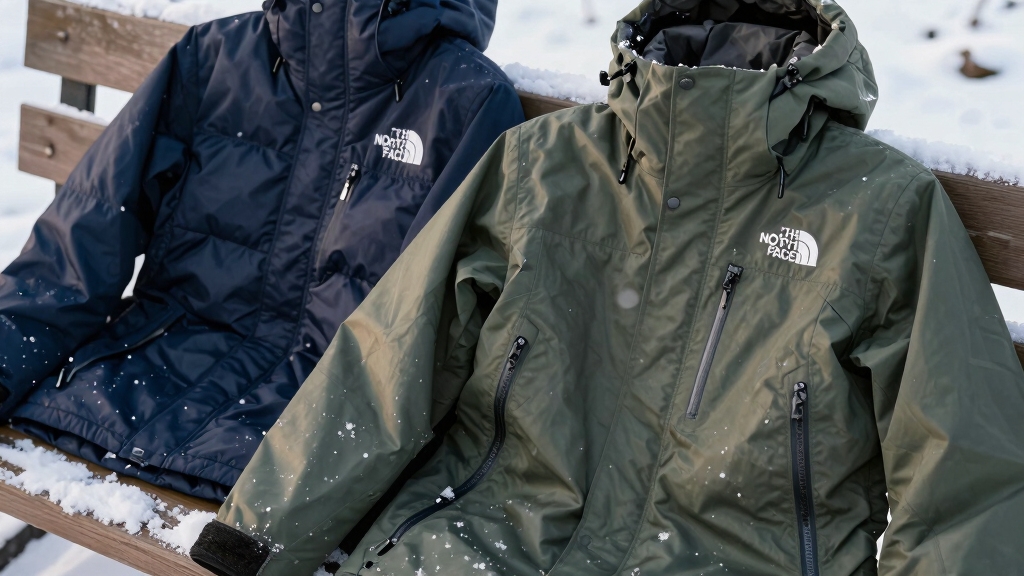
When you gear up with Columbia jackets, you tap into practical weatherproofing designed to keep you dry and comfortable in challenging conditions. Columbia employs Omni-Tech, a breathable, waterproof membrane with fully taped seams that block wind and moisture effectively.
Unlike Gore-Tex, Omni-Tech balances breathability and affordability. You also get adjustable cuffs and storm hoods that enhance protection without sacrificing mobility. Here’s a quick comparison of core weatherproofing features:
| Feature | Columbia | North Face |
|---|---|---|
| Waterproof Membrane | Omni-Tech | Gore-Tex |
| Seam Sealing | Fully taped | Fully taped |
| Breathability | High | Very high |
| Adjustable Features | Cuffs, hoods | Cuffs, powder skirts |
| Ventilation | Underarm vents | Underarm vents, pin zips |
Columbia’s gear excels at practical, budget-conscious weather defense. For travelers seeking versatility and ease of movement in variable conditions, considering spinner wheels on luggage can complement the practical protection of Columbia jackets.
Style Differences in North Face and Columbia Jackets
Although North Face and Columbia jackets share high performance standards, their style aesthetics cater to distinct preferences.
When choosing between them, consider these key style differences:
- North Face leans toward trendy, fashion-forward silhouettes, appealing to those who want current outdoor apparel styles.
- Columbia embraces timeless, classic designs focused on practicality and durability, targeting users who prioritize function over fashion.
- Color options from North Face tend to be bold and contemporary, whereas Columbia opts for muted, traditional palettes.
- Both brands offer comfortable fits across genders and ages, but North Face jackets emphasize sleek cuts suited for athletic mobility. Columbia jackets favor rugged, straightforward profiles.
You’ll find North Face ideal if you want cutting-edge style with performance, while Columbia suits those valuing classic, no-nonsense aesthetics. Choosing outerwear with bright and trendy colors can also enhance visibility and personal style during winter adventures.
Comparing Price and Value: North Face vs Columbia
Choosing between North Face and Columbia often comes down to balancing style preferences with budget considerations.
Columbia jackets generally cost less, offering excellent value with advanced technologies like Omni-Heat and Omni-Tech. They’re ideal if you want efficient warmth and waterproofing without overspending.
North Face, meanwhile, positions itself as a premium brand, with prices reflecting its use of Gore-Tex materials and sophisticated 3-in-1 systems.
If durability and repair support matter, North Face adds tangible value. However, for budget-conscious buyers prioritizing performance per price, Columbia provides a robust option without compromising essential winter protection and breathability.
Your choice hinges on whether you prioritize initial investment or all-encompassing long-term coverage. For best results in selecting the right jacket, it’s important to measure dimensions carefully to ensure proper fit and comfort.
Ethical Manufacturing and Sustainability Efforts of Both Brands
Understanding the warranty and durability aspects highlights how both North Face and Columbia prioritize product longevity. Their commitments extend beyond performance to include ethical manufacturing and sustainability.
Both brands hold Responsible Down Standard (RDS) certification, ensuring responsible sourcing of down and ethical treatment of animals.
You’ll find that North Face integrates sustainable materials and adheres to strict supply chain transparency, aiming to reduce environmental impact.
Columbia matches this with robust manufacturing standards emphasizing waste reduction and energy efficiency.
While North Face often leads in innovation with recycled fabrics, Columbia focuses on accessibility by balancing eco-conscious production with affordability.
In both cases, you can trust that their jackets reflect a commitment to responsible production, combining durability with environmental stewardship without compromising technical performance.
Additionally, choosing outerwear that coordinates with your overall look, much like pairing a satchel with tailored coats or blazers for a sleek, professional style, can elevate both function and fashion in winter gear.
Which Jacket Should You Choose: North Face or Columbia?
When you’re deciding between North Face and Columbia, it’s really about what matters most to you. North Face offers some serious Gore-Tex durability and has those trendy designs that catch the eye.
On the other hand, Columbia shines with its Omni-Heat technology, giving you that cozy warmth, plus their classic styles are hard to beat.
Performance Comparison
When choosing between North Face and Columbia winter jackets, your decision largely hinges on the specific performance attributes you prioritize.
Both brands excel but emphasize different technologies and uses:
- Waterproofing & Breathability: North Face uses Gore-Tex, offering superior durability and breathability. Columbia relies on Omni-Tech, effective but slightly less robust.
- Insulation: Columbia’s Omni-Heat reflects body heat efficiently without bulk, ideal for moderate activity. North Face provides versatile insulation engineered for extreme conditions.
- Mobility & Ventilation: North Face prioritizes mobility and venting features like pin zips, suited for active users. Columbia focuses on sturdy, reliable protection.
- Multi-functionality: North Face’s 3-in-1 Triclimate system offers adaptable warmth options. Columbia’s designs emphasize straightforward performance.
Your choice depends on whether you value cutting-edge materials and adaptability or solid thermal reflection with cost-effectiveness.
Style And Value
Beyond performance features, the choice between North Face and Columbia winter jackets often comes down to style preferences and value considerations.
If you favor trendy, fashion-forward designs with contemporary silhouettes and diverse color options, North Face suits your style. Their jackets integrate cutting-edge aesthetics with functional features like the 3-in-1 system, appealing to style-conscious outdoor enthusiasts.
Conversely, Columbia offers timeless, practical designs emphasizing durability and classic appeal. This is ideal if you prioritize functionality without sacrificing sturdiness.
On value, Columbia generally provides more budget-friendly pricing while maintaining advanced technologies like Omni-Heat and Omni-Tech.
Frequently Asked Questions
Are North Face and Columbia Jackets Suitable for Extreme Alpine Climbing?
You’ll find North Face jackets more suitable for extreme alpine climbing due to their Gore-Tex waterproofing and high-performance insulation engineered for harsh conditions.
Columbia jackets, while excellent for warmth with Omni-Heat technology, focus on lightweight, reflective insulation that’s better for less demanding cold weather.
If your climb demands maximum durability, breathability, and weather resistance, North Face provides the technical edge you need for alpine extremes.
How Do North Face and Columbia Jackets Perform in Humid Winter Conditions?
You’ll find North Face jackets excel in humidity with Gore-Tex’s superior waterproof breathability, keeping moisture out while venting sweat effectively.
Columbia jackets perform well too, using Omni-Tech for waterproofing paired with Omni-Heat to reflect body warmth without bulk.
Both manage moisture and temperature smartly, but North Face offers better durability and mobility.
Columbia provides budget-friendly, solid protection, while North Face guarantees high-performance comfort in humid winter conditions.
Do North Face and Columbia Offer Matching Winter Accessories for Their Jackets?
You’ll find North Face and Columbia offer matching winter accessories that perfectly complement their jackets.
North Face presents a sleek range of gloves, hats, and scarves engineered with advanced materials for maximum warmth and breathability.
Columbia, meanwhile, supplies rugged, functional accessories featuring Omni-Heat reflective technology.
Both brands meticulously design these items to integrate seamlessly with their outerwear, ensuring you stay warm, stylish, and protected in any harsh winter condition.
How Frequently Do North Face and Columbia Update Their Winter Jacket Designs?
You’ll find that both North Face and Columbia update their winter jacket designs annually, aligning with seasonal trends and technological advancements.
North Face often integrates cutting-edge materials like Gore-Tex and new insulation tech, focusing on performance and style.
Columbia updates Omni-Heat and Omni-Tech fabrics regularly, enhancing warmth and moisture control.
While North Face leans toward fashion-forward updates, Columbia prioritizes functional improvements, ensuring you get durable, efficient winter wear each season.
North Face or Columbia Winter Jackets: Which Fits Your Needs?
When choosing between North Face and Columbia winter jackets, consider that North Face uses advanced insulation like ThermoBall™, which retains 90% of its warmth even when wet.
Columbia’s Omni-Heat™ reflects your body heat efficiently. Both excel in waterproof breathability, but North Face offers more technical features at a higher price.
If durability and sustainability matter, both brands deliver. Your choice hinges on whether you prioritize cutting-edge insulation or practical value.