
Nylon Vs Polyester Bags: Strength or Stability?

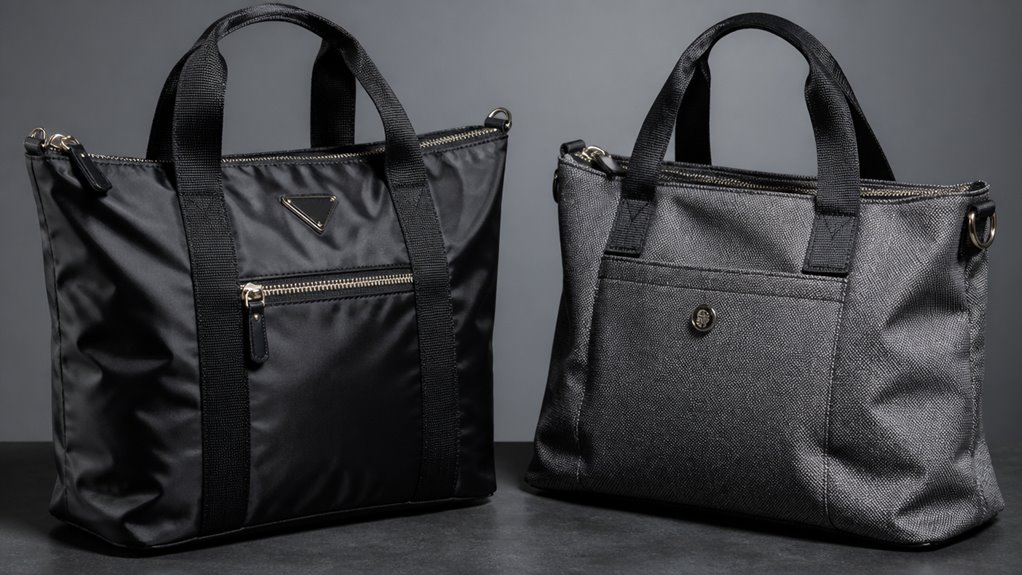
When choosing between nylon and polyester bags, consider that nylon offers superior strength, flexibility, and a lighter weight ideal for heavy-duty use.
However, it’s prone to pilling and slower drying when wet.
Polyester excels in water resistance, dimensional stability, and abrasion resistance.
It is also cost-effective and eco-friendly with recycled options.
Your choice depends on whether you prioritize durability and flexibility or moisture management and budget.
Understanding these trade-offs helps you select the best fabric for your needs.

- High quality nylon strong durable material & water resistant with faux leather trim
- Fully lined Interior, light weight with strong PU carrying handle
- High quality nylon and quality gold tone hardware
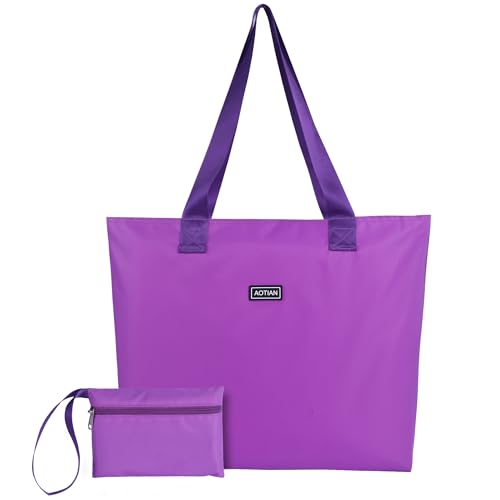
- Compact & Spacious Design: Unfolded dimensions: 20L x 14.1H x 5.5W inches (51L x 36H x 14W cm…
- Ultra-Durable Construction: Crafted from high-density, tear-resistant 290T polyester with seamless…
- Versatile for Every Occasion: Ideal as a grocery tote, gym bag, beach companion, or travel…
Key Takeaways
- Nylon bags offer higher strength-to-weight ratio and better tear resistance than polyester, ideal for heavy-duty use.
- Polyester bags absorb less water, dry faster, and resist deformation, making them better for wet or humid conditions.
- Nylon is more flexible and impact-resistant but prone to pilling and seam fraying over time compared to polyester.
- Polyester bags tend to be more affordable, eco-friendly (often using recycled materials), and maintain a crisp appearance longer.
- Choose nylon for durability and flexibility under stress; choose polyester for cost-effectiveness, stability, and moisture resistance.
Nylon Vs Polyester Bags: Key Differences Compared
| Comparison Factor | Nylon Bags | Polyester Bags | Better Choice For |
|---|---|---|---|
| Strength | Provides a high strength-to-weight ratio and excellent tear resistance | Offers reliable durability but may require thicker fabric to match nylon | Heavy loads and rugged use |
| Weight | Can be lighter at an equivalent strength level | May be slightly heavier when designed for similar load capacity | Lightweight performance |
| Flexibility | Stretches and flexes under pressure, helping absorb impacts | More rigid and less likely to stretch during regular use | Dynamic or changing loads |
| Water Performance | Absorbs more moisture and may take longer to dry | Absorbs less water, dries quickly, and maintains its shape | Rainy or humid conditions |
| Shape Retention | May wrinkle, stretch, or sag after repeated use | Provides better dimensional stability and resists shrinking | Structured everyday bags |
| Surface Wear | Strong against tearing but may develop pilling or seam fraying | Resists abrasion, wrinkling, and visible surface wear effectively | Long-lasting appearance |
| UV Resistance | May weaken or fade faster with prolonged sunlight exposure | Usually provides better UV and colour resistance | Outdoor and travel use |
| Maintenance | Requires careful drying and gentle cleaning | Generally easier to clean, dry, and maintain | Low-maintenance use |
| Environmental Options | Recycled versions exist, but production can be energy-intensive | Widely available in recycled polyester materials | Eco-conscious selection |
| Overall Suitability | Ideal when strength, flexibility, and load capacity matter most | Ideal when moisture control, stability, and easy care are priorities | Depends on the bag’s purpose |
Strength and Durability of Nylon vs Polyester Bags
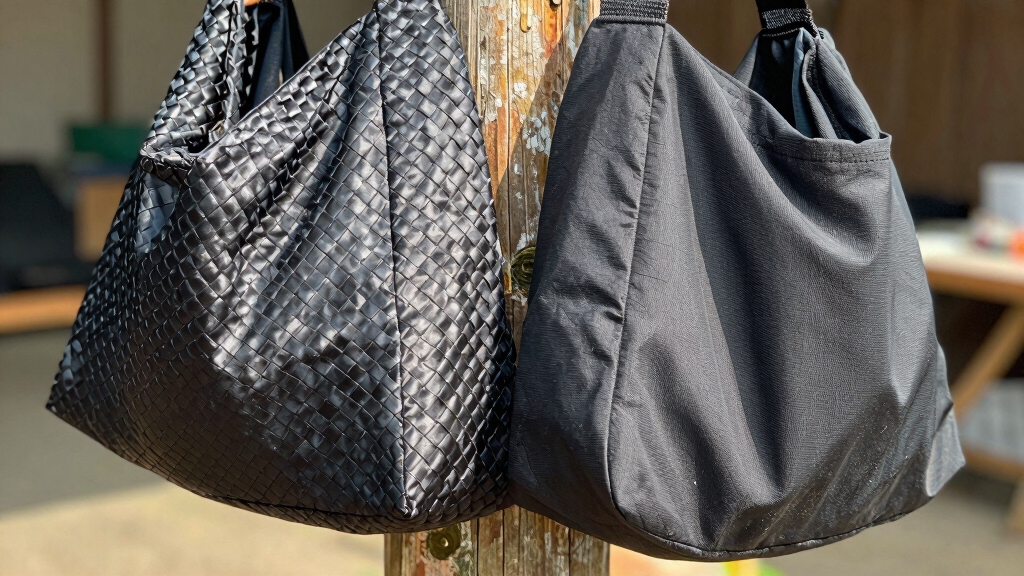
Although both nylon and polyester offer durability for bags, nylon exhibits a higher strength-to-weight ratio, making it better suited for heavy-duty use.
Nylon’s superior strength-to-weight ratio makes it the top choice for heavy-duty bags.
You’ll find nylon withstands tearing forces up to 291.7N at 1050D PU coated, outperforming 600D polyester under equivalent conditions.
To match nylon’s strength, polyester requires higher denier materials, such as 600D or 900D, compared to nylon’s 210D to 500D range.
Nylon resists abrasion and tearing more effectively in rugged environments, but it’s prone to pilling and seam fraying, which can weaken the fabric over time.
Polyester, however, resists stretching, shrinking, and maintains shape without sagging.
If you prioritize toughness and load-bearing capacity, nylon is ideal, while polyester offers stable structural integrity and better long-term shape retention under moderate stress.
Additionally, polyester offers superior UV resistance and water repellency, making it advantageous in sun-exposed and wet conditions.
Water Resistance and Weather Performance Comparison
When you choose between nylon and polyester bags for wet or humid conditions, understanding their water resistance and weather performance is essential.
Polyester is inherently hydrophobic, absorbing only 0.4% water, which helps it repel moisture effectively. It maintains its weight and shape under rain or high humidity, drying quickly and resisting deformation.
Nylon, however, absorbs 6-8% water, causing it to stretch when wet and dry slower. This expansion and contraction can affect bag fit and structural integrity in varying climates.
Both materials usually feature water-resistant coatings, but polyester’s faster drying and superior moisture wicking give it an edge in wet environments.
If you prioritize consistent weather resilience and stability, polyester typically outperforms nylon in wet and humid scenarios, making it a more reliable choice for moisture exposure.
For travel gear, materials that offer water resistance and durability, like waxed canvas in duffle bags, are often recommended to handle unpredictable weather conditions.
Weight and Flexibility Comparison of Nylon and Polyester
In comparing weight and flexibility, nylon offers a distinct advantage due to its superior strength-to-weight ratio. This allows it to be lighter than polyester at equivalent strength levels. When you choose nylon, you get a material that stretches and flexes under stress without compromising integrity. This makes it ideal for dynamic loads.
Polyester, while slightly heavier, maintains its shape better under static conditions, resisting deformation. Nylon’s weight advantage comes from lower denier fibers delivering equal strength. Its flexibility absorbs impacts, reducing material fatigue.
Polyester’s rigidity provides dimensional stability over time. Nylon’s stretchiness suits applications demanding adaptability, while polyester excels where consistent form is key.
Understanding these trade-offs helps you select the right fabric based on your bag’s intended use and performance requirements. For durable customization, consider how patch application methods vary in compatibility between nylon and polyester fabrics.
Appearance and Longevity of Nylon vs Polyester Bags
You’ll often notice nylon bags have a softer, shinier surface with a smoother texture compared to polyester’s rougher, matte finish.
Nylon’s flexibility lends it a more pliable feel but also makes it prone to wrinkling and visible wear such as pilling and seam fraying over time.
Polyester, with its higher thread count capability, maintains a crisper, wrinkle-resistant appearance and resists surface abrasion better, preserving a newer look longer.
While nylon excels in strength-to-weight ratio, its susceptibility to minor surface degradation can reduce aesthetic longevity under heavy use.
Polyester’s resilience to stretching, shrinking, and pilling enhances its structural and visual durability.
Thus, when evaluating appearance and longevity, polyester offers superior retention of shape and finish, whereas nylon prioritizes a sleek texture with trade-offs in surface wear resistance.
Proper cleaning and care, including the use of mild detergents and gentle handling, are essential to extend the lifespan of nylon bags and maintain their material integrity.
Cost, Environmental Impact, and How to Choose the Right Fabric
Although nylon bags often command higher prices due to complex production processes, polyester alternatives provide a more cost-effective solution without sacrificing essential performance characteristics.
When selecting between these fabrics, you should weigh cost, environmental impact, and application needs carefully.
Cost: Polyester is typically half the price of comparable nylon, making it budget-friendly.
Environmental Impact: Polyester often uses recycled materials (rPET), enhancing sustainability, while nylon’s production is energy-intensive.
Durability Needs: Nylon offers superior strength and abrasion resistance but may degrade faster due to pilling.
Performance Context: Polyester resists UV and moisture better, maintaining shape in humid conditions.
Choose polyester for economical, eco-conscious, and stable use. Opt for nylon if strength and flexibility under heavy loads are paramount. Many high-quality bags, such as those made from waxed canvas, emphasize durability and water resistance over synthetic fabric advantages.
Frequently Asked Questions
Are Nylon or Polyester Bags Better for Allergy Sufferers?
You’ll find polyester bags better for allergy sufferers because they resist moisture and don’t absorb much water, reducing mold and mildew growth that triggers allergies.
Polyester also resists pilling and fraying, which limits dust and fiber release.
Nylon, while durable, absorbs more water and can harbor allergens due to slower drying.
Which Fabric Is Easier to Clean and Maintain?
You’ll find polyester easier to clean and maintain since it resists shrinking, stretching, and wrinkles better than nylon.
Polyester also absorbs just 0.4% water compared to nylon’s 6-8%, so it dries faster and keeps shape in wet conditions.
Its superior abrasion resistance means it pills less, extending the fabric’s lifespan.
Do Nylon or Polyester Bags Hold Scent or Odors Differently?
You’ll find polyester bags resist holding odors better than nylon because polyester absorbs less moisture, reducing bacterial growth that causes smells.
Nylon tends to retain scents more due to its higher water absorption and tendency to trap moisture.
If you want a bag that stays fresher longer and requires less frequent deodorizing, polyester is the smarter choice.
Nylon’s porous nature means you’ll need more regular cleaning to avoid lingering odors.
Are There Differences in How These Fabrics Age Over Decades?
Over decades, polyester ages more consistently, resisting wrinkles, stretching, and color fading due to its higher UV resistance and shape retention.
Nylon, while tougher initially, tends to pill, fray, and wrinkle more, leading to gradual strength loss and less aesthetic longevity.
You’ll notice nylon’s flexibility diminishes as it absorbs moisture and undergoes repeated stress.
In contrast, polyester maintains structural integrity and a cleaner appearance longer, making it preferable for long-term durability.
Can Nylon or Polyester Bags Be Safely Machine Washed?
You can safely machine wash both nylon and polyester bags, but you should use a gentle cycle with cold water to prevent damage.
Avoid harsh detergents and bleach, which degrade fibers.
Nylon may absorb more water and take longer to dry, so air-dry it thoroughly to prevent stretching or mildew.
Polyester resists shrinking and dries faster, but you should still avoid high heat in the dryer to maintain bag integrity and shape.
Nylon Vs Polyester Bags: Make Your Final Choice
When choosing between nylon and polyester bags, picture nylon’s superior strength and flexibility standing firm against polyester’s water resistance and cost efficiency.
Nylon endures heavy use but weighs more, while polyester offers lightweight durability with less environmental impact.
You’ll balance toughness against eco-consciousness, durability against price.
By analyzing these contrasts, you’re equipped to select the fabric that matches your specific needs, whether it’s rugged performance or practical sustainability guiding your decision.

- Large Tote Bags with Long Handle: This product contains 10 canvas bags bulk, each measuring 18.5 x…
- Foldable: The heavy duty canvas tote bag is soft and foldable for easy storage, suitable for…
- Widened and Spacious: The widened bottom and spacious main compartment easily fit your everyday…

- DIMENSIONS: The everywhere belt bag appearance size: 7.5” X 2” X 5”(19cm X 5.5cm X 13cm…
- MATERIAL: PANDER everywhere mini belt bag are made of nylon fabric, which is water resistant and…
- VERSATILE STYLE: Fanny pack for women adjustable strap easily and quickly adjusts to whatever length…
Last update on 2026-09-24 / Affiliate links / Images from Amazon Product Advertising API