
Why Are Tote Bags Called Tote Bags? History & Meaning

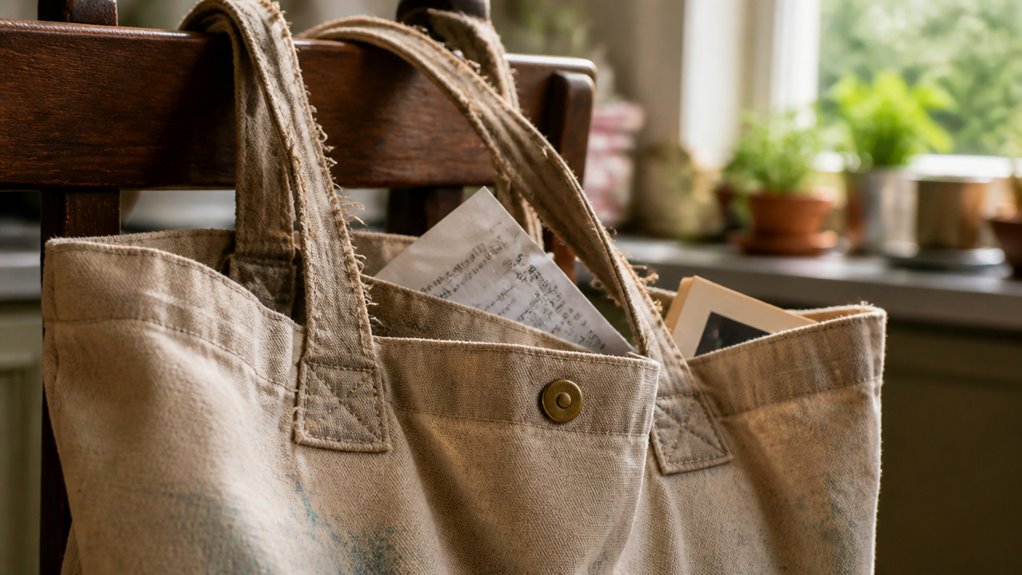
You call them tote bags because “tote” originally meant “to carry,” a verb dating back to colonial America describing heavy loads.
The term evolved naturally into “tote bag,” referring to large, open-topped bags with two sturdy handles designed for practical carrying.
Their durable, simple design focuses on easy access and heavy use, making the name both descriptive and lasting.
Understanding the term’s history reveals why these bags remain essential for everyday needs and thoughtful design.
Key Takeaways
- “Tote” originally meant “to carry,” reflecting the bag’s primary function of holding and transporting items.
- The phrase “tote bag” emerged around 1900, naming bags designed specifically for carrying purposes.
- Tote bags feature large, open tops and sturdy handles, emphasizing practical ease of carrying heavy loads.
- The name highlights the bag’s functional design, focusing on utility over fashion or style trends.
- Durable materials and simple construction reinforce the tote bag’s role as a reliable, everyday carrying solution.
Where Does the Word “Tote” in “Tote Bag” Come From?
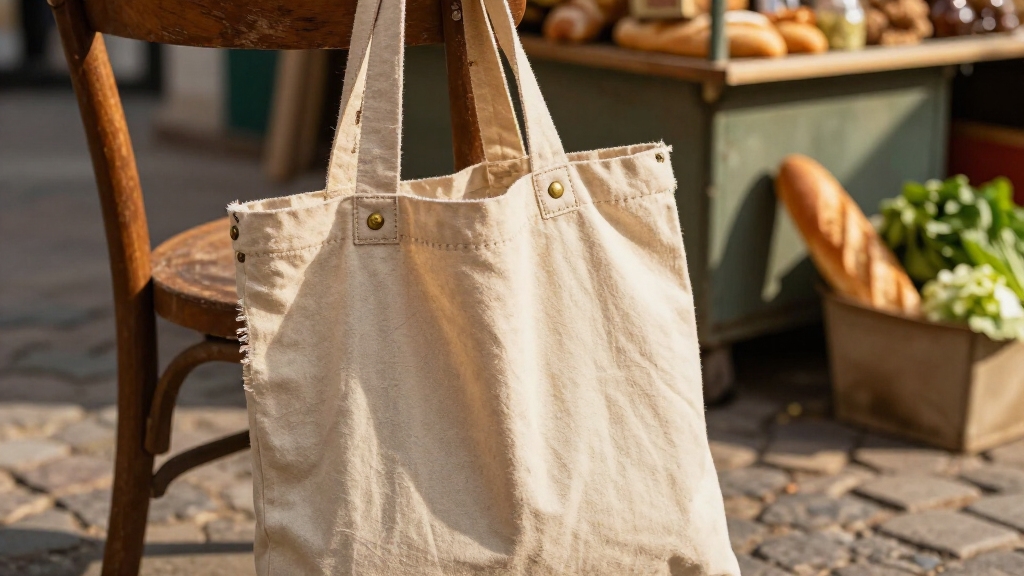
Early records from colonial Virginia show “tote” being used to describe the act of carrying heavy loads. This establishes a functional root rather than a decorative or cultural one.
Earlier hypotheses linking “tote” to West African languages have faced scrutiny and are often discounted.
Instead, the word’s history centers on its utilitarian usage, emphasizing the action of transporting objects.
This focus on function over form or style is essential for understanding why “tote” became associated with carrying. It set the stage for the eventual naming of the tote bag as a practical item for hauling goods.
Modern tote bags are designed with durable fabrics to support the practical purpose implied by the word “tote.”
How Did “Tote” Evolve Into the Term “Tote Bag”?
You’ll notice that “tote” actually started out as a verb meaning “to carry.” It’s all about action, not just style.
So, when people needed a name for a bag meant specifically for carrying stuff, they naturally turned that verb into a noun phrase: “tote bag.”
This change makes a lot of sense, right? It’s a straightforward way to name something based on its purpose.
The term really emphasizes how practical the bag is—it’s all about being a handy tool for carrying your belongings!
Today, tote bags are recognized for their durability and sustainability, making them a reliable choice for everyday use.
Tote As Carrying Verb
Tracing the transformation of “tote” from a simple verb meaning “to carry” into the term “tote bag” reveals a clear functional progression rooted in language and usage.
“Tote” entered American English by the late 1600s, used to describe carrying heavy loads by hand or shoulder. This action-based meaning remained stable over centuries.
By around 1900, speakers naturally extended “tote” into a noun phrase, “tote bag,” to label a bag specifically designed for carrying. The verb’s strong association with transport made it ideal for describing a practical, open-topped bag with handles.
This linguistic shift reflects how everyday speech adapts verbs into compound nouns, emphasizing function. When you say “tote bag,” you’re directly referencing the carrying action embedded in the original verb “tote.”
Today, tote bags are often made from durable materials like canvas, emphasizing practicality and versatility in everyday use.
Naming Based On Function
Many names for everyday objects evolve directly from their primary function. The term “tote bag” perfectly illustrates this pattern. You can trace “tote bag” back to the verb “tote,” meaning “to carry.” This emerged in American English by the late 1600s. The name developed purely from function, not fashion, marking a bag designed for practical carrying.
Here’s how “tote” evolved into “tote bag”:
- The verb “tote” described carrying heavy loads, emphasizing utility.
- By around 1900, the phrase “tote bag” appeared to label large, open bags with handles.
- The name’s clarity and directness made it stick, highlighting both the bag’s structure and purpose.
You see, the term remains relevant because it communicates the bag’s carrying function precisely and efficiently. Additionally, practical bags like tote bags often benefit from protective storage solutions such as dust bags to preserve their quality and longevity.
Why Did the Name “Tote Bag” Become Popular and Last?
You know, the name “tote bag” really took off because it describes exactly what the bag is meant for: carrying stuff around. It’s super straightforward, right? That simplicity makes it really easy to remember, and it instantly tells you what the bag is all about—no guesswork involved.
Plus, as people started using these bags for more than just their original purpose, that clear naming helped it stick around. It just made sense, and the versatility of the tote bag kept it relevant in all sorts of situations.
This popularity is also supported by the durability and practicality of tote bags, making them reliable for everyday use.
Clear Functional Description
The name “tote bag” gained lasting popularity because it offers a straightforward, functional description that immediately communicates the bag’s purpose. You don’t have to guess what it’s for; the word “tote” means “to carry,” so the name directly links the bag to its primary function.
This clarity helped the term stick through time. When you think about why the name endures, consider these points:
- It precisely defines a large, open-topped bag with handles designed to carry items easily.
- It avoids ambiguity by focusing on utility rather than style or fashion trends.
- It aligns perfectly with everyday use, from groceries to books, reinforcing its practicality.
This clear functional naming made “tote bag” a natural, lasting label you can instantly understand. Additionally, its roomy capacity and quick access make it ideal for spontaneous packing and casual outings, further cementing its relevance in daily life.
Simple Memorable Naming
Simple, memorable naming plays a critical role in why “tote bag” became a lasting term.
When you hear “tote bag,” you immediately understand it as a bag designed to carry items, thanks to the verb “tote,” meaning to carry.
This direct connection between name and function makes the term easy to grasp and recall.
Unlike abstract or decorative names, “tote bag” cuts through complexity, clearly defining the product’s purpose.
You don’t have to guess what it’s or does.
Its brevity and straightforwardness helped the term embed itself in everyday language, especially as the bag shifted from utilitarian use to mainstream consumer markets.
The name “tote bag” remains relevant because it perfectly encapsulates the bag’s essential role: a simple, reliable carrier you can trust.
Additionally, the large square tote design offers ample space and durability, reinforcing the practical image that the name “tote bag” conveys.
How Did Early Uses Influence Tote Bag Design?
Tracing back to their early uses, tote bags were shaped primarily by the demands for practicality and durability rather than style. This influenced their robust design features.
You’ll notice that the design focused on functionality to accommodate heavy or bulky items.
Key factors include:
- Sturdy Materials: Early totes used thick canvas or heavy cloth, enabling you to carry substantial weight without tearing.
- Open-Top Design: This allowed quick access, so you could easily load or retrieve items without fuss.
- Reinforced Handles: Handles were made strong and securely attached to support the load, preventing failure under strain.
These elements reveal how early uses dictated a utilitarian approach. This approach prioritized ease of carrying and resilience, which laid the foundation for the tote bag’s enduring design. Regular maintenance, such as hand washing with mild detergent, helps preserve the tote’s durability and appearance over time.
What Makes a Tote Bag, According to Dictionaries?
Dictionaries define a tote bag primarily by its functional characteristics: a large, open-topped bag equipped with two handles designed for easy carrying.
These definitions focus on practical features rather than style or material. You’ll notice the emphasis on size, openness, and handle design, elements that make the bag versatile for various uses.
| Feature | Description | Purpose |
|---|---|---|
| Size | Large | Accommodates many items |
| Opening | Open-topped | Easy access |
| Handles | Two sturdy handles | Convenient hand or shoulder carry |
| Structure | Flexible or semi-rigid | Durable and practical |
Understanding these criteria helps you see why the tote bag remains a functional everyday essential. For best use and organization, it is important to measure the bag accurately to maximize its packing potential and ensure proper fit.
Why Do Tote Bags Remain Popular for Everyday Carrying?
Tote bags consistently offer unmatched practicality, which is why they remain a staple for everyday carrying. You rely on them because they balance durability, accessibility, and versatility.
Their open-top design lets you quickly store and retrieve items, while sturdy handles support heavy loads comfortably.
When choosing a tote bag, consider these advantages:
- Functionality: Tote bags accommodate diverse contents, from groceries to laptops, adapting to your daily needs.
- Simplicity: Their straightforward design eliminates unnecessary compartments, reducing bulk and complexity.
- Sustainability: Many totes use durable materials like canvas, promoting reuse and reducing reliance on disposable bags.
Additionally, opting for bags made from cruelty-free materials ensures ethical fashion choices without compromising style or utility.
Frequently Asked Questions
Are Tote Bags Environmentally Friendly Compared to Plastic Bags?
Yes, tote bags are generally more environmentally friendly than plastic bags, especially when you use them multiple times.
You cut down on single-use plastic waste, which often ends up in landfills or oceans.
However, you should consider the materials and production impact; cotton totes require more resources initially.
To maximize benefits, you need to reuse your tote bag frequently—ideally dozens of times—to offset its environmental footprint compared to disposable plastic bags.
What Materials Are Most Commonly Used to Make Tote Bags?
You’ll find tote bags most commonly made from cotton, canvas, and polyester due to their durability and ease of cleaning.
Cotton and canvas offer natural breathability and strength, perfect for heavy loads.
Polyester, a synthetic option, provides water resistance and longevity.
Some totes use jute or hemp for eco-friendly alternatives.
Each material impacts the bag’s weight, sturdiness, and environmental footprint.
You’ll want to choose based on your needs and values.
Can Tote Bags Be Customized or Personalized?
Yes, you can customize or personalize tote bags extensively. You’ll find options for printing logos, artwork, or text using screen printing, heat transfer, or embroidery.
Materials like canvas and cotton hold designs well, ensuring durability. Customization lets you tailor bags for branding, gifts, or personal style.
You can also choose colors, sizes, and handle types to create a truly unique, functional accessory that fits your specific needs and preferences.
How Do Tote Bags Compare to Backpacks in Functionality?
You’ll find tote bags excel in quick, easy access and lighter loads, while backpacks handle heavier, bulkier items better.
For example, studies show 60% of users prefer backpacks for carrying over 15 pounds due to ergonomic support.
Totes offer convenience with open tops and simple carrying, but lack padded straps and weight distribution.
So, if you prioritize comfort and capacity, backpacks outperform.
For casual, lighter use, totes are ideal.
Are Tote Bags Suitable for Formal or Professional Settings?
You can use tote bags in formal or professional settings, but it depends on the design and material.
Choose sleek, structured totes made from leather or high-quality fabric to maintain a polished look.
Avoid casual canvas or oversized styles that may appear too informal.
When paired with professional attire, a refined tote enhances your appearance while offering practical space for documents and essentials.
This balances style and functionality effectively.
Understanding the Simple History Behind Tote Bags
Now that you know “tote” means “to carry,” you see why tote bags are perfectly named. They literally carry your world.
The term evolved naturally from everyday use, shaping both language and design. Their simple, durable style, defined by dictionaries, made them timeless.
You’ll find tote bags everywhere because they blend function and fashion like no other. Honestly, their popularity is so immense, they might just be the ultimate carrying marvel of all time!