
How Much Weight Should You Carry in a Backpack for Hiking?

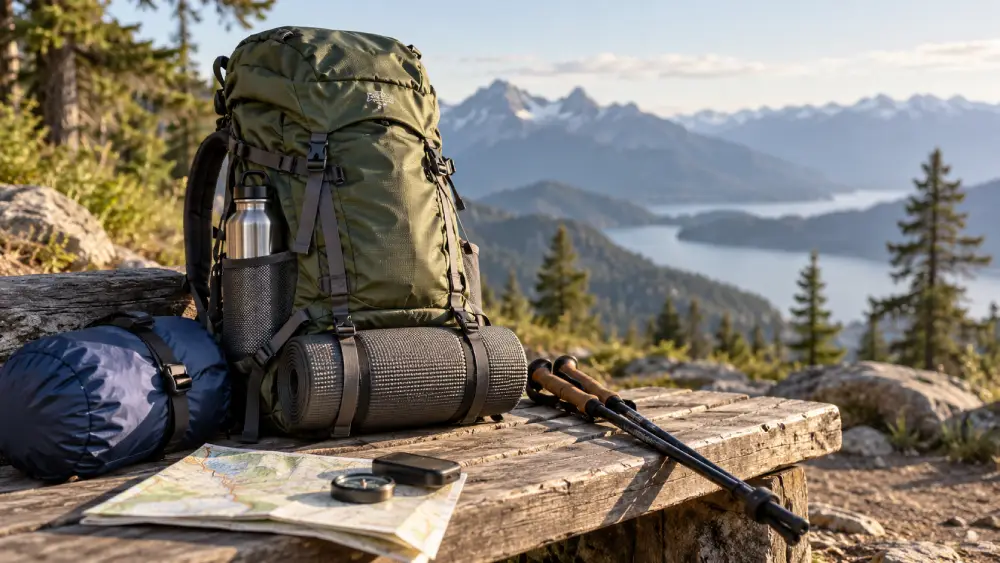
You should carry between 10% and 20% of your body weight in your backpack to prevent injury and discomfort.
For day hikes, keep it closer to 10% to reduce strain on your back and shoulders.
Backpacking trips may allow up to 20%, depending on your fitness and trip length.
Use a well-designed pack with proper load distribution and hip belts to improve comfort.
Notice any pain or posture changes and adjust accordingly.
Understanding these factors helps optimize your load safely.
Key Takeaways
- Carry 10% of body weight for day hikes to minimize strain and discomfort.
- For backpacking trips, limit load to 20% of body weight to reduce injury risk.
- Conditioned hikers may carry slightly more than 20% with caution and proper load distribution.
- Use both shoulder straps and hip belts to transfer weight and improve comfort.
- Remove nonessential items to keep pack weight within safe limits and maintain good posture.
How Much Weight Should You Carry in Your Backpack?
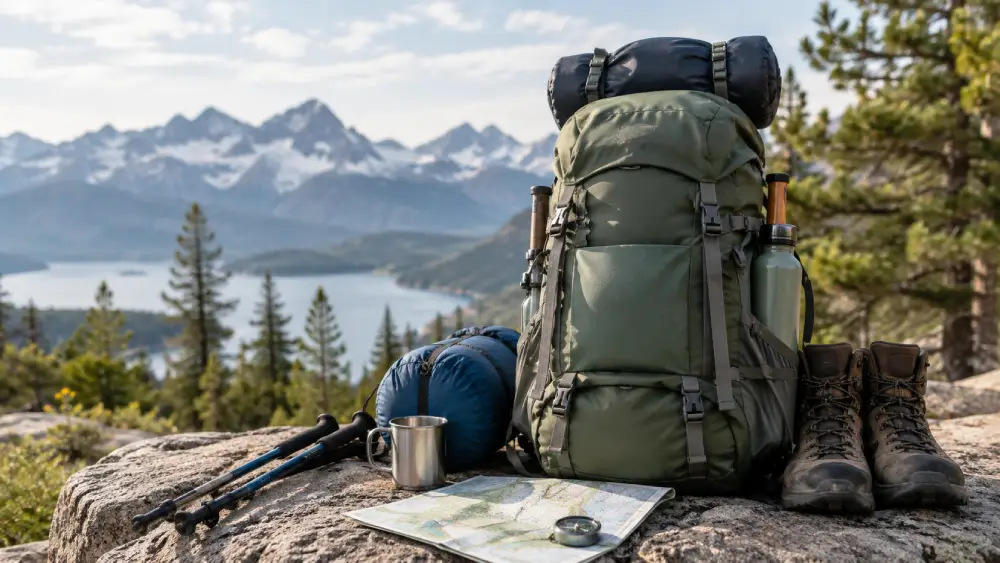
When deciding how much weight to carry in your backpack, a practical guideline is to keep the load within 10% to 20% of your body weight. This range depends on the activity and your fitness level.
For day hikes, aim for about 10%, which reduces strain on your back and shoulders. Backpacking trips often allow up to 20%, but you must consider your conditioning and trip length.
Carrying more than 20% increases injury risk and discomfort. Remember, pack design and load distribution affect how well you manage the weight.
Use both shoulder straps and a hip belt to transfer load efficiently. If you notice hunching, leaning, or pain, reduce your pack weight.
Choosing a backpack with ergonomic padded shoulder straps and adjustable suspension systems can significantly improve comfort and reduce strain during extended wear.
How Your Body Weight Determines Backpack Load Limits?
Although individual fitness and trip conditions influence how much weight you can carry, your body weight serves as a fundamental benchmark for setting backpack load limits.
Your body weight is the key benchmark for determining safe backpack load limits.
Common guidelines recommend keeping backpack weight at or below 20% of your body weight for loaded backpacking packs. For instance, if you weigh 150 pounds, aim to carry no more than 30 pounds.
Daypacks typically shouldn’t exceed 10% of your body weight to minimize strain. These percentages provide a reliable starting point grounded in biomechanical and ergonomic research to reduce injury risk.
Staying within these limits helps maintain balance and posture, preventing hunching and muscle fatigue. Always adjust based on your comfort, but use your body weight as the primary metric for safe and effective load management.
For longer trips, consider using a backpack with padded hip belts to help distribute the load more comfortably and reduce shoulder strain.
How Fitness and Trip Length Affect Backpack Weight?
Your fitness level directly influences how much weight you can safely carry. Trip length determines the total gear, food, and water you need to pack.
If you’re well-conditioned, you can handle loads closer to the 20% body weight upper limit. On longer trips, expect heavier packs due to additional supplies.
Balancing these factors is essential to prevent injury and maintain endurance. Choosing a backpack with the appropriate volume capacity ensures you carry only what you need without excess bulk.
| Fitness Level | Trip Length |
|---|---|
| Low | Short (<1 day) |
| Moderate | Medium (1-3 days) |
| High | Long (3+ days) |
| Poor conditioning | Avoid heavy loads |
| Excellent conditioning | Can exceed 20% |
Adjust your backpack weight based on these variables. Always prioritize comfort and injury prevention.
How Pack Design and Load Distribution Impact Comfort?
You know, framed packs really do a better job of distributing weight compared to basic daypacks. This means less muscle strain for you when you’re out there hiking.
Now, let’s talk about load placement. Keeping those heavier items close to your back and centered is key. It helps maintain your balance and keeps discomfort at bay.
And if you’re using a hip belt, that’s a game changer! It shifts the weight down to your hips, which eases the pressure on your shoulders and really boosts your stability. So, it’s all about finding the right setup for a more comfortable experience on the trail!
Backpacks with adjustable suspension systems and padded straps can further enhance comfort and load management during long hikes.
Framed Packs Versus Daypacks
When you load a backpack, the design markedly affects how the weight feels on your body and how comfortable you remain over time.
Framed packs incorporate internal or external frames and hip belts, which transfer much of the load to your hips, reducing shoulder strain.
Daypacks lack frames and rely solely on shoulder straps, concentrating weight on your shoulders and upper back.
| Feature | Framed Packs |
|---|---|
| Load Transfer | Hips via hip belts |
| Weight Capacity | Higher (up to ~20%) |
| Comfort Duration | Longer periods |
| Stability | Enhanced |
| Feature | Daypacks |
| Load Transfer | Shoulders only |
| Weight Capacity | Lower (up to ~10%) |
| Comfort Duration | Shorter periods |
| Stability | Lower |
Choose based on load weight and trip length for best comfort. Many travelers also benefit from luggage with ergonomic telescoping handles to further reduce strain while moving through terminals.
Importance Of Load Placement
Although pack design plays a vital role in overall comfort, how you distribute the load inside the backpack greatly affects strain and stability.
To minimize discomfort and reduce injury risk, place heavier items as close to your back and centered along the spine.
This positioning keeps the load balanced and reduces forward pull, preventing you from leaning or hunching.
Distributing weight evenly between the left and right sides also enhances stability and lessens muscle fatigue.
Avoid placing bulky or heavy objects far from your back, as this increases leverage forces on your shoulders and spine.
By packing thoughtfully, you make certain that the backpack’s frame and straps work efficiently.
This maintains your posture and improves endurance on longer hikes.
Proper load placement is essential for comfort and injury prevention.
Using backpacks with padded back panels and adjustable straps can further improve load support and comfort during use.
Benefits Of Hip Belts
Proper load placement sets the foundation for effective pack design features like hip belts. These belts markedly enhance comfort by redistributing weight away from your shoulders.
Hip belts transfer a significant portion, often up to 70%, of the pack’s load onto your pelvis. This skeletal structure is designed to bear weight, reducing muscle fatigue in your shoulders and upper back.
This shift improves posture and minimizes strain. Additionally, hip belts stabilize the pack’s position, preventing excessive swaying that can disrupt balance and increase energy expenditure.
When fitted correctly, they enable you to carry heavier loads more efficiently. This reduces the risk of discomfort and injury. Incorporating a hip belt is a practical strategy to optimize load distribution and maintain comfort on longer hikes or backpacking trips.
The REI Trail 40 backpack, for example, features a wide, padded hipbelt with forward-pull system that effectively shifts load to the hips for enhanced comfort and stability.
Backpack Weight Guidelines for Backpacking, Day Hiking, and School
When you’re getting ready for a backpacking trip, it’s a good idea to keep your pack weight under 20% of your body weight. This helps you stay balanced and reduces the risk of injury over time.
For day hikes, you can lighten the load a bit—aim for around 10% of your weight. Since these trips are shorter, this can really help minimize strain and make your hike more enjoyable.
And then there are school backpacks. It’s best to keep those between 10% and 15% of your body weight. This ensures you maintain good posture and helps prevent long-term discomfort as you carry your books and supplies throughout the day.
Choosing the right backpack size, such as a 20L or 30L capacity, can greatly influence your comfort and packing efficiency depending on your activity.
Backpacking Load Limits
Understanding backpacking load limits is essential for maintaining comfort, safety, and efficiency during your outdoor activities. Generally, you should keep your pack weight at or below 20% of your body weight to reduce injury risk and fatigue.
Factors like fitness, pack design, and load distribution affect the practical limit. Here’s a concise reference:
| Activity Type | Recommended Load (% body weight) |
|---|---|
| Backpacking | Up to 20% |
| Day Hiking | Up to 10% |
| School Backpack | 10% to 15% |
| Conditioned Hikers | Potentially >20%, with caution |
Monitor discomfort, posture changes, or pain to adjust your load. Prioritize a balanced, well-fitted pack and remove non-essentials to stay within safe limits. Choosing a backpack with the right load support system can significantly improve comfort and reduce fatigue on long hikes.
Daypack Weight Recommendations
Although daypacks carry lighter loads than backpacking packs, keeping their weight within recommended limits is essential to prevent strain and maintain posture. Aim to carry no more than 10% of your body weight in a daypack to minimize musculoskeletal stress.
For example, if you weigh 150 pounds, your daypack should weigh about 15 pounds or less. Distribute weight evenly and keep heavier items close to your back to reduce imbalance and strain. Use both shoulder straps and tighten them to keep the load stable and close.
A hip belt can further reduce shoulder pressure if available. Avoid overloading, as signs like hunching, leaning, or discomfort indicate excessive weight. Staying within these limits helps maintain comfort and reduces injury risk during day hikes or daily activities.
Choosing a backpack constructed from durable materials like 1000D Cordura nylon can also enhance comfort and longevity when carrying daily loads.
School Backpack Safety
Many health experts recommend that school backpacks should weigh no more than 10% to 15% of a child’s body weight to minimize strain and posture issues. Carrying more than this range increases the risk of hunching, shoulder pain, and neck strain.
You should use both shoulder straps and tighten them to keep the pack close to your back. Heavier items belong low and centered to maintain balance. If available, use a hip belt to distribute weight and reduce shoulder load.
Avoid carrying the backpack too low; it should be no more than four inches below the waistline to prevent undue pressure. Regularly check for discomfort or fatigue, signs your backpack is too heavy.
Removing nonessential items helps keep weight manageable, protecting your spine and encouraging proper posture during daily school activities.
Signs Your Backpack Is Too Heavy and What to Do About It
When your backpack feels uncomfortable or causes you to hunch forward, it’s a clear sign that the load may be too heavy.
An uncomfortable backpack or forward hunch signals your load might be too heavy.
Excessive weight strains your shoulders, neck, and back, potentially leading to poor posture and fatigue.
To assess and address this issue, follow these steps:
- Notice if you lean to one side or hunch forward; both indicate imbalance or excessive load.
- Monitor for persistent shoulder or neck pain during or after carrying the pack.
- Check if standing upright or walking normally causes discomfort.
- Reduce the load immediately by removing nonessential items to alleviate strain.
These signs help you maintain a safe, comfortable carrying limit and prevent injury or long-term musculoskeletal issues.
Simple Tips for Carrying Your Backpack Safely
Recognizing signs that your backpack is too heavy helps you avoid injury. Carrying it safely requires proper technique.
Use both shoulder straps to evenly distribute weight across your back. Tighten the straps to keep the load close to your body, minimizing strain.
Position heavier items low and near the pack’s center to maintain balance and reduce muscle fatigue. When available, fasten the hip belt to transfer weight from your shoulders to your hips, improving stability.
Avoid carrying your backpack on one shoulder, which causes uneven pressure and poor posture.
Finally, regularly assess the contents and remove nonessential items to keep the load manageable. These practical steps reduce the risk of discomfort and injury during daily use or outdoor activities.
How to Adjust Backpack Weight for School and Day Hiking?
To adjust backpack weight effectively for school and day hiking, you should aim for loads that don’t exceed 10% to 15% of your body weight. This range minimizes strain and reduces injury risk.
Keep your backpack weight between 10% and 15% of your body weight to avoid strain and injury.
You can manage your backpack weight by following these practical steps:
- Prioritize essential items; remove nonessentials to keep weight down.
- Use both shoulder straps and tighten them to keep the load close to your body.
- Position heavier items low and centered to maintain balance and reduce stress.
- Wear a hip belt if available to transfer weight from shoulders to hips.
Frequently Asked Questions
What Type of Backpack Is Best for Carrying Heavy Loads?
You should choose a framed backpack with a sturdy hip belt when carrying heavy loads.
This design transfers weight from your shoulders to your hips, reducing strain and improving balance.
Look for packs with padded shoulder straps and adjustable load lifters to keep the load close to your body.
Proper load distribution, placing heavier items low and centered, also helps.
Avoid simple daypacks or single-strap bags, as they increase discomfort and injury risk during heavy carrying.
How Does Weather Affect the Ideal Backpack Weight?
Funny enough, weather changes your ideal backpack weight a lot.
When it’s cold, you’ll need extra layers, food, and possibly gear like rain jackets, increasing your pack’s weight.
In hot weather, you’ll carry more water, which adds weight too.
So, you should adjust your load based on temperature and conditions to stay safe and comfortable.
Always balance adding essentials against keeping your pack manageable to avoid strain or injury.
Can Carrying a Heavy Backpack Cause Long-Term Spine Issues?
Yes, carrying a heavy backpack can cause long-term spine issues if you consistently overload it or use poor carrying techniques.
Excessive weight strains your back muscles, ligaments, and spinal discs, potentially leading to posture problems, chronic pain, or nerve compression.
To protect your spine, keep your pack weight within recommended limits, distribute the load evenly, and use hip belts and padded straps.
Regularly monitor for discomfort to avoid lasting damage.
What Are the Best Exercises to Prepare for Heavy Backpacking?
To prepare for heavy backpacking, focus on strengthening your core, legs, and back. Do squats, lunges, deadlifts, and step-ups to build leg power.
Incorporate planks and Russian twists for core stability. Add weighted backpack walks to simulate carrying load and improve endurance.
Don’t forget flexibility exercises to maintain mobility. Gradually increase weight and duration to condition your muscles safely, reducing injury risk during your trips.
How Do You Properly Pack a Backpack for Uneven Terrain?
Packing your backpack for uneven terrain isn’t rocket science, but it demands precision.
Place the heaviest items low and close to your spine to maintain balance and reduce sway.
Distribute weight evenly side-to-side to prevent leaning and use a hip belt to transfer load off your shoulders.
Secure all items tightly to avoid shifting.
This method optimizes stability, reduces fatigue, and helps you tackle challenging trails with confidence and safety.
Find the Right Backpack Weight for Your Body
You wouldn’t want to lug around a backpack heavier than a small car, right?
Keeping your load within 15-20% of your body weight isn’t just smart; it’s vital for preventing injury and maximizing comfort.
Whether you’re hiking, backpacking, or heading to school, adjusting your pack weight based on fitness, trip length, and pack design guarantees you move efficiently and pain-free.
Remember, a well-balanced load is your best defense against strain and fatigue.