
Can You Bring Skates on a Plane? Full Guide

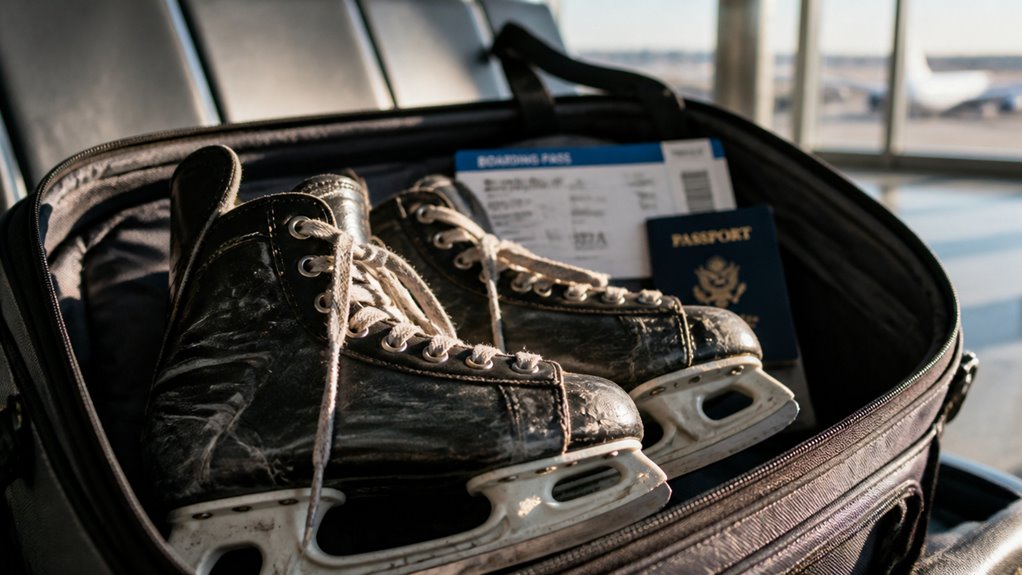
Yes, you can bring skates on a plane, usually in either carry-on or checked baggage, depending on TSA and airline rules.
Airlines often allow complete skates in carry-on but may limit bag size and overhead space.
Sharp blades might require extra precautions or checking.
Wearing skates onboard is prohibited for safety reasons.
Proper packing and understanding fees help avoid hassles.
If you want to travel smoothly with your skates, knowing how to handle size, packing, and international rules is key.
Key Takeaways
- TSA generally permits inline and ice skates in both carry-on and checked baggage on domestic flights within the U.S.
- Airlines allow skates in carry-on if they fit size limits and overhead bin space, but wearing skates onboard is prohibited.
- Sharp blades and metal parts may require extra screening or must be packed in checked luggage for security reasons.
- International rules vary; some countries mandate checking skates with blades, so separate blades if required by destination policies.
- Use blade guards, protective padding, and dedicated bags to safely pack skates and accessories for carry-on or checked baggage.
TSA Rules for Bringing Skates on a Plane
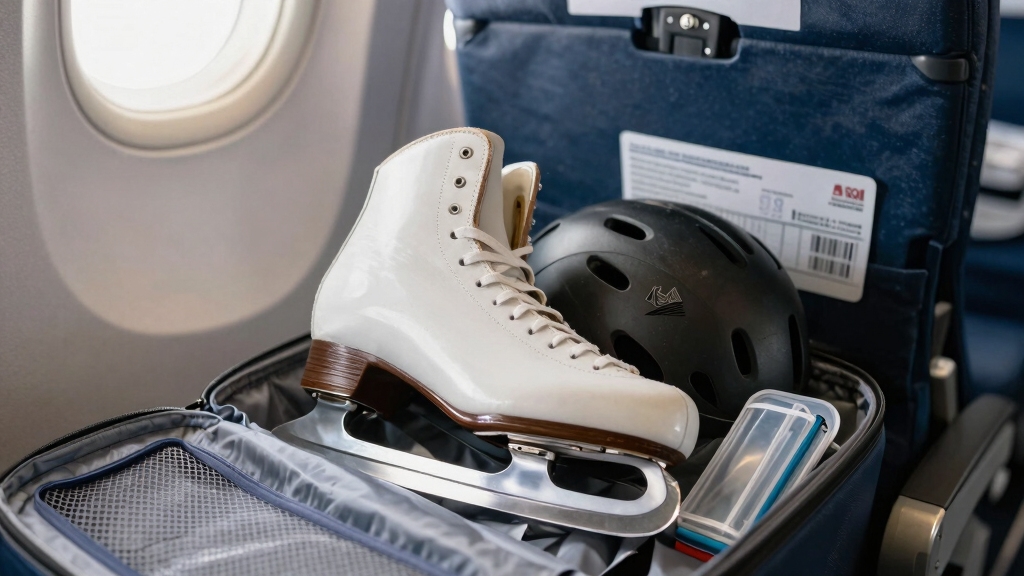
When you travel within the United States, TSA generally allows you to bring skates in both your carry-on and checked baggage. Inline skates and ice skates are treated as permitted sports items, so you can pack them without worrying about outright bans.
However, keep in mind airlines may impose size, weight, or packaging limits, so it’s smart to check their policies before you fly. TSA officers might inspect your skates at the security checkpoint, so having a printed or digital copy of the relevant TSA guidelines handy can ease the process.
While TSA is lenient, always be prepared for questions or additional screening. Following these rules helps guarantee your skates travel safely and you avoid delays during security checks. For added security, consider using a TSA-approved lock if you pack your skates in checked luggage to facilitate smooth inspections.
Can You Carry Skates in Your Carry-On Bag?
You can typically bring complete skates with blades mounted on boots in your carry-on bag. TSA and Canadian authorities generally allow them on domestic flights.
Complete skates with blades mounted on boots are usually allowed in carry-on bags on domestic flights.
Just make sure your skates stay inside a suitable travel bag to keep them secure and avoid any safety concerns.
Remember, wearing skates on the plane isn’t allowed.
While the rules are generally lenient, acceptance depends on your airline’s overhead bin space and carry-on size limits, so pack accordingly.
Keep in mind that security officers may inspect your skates during screening.
Having a printed copy of the relevant policy handy can help speed things up.
Carrying your skates onboard also reduces the risk of lost luggage, making your trip smoother and stress-free.
Choosing a soft-sided duffel or travel bag that fits within airline size limits will help ensure your skates can be accommodated as carry-on luggage.
Airline Size, Weight, and Fee Rules for Skates
Carrying your skates in a carry-on bag often helps avoid lost luggage, but it also means you’ll need to follow your airline’s size, weight, and fee restrictions. Airlines typically treat skates as sports equipment, so your bag must fit within standard carry-on dimensions and weight limits.
Oversized skate bags or those exceeding weight caps might require checked baggage fees or special handling charges. Some airlines charge extra for sports equipment, so check their policies before you fly. If your skates are bulky or heavy, consider how they’ll impact your carry-on allowance.
Also, keep in mind that overhead bin space varies, and airlines can be strict about bag size. Planning ahead guarantees your skates travel smoothly without unexpected fees or hassles at the airport. Make sure to measure your bag including wheels and handles to comply with airline size limits and avoid surprises.
Should You Separate Blades From Boots for Air Travel?
Deciding whether to separate blades from boots for air travel depends largely on your destination and airline policies.
In the U.S. and Canada, you can often carry skates with blades attached in your carry-on. However, removable blades usually must go in checked luggage.
Separating blades from boots can help avoid issues with stricter international security, where nonremovable blades might be flagged.
If you decide to separate them, leave bridges and hardware attached to boots for easier reassembly.
Keep in mind, blades should be well protected to prevent damage during transit.
Also, packed blades in checked bags reduce the risk of carry-on size or weight restrictions.
Always check your airline’s specific rules before you travel to ensure a smooth screening experience.
To avoid unexpected fees or gate-checking, it’s best to weigh and measure your fully packed bag, including any skates, to comply with airline carry-on size rules.
How to Pack Skates Safely in Checked Luggage?
When you’re getting ready to pack your skates in checked luggage, it’s super important to use blade guards and add plenty of protective padding.
This way, you can help prevent any damage during the journey.
Oh, and don’t forget to store any tools or sharp accessories separately. This little tip can save you from scratches and potential security issues down the line.
By following these steps, you’ll ensure your gear stays safe and sound through all that handling and screening.
For added protection, consider using padded compartments or soft-lined cases to cushion your skates and absorb impact.
Protective Padding Techniques
Although checked luggage can be rough on your gear, you can protect your skates by packing them carefully with padding materials like blade guards, bubble wrap, or foam.
Start by wrapping the boots and blades separately to avoid scratches or bending. Use thick bubble wrap or foam sheets around the blades to cushion them against impacts.
Place the wrapped skates in the center of your suitcase, surrounded by soft clothing for extra shock absorption. Avoid packing skates near heavy or sharp items that could damage them.
Secure everything tightly so your skates don’t shift during transit. With these protective padding techniques, you’ll reduce the risk of damage and keep your skates in great shape, ready for your next adventure as soon as you land. To prevent any lingering odors, consider using baking soda inside your luggage before sealing it.
Blade Guard Usage
Frequently overlooked but essential, blade guards play a crucial role in protecting your skates during checked baggage transport. They prevent blades from dulling, reduce risk of damage, and shield other items in your luggage. When packing, always fit guards securely on the blades and add padding around them to avoid shifting.
Here’s a quick guide to blade guard usage for checked luggage:
| Guard Type | Protection Level | Recommended Use |
|---|---|---|
| Hard Plastic | High | Long trips, rough handling |
| Foam | Medium | Short trips, light packing |
| Rubber Sleeve | Low | Extra layer under padding |
For additional protection against moisture and odors during travel, consider using waterproof bags to keep your skates and accessories dry and contained.
Secure Tool Storage
Blade guards protect your skates, but tools used for adjustments or assembly need their own careful handling in checked luggage.
Pack your tools separately in a sturdy, padded case to prevent damage and avoid shifting during transit.
Wrap sharp or metal tools in bubble wrap or cloth to protect both the tools and your luggage contents.
Place the tool case away from your boots and blades to prevent scratches or accidental injury when opening your bag.
Secure small parts and screws in sealable containers or zippered pouches to avoid loss.
Remember, properly storing your tools reduces the chance of security concerns during inspection and keeps your equipment ready for use when you arrive.
Taking these steps makes certain your tools and skates stay safe throughout your journey.
For added protection, consider using padded cases designed for tools to ensure they remain secure and undamaged.
Bringing Skate Tools and Accessories Through TSA Security
When you’re packing your skate tools and accessories, it’s a good idea to wrap them up securely. This not only helps prevent damage but also keeps things smooth when you go through TSA. If you have any sharp or metal items, it’s best to put those in your checked luggage if you can. It’ll really help speed up the screening process.
Oh, and here’s a tip: carrying a copy of the TSA guidelines can be super helpful. If any officers have questions, you’ll be ready to show them the rules. That way, you can breeze through security without a hitch!
Also, be aware that TSA agents have broad discretion when inspecting items, so cooperating and explaining the purpose of your gear can facilitate a smoother experience with security screening.
Packing Tools Safely
Pack your skate tools and accessories with care to breeze through TSA security smoothly. Keep sharp tools like screwdrivers and blades well-protected in a sturdy case or wrapped securely in cloth to avoid damage and prevent security holds.
Place smaller accessories in clear bags for easy inspection. Remember, checked baggage is usually better for tools, but if you carry them on, pack thoughtfully to avoid delays.
| Item Type | Best Packing Method | TSA Notes |
|---|---|---|
| Screwdrivers | Hard case or wrapped | Allowed, but inspectable |
| Blades | Padded container | Prefer checked baggage |
| Small parts | Clear plastic bag | Easier screening |
| Adjustment tools | Secure wrap or case | Avoid loose tools in carry-on |
TSA-approved locks with a universal master key system can help secure your tool cases while allowing authorized inspections without damage.
Follow these tips, and your tools will pass security hassle-free.
TSA Screening Tips
Maneuvering TSA security with your skate tools and accessories can be smoother if you know what to expect.
TSA allows most skate equipment in both carry-on and checked bags, but tools like sharp blades or metal parts may require extra attention.
Pack tools securely, ideally in checked baggage, to avoid delays or confiscation.
Keep accessories like blade guards and small parts organized and easily accessible for inspection.
Carry a printed copy of TSA’s sports equipment guidelines to clarify any questions quickly.
When passing through security, be upfront about your gear and follow agent instructions.
This openness helps avoid misunderstandings.
Protecting Your Skates From Damage on Flights
To keep your skates safe during flights, you’ll want to invest time in proper packing techniques that prevent damage from impact or pressure.
Start by using blade guards and wrapping your skates in bubble wrap or thick cloth to cushion them.
Begin by protecting your blades with guards and cushioning your skates in bubble wrap or thick fabric.
Pack your skates separately from heavy or sharp items to avoid scratches or dents.
If you check your skates, reinforce the luggage around them with foam padding or sturdy materials to protect from crushing.
Keep tools and accessories well-wrapped and secured to prevent shifting and triggering security concerns.
When carrying skates on board, store them in a dedicated travel bag to keep them stable and protected.
These steps help guarantee your skates arrive in top condition, ready for your next adventure on the ice or pavement.
Special Restrictions for International Flights
While protecting your skates on domestic flights is important, international travel comes with its own set of challenges. Different countries enforce varying rules, especially about carrying blades onboard.
For example, Japan often requires you to check skates with nonremovable blades, even if TSA allows them as carry-on. To avoid delays, separate blades from boots when possible and pack them securely, following the destination’s guidelines.
Security agents abroad may scrutinize your skates and tools more closely, so having documentation of airline policies helps. Also, remember that checked baggage risks increase internationally, so reinforce your packing to prevent damage.
Being proactive about these special restrictions guarantees smoother screening and safer transport for your skates when flying internationally.
Why You Can’t Wear Skates on the Plane?
Although wearing skates might seem convenient, airlines prohibit it for safety reasons.
Skates pose a risk of injury during turbulence or sudden movements. The blades can damage aircraft interiors or harm other passengers.
Skates can cause injuries during turbulence and damage aircraft interiors or endanger fellow passengers.
You also risk tripping or slipping in tight aisles, creating hazards during boarding or evacuation.
Airports and airlines prioritize safety, so wearing skates onboard isn’t allowed.
Instead, pack your skates securely in your carry-on or checked baggage, following airline and TSA guidelines.
This helps protect your gear and keeps everyone safe.
Remember, skating inside an airport isn’t just unsafe; it may lead to enforcement actions or future restrictions.
Frequently Asked Questions
Can I Rent Skates at My Destination Instead of Bringing Mine?
Why lug around your own skates when you can glide in like a local? Yes, you can rent skates at many destinations, especially popular ice rinks or rollerblade spots.
Renting saves you hassle with packing, airport security, and potential damage. Just check availability and sizing in advance to avoid surprises.
It’s a convenient way to enjoy skating without the baggage drama. This lets you focus on your trip and the fun ahead.
Are There Insurance Options for Lost or Damaged Skates During Travel?
Yes, you can get insurance for lost or damaged skates during travel.
Check if your travel insurance policy covers sports equipment or buy a specialized policy for high-value gear.
Some airlines or credit cards also offer limited coverage for checked baggage loss or damage.
Always document your skates’ condition before traveling and keep receipts handy to help with claims.
This way, you won’t be stuck replacing expensive gear unexpectedly.
How Early Should I Arrive at the Airport When Traveling With Skates?
You should arrive at least two hours before your flight when traveling with skates.
While skates don’t usually cause extra delays, extra screening or questions about blades and tools can pop up, especially if your skates aren’t packed properly.
Giving yourself extra time helps you handle security smoothly without stress.
If you’re traveling internationally or with detachable blades, arriving even earlier is smart since some airports have stricter rules.
Can I Bring Skates on Private or Charter Flights?
Yes, you can bring skates on private or charter flights, but rules vary by operator.
Unlike commercial airlines, private flights often have more flexible baggage policies. You’ll likely face fewer restrictions on size, weight, or packaging.
Still, it’s smart to check with your charter company beforehand to confirm their specific rules.
Pack your skates securely and keep blades protected to avoid damage during transport.
What Should I Do if TSA Confiscates My Skates or Blades?
If TSA confiscates your skates or blades, first ask for a clear explanation and the specific reason.
You can request a written report or receipt of the confiscation.
Contact TSA’s customer service afterward to dispute or inquire about reclaiming your items.
Always keep documentation of your packing and relevant policies handy to support your case.
Being polite and cooperative helps, but prevention by following guidelines closely is your best bet.
Keep Your Skates Safe From Check-In to Landing
So, before you jet off with your skates, remember to check TSA rules and airline size limits to avoid any hiccups.
Pack those blades carefully, like knights protecting their swords, to keep them safe. Don’t forget your accessories, and never try to wear skates onboard.
With a little planning, you’ll glide through security and baggage claim smoothly.
Safe travels and happy skating—you’ve got this!