
Do odor proof bags Really Work? Full Guide

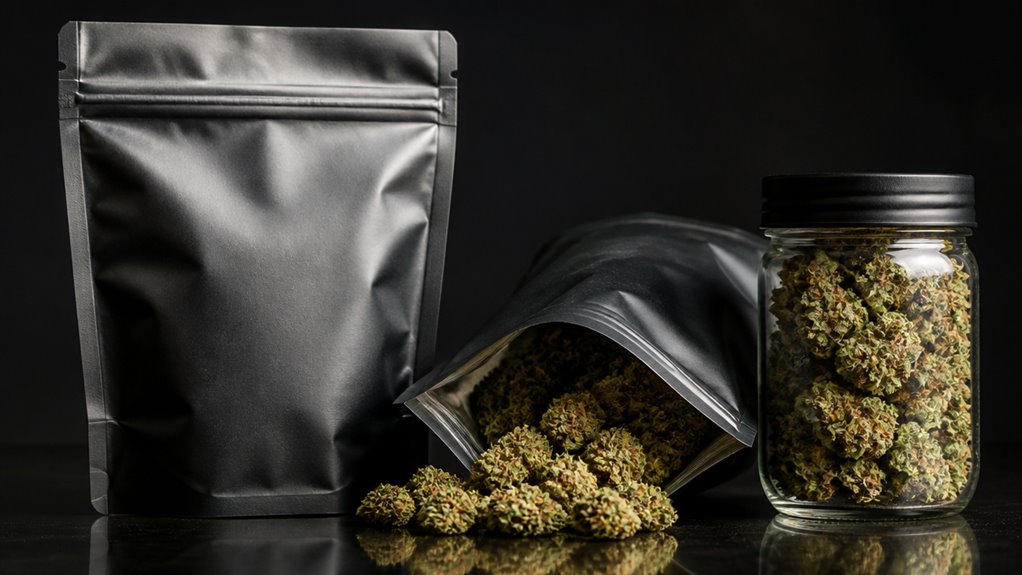
You can rely on odor proof bags to markedly reduce scents by using airtight seals and activated carbon linings that trap odor molecules rather than just masking them.
However, their effectiveness depends on proper sealing, material quality, and maintenance. While they greatly lower odors detectable by humans, highly sensitive noses like dogs can still pick up residual scents.
If you want to understand the science and best practices behind their performance, keep exploring for more insights.
Key Takeaways
- Odor proof bags significantly reduce odors (90–99%) when airtight seals and quality materials are used, but perfect odor isolation is rare.
- Activated carbon linings adsorb odor molecules rather than masking them, enhancing effectiveness especially around zipper areas.
- Seal quality and proper handling are critical; small gaps, wear, or damage reduce odor containment and allow scent leakage.
- Odor proof bags can fool human noses but are less effective against trained dogs or wildlife with superior scent detection.
- Best for discreet storage and moderate odor reduction, but not reliable as sole protection in high-risk or K9-sensitive environments.
How Odor Proof Bags Reduce Odors?
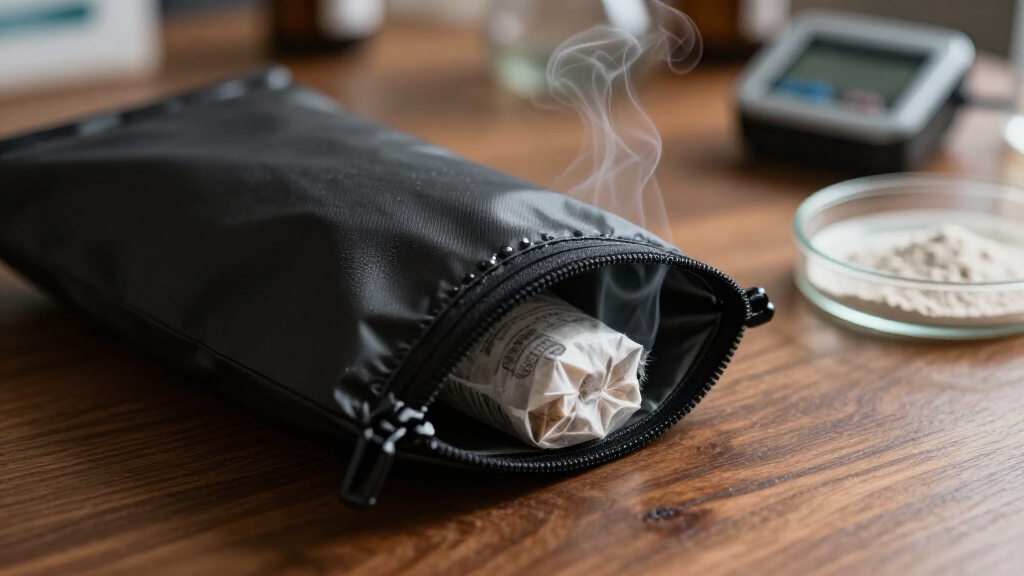
While no bag can guarantee complete odor elimination, odor-proof bags reduce smells primarily by combining airtight seals with advanced barrier materials and activated carbon linings that adsorb odor molecules into microscopic pores rather than merely masking them.
Odor-proof bags minimize smells using airtight seals, advanced barriers, and activated carbon that trap odor molecules effectively.
You rely on airtight seals, often zipper mechanisms, that prevent scent molecules from escaping. The multi-layer barrier materials, typically high-grade plastics or composites, restrict molecular diffusion, further limiting odor transmission.
Activated carbon linings enhance this by capturing odor-causing compounds within porous structures, trapping them rather than releasing them. You should note that the effectiveness depends on material quality, seal integrity, and handling.
Unlike simple ziplock bags that allow gradual scent leakage, these sophisticated designs reduce odor leakage substantially. Still, total odor containment isn’t assured, especially if the bag is damaged or improperly sealed.
Additionally, many odor-proof bags use waterproof materials like TPU or coated nylon that also provide moisture resistance, which helps maintain seal integrity and reduce odor escape.
How Activated Carbon Helps Reduce Odors?
Leveraging activated carbon in odor-proof bags markedly enhances their ability to reduce smells by trapping odor molecules rather than just covering them up.
When you use these bags, activated carbon adsorbs volatile compounds into its porous structure, preventing them from escaping. This process differs from masking, as it removes odor molecules from the air inside the bag.
However, the effectiveness depends on the carbon quality and the bag’s airtight seal.
Many top-performing duffels also incorporate double-layer activated carbon lining to strengthen odor control, especially around common leak points like zippers.
| Feature | Description |
|---|---|
| Adsorption | Captures odor molecules physically |
| Porosity | High surface area enhances trapping |
| Durability | Effectiveness declines with wear |
| Seal Importance | Airtight closure critical for success |
| Reusability | Carbon-lined bags maintain function over multiple uses |
Activated carbon greatly improves odor containment but isn’t foolproof without proper sealing.
How Effective Are Odor Proof Bags at Odor Reduction?
Although odor-proof bags can’t guarantee complete elimination of smells, they markedly reduce odor leakage when constructed with quality materials and proper sealing.
Odor-proof bags significantly cut down smell escape when made well and sealed correctly.
You’ll find that premium bags often claim 90–99% odor reduction, primarily by combining airtight seals with activated carbon linings that adsorb odor molecules.
However, effectiveness varies; some bags only achieve 30–40% reduction, especially if sealing is imperfect or materials degrade.
For everyday use, you can expect significant masking of odors detectable by humans, but absolute isolation is rare.
Factors such as zipper quality, wear, and handling influence performance, so you must maintain the bag well.
Ultimately, odor-proof bags offer meaningful odor control but should be viewed as a reduction tool, not a foolproof odor barrier.
Their airtight seals are crucial in enhancing odor containment by preventing air and odor molecules from escaping.
Why Odor Proof Bags Can’t Fool Dogs and Wildlife?
Because dogs and wildlife have far more sensitive noses than humans, odor-proof bags often can’t completely conceal scents from them. These animals detect faint odor molecules that escape even well-sealed bags.
You should understand that no bag is entirely odor-proof against such acute detection. Studies show that trained dogs locate items in odor-proof and regular bags with similar success, indicating residual scent leakage.
| Animal Type | Detection Sensitivity | Impact on Odor Bags |
|---|---|---|
| Dogs | Extremely High | Can detect minimal leaks |
| Bears | Very High | Attracted despite bags |
| Wildlife (general) | High | Detect residual odors |
| Humans | Moderate | Often fooled by bags |
Travelers should be aware that customs inspections may also involve detection methods beyond human senses, increasing the risk of item discovery despite odor-proof packaging.
Key Factors That Affect Odor Proof Bag Performance
You know, the quality of the seal really makes a difference when it comes to how well odor-proof bags contain smells. Airtight closures are a must if you want to minimize any leakage.
Now, let’s talk about activated carbon linings. They play a crucial role because they actually adsorb odor molecules instead of just masking them. This means you’re really getting rid of those smells, not just covering them up.
And don’t forget about proper handling and regular maintenance! Taking care of your bag can help prevent damage and contamination, which can really reduce its effectiveness over time. So, a little TLC goes a long way!
Additionally, materials with heat-sealed seams can greatly enhance moisture containment and odor control by preventing leaks more effectively.
Seal Quality Importance
When evaluating odor-proof bags, the quality of the seal plays a critical role in determining how effectively the bag contains scents. You need a truly airtight closure to prevent microscopic odor molecules from escaping.
Even small gaps or imperfect zippers can compromise the bag’s ability to block smells. Some bags use press-to-close zippers, while others rely on more robust locking mechanisms; the latter often provides a more reliable seal.
You should also consider how easy it’s to consistently close the bag tightly. User error can undermine even high-quality seals.
Over time, wear or damage to the sealing components can degrade performance, increasing the risk of leaks. Ultimately, the seal is your first and most essential barrier against odor escape. Its integrity directly impacts overall effectiveness.
Many high-quality protective bags use water-resistant zippers and reinforced closures to maintain airtight seals under various conditions.
Activated Carbon Role
Activated carbon markedly enhances an odor-proof bag’s ability to contain scents by adsorbing odor molecules into its microscopic pores rather than merely masking them. This adsorption process traps odor-causing compounds, reducing scent escape more effectively than standard plastic alone.
However, activated carbon’s performance depends on factors like carbon quality, thickness of the lining, and bag integrity. Over time, the adsorption capacity can diminish, especially if the bag is damaged or heavily used.
| Factor | Effect on Odor Control | Notes |
|---|---|---|
| Carbon Quality | Higher quality adsorbs more | Premium bags use denser carbon |
| Lining Thickness | Thicker layers improve adsorption | Thinner layers reduce effectiveness |
| Bag Integrity | Damage reduces carbon contact | Rips or punctures impair function |
Understanding these factors helps you gauge how activated carbon enhances bag performance. Additionally, the presence of an internal polyethylene liner can further improve containment by providing a secondary barrier against moisture and odors escaping.
Handling And Maintenance
Because maintaining an odor-proof bag properly directly impacts its effectiveness, handling and upkeep are critical to preserving its odor-blocking capabilities.
You should always guarantee airtight seals by closing zippers fully and avoiding overfilling, which can strain closures.
Inspect your bag regularly for wear or damage, as compromised materials or zipper failure reduce odor containment.
Keep the bag clean and dry; moisture can degrade activated carbon linings and encourage bacterial growth, diminishing performance.
Avoid cross-contamination by handling the bag with clean hands and storing it away from strong external odors.
Proper storage when not in use also prevents environmental scent buildup.
Consistent care helps maintain the bag’s multi-layer barriers and activated carbon efficiency, assuring peak odor reduction over time.
Using durable, easy-to-clean materials also helps maintain hygiene and prolong the bag’s lifespan.
When to Use Odor Proof Bags?
Where should you consider using odor-proof bags to get the most benefit? You’ll find them valuable whenever you need to minimize scent leakage in everyday situations, like discreetly storing food, herbs, or scented items at home or during travel.
Use odor-proof bags to discreetly store food, herbs, or scented items at home or while traveling.
They’re particularly useful when you want to reduce odors that might attract unwanted attention or contamination. However, keep in mind that they’re not foolproof, especially in environments with trained animal detection or strong odors.
You should also use them when airtight sealing is practical and you can maintain the bag’s integrity. Avoid relying solely on odor-proof bags in high-risk wildlife areas or K9-sensitive contexts; instead, treat them as part of a multi-layered strategy.
Their best use is for moderate odor reduction, not absolute scent isolation. For enhanced protection and security, consider using odor-proof bags made from durable, abrasion-resistant materials to prevent damage and maintain effectiveness.
Tips for Getting the Best Results With Odor Proof Bags
To maximize the effectiveness of odor-proof bags, focus on proper sealing and careful handling. Even the best materials won’t perform if the bag isn’t sealed airtight or if it’s damaged.
Handling matters too; cross-contamination from touching the bag’s exterior can transfer odors outside.
Here are three tips for best results:
- Ensure airtight closure: Press firmly along the zipper or seal to eliminate gaps.
- Avoid overfilling: Overstuffed bags compromise the seal and increase leakage risk.
- Handle with clean hands: Minimize odor transfer by avoiding contact with the bag’s surface after packing.
Additionally, using bags made with cut-resistant materials can help maintain the integrity of the seal and prevent accidental damage during travel.
Frequently Asked Questions
How Long Do Odor-Proof Bags Typically Last Before Losing Effectiveness?
Odor-proof bags typically last several months to a few years before losing effectiveness, depending on use and care.
You’ll find that wear and tear, exposure to moisture, and repeated opening degrade the activated carbon lining and seals over time.
If you handle the bag carefully, avoid overfilling, and store it properly, you can extend its lifespan.
Still, eventually, the odor-blocking ability diminishes, so plan to replace bags periodically for best results.
Are Odor-Proof Bags Safe for Storing Food Long-Term?
Yes, odor-proof bags are generally safe for long-term food storage if you choose high-quality, food-grade materials.
They often feature airtight seals and multi-layer barriers that help preserve freshness and reduce contamination.
However, you should avoid overfilling, damage, or prolonged exposure to heat, which can degrade the bag’s integrity.
Regularly inspect the bag and replace it if you notice wear, ensuring your food stays safe and odor containment remains effective.
Can Odor-Proof Bags Be Reused After Washing?
You can reuse odor-proof bags after washing, but treat them like a delicate fabric.
Washing carefully preserves their effectiveness.
Use mild soap and lukewarm water to avoid damaging the activated carbon lining that traps odors.
Avoid harsh scrubbing or heat, as these can degrade the bag’s sealing and odor-blocking layers.
Proper drying and gentle handling maintain performance, but repeated washing may gradually reduce the bag’s odor-adsorbing ability over time.
Do Odor-Proof Bags Work Better Than Airtight Containers?
You’ll find that odor-proof bags often provide better odor reduction than standard airtight containers because of their multi-layer barriers and activated carbon linings. These features actively adsorb odor molecules.
Airtight containers mainly seal out air but don’t neutralize odors. However, performance depends on quality and seal integrity.
For the strongest odor control, you might combine both: use odor-proof bags inside airtight containers to maximize containment and minimize scent leakage.
Are There Any Environmental Concerns With Disposing of Odor-Proof Bags?
You might want to bear in mind that odor-proof bags, often made from multi-layer plastics and activated carbon, present some ecological challenges when disposed of.
Their materials aren’t always biodegradable and can linger in landfills, contributing to environmental persistence.
While recycling options are limited due to composite construction, opting for proper waste management and exploring reusable or eco-friendly alternatives can help mitigate their environmental footprint effectively.
Maintain Your Bag to Keep Odors Contained
Odor proof bags act like a shield, markedly reducing odors by trapping and neutralizing scent molecules, especially with activated carbon.
However, they’re not foolproof; you shouldn’t rely on them to completely mask odors from dogs or wildlife.
Their effectiveness depends on factors like bag quality, seal integrity, and odor type.
Use them wisely when you need extra odor control, but remember they’re just one tool in your scent management arsenal, not an absolute solution.