
Italy Study Abroad Packing List for Students

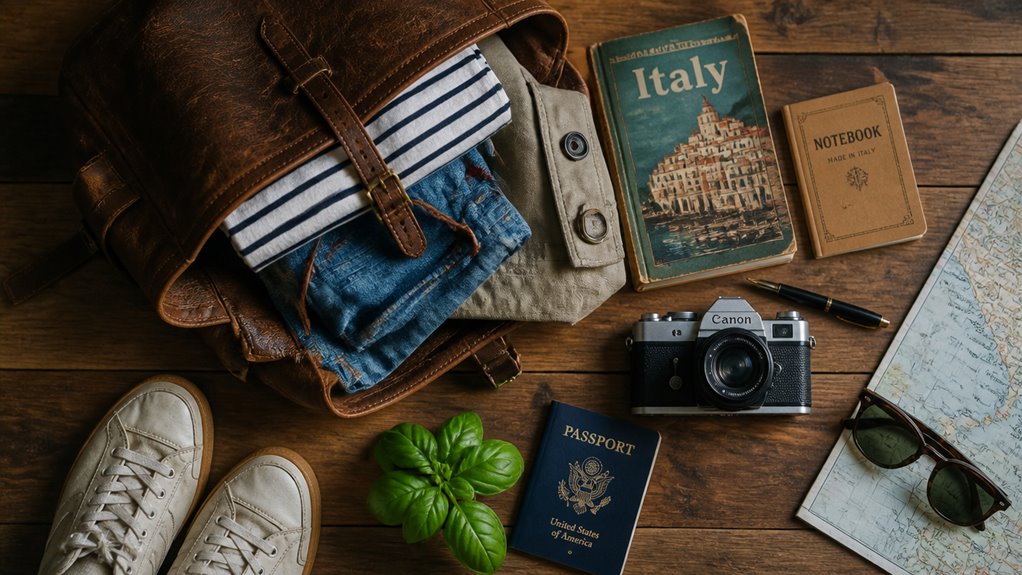
For your Italy study abroad, pack versatile, wrinkle-resistant tops, mix-and-match bottoms, and layerable sweaters for changing weather.
Bring comfy walking shoes with good traction, waterproof options, and break them in beforehand.
Don’t forget essential electronics with European plug adapters, important travel documents, and a mix of cash and cards.
Include compact toiletries, personal meds, and a reusable water bottle.
Smart packing cubes and a small daypack help stay organized.
Keep going to discover key tips tailored for your adventure.
Key Takeaways
- Pack 7–10 versatile tops and 3–5 mix-and-match bottoms, plus lightweight sweaters and a rain-resistant jacket for variable Italian weather.
- Bring comfortable, broken-in walking shoes with good traction and waterproof options for rainy or colder months.
- Carry travel-size toiletries, prescription medications, and a compact first-aid kit to stay healthy and meet carry-on requirements.
- Include essential travel documents, European plug adapters, chargers, and a portable power bank for smooth connectivity.
- Use compression packing cubes, a small daypack, and layering clothing strategies to save space and adapt to weather changes.
Clothing Essentials for Italy’s Variable Weather
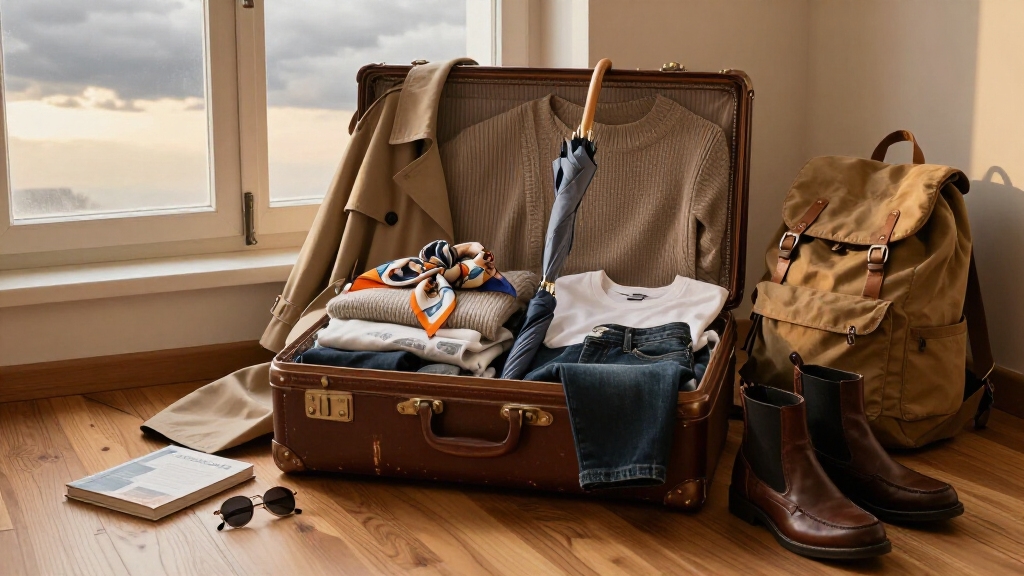
Because Italy’s weather can shift throughout the day and between regions, you’ll want to focus on packing layered outfits that adapt easily.
Start with 7 to 10 tops, including both lightweight shirts for warm days and sweaters for cooler moments. Choose 3 to 5 bottoms like jeans, pants, skirts, or leggings that mix and match well.
Don’t forget a jacket or coat; a rain-resistant option is vital if you visit during wetter months. Accessories such as scarves, hats, and gloves come in handy during colder seasons, especially winter.
Layering lets you stay comfortable walking outside or indoors without overpacking. Being prepared this way guarantees you’ll handle Italy’s variable climate effortlessly while keeping your luggage manageable and your style versatile.
Including lightweight cardigans or cozy sweaters that fold easily into a day bag can add extra warmth without bulk.
Choosing Comfortable Footwear for Italy
When you’re heading to Italy, comfy walking shoes are a must! You’ll definitely want something that provides solid support, especially when you’re navigating those charming cobblestone streets.
And hey, think about the weather, too! If you’re expecting rain, waterproof boots are a smart choice.
On warmer days, breathable sneakers will keep your feet happy and cool.
Oh, and a little maintenance goes a long way! Just remember to clean your shoes and switch them out now and then.
It’ll help keep them in great shape throughout your adventure!
Also, consider footwear with good traction to prevent slipping on wet or uneven surfaces.
Best Walking Shoes
Maneuvering Italy’s charming cobblestone streets and bustling campuses demands shoes that prioritize comfort and support.
You’ll want walking shoes with cushioned insoles and sturdy soles to absorb shock and protect your feet from uneven surfaces.
Look for breathable materials like mesh or leather to keep your feet dry during long days.
A snug fit is essential; avoid shoes that pinch or rub, as blisters can quickly derail your plans.
Sneakers or supportive flats with arch support work well for everyday exploring and classes.
Consider shoes with non-slip soles to handle slick pavements safely.
Breaking in your shoes before departure guarantees you won’t face discomfort abroad.
Choosing shoes with moderate wedge heights around 2 to 2.5 inches can balance style and comfort for extended walking.
Weather-Appropriate Footwear
Selecting weather-appropriate footwear is essential for staying comfortable and prepared while exploring Italy’s diverse climates. You’ll want shoes that handle cobblestone streets, unpredictable weather, and long walks.
Pack sneakers or supportive flats for everyday use, waterproof boots for rainy or colder months, and sandals for warm weather or social events. An extra pair helps you switch based on conditions and keeps your feet happy.
Additionally, consider packing waterproof and windproof jackets to complement your footwear and protect against sudden weather changes.
| Weather Type | Footwear Recommendation | Key Feature |
|---|---|---|
| Warm & Dry | Sandals or breathable flats | Ventilation and lightness |
| Rainy or Cold | Waterproof boots | Insulation and water resistance |
| Everyday Touring | Supportive sneakers | Comfort and durability |
Choose wisely to stay comfortable no matter where Italy takes you.
Footwear Maintenance Tips
Regularly caring for your footwear can make a significant difference in comfort and durability throughout your time in Italy.
Since you’ll be walking on cobblestone streets and varied terrain, keeping your shoes clean and dry helps maintain their support and prevents damage.
Wipe off dirt daily and let wet shoes air dry away from direct heat to avoid cracking.
Rotate your pairs to allow each to rest and retain shape.
Use insoles for added cushioning and replace worn-out ones promptly.
Check soles for wear and get them repaired if needed.
Store shoes in a breathable bag or box to prevent moisture buildup.
With these simple steps, your footwear will stay comfortable and reliable, letting you enjoy Italy’s streets without foot pain or unexpected breakdowns.
For trips with variable weather, consider waterproof and windproof jackets to stay comfortable during sudden changes that might affect outdoor activities.
Essential Electronics and European Power Adapters
Although you might be tempted to pack only your laptop and phone chargers, preparing for your study abroad experience means bringing a European plug adapter to guarantee your devices work with Italy’s outlets.
Italy uses Type C, F, and L plugs with 230V voltage, so check if your electronics support this voltage to avoid damage. If your devices aren’t dual-voltage, pack a voltage converter to prevent electrical issues.
Italy uses Type C, F, and L plugs with 230V—ensure your devices support this or bring a voltage converter.
Don’t forget essential electronics like your laptop, phone, chargers, and a portable power bank to stay connected during long days.
Consider organizing cables in a small pouch to avoid tangles.
Being prepared with the right adapters and chargers makes certain your devices stay powered. This helps you focus on your studies and enjoy your time abroad without technical interruptions.
Remember to comply with TSA and FAA regulations on batteries when packing laptop batteries and chargers to avoid any travel delays or confiscations.
Important Travel Documents and Money Essentials
When preparing for your study abroad journey, securing all essential travel documents and money is a top priority.
Make sure your passport is valid and keep both the original and copies safely stored.
Check if you need a visa based on your program length and nationality, and obtain it well in advance.
Bring insurance cards for health and travel, as these are vital in emergencies.
Have printed copies of your accommodation and flight details ready for smooth arrivals and check-ins.
For money, carry a combination of bank cards and some cash in euros to cover daily expenses and unexpected situations.
Keep your cards secure but accessible, and notify your bank about your travel plans to avoid service interruptions.
Being organized with these essentials helps you start your adventure stress-free.
Consider protecting your important documents with a dry bag to guard against moisture and damage.
Essential Health and Personal Care Items for Italy
Alongside travel documents and money, packing the right health and personal care items can make a big difference in your comfort and well-being while studying in Italy.
Be sure to bring a sufficient supply of any prescription medications you need, ideally enough for the entire semester. Include basic over-the-counter medicines like pain relievers and cold remedies to handle minor ailments.
Pack travel-size toiletries like shampoo, toothpaste, and deodorant to save space and comply with carry-on regulations. Don’t forget personal hygiene items such as razors, nail clippers, tweezers, and contact lens supplies if you use them.
A reusable water bottle is also essential to stay hydrated during long days on campus or exploring cities. When uncertain about water safety, opt for bottled water or filtering to avoid stomach issues related to tap water safety. These thoughtful essentials help you stay healthy and comfortable abroad.
Everyday Travel Accessories for Italy
Several everyday travel accessories can greatly enhance your experience while studying and exploring Italy. A small daypack or cross-body bag keeps your essentials close and hands-free during classes or sightseeing.
A small daypack or cross-body bag keeps your essentials close and hands-free while exploring Italy.
Don’t forget a compact umbrella, especially if you’re in northern Italy or traveling in rainy seasons. Luggage locks provide extra security for your belongings in dorms or hostels.
A reusable water bottle helps you stay hydrated while reducing plastic waste. Pack headphones for music or podcasts during commutes, and consider a portable charger to keep your devices powered on long days.
These practical items make traversing Italy’s cities, campuses, and public transportation smoother. They ensure you stay organized, comfortable, and connected throughout your study abroad adventure. Consider using bright luggage tags to easily identify your bags and help ensure their safe recovery if misplaced.
Smart Packing Tips to Maximize Luggage Space
When packing for your trip to Italy, think about layering your outfits. This way, you can easily adjust to the country’s unpredictable weather without cramming your suitcase full. Plus, it gives you more flexibility in your wardrobe!
To stay organized and save space, consider using accessories like vacuum bags or packing cubes. They really help you maximize every inch of your luggage, which is super handy when you’re trying to fit everything in.
Also, opt for multi-use clothing that you can mix and match. It simplifies your packing and keeps your suitcase light and versatile. That way, you can create different looks without needing to pack a ton of items!
Choosing the right backpack size, such as a 20L or 30L capacity, can make a big difference in how much gear you can comfortably carry on your travels.
Layering For Flexibility
When packing for your study abroad adventure, layering clothes lets you adapt easily to Italy’s changing weather without overloading your suitcase.
Start with versatile tops; bring 7 to 10 options that range from lightweight tees to long-sleeve shirts. Include a couple of sweaters for cooler days and evenings.
For bottoms, pack 3 to 5 pieces like jeans, skirts, or leggings that mix and match well. Don’t forget a rain-resistant jacket or coat to stay dry during wet months.
Accessories such as scarves and hats not only add warmth but also save space by changing up your look. Layering helps you stay comfortable indoors and outdoors, ensuring you’re prepared for everything from warm afternoons to chilly nights without packing bulky items that take up precious luggage space.
Use Space-Saving Accessories
Maximize every inch of your suitcase by packing smart with space-saving accessories designed specifically for travel.
Start with compression packing cubes to neatly organize and compress clothing, reducing bulk and making it easier to locate items.
Use vacuum-seal bags for bulky sweaters or jackets; they noticeably shrink volume and keep clothes protected from moisture.
Don’t forget a foldable toiletry bag to keep essentials compact and accessible.
A slim, flexible jewelry organizer prevents tangling without taking up much space.
Additionally, pack a lightweight, collapsible daypack for daily outings, which won’t add much weight or size to your luggage.
These tools help you fit more into less space, avoid overpacking, and stay organized throughout your Italy study abroad adventure.
Pack Multi-Use Clothing
Selecting versatile clothing pieces allows you to create numerous outfit combinations without overloading your luggage. Focus on layered outfits that adapt to Italy’s changing weather. Pack 7–10 tops that work well in both warm and cool conditions.
Choose 3–5 bottoms like jeans, pants, and skirts that pair easily with multiple tops. Include a lightweight jacket or rain-resistant coat for unpredictable weather. Accessories like scarves and hats can refresh looks and add warmth without taking much space.
Opt for clothing made from wrinkle-resistant, quick-dry fabrics to keep your packing light and maintenance simple. By prioritizing multi-use items, you avoid excess bulk and stay prepared for indoor and outdoor activities. Maximize your luggage space while ensuring you’re ready for varied Italian climates and social settings.
Frequently Asked Questions
Can I Buy Winter Clothes Easily in Italy Upon Arrival?
Yes, you can buy winter clothes easily in Italy after you arrive.
Italian cities have plenty of stores offering jackets, scarves, hats, and gloves, especially in larger cities like Rome, Milan, or Florence.
However, prices might be higher than at home, and styles may differ.
To avoid stress and save money, it’s smart to bring at least some essential warm layers with you.
Then supplement your wardrobe locally as needed.
Are Laundry Facilities Commonly Available in Student Housing?
You’ll find that most student housing in Italy offers laundry facilities, though they mightn’t be as lavish as you’re used to.
Many dorms have shared laundry rooms with washers and dryers, but sometimes you’ll need coins or cards to operate them.
In smaller towns or older buildings, laundromats nearby are common.
It’s wise to check your housing details ahead, so you’re prepared to keep your clothes fresh without hassle.
What Is the Best Way to Stay Connected With Family Abroad?
The best way to stay connected with family abroad is by using reliable internet-based apps like WhatsApp, FaceTime, or Skype for video calls and messaging.
Make sure to have a good phone plan with international data or buy a local SIM card to avoid high roaming fees.
Regularly schedule calls to maintain consistent contact.
Consider sharing photos and updates through social media or group chats to keep everyone involved in your experience.
Should I Bring Gifts or Souvenirs for My Host Family?
Yes, you should bring gifts for your host family. Thoughtful, small presents from your home country show appreciation and help build rapport.
Consider items like local snacks, handmade crafts, or cultural souvenirs that aren’t bulky or expensive. Avoid anything overly personal or lavish.
A simple, meaningful gift says a lot and sets a positive tone for your stay. It shows respect and gratitude for their hospitality.
How Do I Handle Phone Plans and SIM Cards in Italy?
You should consider buying a local SIM card upon arrival to save on roaming fees and get better coverage.
Italian providers like TIM, Vodafone, and WindTre offer prepaid plans with data, calls, and texts.
Make sure your phone is available before leaving.
Also, check if your current plan supports international roaming.
Using a local SIM keeps you connected affordably for finding your way, staying in touch, and managing daily tasks overseas.
Final Thoughts on Your Italy Study Abroad Packing List
As you pack for Italy, think of your suitcase as a well-tended garden. Each item is a carefully chosen seed.
Clothing shields you like sturdy leaves, and footwear grounds you like deep roots. Documents shine like bright flowers, essential and vibrant.
By thoughtfully preparing every detail, you’ll nurture a smooth, enriching study abroad experience.
With smart packing, you’re not just carrying belongings; you’re cultivating memories that will bloom long after your trip ends.