
Best Way to Travel With a Suit on a Plane

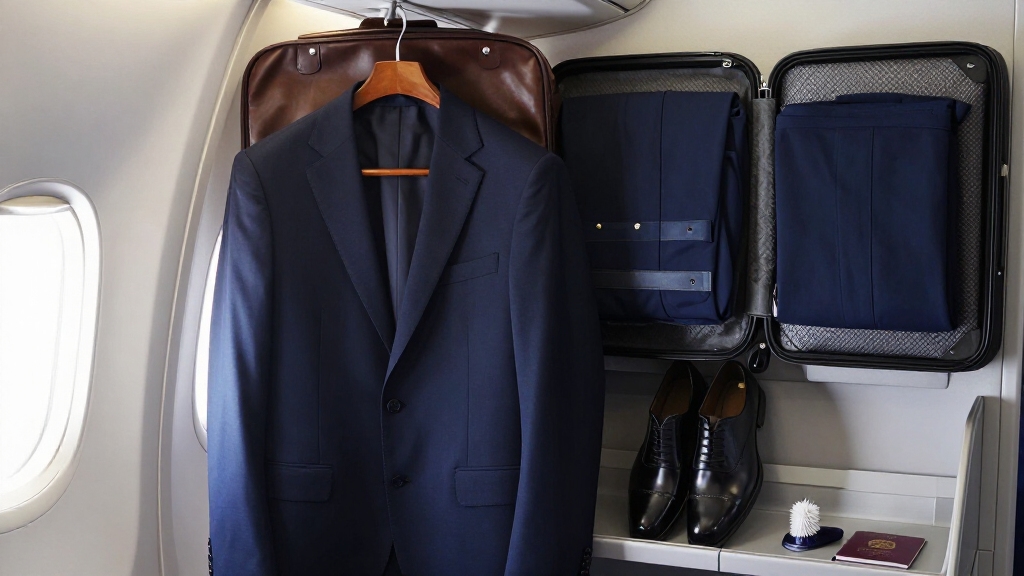
The best way to travel with your suit on a plane is to use a garment bag whenever possible.
It keeps your suit hanging, minimizing wrinkles and maintaining its sharp look.
Be mindful of airline carry-on size limits.
If you must use a carry-on suitcase, fold your suit carefully to protect its shape.
After landing, unpack and hang it promptly to relax wrinkles.
Keep following for practical tips to master suit travel like a pro.
Key Takeaways
- Use a garment bag to keep your suit hanging and reduce wrinkles during travel.
- Check airline carry-on size limits, as garment bags may count as carry-on and face restrictions.
- Fold your suit carefully inside a carry-on suitcase by turning the jacket inside out and aligning natural creases.
- Remove items from pockets and use a dry-cleaning bag to minimize fabric friction and dents.
- Unpack and hang your suit immediately after landing to let wrinkles relax and maintain shape.
Choosing the Best Suit Travel Method: Garment Bag, Carry-On, or Checked
When it comes to traveling with a suit, choosing the right method can make all the difference in how your outfit looks on arrival. If keeping your suit pristine is a priority, a garment bag is often your best bet since it lets the suit hang, reducing wrinkles.
However, keep in mind that garment bags can count as carry-ons and might’ve size restrictions, depending on your airline. Using a carry-on suitcase is common and convenient, but you’ll need to fold your suit carefully to avoid creases.
Checking your luggage is an option for longer trips, though it increases the risk of wrinkles due to compression and movement. Ultimately, your choice should balance airline rules, trip length, and how sharp you need your suit to look.
For military personnel, selecting a garment bag with advanced wrinkle prevention features like adjustable securing straps or hanger clamps can ensure a mission-ready appearance upon arrival.
Garment Bag vs. Carry-On Suitcase: Pros, Cons, and Airline Rules
Deciding between a garment bag and a carry-on suitcase comes down to how you prioritize suit care and convenience.
Garment bags keep your suit hanging, minimizing wrinkles, but often count as your carry-on allowance and may face size restrictions.
Carry-on suitcases offer more packing flexibility but risk creasing your suit due to folding and compression.
| Feature | Garment Bag | Carry-On Suitcase |
|---|---|---|
| Suit Protection | Excellent (hanging) | Moderate (folding required) |
| Airline Rules | May count as carry-on, size limits apply | Standard carry-on limits |
| Convenience | Easier suit access, less packing space | More storage, less suit-friendly |
Choose based on your airline’s policies and how formal your arrival needs to be. For long-term preservation after travel, it’s important to store suits in breathable garment bags to prevent moisture buildup and maintain fabric quality.
How to Fold Your Suit to Avoid Wrinkles?
Mastering the art of folding your suit properly can dramatically reduce wrinkles and keep your outfit looking sharp upon arrival.
Properly folding your suit is key to minimizing wrinkles and ensuring a polished appearance on arrival.
Start by turning your jacket inside out; this protects the outer fabric while minimizing creases. Fold the jacket in half vertically, aligning the shoulders to maintain shape.
For trousers, fold along the natural crease to preserve the pressed line. Lay the folded jacket flat on top of your suitcase contents or cushion it with soft clothing to avoid pressure points.
Avoid tight compression or forcing folds, which can cause permanent fabric damage. By carefully folding your suit this way, you’ll reduce wrinkles markedly and maintain a crisp, polished look without relying solely on garment bags or hanging options.
When packing, consider using a carry-on backpack that meets standard dimensions to keep your suit protected and wrinkle-free during travel.
Easy Pre-Flight Tips to Keep Your Suit Sharp
Before you head to the airport, taking a few simple steps can make a big difference in keeping your suit looking sharp.
Start by removing any items from your pockets—cufflinks, pens, or anything that might press into the fabric and cause dents.
Give your suit a quick steam or light iron to smooth out creases, guaranteeing it’s ready for travel.
Use a dry-cleaning bag or plastic layer to minimize friction between garments, which helps prevent wrinkles.
When packing, align your jacket and trousers carefully along their natural lines.
Place them on top of softer clothes or in packing cubes to limit shifting.
These easy pre-flight tips guarantee your suit stays crisp, so you arrive looking polished and professional.
For persistent creases or dents, consider gentle heat and massaging techniques to relax the fabric fibers and restore shape, as recommended in fiber relaxation techniques.
Refresh Your Suit Right After Landing
Right after you land, your first priority should be unpacking your suit to stop wrinkles from settling in further.
Unpack your suit immediately after landing to prevent wrinkles from setting in further.
Hang it immediately in a dry, warm spot to let the fabric relax naturally. Avoid stuffing it back into your bag, which only deepens creases.
Taking a brief rest lets the fibers recover, reducing pressing needs. If you spot stubborn wrinkles, use a steamer for quick, gentle touch-ups instead of heavy ironing, which can damage the fabric.
Keep the suit hanging until you’re ready to wear it to maintain its shape and sharpness.
Measuring your luggage accurately before travel ensures your suitcase meets airline size restrictions, preventing last-minute hassles.
These simple steps help you look polished and professional, ensuring your suit is as fresh as when you first packed it.
Frequently Asked Questions
Can I Pack Multiple Suits in One Garment Bag?
You can pack multiple suits in one garment bag, but you’ll want to be careful.
Overstuffing can cause wrinkles and crush the fabric, defeating the purpose of the garment bag.
Use soft clothing or packing cubes to create buffers between suits.
Make sure the bag fits airline size limits to avoid checking it.
If you need to travel with several suits, consider a larger, well-structured garment bag designed for multiple garments to keep them neat.
What Fabric Types Wrinkle Less During Air Travel?
Did you know wool suits wrinkle up to 50% less than cotton or linen during travel?
You’ll want to choose fabrics like high-quality wool or wool blends because they naturally resist creasing and maintain shape better.
Synthetic blends with a bit of polyester also help reduce wrinkles.
Avoid linen if you want a crisp look since it wrinkles easily.
Picking the right fabric means less stress and a sharper suit on arrival.
Are Shoe Bags Necessary When Traveling With a Suit?
You don’t absolutely need shoe bags when traveling with a suit, but they’re super helpful.
They keep your shoes separate from your clothing, preventing dirt or scuffs from damaging your suit.
Plus, shoe bags help organize your luggage and protect your shoes from scratches.
If you want to keep your suit pristine and your shoes in good shape, using shoe bags is a smart, practical step you shouldn’t skip.
How Early Should I Arrive to Check a Garment Bag?
You should arrive at least two hours before your flight when checking a garment bag.
This gives you enough time to handle any extra scrutiny or sizing concerns from airline staff, especially since garment bags can be bulky.
Early arrival also reduces stress, letting you securely check your bag without rushing.
If your airport is busy or international, consider adding 30 minutes to guarantee a smooth drop-off process.
Can a Steamer Be Used Safely on All Suit Fabrics?
You can generally use a steamer safely on most suit fabrics, as 85% of suits are made from wool or wool blends, which respond well to steaming.
However, be cautious with delicate materials like silk or velvet; always test a small area first.
Steaming helps relax fibers without damaging the fabric’s texture, unlike heavy ironing.
The Bottom Line on Packing a Suit for Travel
Traveling with your suit is like tending a delicate plant. You need the right container, gentle handling, and timely care to keep it thriving.
Whether you choose a garment bag, carry-on, or checked luggage, packing thoughtfully and freshening your suit post-flight will guarantee it stays sharp.
With these steps, you’ll arrive looking as polished as if you’d just stepped out of a tailor’s shop, ready to face whatever your journey holds.