
Why Is It Called a Hobo Bag? History Explained

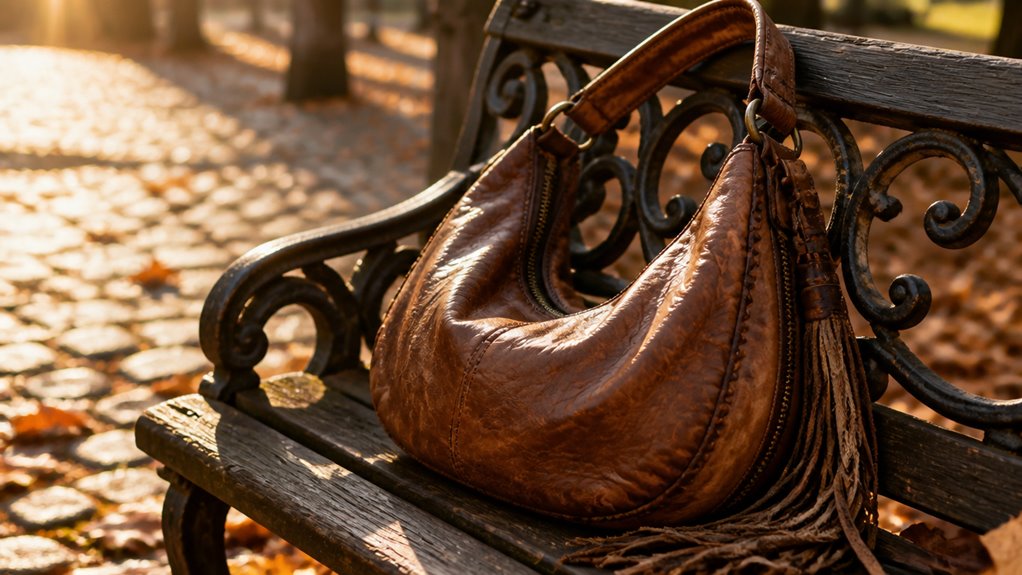
You call it a hobo bag because its soft, crescent shape mirrors the bindle.
Those tied cloth bundles migrant workers or hobos carried over their shoulders in late 19th-century America inspired this design.
It combines practical mobility with casual style, reflecting a transient past.
While the name connects fashion to social history, it also raises questions about sensitivity to the hardships hobos faced.
Keep exploring to understand its evolution and cultural impact.
Key Takeaways
- The hobo bag’s name references 19th-century migratory workers called hobos who carried belongings in a tied cloth bundle called a bindle.
- Its crescent, slouchy shape visually mimics the bindle’s form, symbolizing ease, mobility, and casualness.
- The design originated from practical, transient lifestyles, especially during the Great Depression, emphasizing utility and comfort.
- Fashion adoption transformed the bindle concept into a stylish single-strap purse popularized in the 1930s and beyond.
- The name metaphorically links the bag to social history but can be controversial for potentially trivializing migrant workers’ struggles.
Where Does the Name “Hobo Bag” Come From?
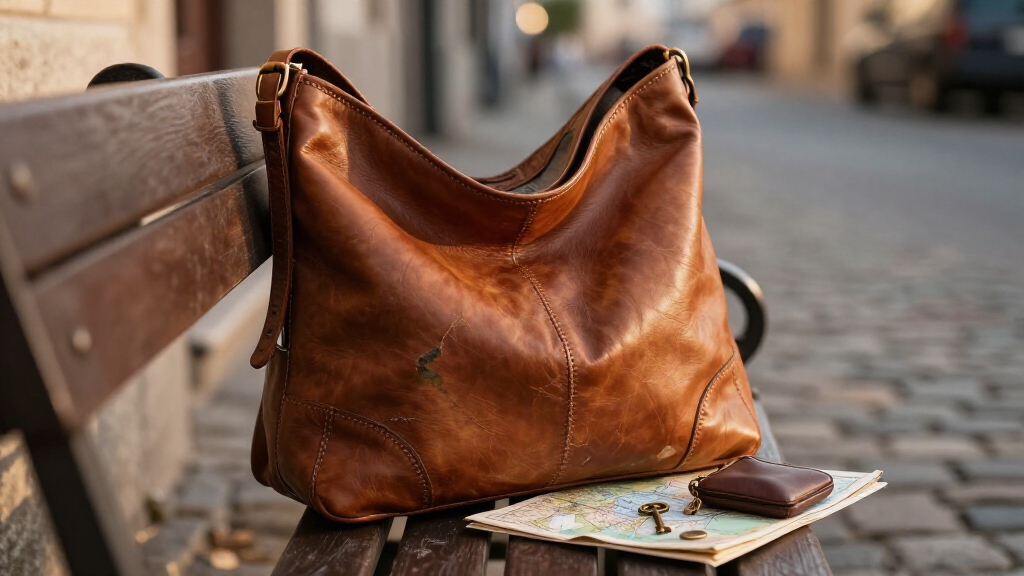
Although you mightn’t immediately connect fashion with history, the name “hobo bag” directly references the migratory workers of late 19th-century America, known as hobos. They carried their belongings in a tied cloth bundle called a bindle slung over the shoulder.
When you look closely, the bag’s soft, slouchy silhouette visually mimics that bindle shape. Fashion writers note this connection, highlighting how illustrations and cartoons of hobos influenced the bag’s naming.
While the contemporary hobo bag serves a different purpose, its name roots in this historic image of transient laborers. Understanding this origin reveals the term as a metaphorical link to social history, reflecting how cultural memory shapes fashion terminology.
The evolution of bag names often reflects their function or cultural symbolism, similar to how the functional naming of tote bags highlights their utilitarian purpose.
How the Hobo Bag Got Its Shape and History?
The hobo bag’s distinctive shape didn’t emerge by chance; it directly echoes the practical design of the bindle carried by migrant workers.
This soft, crescent silhouette mimics the cloth bundles these workers slung over their shoulders, optimized for ease and mobility.
Originating in the late 19th century, the bindle was a utilitarian solution for transient lifestyles, particularly during the Great Depression when many carried their belongings this way.
Fashion designers later adopted this relaxed form, translating the bindle’s functionality into a slouchy, spacious purse with a single shoulder strap.
The hobo bag’s unstructured shape conveys casualness and adaptability, reflecting its historical roots while meeting modern needs for versatility.
Understanding this lineage helps you appreciate how historical context informed the bag’s enduring design.
For those interested in extending the life of such bags, techniques like repair and customization can help maintain their usefulness and style over time.
When Did the Hobo Bag Become a Fashion Favorite?
Once you recognize the hobo bag’s practical origins, you can trace its rise to fashion prominence starting in the 1930s, when its first commercial versions appeared.
Priced modestly around 35 cents, these early bags captured the soft, crescent silhouette inspired by the bindle’s tied cloth bundle.
This design, blending utility with a relaxed aesthetic, appealed to consumers seeking both function and style.
Over the following decades, the bag evolved beyond mere practicality; its slouchy shape offered a casual elegance that suited changing tastes.
By the mid-20th century, the hobo bag’s presence in fashion catalogs and stores cemented its status as a recognizable accessory.
You’ll see how this shift from utility to style marked the bag’s transformation into a fashion favorite.
Modern interpretations often incorporate full-grain leather and structured elements to blend vintage charm with contemporary function.
Cultural Popularity and Celebrity Influence of the Hobo Bag
As the hobo bag moved beyond its utilitarian roots, it found a new life within cultural movements and celebrity wardrobes that reshaped its image.
You’ll notice its rise in the 1960s hippie era, where it symbolized freedom and casual style.
Later, in the late 1990s and early 2000s, celebrities like Sienna Miller and Kate Moss popularized the boho-chic trend, making the bag a must-have accessory.
This celebrity endorsement tied the bag to a laid-back, artistic lifestyle, reinforcing its cultural relevance.
Black bags, known for their core versatility, often complement the hobo bag’s casual aesthetic while providing a timeless, functional accessory option.
| Era | Key Influence | Cultural Impact |
|---|---|---|
| 1960s | Hippie Movement | Symbol of freedom and nonconformity |
| Late 1990s-2000s | Celebrities (Miller, Moss) | Boho-chic mainstream adoption |
| Present | Fashion Cycles | Continued relaxed, casual appeal |
| Throughout | Media & Runways | Reinforced iconic slouchy silhouette |
Why the Name “Hobo Bag” Is Controversial Today?
Although the name “hobo bag” captures a distinctive shape, you might find its historical associations uncomfortable or even problematic today.
The term “hobo” originally referred to migrant workers facing poverty and homelessness, carrying their belongings in bindles.
Using this loaded label for a fashionable purse can feel insensitive, as it glosses over real struggles related to migration and economic hardship.
Naming a stylish purse “hobo” risks overlooking the deep realities of migration and poverty.
When you call a stylish bag a “hobo,” you’re invoking imagery tied to transient poverty rather than modern luxury or utility.
This disconnect prompts some to question whether the name trivializes serious social issues.
While the bag’s crescent shape reflects the bindle’s silhouette, you should consider how appropriating such terms affects cultural understanding and respect for the past.
The controversy encourages thoughtful reflection on language in fashion.
Additionally, when choosing bags, many people today prioritize practicality and affordability, which contrasts with the historical weight carried by such terms.
Frequently Asked Questions
What Materials Are Commonly Used to Make Hobo Bags?
You’ll often find hobo bags made from soft leather or supple suede, which help create that signature slouchy shape.
Sometimes designers use canvas or nylon for a casual, lightweight feel.
The choice of material directly influences the bag’s relaxed silhouette and durability, essential for everyday use.
You’ll notice the materials are selected to balance flexibility with structure, allowing the bag to maintain its crescent form while comfortably carrying your essentials.
How Do You Properly Clean and Care for a Hobo Bag?
Think of your hobo bag as a trusted companion, carrying your essentials through daily journeys.
To care for it, gently wipe its soft leather or fabric with a damp cloth. Avoid harsh chemicals that could strip its character.
Condition leather occasionally to maintain suppleness, while fabric bags benefit from spot cleaning and air drying.
Store it in a dust bag to preserve its slouchy shape and protect it from sunlight’s fading touch.
Are Hobo Bags Suitable for Formal Occasions?
Hobo bags generally aren’t ideal for formal occasions because their slouchy, casual shape lacks the structured elegance formal events demand.
You’ll find they suit laid-back or boho styles better. However, if you choose a hobo bag made from luxe materials like leather or suede with minimal hardware, and pair it thoughtfully with your outfit, you might pull off a semi-formal look.
Still, classic clutches or structured handbags usually work best for formal settings.
Can Hobo Bags Fit Laptops or Large Electronic Devices?
You might be surprised, but hobo bags can sometimes accommodate laptops or large electronics if you choose wisely.
Their slouchy, spacious design often offers enough room for devices up to 13 inches. However, bulky laptops may not fit comfortably due to the bag’s soft structure lacking firm protection.
To guarantee safety, consider a padded sleeve inside. While not ideal for heavy tech gear, hobo bags work for lighter, everyday electronics.
What Are Popular Brands Known for Hobo Bags?
You’ll find popular hobo bags from brands like Coach, Michael Kors, and Fossil, known for combining style with practicality.
These labels emphasize the slouchy, crescent shape while using quality leather and hardware.
You can also explore high-end designers like Gucci and Prada, who reinterpret the hobo silhouette with luxurious materials and unique details.
Each brand offers distinct takes, balancing the bag’s relaxed vibe with modern fashion trends, so you’ll have versatile options.
Final Thoughts on Why It Is Called a Hobo Bag
Now that you’ve uncovered the roots and rise of the hobo bag, you might wonder if its name reflects freedom or stereotype.
Its slouchy shape tells a story of practicality turned iconic, yet the term’s origins carry weight.
As fashion evolves, so does the conversation around what we wear and what we call it.
Will the hobo bag remain a beloved statement or face a redefined identity?
Only time will tell.