
Can a Duffel Bag Be Used as a Carry on: All in One Bag

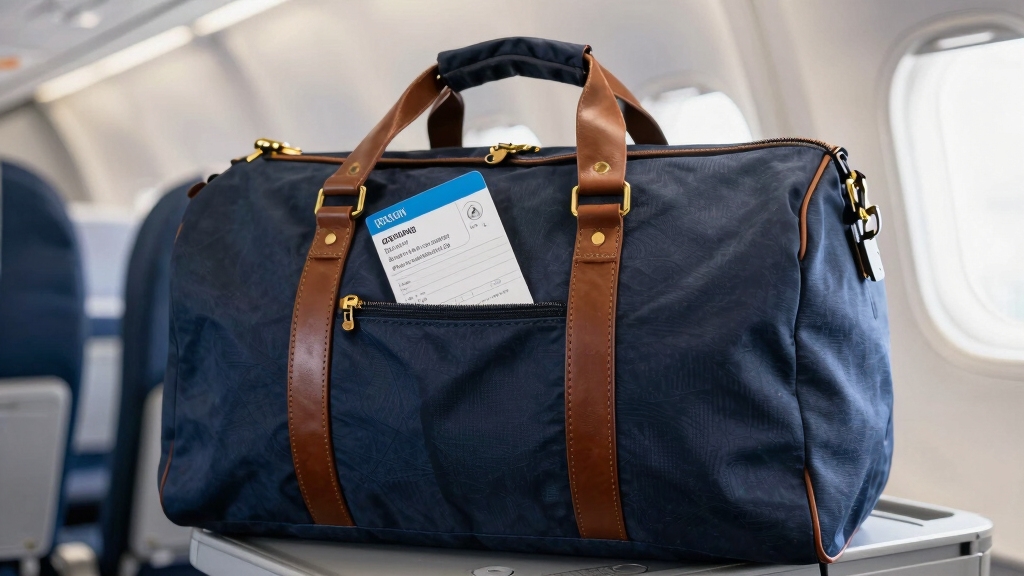
You can use a duffel bag as a carry-on if it fits your airline’s size and weight limits, usually around 22 x 14 x 9 inches. Remember, handles and wheels count toward those dimensions. Airlines differ on rules, so check before you pack.
Duffels’ flexible design often helps you squeeze in more and maneuver overhead bins easier than rigid luggage. Keep these in mind, and you’ll travel smarter with your duffel. There’s plenty more to know on making the most of it.
Key Takeaways
- Most airlines allow duffel bags as carry-ons if they meet size limits around 22 x 14 x 9 inches including handles and wheels.
- Soft-sided duffels compress better than rigid suitcases, fitting more easily in overhead bins.
- Duffels must be fully packed and measured with all external parts to comply with airline carry-on size rules.
- Weight limits for carry-ons vary but typically range from 15 to 25 pounds depending on the airline and route.
- Personal items and carry-ons are separate allowances; a duffel bag sized for overhead bins counts as a carry-on, not a personal item.
Airline Size Requirements for Carry-On Duffel Bags
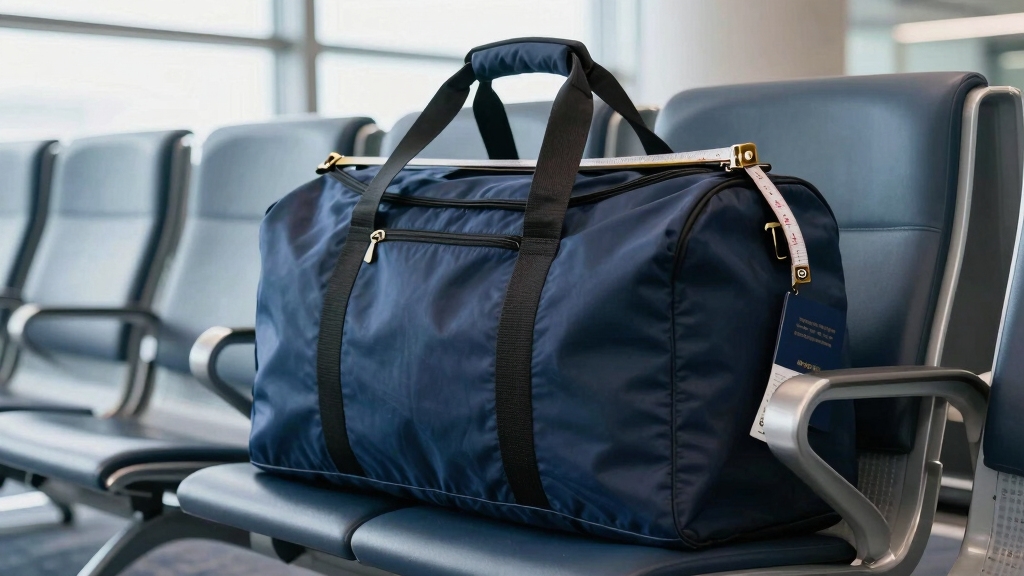
When you’re packing a duffel bag as your carry-on, the first thing to nail down is whether it fits the airline’s size requirements.
Most U.S. airlines set the maximum size around 22 x 14 x 9 inches, including handles and wheels.
Some, like Southwest, allow slightly bigger bags, while others, such as Aeroflot or Air Canada, have their own specific limits.
Remember, airlines measure your bag fully; handles, straps, and wheels count. Many airlines also enforce a maximum linear dimension by summing length, width, and depth.
Duffel bags offer flexibility since their soft sides can compress to fit overhead bins better than rigid suitcases.
Still, if your duffel exceeds length, width, or the combined linear dimension (usually about 45 inches), you risk having to check it.
Weighing your bag beforehand with a luggage scale can help ensure it complies with the airline’s weight restrictions.
Always check your airline’s rules before you pack to avoid surprises at the gate.
Weight Limitations and Considerations
When packing your duffel bag, it’s a good idea to keep its weight within the typical limits set by airlines, which usually range from 15 to 25 pounds for carry-ons. Soft-sided duffel bags can be compressed but must be measured fully packed, including handles and wheels, to meet airline size restrictions.
It’s always best to check the specific rules of your airline, as these can vary. Trust me, taking a moment to do this can save you a lot of hassle later on.
By managing your bag’s weight wisely, you can steer clear of those pesky extra fees and make your travel experience much smoother.
Remember that most airlines also consider protruding parts such as handles and wheels when assessing carry-on size and weight.
Typical Weight Limits
Although weight limits for carry-on duffel bags vary by airline, they typically fall between 15 to 22 pounds (7 to 10 kg). You’ll want to pack smartly to avoid gate checks or fees. Keep in mind that smaller aircraft often enforce stricter limits due to limited overhead bin space.
Duffel bags’ lightweight, soft-sided design helps you stay under weight limits compared to hard-shell luggage. However, overpacking can make them heavy and bulky. Choosing materials like polyester or nylon can help keep the bag light and durable.
Most airlines restrict carry-on size to roughly 22 x 14 x 9 inches, which indirectly caps how much you can pack by volume and weight. The dimensional guideline ensures your duffel fits within these parameters to avoid extra charges.
Distributing weight evenly inside your duffel and choosing durable materials with strong straps can make carrying easier and prevent damage during travel.
Airline Weight Policies
Since airlines vary widely in their carry-on weight policies, understanding these differences can help you avoid surprises at the gate.
While many U.S. domestic carriers don’t enforce carry-on weight limits, international airlines often cap carry-ons around 15 lbs. Business and first-class passengers might enjoy higher allowances, but regional and smaller airlines can be much stricter.
Additionally, knowing airline and security regulations can prevent fines or delays related to baggage handling. Here are key points to ponder:
- Aircraft size and route impact carry-on weight limits, with smaller planes enforcing tighter rules.
- Some airlines reserve the right to gate-check or charge fees if your bag is too heavy or can’t fit safely.
- Personal lifting ability often acts as a practical weight limit, even when not officially stated. TSA locks recommended can also help secure your duffel bag when gate-checking becomes necessary.
Knowing these policies helps you pack your duffel bag smartly and fly stress-free.
Managing Carry-On Weight
Mastering carry-on weight starts with understanding how your duffel bag’s design and packing choices impact what you can bring onboard.
Duffel bags are typically lighter than rolling suitcases, but durable fabrics and extra compartments can add weight.
Packing only essentials helps you stay within airline limits, which usually range from 15 to 22 pounds.
Remember, some airlines combine carry-on and personal item weights, so check policies beforehand.
Distribute heavier items near the bottom or shoulder strap for easier carrying.
Avoid bulky liquids or prohibited items that add unnecessary weight.
Since duffels lack wheels, carrying heavier bags can strain your shoulders and back.
Keep weight manageable.
Using a lightweight, water-resistant duffel and compressing it to fit overhead bins can make your travel smoother and safer.
Many airlines accept duffel bags as carry-ons as long as they meet size restrictions, so always verify airline-specific requirements before traveling.
Measuring your duffel bag accurately, including handles and external pockets, ensures compliance with airline size limits and helps avoid last-minute surprises.
Variations in Airline Policies Regarding Duffel Bags
When you’re packing a duffel bag as a carry-on, keep in mind that airline policies can vary widely with respect to size, weight, and classification.
Some airlines, like Southwest, allow larger dimensions (24 x 16 x 10 inches), while budget carriers such as Spirit enforce stricter size and gate-check rules. Additionally, airlines primarily assess the dimensions rather than shape when determining carry-on eligibility. It is important to note that wheels and handles are often included in these size measurements, which can affect whether your duffel bag meets the airline’s limits.
Weight limits also differ: U.S. domestic flights often have no carry-on weight limit, but international airlines may cap it between 15 and 51 pounds.
Additionally, how your duffel bag is classified as carry-on or personal item depends on its size and the airline’s rules.
Here’s what you should consider:
- Size restrictions vary by airline and aircraft type, affecting overhead bin compatibility.
- Weight limits may apply, especially internationally; lightweight duffels help stay compliant.
- Ticket class and route influence whether you can bring a duffel as carry-on or only as a personal item.
Benefits of Using a Duffel Bag as Carry-On Luggage
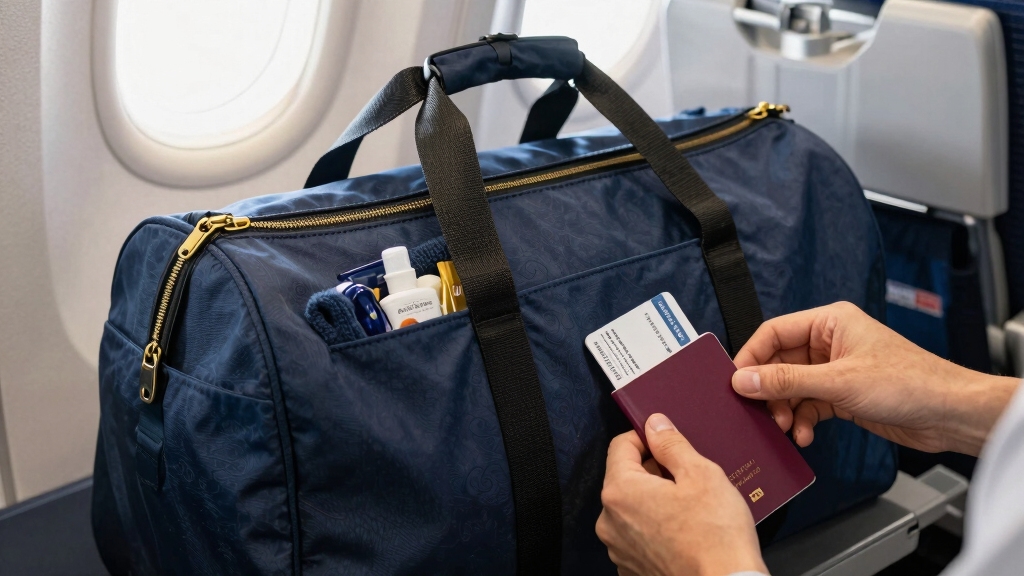
You’ll really appreciate how a duffel bag’s flexible design lets you maximize space. It can fit into tight spots and accommodate oddly shaped items, which is a huge plus when you’re packing. And let’s be honest, who doesn’t want that extra bit of room? Many duffel bags also feature multiple compartments that help keep belongings organized and easy to access.
Plus, its lightweight build makes carrying it through airports so much easier. You know how tiring it can get lugging around heavy bags, right? With a duffel, you can reduce fatigue and hassle. The soft-sided nature of duffel bags also allows them to be squeezed into overhead bins more easily than rigid suitcases, making them practical for air travel carry-on luggage.
And here’s another thing: with multiple compartments and wide openings, staying organized on the go becomes a breeze. You won’t have to dig around forever to find what you need. It’s all about making your travel experience smoother!
Space Efficiency
Duffel bags stand out for their space efficiency, letting you pack more smartly without sacrificing convenience. Their soft sides compress easily, so you can fit them into tight overhead bins even when full.
You’ll appreciate how their flexible shape molds around other items, avoiding constant reshuffling during storage. Regular maintenance and cleaning can also help maintain the bag’s durability and appearance over time, ensuring it remains a reliable travel companion.
Here’s why duffel bags excel in space efficiency:
1. Compression and Moldability: Squeeze your bag into crowded spaces and pack bulkier items without exceeding size limits.
2. Organization and Accessibility: Multiple compartments and wide openings help you pack efficiently and access essentials quickly. However, keep in mind that soft-sided bags tend to have less organised interiors, which might require additional packing aids like cubes to stay tidy.
3. Space Saving in Transit: Compact design fits under seats or in tight storage spots, reducing the chance of gate-checking. Proper cleaning methods can help preserve the material’s flexibility and appearance, which contributes to ease of use in tight spaces.
Lightweight and Flexible
One key advantage of carry-on bags is their lightweight and flexible design, which makes traveling less cumbersome and more efficient.
Duffel bags typically weigh less than hard-sided suitcases since they lack bulky frames and wheels, letting you pack more essentials without exceeding airline weight limits. Their volume capacity often aligns well with carry-on size restrictions, making them a practical choice for short trips.
Crafted from materials like canvas or ballistic nylon, they’re durable yet light. Their soft, pliable nature allows you to squeeze them into tight overhead compartments or irregular spaces, maximizing storage and minimizing reshuffling.
Many duffel bags also feature CX™ Technology, enabling expansion and increased packing capacity without compromising carry-on size limits.
You’ll also appreciate the ease of carrying; strong shoulder straps and handles make it simple to lift or sling your bag, even in crowded airports or on uneven surfaces. This combination of lightness and flexibility truly enhances your travel convenience.
Easy Organization
Although carry-on luggage comes in many shapes, duffel bags stand out for their smart organization features that keep your belongings orderly and accessible.
When you travel with a duffel, you benefit from:
- Multiple compartments that neatly separate shoes, toiletries, electronics, and documents, making it easy to find what you need without unpacking everything.
- Quick access pockets for essentials like passports and chargers, thanks to wide top zippers and soft, flexible construction that lets you reach items effortlessly. Many duffel bags also feature water-resistant materials to protect your belongings from unexpected weather.
- Efficient use of flexible space, allowing you to pack irregularly shaped items and slightly overpack without wasting any room. However, keep in mind that duffel bags generally have limited space compared with larger checked luggage, so overpacking may become an issue.
This thoughtful design streamlines your travel experience by reducing clutter and making packing and unpacking faster and less stressful.
Differentiating Personal Items From Carry-On Duffel Bags
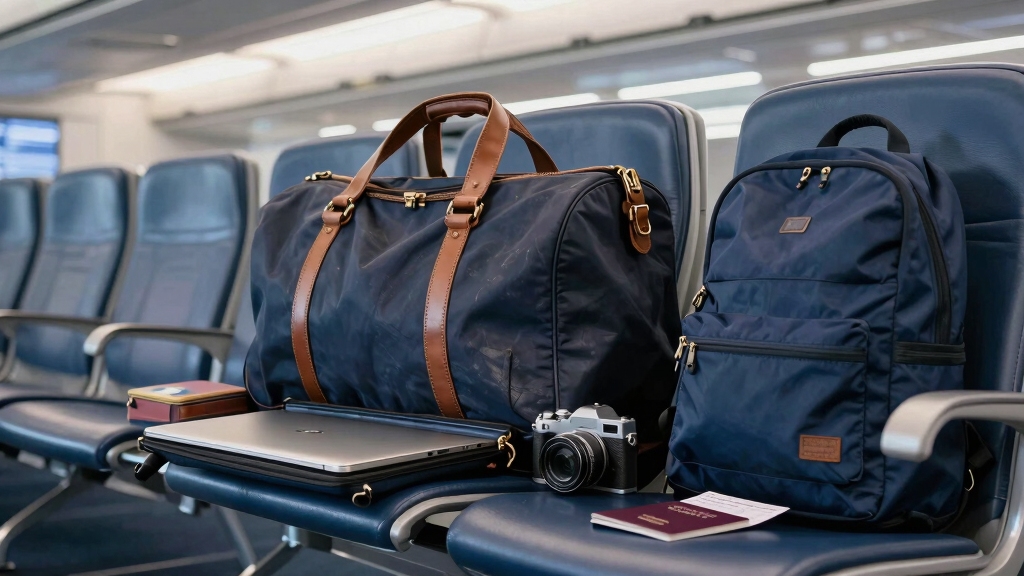
When you pack for a flight, it’s important to know the difference between your personal item and your carry-on duffel bag to avoid surprises at the gate.
Personal items like purses, laptop bags, or small backpacks must fit under the seat and typically measure no larger than 18 x 14 x 8 inches.
Carry-on duffel bags are larger, flexible, and designed to fit in overhead bins, usually around 22 x 14 x 9 inches. Remember, airlines treat these as separate items: you can bring one carry-on duffel plus one personal item.
Don’t try to pass a carry-on duffel off as a personal item unless it meets the smaller size limits. Otherwise, you risk paying extra fees or having to check your bag.
Tips for Traveling With a Duffel Bag as Carry-On
Packing a duffel bag as your carry-on can simplify your travel experience, but it’s essential to follow a few key tips to guarantee it meets airline requirements and stays manageable throughout your journey.
First, always check your airline’s size and weight restrictions to avoid surprises at the gate. Most airlines specify maximum dimensions around 22″x14″x9″ for carry-ons, so measuring your duffel bag beforehand is crucial to stay within the allowed size.
Second, pack smart by using compression bags or packing cubes to maximize space and keep your bag organized. Third, distribute heavier items at the bottom to maintain the bag’s shape and ease handling.
- Verify duffel dimensions including wheels and handles to comply with airline limits.
- Stick to essentials and TSA liquid rules to avoid delays.
- Choose lightweight, durable duffels with comfortable straps for easy transport.
Frequently Asked Questions
Are Duffel Bags Easier to Clean Than Traditional Suitcases?
Ever tried scrubbing a bulky suitcase in a cramped bathroom? Duffel bags are definitely easier to clean. You can wipe them down quickly, spot treat stains, or even toss some in the washing machine.
Their soft, flexible fabrics dry faster and resist dirt better, so you won’t stress about mold or odors. Plus, no wheels mean fewer nooks trapping grime.
Can Duffel Bags Be Used as Checked Luggage Instead?
Yes, you can definitely use a duffel bag as checked luggage, as long as it meets your airline’s size and weight limits. Duffel bags are flexible and often easier to compress, helping you avoid extra fees.
Just pack carefully to distribute weight evenly and protect fragile items since soft-sided bags offer less protection. Many travelers prefer duffels for their lightweight, versatile design, but always check your airline’s specific rules before you fly.
Do Duffel Bags Offer Better Protection for Fragile Items?
You know what they say: “Don’t judge a book by its cover.” Duffel bags don’t inherently offer better protection for fragile items since they lack rigid walls.
However, you can pack smartly—use clothing, bubble wrap, or padded inserts to cushion your valuables. While duffels absorb minor bumps well, they can’t handle heavy impacts like hard-shell cases.
Are There Eco-Friendly Materials Commonly Used for Duffel Bags?
Yes, you’ll find many eco-friendly materials used in duffel bags today. Recycled polyester and nylon, often bluesign® approved, reduce energy and water use while cutting pollution.
Natural fibers like recycled cotton or organic cotton blends offer biodegradable options.
Vegan leather made from recycled or bio-based polyurethane provides cruelty-free durability.
Plus, some brands follow zero-waste designs, using circular principles to minimize fabric waste and extend the bag’s lifespan, making your choice both stylish and sustainable.
How Do Duffel Bags Compare in Durability to Hard-Shell Carry-Ons?
You’d think soft duffel bags would crumble under pressure compared to hard-shell carry-ons, but they actually flex and absorb shocks better, avoiding dents and cracks.
However, they’re more prone to tears and stains, so you’ll want high-denier, coated fabrics for durability. Hard shells protect against impacts and water better but show scratches easily and can crack.
Choose a Duffel Bag to Make the Perfect Carry-On Companion
You might think a duffel bag as a carry-on is just a casual choice, but it can be your ultimate travel sidekick. Flexible, roomy, and surprisingly stylish, a duffel bag offers many advantages. Just remember to check airline size and weight limits because no one wants a showdown at the gate.
With a bit of planning, your duffel can breeze through security and save you from lugging heavy suitcases. So go ahead, pack smart, and let your duffel do the heavy lifting!