
How to Dry Wet Leather: Proper Natural Drying Methods

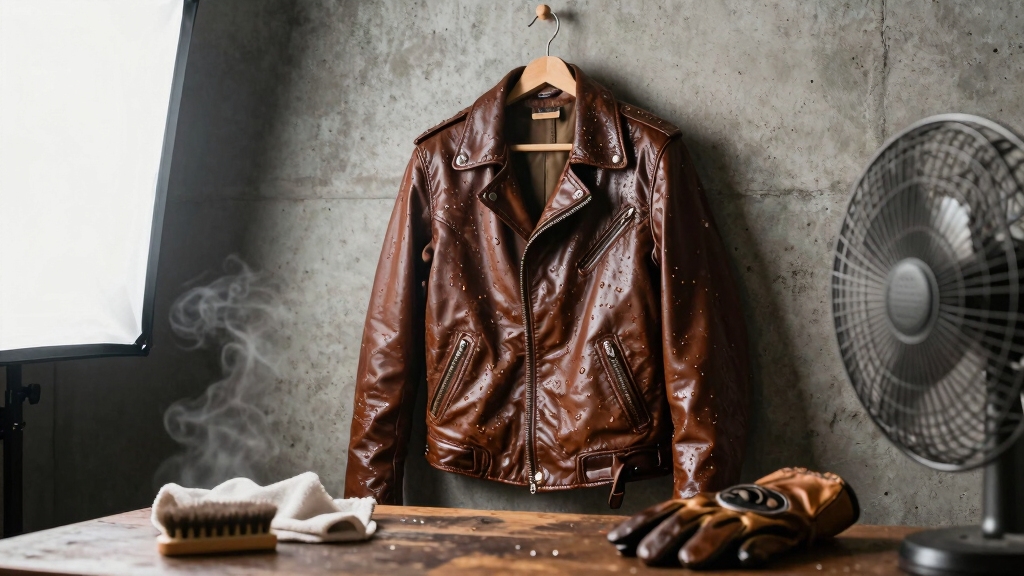
When drying wet leather, first gently dab off excess water with a soft cloth. Don’t rub or squeeze. Then, hang the item in a well-ventilated, shaded area at moderate temperature to air dry slowly. Maintain its shape by using padded hangers or stuffing insides with paper.
Avoid direct heat or sunlight to prevent cracking. Once dry, apply a suitable conditioner to restore suppleness. Follow these steps carefully, and you’ll make certain your leather dries safely and stays durable. There’s more to optimizing the process ahead.
Key Takeaways
- Dab excess water gently with a soft, dry cloth without rubbing to avoid pushing moisture deeper into leather.
- Hang leather items on padded hangers in a cool, shaded, well-ventilated area to air dry naturally.
- Avoid direct sunlight, radiators, or high heat sources to prevent stiffening, cracking, and molecular damage.
- Use a hairdryer on low heat from at least 12 inches away to speed drying without overheating leather.
- After drying, apply a suitable leather conditioner to restore moisture, flexibility, and prevent cracking.
Removing Excess Water From Leather Surfaces
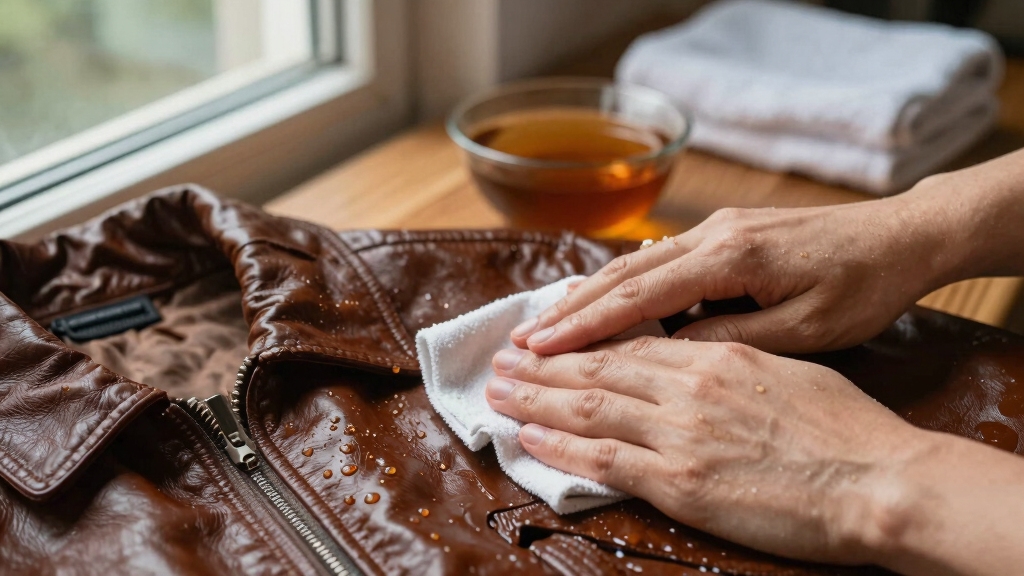
To start drying leather effectively, you’ll want to carefully dab off any excess water using a soft, dry cloth. Never rub, as that can push moisture deeper into the material and cause damage. Instead, gently press the cloth to absorb surface moisture.
Avoid exposing the leather directly to sunlight or high heat, which can stiffen or crack it. If you need to speed drying, use a hairdryer on a low heat setting, held at least 12 inches away, to gently dry the surface without overheating.
Maintaining proper temperature control during drying is essential to preserve the leather’s quality. After drying, applying a leather conditioner helps restore moisture and maintain leather suppleness. Improving ventilation with fans or natural airflow helps moisture evaporate faster without damaging the leather.
These careful steps protect the leather’s texture, preventing roughening or deep water absorption during the critical initial drying phase.
Natural Air Drying Methods for Leather
When you let leather dry naturally, hanging it properly guarantees even air circulation and helps maintain its shape without causing damage. Use padded hangers or hooks to support garments and avoid deformation.
This method is similar to the tannery’s air drying on hooks process, which allows fibers to relax for a consistent product. Applying a high-quality leather conditioner after drying can help replenish natural oils lost during the wetting process.
Steer clear of direct sunlight or heat sources that cause fading and cracking. Maintain a moderate temperature (60-75°F) in a well-ventilated, dust-free space with controlled humidity to prevent mildew or stiffening.
Consider these key points: hang jackets with shoulder padding to preserve contours and reduce creasing. Stuff shoes or bags with acid-free paper to maintain internal shape.
Avoid heat or artificial drying methods which shrink and damage leather fibers. Patience is essential; air drying can take 2 to 10 days depending on leather thickness and moisture.
Using Conditioning and Impregnation Agents
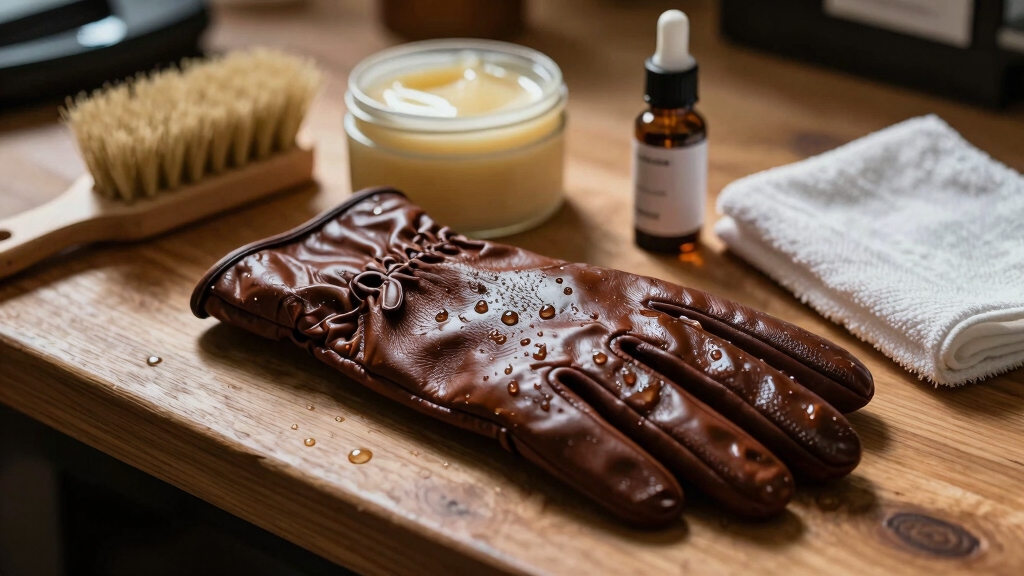
Once your leather is dry, it’s important to apply the right conditioner. This helps to restore moisture and flexibility, which is key to preventing stiffness. Conditioning every 3–6 months is recommended to maintain suppleness and prevent cracking.
If you’re dealing with waterlogged leather, you might want to consider using impregnation agents alongside your conditioners. These can really help waterproof the material and protect it from future damage.
When you’re ready to apply these products, make sure to use a soft cloth. Take your time to ensure even coverage, but be careful not to oversaturate the leather. It’s all about finding that balance to keep your leather looking its best!
Applying a thin layer and allowing it to absorb for about an hour before wiping off excess is recommended to optimize conditioner absorption. Proper maintenance is essential to preserve the leather’s durability and longevity.
Impregnation for Waterlogged Leather
In treating waterlogged leather, applying conditioning and impregnation agents plays a pivotal role in restoring both its appearance and structural integrity.
These agents form protective, breathable membranes that repel water while allowing vapor to escape, preventing moisture damage. They also nourish and soften the leather internally, preserving flexibility and longevity.
When selecting and applying impregnation products, consider these key points:
- Use specialized sprays for delicate leathers like suede or nubuck to protect without altering texture.
- Apply multiple light layers rather than one heavy coat, allowing drying time between applications to maintain breathability.
- Always test on a hidden area first to avoid discoloration or texture changes.
Proper impregnation not only safeguards the leather from future water damage but also inhibits microbial growth and resoiling, extending your leather’s life. Additionally, some products provide a long-lasting antistatic effect that helps prevent dust and dirt accumulation.
Applying Leather Conditioners
Start by gently removing excess moisture from your leather with a dry cloth, ensuring you don’t push water deeper into the fibers before applying any conditioner. It’s important to blot excess moisture rather than rubbing to prevent damage.
Apply conditioner while the leather is still damp to maximize absorption. Use a clean, soft cloth and spread creams, oils, waxes, or sprays evenly in circular motions.
Choose a conditioner suited to your leather type: creams for soft goods, waxes for sturdy items, or light sprays for delicate surfaces. Avoid saturating with oils to keep pores breathable. Leather fibers can swell and stretch when exposed to moisture, so proper conditioning helps maintain their flexibility and prevent damage caused by swelling and stretching.
Let the conditioner absorb for 10 to 30 minutes, following product instructions. Conditioning restores moisture lost to water, prevents stiffness and cracking, and adds a protective layer against future damage.
Always use natural ingredient-based products and avoid harmful softeners for long-lasting leather health. Regular maintenance, including gentle cleaning and conditioning, is key to preserving leather’s appearance and durability.
Enhancing Drying With Airflow and Absorbents
To speed up drying and protect your leather, focus on enhancing airflow and using absorbent materials effectively.
Good ventilation promotes even moisture evaporation, preventing warping and cracking, while absorbents help draw out internal moisture. Proper drying techniques also help maintain the leather’s material integrity.
Avoid direct heat; instead, place your leather in a well-ventilated area with moderate temperature and humidity.
Use fans on low settings for gentle air circulation, which accelerates drying without damaging the leather. Monitoring moisture content during drying helps ensure the leather maintains its desired properties moisture content monitoring.
Dab excess moisture with dry towels to avoid further absorption. Stuff boots or shoes with newspaper or grain to pull moisture from inside. Remove insoles and laces to improve internal airflow and drying efficiency.
Special Care Instructions for Suede and Nubuck
Although suede and nubuck offer a luxurious texture, their delicate nature demands special care to prevent water damage and maintain appearance. Both materials are highly sensitive to moisture, so avoid wet conditions and treat them with a water and stain repellent spray annually.
Suede is more delicate and porous than traditional leather due to sanding of the underside, which increases susceptibility to water damage.
If they get wet, let them dry naturally in a cool, shaded area without applying heat. Once dry, gently brush with a suede brush or eraser to restore the nap and texture. For stains, use cornstarch for grease or a suede-specific cleaner sparingly. It is important to avoid soaking these materials to preserve their integrity.
Avoid harsh scrubbing or machine washing. For deep cleaning, rely on professional dry cleaning to preserve softness and structure. Store items properly on broad hangers in breathable covers away from sunlight and heat to maintain shape and quality.
Avoiding Heat Sources During the Drying Process
When it comes to drying leather, it’s best to steer clear of artificial heat sources like hair dryers or heaters. Why? Because they can lead to uneven drying and really mess with the leather’s natural oils.
Instead, try to find a cool, well-ventilated space where you can let natural airflow do its thing. This way, moisture can evaporate gently without risking shrinkage or brittleness. Proper drying also helps prevent mold and mildew prevention, which is crucial for maintaining leather quality.
Plus, using this method helps keep the leather nice and flexible, which is key for extending its lifespan. So, take your time and let nature take care of the drying process! Remember, hides dried a maximum of two times in the tannery to avoid damage or quality loss.
Risks of Artificial Heat
Frequently, people underestimate the damage artificial heat sources can cause when drying leather. Using hair dryers, radiators, or other direct heat can dry leather too quickly, leading to cracking, stiffening, and irreversible shrinkage.
This not only ruins the leather’s flexibility and appearance but also weakens adhesives, risking structural failures like sole separation. Artificial heat also promotes uneven drying, which stresses fibers and shortens your leather’s lifespan.
Understanding preventive measures can help avoid these issues. Consider these risks when drying your leather:
- Cracks and brittleness from loss of natural oils and moisture
- Warping and distortion that permanently alter shape and fit
- Mold and odors caused by trapped moisture due to uneven heat
Additionally, placing leather shoes on or near radiators can create a fire hazard, especially with synthetic components. Avoid artificial heat to maintain your leather’s durability, comfort, and overall quality.
Natural Airflow Benefits
Natural airflow supports leather’s breathability by allowing moisture to evaporate gradually. This preserves essential oils that keep fibers supple and flexible. The microscopic passages in leather’s fiber network enable this slow vapor exchange, crucial for maintaining its breathability and vitality.
It replicates leather’s natural environment, preventing rapid drying that leads to brittleness, shrinkage, and cracking.
By drying leather in well-ventilated, shaded areas away from direct heat sources, you avoid damaging its molecular structure and fading its color. This method aligns with recommended drying procedures for delicate materials to preserve quality.
Continuous air circulation also prevents damp spots, reducing mold and bacterial growth that cause odors and material degradation. To optimize drying, remove internal components like insoles to enhance airflow inside the leather item.
This slow, balanced drying method maintains leather’s texture, longevity, and aesthetic qualities, ensuring your leather stays healthy and durable over time.
Maintaining Leather Shape While Drying
Maintaining leather shape while drying requires careful preparation and controlled techniques to guarantee the material retains its desired form.
Start by evenly dampening the leather without oversaturating it. Then gently press it onto a mold or form designed to match your project’s final shape. Using vegetable-tanned leather is recommended for best results in wet forming.
Regular maintenance and cautious handling prevent premature material deformation. Secure the leather with clamps or clips to hold the form during drying. Avoid direct heat or sunlight to prevent warping.
To make sure your leather dries perfectly shaped, focus on these key steps:
- Use molds that fit closely with a slight margin and smooth surfaces to avoid marks.
- Dry in cool, well-ventilated areas with low humidity to prevent deformation.
- Allow the leather to dry fully on the mold before removal to lock in the shape firmly.
Post-Drying Conditioning and Restoration Techniques
Once your leather has fully dried, follow up with proper conditioning to restore its natural oils and flexibility.
Start by cleaning the surface gently to remove dirt that can block absorption. Leather conditioner is a specially formulated product designed to moisturize, protect, and preserve leather surfaces. Then, apply a small amount of conditioner with a soft cloth in circular motions, ensuring even coverage.
Let it absorb for 10-15 minutes before buffing with a clean, dry cloth to remove excess and enhance shine. Choose a conditioner suited to your leather type: creams for moisture, oils for softness, or waxes for waterproofing.
Always test on a hidden spot first. After conditioning, air dry the leather away from heat. Regularly repeat this process every 3-6 months to maintain suppleness, prevent cracks, and prolong your leather’s lifespan.
Frequently Asked Questions
Can Wet Leather Be Machine Washed or Is Hand Cleaning Required?
You generally shouldn’t machine wash wet leather because it risks shrinking, cracking, or losing shape. Hand cleaning is safer, letting you control moisture and protect the leather’s natural oils.
Use mild leather-specific cleaners and a soft cloth to gently wipe dirt without saturating. If you must machine wash, only do it with cold water, gentle cycles, and manufacturer approval.
Always air dry and condition leather afterward to keep it supple and in good shape.
How Long Does Leather Typically Take to Dry Completely Indoors?
Just like how a parchment scroll from medieval times needs patience to dry, leather typically takes 24 to 48 hours indoors to dry completely. You’ll want to keep it in a well-ventilated, room-temperature space away from direct sunlight or heat sources.
Thicker leather or higher humidity can extend drying time. Use gentle blotting and avoid direct heat, then condition it afterward to maintain suppleness and prevent cracking.
Are There Specific Leather Types That Should Not Be Conditioned When Damp?
Yes, you shouldn’t condition certain leather types when they’re damp. Unfinished, vegetable-tanned, suede, nubuck, and bonded leather absorb moisture easily, risking damage if conditioned wet.
Heavy surface-finished leather also resists conditioners, making treatment ineffective on damp surfaces. Always wait until these leathers are completely dry before conditioning to avoid trapping moisture.
Trapped moisture can cause brittleness, staining, and structural damage. Conditioning damp leather leads to uneven absorption and long-term degradation.
Can Waterproof Sprays Be Applied to Leather Before It Dries?
No, you shouldn’t apply waterproof sprays to leather before it dries. Moisture prevents the spray from properly penetrating and bonding with the leather, reducing its effectiveness.
Spraying wet leather can trap moisture inside, leading to mold, odors, and fiber damage. Always let your leather dry naturally at room temperature first.
Once dry, you can apply the spray evenly for the best waterproof protection and durability.
Is It Safe to Wear Leather Items While They Are Still Drying?
Don’t even think about wearing wet leather; it’s like inviting disaster! Wearing leather while it’s still drying can warp its shape, cause stiffness, and accelerate cracking.
You’ll feel uncomfortable as it swells and loses support, and mold might start growing, creating nasty odors and health risks. To protect your leather’s look and lifespan, always let it dry completely at room temperature before putting it on or applying any treatments.
From Damp to Dazzling: Dry Leather Without Losing Its Charm
Drying wet leather isn’t just a task; it’s an art that, if done right, can bring your leather back to life like a phoenix rising from the ashes. You’ll want to avoid heat, use natural air drying, and keep its shape intact while applying conditioners to restore suppleness.
With careful airflow and absorbents, plus special care for suede or nubuck, your leather will be ready to impress without losing its charm or durability.