
Montana Packing List: Proof Your Trip to Big Sky Country

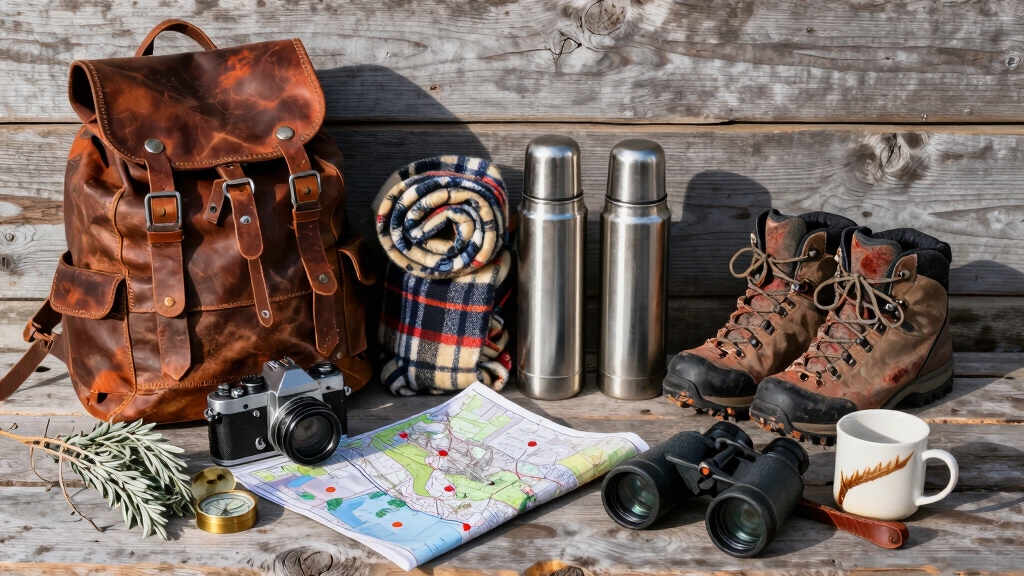
When packing for Montana, choose a 70–80 liter backpack for multi-day trips and include a waterproof compression sack to keep your sleeping bag dry.
Layer moisture-wicking base layers with fleece or down for warming or cooling. Bring sturdy, waterproof hiking boots with strong ankle support for rugged trails.
Don’t forget versatile headwear, sunscreen, tick repellent, and a compact first aid kit. With smart packing and gear choices, you’re set for comfort and safety in Montana’s wild backcountry.
Discover essential tips to prepare fully.
Key Takeaways
- Pack a 70–80 liter backpack with waterproof compression sacks for organized, weather-resistant gear storage on multi-day Montana treks.
- Include a sturdy, lightweight tent and a sleeping bag rated to 20°F or lower for Montana’s variable overnight conditions.
- Use moisture-wicking base layers, insulating mid-layers, and a waterproof breathable rain jacket to adapt to Montana’s changing weather.
- Bring sturdy, waterproof hiking boots with ankle support and camp footwear for comfort during rest periods.
- Carry sun protection like a baseball cap, sunglasses, travel-size sunscreen, and insect repellant to guard against Montana’s strong UV and bugs.
Must-Have Backpacking Gear for Montana Trips
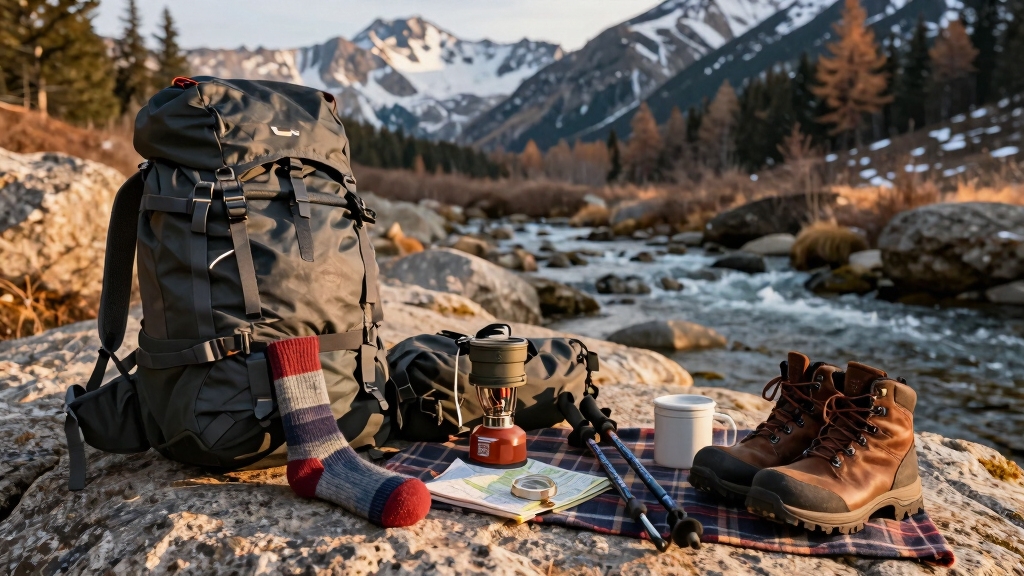
When you’re gearing up for a Montana backpacking trip, choosing the right equipment can make all the difference between an unforgettable adventure and a frustrating experience.
Start with a backpack sized 60-80 liters. If you’re planning a multi-day trek, lean toward 70-80 liters to comfortably carry all essentials.
Pick a sleeping bag rated to 20°F or lower that weighs under 3 pounds, ensuring warmth without bulk. Don’t forget an insulated sleeping pad like a Thermarest for comfort and added insulation from the cold ground.
A sturdy, weather-resistant tent is a must for backcountry overnight stays. Use a waterproof compression sack to keep your sleeping bag dry and compact.
Choosing a backpack with the proper volume in liters ensures you can carry your gear efficiently without excess bulk. With these essentials, you’ll be well-prepared to enjoy Montana’s rugged wilderness safely and comfortably.
Clothing Layers for Montana’s Variable Weather
Packing the right gear sets the foundation, but your clothing choices ultimately determine how comfortable you’ll feel facing Montana’s shifting weather. Start with moisture-wicking base layers to keep sweat off your skin during hikes.
Begin with moisture-wicking base layers to stay dry and comfortable on every hike.
Add an insulating mid-layer like a fleece or lightweight down jacket for warmth when temperatures drop.
Top it off with a waterproof, breathable rain jacket to shield you from sudden mountain showers or wind.
Don’t forget versatile pants that handle both rugged trails and mild weather.
Layering lets you adjust quickly, staying dry and comfortable from sunny mornings to chilly evenings.
By mixing these layers, you’ll be ready for Montana’s unpredictable climate without carrying unnecessary bulk or weight.
Keep flexibility and protection in mind, and you’ll enjoy every outdoor moment.
For added comfort, consider merino wool base layers that regulate temperature and manage moisture efficiently.
Footwear Options for Montana Trails and Terrain
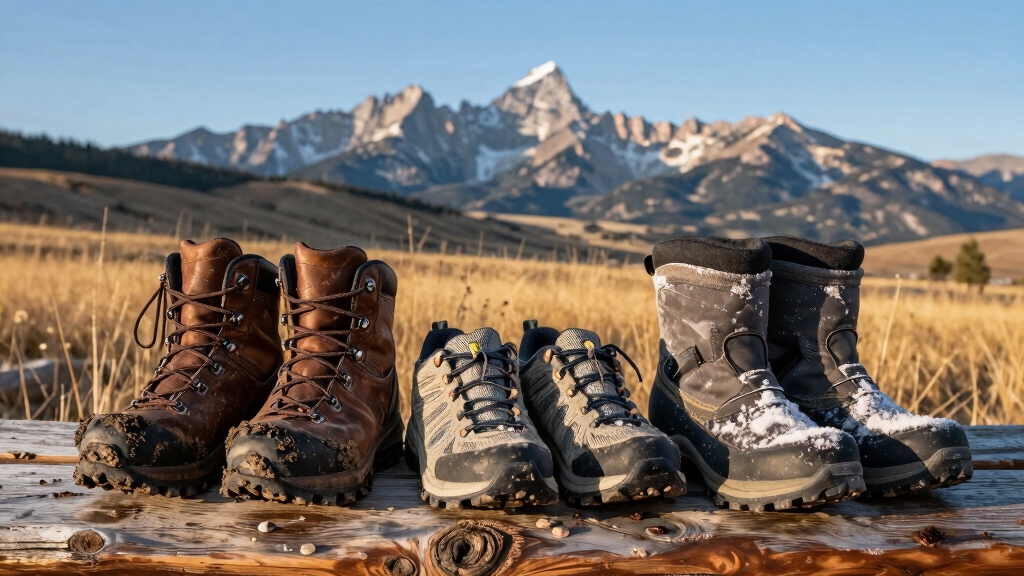
When you’re picking out footwear for your adventures in Montana, sturdy hiking boots are a must. You really want something with solid tread to tackle those rugged trails. Trust me, you’ll appreciate that grip when you’re navigating rocky paths or uneven terrain.
And hey, don’t overlook the importance of waterproof options! Whether you’re caught in a rainstorm or trekking through snow, keeping your feet dry and comfortable can make all the difference. It’s nice to know you won’t be squishing around in wet socks.
Oh, and while you’re at it, make sure to pack some camp shoes or sandals too. After a long day spent exploring the great outdoors, it’s such a relief to kick off those hiking boots and relax around your lodging. Your feet will thank you!
For added convenience when traveling to Montana, consider luggage with spinner wheels for easier maneuverability through airports and crowded spaces.
Hiking Boots Selection
Choose hiking boots that offer solid traction and reliable support to handle Montana’s diverse trails and rugged terrain. You’ll want boots that stabilize your ankles on rocky paths and grip wet surfaces firmly.
When picking your boots, consider these essentials:
- Sturdy soles with deep lugs for excellent grip on slippery rocks and loose dirt.
- Durable leather or synthetic uppers that resist abrasion from branches and rough ground.
- Comfortable padding around the collar and tongue to prevent blisters during long hikes.
- Adequate arch and heel support to reduce fatigue over uneven mountain terrain.
Additionally, selecting boots with abrasion-resistant materials like full-grain leather or Cordura fabric can enhance durability and longevity in harsh outdoor conditions.
Waterproof Footwear Benefits
Although Montana’s trails often invite exploration through streams and muddy patches, waterproof footwear keeps your feet dry and comfortable throughout the day.
You’ll avoid blisters and cold feet, which means you can focus on the stunning scenery instead of discomfort. Waterproof boots also provide better grip on slippery surfaces, enhancing your safety on wet rocks or slick mud.
| Benefit | Why It Matters | Ideal Use |
|---|---|---|
| Dry Feet | Prevents blisters & cold feet | Stream crossings, rain |
| Comfort | Keeps feet cozy all day | Long hikes |
| Traction | Reduces slips & falls | Wet, rocky terrain |
| Durability | Resists water damage | Extended outdoor use |
| Versatility | Suitable for varied conditions | Changing weather & terrain |
Choosing waterproof footwear guarantees your Montana adventure stays comfortable and safe. Regular maintenance, such as cleaning and lubricating the wheels on your luggage with WD-40 lubrication, can also ensure your gear moves smoothly no matter the terrain.
Camp and Casual Shoes
Slip into the right camp and casual shoes to keep your feet happy after a long day on Montana’s rugged trails. After hiking in sturdy boots, you’ll want comfortable footwear that lets your feet breathe and recover.
Here are four great options to ponder:
- Cozy slippers for camp, offering warmth and ease without sacrificing comfort.
- Lightweight sandals, perfect for relaxing around lodges or by the river.
- Durable trail shoes that double as casual wear, blending support with style.
- Classic cowboy boots, if you want a true Montana vibe when off the trail.
Choosing the right camp shoes means less foot fatigue and more enjoyable downtime. Pack smart to shift smoothly from trail into tent.
Consider also the size and weight of your daypack capacity when selecting shoes to ensure overall comfort during your outdoor adventures.
Headwear and Accessories to Protect You Outdoors
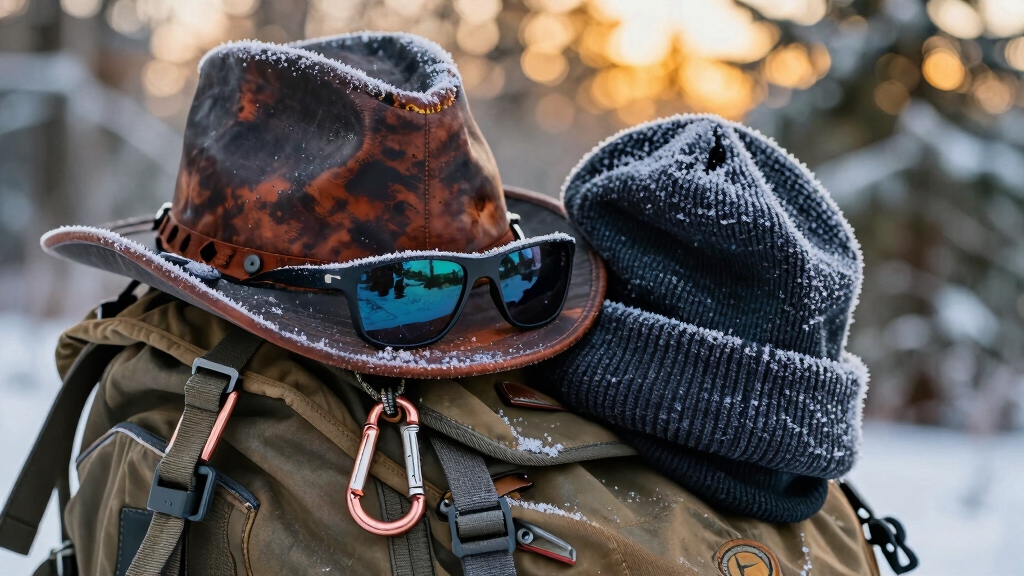
When you’re spending time outdoors in Montana, protecting your head and face from the elements is essential for comfort and safety.
Whether it’s sunny, windy, or chilly, the right headwear keeps you shielded and ready for adventure. Don’t forget sunglasses to reduce glare, and a neck buff or balaclava for versatile coverage.
Here’s a quick guide to essential headwear and accessories:
| Item | Purpose | Best Use |
|---|---|---|
| Winter Beanie | Warmth in cold, high altitudes | Early mornings, evenings |
| Baseball Cap | Sun protection | Day hikes, sunny days |
| Sunglasses | UV and glare protection | Snowfields, bright sunlight |
| Neck Buff | Wind and dust protection | Windy trails, face covering |
| Balaclava | Full face warmth and coverage | Cold, windy weather |
Camping Gear to Keep You Comfortable in the Backcountry
Gear up properly to guarantee your backcountry camping experience in Montana stays comfortable and hassle-free. The right gear not only keeps you cozy but also assures you can fully enjoy the rugged outdoors.
Start by choosing a tent designed for backcountry use. It should be lightweight yet durable to withstand Montana’s variable weather.
Next, pick a sleeping bag rated to at least 20 degrees Fahrenheit to keep you warm on chilly nights.
A high-quality sleeping pad is essential too, providing insulation and cushioning from the rough ground.
Finally, pack a compression sack with a waterproof rating to keep your sleeping bag dry.
Proper maintenance and conditioning of your gear ensures longevity and performance throughout your trip, highlighting the importance of regular conditioning for outdoor equipment.
- Lightweight, durable backcountry tent
- 20°F-rated sleeping bag
- Insulating sleeping pad
- Waterproof compression sack
This setup guarantees restful nights and a hassle-free trip.
Health and Personal Care Essentials for Montana Adventures
Because Montana’s climate can be both dry and unpredictable, you’ll want to prepare a compact kit of health and personal care essentials that keep you comfortable and protected throughout your adventures.
Prepare a compact health and personal care kit to stay comfortable and protected in Montana’s dry, unpredictable climate.
Pack travel-size sunscreen to shield your skin from strong UV rays, plus reliable tick and bug repellant to ward off insects. Don’t forget chapstick; Montana’s dry air can quickly chap your lips.
Bring a toothbrush and toothpaste in small sizes, along with deodorant, preferably natural and unscented, to stay fresh on the trail.
If you need feminine hygiene products, pack enough for your trip. A comb helps keep your hair tidy after long days outdoors. Consider including a first aid kit with antiseptics and pain relievers to handle minor injuries and discomforts.
Packing Tips for Montana Trips: Stay Organized and Prepared
Taking care of your health and personal needs sets a strong foundation for your Montana adventure, but staying organized is what keeps everything running smoothly.
To make packing easier and your trip more enjoyable, focus on these key tips:
- Use packing cubes or compression sacks to separate clothing, gear, and toiletries, saving space and keeping items accessible.
- Create a checklist based on your itinerary; it helps make certain you don’t forget essentials like your rain jacket or sunscreen.
- Pack versatile layers and footwear that can handle Montana’s changing weather and terrain without overloading your bag.
- Keep electronics and important documents in a dedicated, waterproof pouch for quick access and protection.
- Plan your outfits with layered clothing to adapt comfortably to Montana’s climate throughout the day.
Frequently Asked Questions
Can I Bring Pets on Montana Hiking Trails?
Yes, you can bring pets on many Montana hiking trails, but you’ll want to check specific trail regulations first.
Most trails allow dogs if they’re leashed and under control.
Remember to pack essentials for your pet, like water, waste bags, and maybe a portable bowl.
Being responsible helps protect wildlife and keeps everyone safe.
Always respect local rules to guarantee a great experience for you and your furry friend.
Are Campfires Allowed Year-Round in Montana Backcountry?
Campfires dance like fleeting whispers in Montana’s backcountry—they’re not allowed year-round.
You’ll find restrictions especially during dry seasons when nature’s breath turns to tinder.
Authorities often impose bans to protect the land, so you need to check current fire regulations before lighting up.
When campfires are permitted, keep them small, controlled, and always fully extinguished.
Respecting these rules keeps the wilderness safe and guarantees your adventure can continue unharmed.
What Wildlife Precautions Should I Take in Montana?
You should always store your food securely to avoid attracting bears and other wildlife.
Use bear-proof containers or hang your food at least 10 feet off the ground.
Keep a safe distance from animals and never feed them.
Carry bear spray and know how to use it; it’s your best defense.
Make noise while hiking to avoid surprising animals.
Finally, stay alert and respect wildlife habitats to keep yourself and animals safe.
Is Cell Phone Signal Reliable in Remote Montana Areas?
You can’t count on cell phone signal being reliable in remote Montana areas. Coverage is often spotty or nonexistent, especially deep in the backcountry or mountainous regions.
It’s smart to prepare for limited connectivity by informing someone of your plans beforehand and carrying a satellite communicator or GPS device for emergencies.
Don’t rely solely on your phone. It’s better to have backup options to stay safe out there.
Where Can I Refill Water Safely While Backpacking in Montana?
You can safely refill water at designated trailhead faucets, campground spigots, and natural springs tested for safety.
Did you know Montana has over 12,000 miles of rivers and streams?
Always treat natural water by boiling, filtering, or using purification tablets before drinking.
Carry a reliable filter like a Sawyer Mini or LifeStraw to avoid waterborne illnesses.
Staying hydrated with safe water sources keeps your adventure enjoyable and healthy.
Built for the Unexpected: Your Montana Adventure Starts Ready
No matter how wild or tame your Montana adventure gets, packing right isn’t just smart—it’s survival. You’ll want every layer, gadget, and trail-ready shoe at your fingertips because Montana’s weather and terrain can flip faster than you can say “grizzly.”
Don’t just hope for the best; prepare like you’re heading into the wilderness of a lifetime. With this list, you’ll conquer mountains, streams, and endless skies feeling unstoppable and ready for anything.