
What to Pack Yellowstone: Stress-Free Adventure

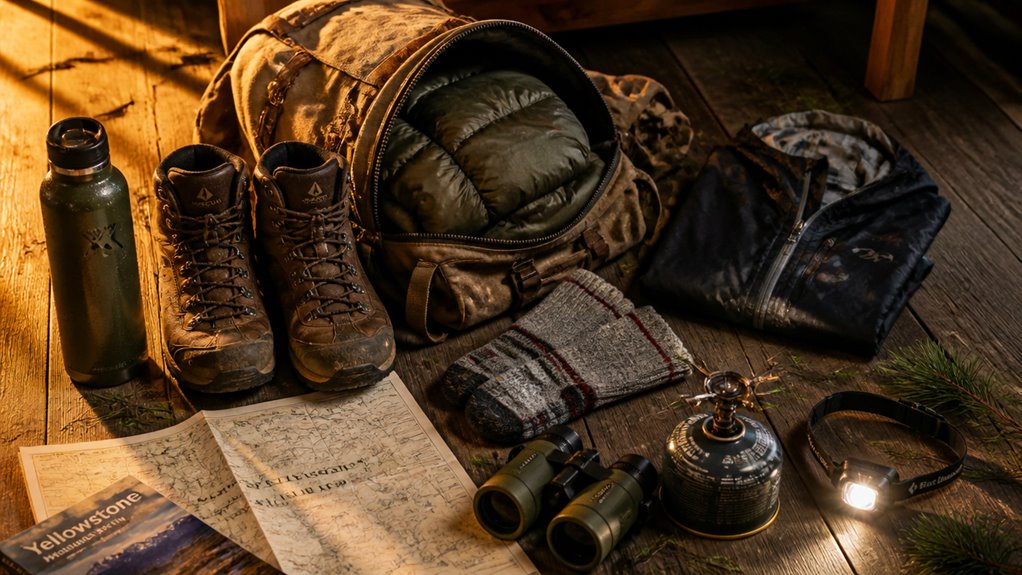
You’ll want moisture-wicking base layers and insulating fleece to handle Yellowstone’s changing temps, plus waterproof jackets and pants for sudden storms.
Don’t forget a wide-brimmed hat, high-SPF sunscreen, and UV-blocking sunglasses to protect against the intense mountain sun.
Sturdy, broken-in waterproof hiking boots with wool socks are essential for rough trails. Pack a comfortable daypack with hydration gear and bring wildlife safety tools like bear spray.
Ready for more tips on thriving in Yellowstone’s wild beauty?
Key Takeaways
- Pack moisture-wicking base layers, insulating mid-layers, and waterproof outerwear for variable Yellowstone weather.
- Bring wide-brimmed hats, high SPF sunscreen, UV-blocking sunglasses, and bright clothing for sun and visibility protection.
- Wear waterproof hiking boots with wool socks and carry comfortable camp shoes for versatile terrain and comfort.
- Include a 20-liter hiking backpack with hydration options, extra layers, and space for essentials like maps and snacks.
- Carry bear spray, a sturdy whistle, and reliable navigation tools for wildlife safety and secure hiking.
Layering Clothing for Yellowstone’s Variable Weather
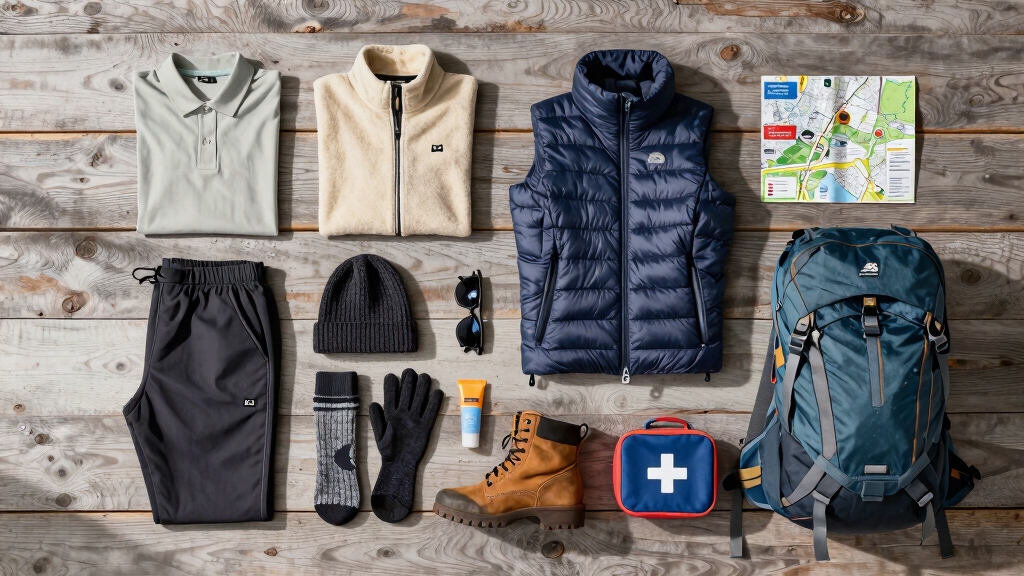
Because Yellowstone’s weather can shift dramatically throughout the day, layering your clothing is essential to stay comfortable and protected.
Start with lightweight, moisture-wicking short-sleeve t-shirts paired with long-sleeve roll-up shirts for versatility.
Begin with breathable, moisture-wicking short-sleeves layered under roll-up long sleeves for flexible comfort.
Add a mid-weight insulating layer like synthetic fleece or wool to handle cool mornings and evenings.
Don’t forget a fleece or puffy jacket, especially for chilly nights, even in summer.
For early spring or late fall trips, thermal underwear made from silk, polypropylene, or wool can provide vital warmth.
Always carry a waterproof and windproof outer layer jacket and pants; sudden mountain storms hit fast, and staying dry is key.
This thoughtful layering system lets you adapt easily, keeping you cozy through Yellowstone’s unpredictable temperature swings.
Be sure to pack moisture-wicking base layers to effectively manage sweat and maintain comfort on the trails.
Sun and UV Protection at Yellowstone’s High Altitude
When you’re out exploring the stunning high elevations of Yellowstone, you might be surprised at how strong the sun’s rays can be. Seriously, they hit harder than you expect!
So, it’s a good idea to pack a wide-brimmed hat, high SPF sunscreen, and some UV-blocking sunglasses. These will really help protect your skin and eyes from that intense exposure.
Oh, and don’t forget about your clothing! Light-colored, long-sleeve shirts are perfect for keeping you shielded during those bright daylight hours. Trust me, you’ll thank yourself later!
Also, consider wearing UPF-rated clothing for consistent and reliable sun protection during your outdoor adventures.
Essential Sun Protection Gear
You’ll quickly notice that sun protection becomes a top priority at Yellowstone’s high altitude, where UV rays hit harder than you might expect.
To shield yourself, pack a wide-brimmed hat or a sturdy baseball cap; both offer essential coverage for your face and neck.
Don’t forget high SPF sunscreen and lip balm to fend off sunburn, especially during long hikes.
Lightweight, long-sleeve shirts in light colors provide added defense without overheating you.
Sunglasses are a must. The intense mountain sun can strain your eyes and cause discomfort.
A hat with a brim also doubles as rain protection, making it a smart, versatile choice.
Bringing these items guarantees you stay comfortable, safe, and ready to explore Yellowstone’s breathtaking landscapes under its powerful sun.
For the best protection and comfort, consider hats with UPF 50+ ratings and water-resistant features to handle sudden weather changes.
High-Altitude UV Risks
Though the stunning vistas at Yellowstone captivate visitors, the park’s high altitude markedly intensifies UV exposure. This makes sun protection more essential than you might expect.
At 6,000 feet and above, UV rays are stronger, increasing your risk of sunburn and skin damage even on cloudy days. You’ll want a wide-brimmed hat or baseball cap to shield your face and neck effectively.
Applying high SPF sunscreen and SPF lip balm frequently is vital since the thinner atmosphere offers less natural filtering. Long-sleeve shirts in light colors provide extra defense while keeping you cool.
Don’t forget sunglasses to protect your eyes from glare and UV harm. By prioritizing these precautions, you’ll enjoy Yellowstone’s breathtaking landscapes safely, minimizing UV risks throughout your adventures.
Wearing merino wool base layers can also help, as their natural UV resistance provides additional protection while regulating temperature and moisture.
Footwear and Hiking Essentials for Yellowstone
When you’re heading to Yellowstone, make sure to grab a pair of waterproof hiking boots that are already broken in. Trust me, you want to keep your feet dry and blister-free while tackling those rugged trails.
After a long day of exploring, it’s also a good idea to bring a comfy pair of shoes to kick back in at camp.
Oh, and don’t overlook those versatile convertible pants! They’re super handy with their deep pockets.
Perfect for fluctuating temperatures and for stashing your essentials while you’re on the move.
For the best experience, prioritize boots with a fully sealed waterproof membrane to handle Yellowstone’s wet and variable trail conditions.
Waterproof Hiking Boots
Tackle Yellowstone’s rugged trails confidently by choosing waterproof hiking boots that keep your feet dry and comfortable throughout your adventure.
These boots shield you from sudden stream crossings, damp grass, and unexpected rain showers common in the park’s mountain environment.
Look for boots with sturdy soles that offer excellent traction on rocky, uneven terrain to prevent slips.
Make sure they’re well broken-in before your trip to avoid blisters that can cut your hike short.
Waterproof materials like Gore-Tex or similar membranes combine breathability with protection, so your feet won’t feel clammy or overheated.
Pair your boots with wool-blend socks to wick moisture away, ensuring dry warmth for long days on the trail.
Proper footwear is essential for fully enjoying Yellowstone’s natural beauty without foot fatigue or discomfort.
For added convenience and durability on your travels, consider backpacks with water-resistant materials to protect your gear from the elements.
Comfortable Camp Shoes
Comfortable camp shoes often make all the difference after a long day on Yellowstone’s rugged trails. Once you kick off your heavy hiking boots, slipping into cozy footwear helps your feet recover and keeps you comfortable around camp.
Choose shoes that are lightweight, breathable, and quick-drying to handle damp mornings or river crossings. Here’s what to ponder:
- Slip-on sandals or clogs for easy wear and ventilation
- Lightweight trail runners for extra support if you plan short walks
- Water shoes for stream crossings and wet conditions
- Cushioned insoles to relieve foot fatigue
- Durable soles with good grip for uneven camp terrain
Packing the right camp shoes lets you relax fully, ready for tomorrow’s adventure. Additionally, selecting gear with ergonomic padding can enhance overall comfort during extended wear.
Versatile Convertible Pants
Opt for versatile convertible pants to handle Yellowstone’s fluctuating temperatures and diverse terrain with ease.
These pants zip off into shorts, letting you adapt quickly from cool mornings to warm afternoons. Made from lightweight, quick-drying fabrics, they keep you comfortable whether you’re hiking through dense forests or crossing streams.
Deep side pockets offer convenient storage for maps, snacks, or your phone, so essentials stay close at hand. Their durable construction resists scrapes from rocks and brush, while breathable materials prevent overheating during strenuous climbs.
Convertible pants also cut down on packing space, giving you flexibility without extra bulk. When unpredictable weather hits, you’ll appreciate the ease of switching between pants and shorts, making your Yellowstone adventure both comfortable and practical.
For added comfort and protection, consider pairing your pants with waterproof hiking boots and wool socks for outdoor activities.
Day Pack and Hydration Essentials for Yellowstone Trails
When you hit Yellowstone’s trails, packing a well-organized day pack becomes essential for both convenience and safety. Your pack should comfortably hold all your essentials without weighing you down, so you can focus on the stunning surroundings.
Hydration is key, especially at high altitudes, so plan accordingly. Make sure your day pack includes:
- A 20-liter hiking backpack with a comfortable hip belt and multiple pockets.
- At least a one-quart water bottle or a hydration reservoir system for easy sipping.
- A thermos for hot drinks during chilly mornings or evenings.
- Extra clothing layers to adjust to Yellowstone’s unpredictable weather.
- Space for lunch, camera, and binoculars to capture and enjoy wildlife and landscapes.
Choosing a pack with hydration-compatible design can greatly enhance your ability to stay hydrated hands-free.
This setup keeps you prepared, hydrated, and ready for adventure.
Camping and Sleep Gear for High-Altitude Comfort
Since Yellowstone’s elevation ranges from 6,000 to over 7,000 feet, you’ll need camping and sleep gear designed to handle chilly mountain nights. A sleeping bag rated for at least 32°F with a hood keeps you warm. An insulated sleeping pad protects you from the cold ground.
Don’t forget a warm beanie and lightweight gloves for extra comfort during crisp evenings. For added convenience and protection, consider using gear with water-resistant materials to keep your equipment dry in unpredictable weather. Here’s a quick packing guide:
| Gear Item | Purpose | Tip |
|---|---|---|
| Sleeping bag | Warmth at night | Choose 32°F rating or lower |
| Insulated pad | Ground insulation | Lightweight, compact |
| Beanie & gloves | Retain body heat | Wool or fleece materials |
| Neck gaiter | Protect from cold winds | Also shields from sun exposure |
| Sleeping bag hood | Extra head warmth | Prevents heat loss |
Rain Jackets and Weatherproof Gear for Mountain Storms
Prepare for Yellowstone’s sudden mountain storms by packing reliable rain jackets and weatherproof gear that keep you dry and comfortable. Mountain weather changes rapidly, so your outer layer must be waterproof and breathable to block rain and wind without trapping sweat.
Choose gear with adjustable hoods and sealed seams for maximum protection. Lightweight options won’t weigh you down during hikes, yet offer durable defense against harsh elements.
Make certain to bring:
- A waterproof rain jacket with a hood for instant shelter
- Breathable rain pants to stay dry from head to toe
- A wind-resistant fleece jacket for chilly gusts
- A compact disposable poncho for emergencies
- Quick-drying base layers that wick moisture beneath your outerwear
This gear guarantees you stay warm and dry, letting you focus on Yellowstone’s stunning landscapes despite unpredictable storms.
Wildlife Safety Gear for Yellowstone Visitors
Although Yellowstone’s wildlife offers breathtaking encounters, you’ll need proper safety gear to protect yourself and the animals.
Bear spray is essential; carry it within easy reach and know how to use it to deter aggressive wildlife. Keep a sturdy whistle or air horn handy to alert animals of your presence without startling them.
Wear bright clothing to increase visibility, helping animals spot you from a distance. Always bring a reliable map and a GPS device to avoid unexpected wildlife areas.
Frequently Asked Questions
Can I Bring Drones for Aerial Photography in Yellowstone?
You can’t bring drones for aerial photography in Yellowstone National Park. The park strictly prohibits drone use to protect wildlife, preserve natural soundscapes, and guarantee visitor safety.
If you’re hoping to capture stunning aerial views, you’ll need to explore alternative ways, like scenic flights outside the park or ground-based photography. Always check the latest park regulations before your trip to avoid fines or confiscation of your drone equipment.
Are Campfire Grills or Stoves Allowed at Yellowstone Campsites?
You won’t find campfire grills allowed at Yellowstone campsites, as open fires pose a wildfire risk in this delicate wilderness.
However, you can bring portable stoves, your trusty cooking companions that let you whip up meals safely and efficiently.
These stoves act like little campfire surrogates, giving you warmth and flavor without the smoke.
Just remember to follow all park regulations to keep the wild beauty glowing safely for everyone.
What Are the Best Insect Repellents for Yellowstone Mosquitoes?
You’ll want insect repellents with DEET or picaridin for the best protection against Yellowstone mosquitoes.
These active ingredients effectively keep bugs at bay, especially during dawn and dusk.
You can also try natural options like oil of lemon eucalyptus if you prefer something less chemical.
Don’t forget to reapply often and use it alongside wearing long sleeves and pants to minimize exposed skin.
Staying protected guarantees a more comfortable outdoor experience.
Is There Cell Phone Service Throughout Yellowstone National Park?
You won’t find a reliable dial-up connection throughout Yellowstone; cell phone service is spotty at best. In some developed areas and near visitor centers, you’ll catch a signal.
But deep in the wilderness, expect dead zones. It’s wise to download maps and emergency info beforehand. Keep your phone handy for photos, but don’t rely on it for navigation or communication when exploring the park’s vast, rugged terrain.
Can I Charge Electronic Devices at Yellowstone Campgrounds?
You generally can’t count on charging electronic devices at Yellowstone campgrounds, as most sites don’t offer electrical hookups.
If you rely on power, bring a portable power bank or solar charger to keep your devices running while you explore.
Some developed campgrounds with RV hookups might’ve electricity, but availability varies. Always prepare for limited access by fully charging before arrival and conserving battery life during your trip.
Smart Packing Tips for an Unforgettable Yellowstone Journey
When exploring Yellowstone, packing smart makes all the difference. Did you know the park’s weather can change drastically within just 30 minutes?
That’s why layering clothing and bringing weatherproof gear is essential. Don’t forget sturdy footwear and sun protection to keep you comfortable and safe at high altitudes.
With the right gear, you’ll enjoy every trail, camp, and wildlife encounter confidently. So pack thoughtfully and get ready for an unforgettable adventure!