
Dolomites Packing List for Mountain Weather

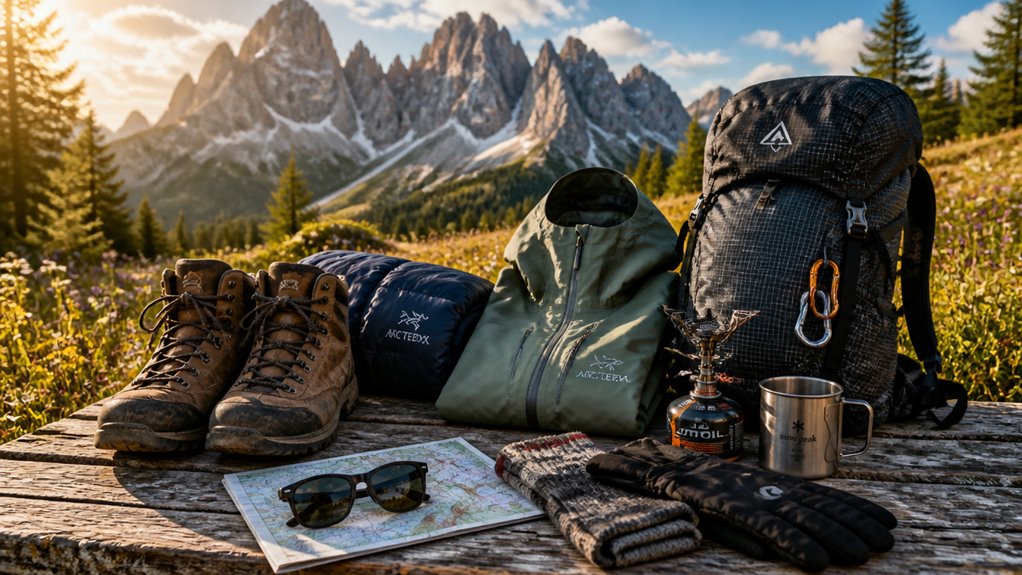
You’ll want lightweight, moisture-wicking layers like merino wool for base warmth, plus a fleece mid-layer and waterproof shell to tackle the Dolomites’ shifting weather.
Pack waterproof hiking boots with sturdy ankle support and technical socks to keep your feet dry and blister-free.
Don’t forget rain gear, navigation tools, hydration essentials, and blister care.
With versatile clothing and smart packing, you’ll be ready for any trail or hut comfort. Discover how to fine-tune your gear for every mountain moment.
Key Takeaways
- Pack moisture-wicking base layers, insulating mid-layers, and waterproof shells for variable Dolomites weather and altitude changes.
- Bring sturdy, waterproof hiking boots with ankle support, technical socks, gaiters, and flip-flops for hut comfort.
- Include reliable rain gear like packable waterproof jackets, pants, rain covers, and dry bags to protect gear from sudden showers.
- Carry navigation tools: paper maps, compass, offline GPS app, fully charged phone with power bank, and emergency whistle.
- Stock water bottles or hydration packs with electrolyte tablets, high-energy snacks, a first aid kit, blister treatments, and pain relief.
Essential Clothing Layers for Weather-Ready Dolomites Hiking
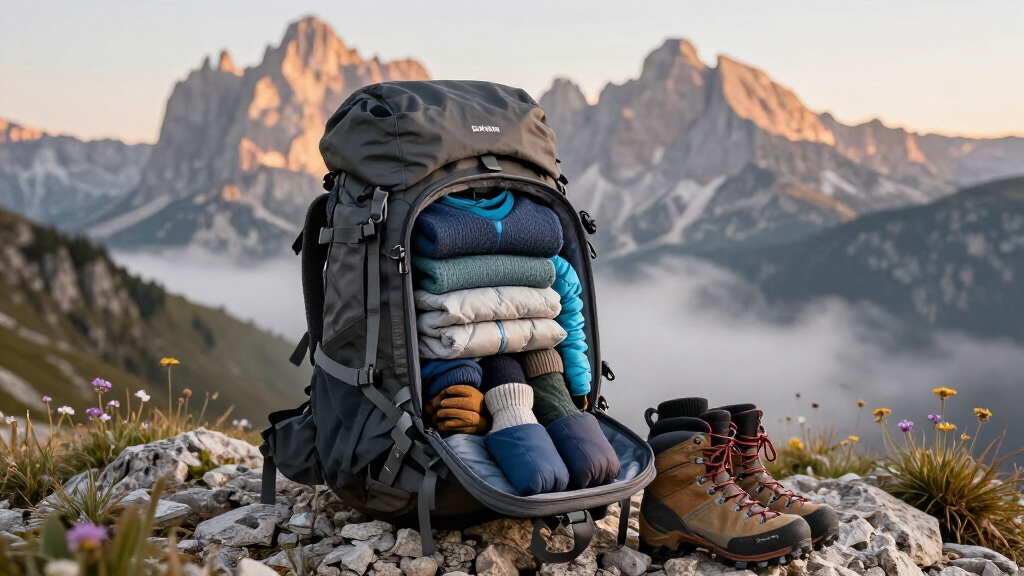
When you’re hiking in the Dolomites, layering your clothing is essential to stay comfortable amid rapidly changing mountain weather.
Start with a lightweight base layer made from merino wool or synthetic fabric to wick moisture away and keep you dry.
Next, add a fleece mid-layer or a light insulated jacket to guard against chilly mornings and evenings.
Don’t forget a waterproof, windproof shell to protect you from sudden rain and gusts.
Opt for quick-dry hiking pants or convertible trousers that adapt to trail conditions.
If you’re tackling higher altitudes or hut-to-hut routes, pack an extra warm layer since temperatures can drop fast.
This strategic layering keeps you flexible, prepared, and cozy throughout your Dolomites adventure.
Also, make sure to bring waterproof hiking boots with ankle support and wool socks to ensure comfort and protection during outdoor activities.
Selecting Footwear and Technical Socks for the Dolomites
Choose sturdy, broken-in hiking shoes or boots with strong grip and reliable ankle support. This will help you confidently tackle the varied terrain of the Dolomites.
Opt for durable, well-worn hiking boots with excellent grip and ankle support to navigate Dolomite terrain safely.
The rocky paths and steep ascents demand footwear that protects your feet and prevents slips. Pair your boots with technical hiking socks made of wool or synthetic fibers. These reduce friction and wick moisture to keep your feet dry and blister-free.
Make sure to also bring:
- Spare laces and blister prevention items for extended hikes
- Gaiters to shield your lower legs from mud and loose rocks
- Trekking poles to ease pressure on your knees during steep descents
Selecting the right combination of footwear and socks guarantees comfort and stability. This lets you focus on the breathtaking Dolomite trails ahead. For wet or variable weather conditions, consider footwear with a waterproof membrane to keep your feet dry and comfortable throughout your hike.
Rain Gear and Weather Protection for Mountain Trails
When you’re heading out on those mountain trails, it’s super important to pack a good waterproof jacket and pants. You never know when those sudden showers will hit, and trust me, staying dry makes a huge difference.
And don’t forget about your gear! Using rain covers and dry bags is a smart move to keep your electronics and clothes safe from moisture. It’s all about protecting what you’ve got, right?
These essential layers really help you stay comfortable and focused, no matter how quickly the weather decides to change. So, gear up and enjoy the adventure! For carrying your essentials, consider a backpack with water-resistant fabrics and secure compartments to protect your gear on the move.
Essential Waterproof Layers
Since mountain weather can shift in an instant, packing essential waterproof layers is crucial for staying dry and comfortable on Dolomites trails.
You’ll want protection that’s lightweight but durable enough to handle sudden rain and gusty winds.
A reliable waterproof shell should be your first pick. It keeps you dry without overheating.
Don’t forget a packable rain jacket that fits easily into your daypack for quick shelter.
Finally, waterproof pants can save your legs from cold, wet conditions, especially when crossing damp meadows or scrambling on slippery rocks.
Make sure your waterproof gear includes:
- Breathable, windproof rain jacket with adjustable hood
- Lightweight, waterproof hiking pants for versatility
- Durable outer shell that blocks wind and rain without bulk
These layers make certain you stay warm, dry, and ready for any mountain surprise.
Additionally, choosing gear with seam-sealed seams ensures maximum protection against persistent rain and wind.
Protecting Gear From Moisture
Beyond wearing waterproof layers, keeping your gear dry is just as important to maintain comfort and functionality on Dolomites trails.
Use a high-quality backpack rain cover to shield your pack from sudden showers and damp conditions.
Inside, pack your electronics, clothing, and important documents in dry bags or waterproof stuff sacks to prevent moisture damage.
Don’t underestimate the value of spare socks and a dry base layer. You’ll appreciate the fresh change after a downpour.
While a packable rain jacket protects you, protecting your gear guarantees you stay warm and dry throughout your hike.
If you’re hiking through wet grass or mud, gaiters provide extra barrier against moisture entering your boots.
Taking these precautions keeps your adventure enjoyable and your gear ready for every mountain challenge.
Consider using dry bags with roll-top closures for reliable waterproofing that protects against accidental submersion during your trek.
Sun Protection Strategies for High-Altitude Hiking
Although the breathtaking views and crisp mountain air make hiking in the Dolomites unforgettable, the intense high-altitude sun can quickly catch you off guard.
The thinner atmosphere means stronger UV rays, so protecting your skin and eyes is essential.
To stay safe and comfortable, focus on these sun protection strategies:
Apply sunscreen with SPF 50+ liberally and reapply frequently, especially after sweating.
Use SPF 50+ sunscreen generously and reapply often, especially after sweating, for lasting protection.
Wear sunglasses with strong UV protection and Category 3 or 4 lenses to reduce glare on snow or rocks.
Use a wide-brimmed sun hat and long-sleeve shirts with UPF fabric to shield your face and arms from direct sunlight.
Additionally, consider using a waterproof phone pouch to protect your phone from sweat and unexpected weather while keeping it accessible for photos and emergency use.
These simple steps will help you enjoy the stunning Dolomites without risking sunburn or eye strain.
Safety and Navigation Gear for Dolomites Treks
When you’re heading out for a trek in the Dolomites, packing some essential first aid items is a must. Trust me, blisters, aches, and minor injuries can sneak up on you when you least expect it. So, make sure you’ve got the basics covered!
Now, let’s talk about navigation. Reliable tools are key. You definitely want to have paper maps on hand, just in case technology fails you. And don’t forget a headlamp! It’s a lifesaver for those unexpected moments when the sun sets earlier than you planned.
Oh, and here’s something really important: emergency communication devices. Make sure your phone is fully charged and bring along a power bank. It’s better to be safe than sorry!
Plus, a whistle can be a great backup in case you need to signal for help. Staying connected and alert is crucial out there!
Remember to carry a personal locator beacon or satellite messenger for emergency alerts and precise positioning in remote areas.
Essential First Aid Items
When trekking through the Dolomites, keeping a well-stocked first aid kit is essential for handling common injuries like blisters, cuts, or muscle strains quickly and effectively.
You’ll want to be prepared for minor emergencies without weighing yourself down. Focus on versatile, lightweight items that cover the basics and can be used in various situations.
Make sure your first aid kit includes:
- Blister treatment supplies like moleskin or blister pads to prevent painful chafing.
- Pain relief medication and anti-inflammatory tablets to ease muscle soreness and headaches.
- Medical tape and adhesive bandages for securing dressings and protecting cuts.
With these essentials, you’ll stay comfortable and confident on every trail. You’ll be ready to tackle unexpected scrapes or aches while enjoying the stunning Dolomites scenery. Carrying a sturdy whistle can also enhance safety by allowing you to signal for help or alert wildlife if needed.
Reliable Navigation Tools
Since cell service can be spotty in the Dolomites, relying on dependable navigation tools is essential to stay on track and safe during your trek. You’ll want a reliable paper map or offline maps on your phone to guide you through trails without worrying about signal loss. Pair these with a compass to double-check your bearings, especially in foggy or low-visibility conditions.
| Tool | Purpose |
|---|---|
| Paper Map | Visual trail reference without signal |
| Compass | Directional accuracy and course set |
| Offline Maps App | GPS navigation without cell service |
Always keep these tools easily accessible. Practice using them before your trek to navigate confidently through the stunning Dolomite terrain. Choosing gear that fits your torso length properly helps maintain comfort during long hikes and ensures your navigation tools are within easy reach.
Emergency Communication Devices
Although the Dolomites offer breathtaking scenery and thrilling trails, carrying reliable emergency communication devices can make a critical difference if you encounter unexpected situations.
Mountains can be unpredictable, and cell service often drops off in remote areas. Having backup options is essential.
Make sure you pack these essentials:
A fully charged phone with a power bank and charging cable to stay connected.
An emergency whistle and local emergency contact details saved offline to signal for help.
A headlamp or flashlight with extra batteries for visibility in low light or nighttime emergencies.
These devices guarantee you’ll be prepared to call for help or stay safe if you get lost, injured, or caught in sudden bad weather.
Don’t leave the Dolomites without them!
For carrying these devices safely and conveniently, consider using luggage with spinner wheels for better maneuverability across various terrains.
Water, Snacks, and Hydration Essentials for Hikers
Stay hydrated and energized by carrying at least 1.5 liters of water. Many hikers opt for up to 2 liters to tackle the Dolomites’ demanding climbs.
Bring a hydration pack or durable water bottles that are easy to access on the trail. To replenish electrolytes lost through sweat, pack hydration mixes or electrolyte tablets.
For snacks, choose lightweight, high-energy options like nuts, dried fruit, and energy bars to keep your stamina up without weighing you down.
Sip water regularly to avoid dehydration, especially on warm days or steep ascents. Remember, fresh water sources mightn’t always be available, so plan accordingly.
With these hydration essentials, you’ll maintain energy and focus while exploring the breathtaking Dolomites terrain.
Extra Gear for Comfort on Hut-to-Hut Routes
When trekking hut-to-hut in the Dolomites, packing a few extra comfort items can make a big difference after a long day on the trail.
Adding a few comfort items on your Dolomites trek enhances relaxation after a full day on the trail.
These small additions help you relax and recharge in rustic mountain huts, turning your overnight stays into cozy retreats.
Consider bringing:
- Earplugs to block out snoring or early risers, ensuring a restful night.
- A quick-dry towel for freshening up without adding weight.
- Flip-flops to wear inside the hut, keeping your feet clean and comfortable.
These items don’t weigh much but add significant comfort, helping you recover for the next day’s adventure.
They also make communal hut life more pleasant, which is key when sharing close quarters with other hikers.
Pack smart, and you’ll enjoy every moment of your hut-to-hut journey.
Smart Packing Tips to Save Space and Weight
Adding comfort items like earplugs and flip-flops can make hut stays much more pleasant. However, carrying extra gear means you’ll need to pack smart to keep your load manageable.
Start by choosing multi-use clothing. Convertible pants and moisture-wicking layers save space and adapt to various conditions.
Roll your clothes tightly to minimize wrinkles and maximize space in your backpack. Use compression sacks or packing cubes to organize gear efficiently and reduce bulk.
Prioritize lightweight, compact essentials, and ditch anything non-essential. Share communal items like toiletries or chargers with your hiking group to lighten individual loads.
Finally, test-pack your bag before departure to make sure it’s comfortable and balanced. Smart packing not only saves weight but also boosts your mobility and enjoyment on Dolomites trails.
Weather-Ready Accessories to Handle Changing Conditions
Although the Dolomites boast stunning weather, mountain conditions can shift rapidly. Packing the right accessories is essential to stay comfortable and protected.
The Dolomites offer beautiful weather, but quick changes mean smart packing is key for comfort and safety.
You’ll want to prepare for sudden rain, sun glare, and chilly winds by choosing versatile, weather-ready gear. Don’t underestimate the power of small items that keep you going through changing conditions.
Consider these essentials:
A packable rain jacket and backpack rain cover to stay dry during unexpected showers.
Sunglasses with strong UV protection and a wide-brimmed hat to shield from intense sunlight.
Dry bags or waterproof stuff sacks to keep electronics and extra layers safe from moisture.
Frequently Asked Questions
What Is the Best Time of Year to Hike the Dolomites?
The best time to hike the Dolomites is from late June to early September. You’ll enjoy mild weather, clear trails, and blooming alpine meadows.
July and August bring the warmest temperatures but also more crowds. Consider June or September for quieter hikes and stunning fall colors.
Early summer might’ve some lingering snow, so be ready for changing conditions. This window gives you the best balance of accessibility, scenery, and safety.
Are Dogs Allowed on Dolomites Hiking Trails?
Yes, you can bring dogs on Dolomites hiking trails, but you’ll need to keep them leashed to protect wildlife and other hikers.
Make sure your dog is fit for mountain terrain, as some routes can be steep and challenging.
Bring water and snacks for your furry friend, and watch out for sudden weather changes.
Some huts may allow dogs, but check in advance to avoid surprises during your adventure.
How Do I Handle Altitude Sickness in the Dolomites?
Oh, sure, just breathe a bit harder and pretend the altitude isn’t messing with your brain. Easy, right?
Instead, take it slow, sip water often, and avoid overexertion. If you feel dizzy or nauseous, stop immediately and descend if possible.
Don’t ignore symptoms; altitude sickness isn’t a badge of honor. Pack some electrolytes, rest well, and acclimate gradually.
Your body will thank you when you’re enjoying those stunning Dolomite views without feeling like a balloon ready to pop.
Can I Charge Electronic Devices at Mountain Huts?
Yes, you can usually charge your electronic devices at mountain huts in the Dolomites. Most huts provide electrical outlets, but it’s smart to bring a power bank as a backup since access can be limited or shared.
Also, charging might cost a small fee or only be available during certain hours. Keep your cables handy and fully charged power banks ready to ensure your devices stay powered throughout your adventure.
Are Guided Tours Recommended for First-Time Dolomites Hikers?
Yes, guided tours are highly recommended for first-time Dolomites hikers.
They help you navigate tricky trails safely and share local knowledge about the landscape.
Guides enhance your experience with fascinating stories and assist with pacing.
They also ensure you’re prepared for sudden weather changes.
If you want to feel confident and fully enjoy the stunning scenery without stress, joining a guided tour is a smart, rewarding choice.
Prepare for Trails, Huts, and Sudden Weather Shifts
As you gear up for your Dolomites adventure, remember that over 70% of hikers report sudden weather changes in these mountains.
Packing smart with layered clothing, reliable footwear, and weather-ready accessories keeps you comfortable and safe.
Don’t underestimate the power of sun protection and proper hydration at high altitudes.
With this packing list, you’ll be ready to embrace every trail and breathtaking view, making your Dolomites trek an unforgettable, well-prepared journey.