
Are North Face Backpacks Washable? Cleaning Guide

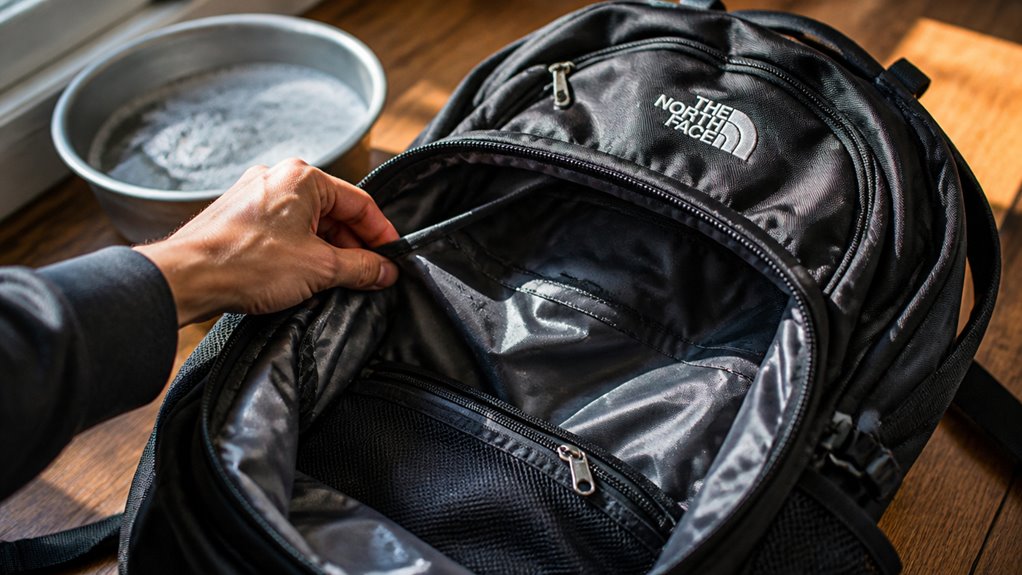
You shouldn’t machine wash or fully submerge your North Face backpack, as this risks damaging fabrics, coatings, zippers, and structural components.
Instead, use mild soap with spot cleaning to preserve water resistance and fabric integrity.
Avoid heat drying, opting for air drying in a shaded, ventilated area.
Following model-specific care instructions helps maintain durability and performance.
To protect your backpack’s coatings and hardware, it’s essential to use gentle cleaning methods and proper drying techniques.
Explore how best to care for it next.
Key Takeaways
- North Face backpacks are generally not recommended for machine washing or drying due to potential damage to fabric, coatings, and structural components.
- Full submersion or soaking can weaken water-resistant coatings, internal padding, and stitching, so spot cleaning is preferred.
- Use mild, non-alkaline soaps and cool water with a soft cloth or brush to gently spot clean affected areas.
- After cleaning, air dry backpacks in a well-ventilated, shaded area with compartments open; avoid heat and direct sunlight.
- Always follow model-specific care instructions on the tag to preserve water resistance, fabric integrity, and hardware function.
Are North Face Backpacks Machine Washable?
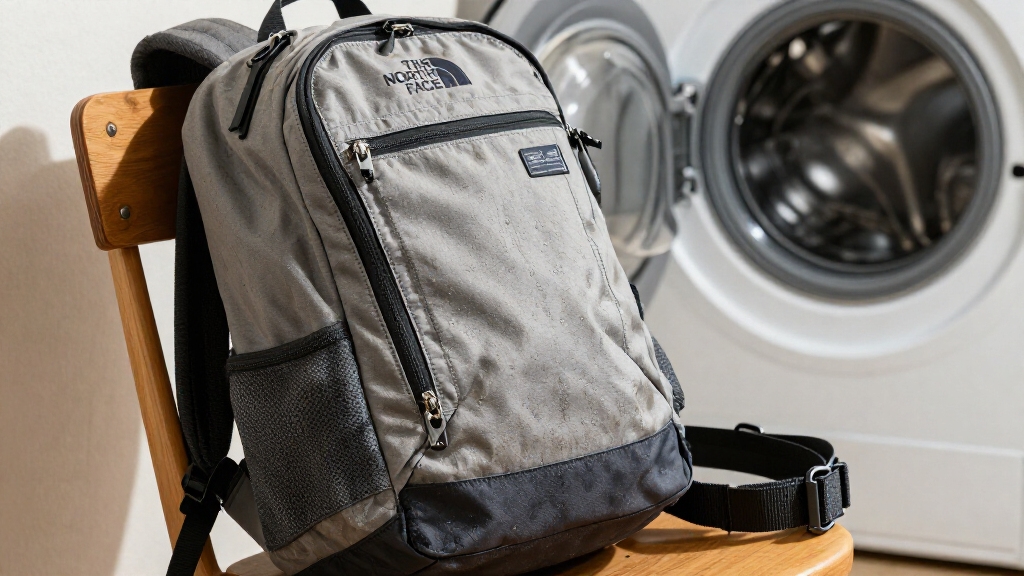
Although you might be tempted to toss your North Face backpack into the washing machine for convenience, the brand doesn’t recommend machine washing as a standard cleaning method.
While convenient, machine washing your North Face backpack is not recommended by the brand.
Machine washing risks damaging the fabric, coatings, zippers, and structural components of the backpack.
Instead, The North Face advises spot cleaning with a damp cloth and mild soap, avoiding full submersion.
If you machine wash, you increase the chance of material degradation and compromised water resistance.
Additionally, machine drying is explicitly discouraged due to heat exposure that can warp or weaken materials.
To maintain your backpack’s integrity, stick to gentle cleaning techniques and always air dry in a well-ventilated area.
This practical approach preserves functionality and extends the life of your North Face backpack far better than machine washing.
For effective cleaning, it is recommended to spot clean with mild soap to protect the fabric and zippers.
How Important Are Model-Specific Care Instructions?
While general cleaning guidelines provide a solid foundation for maintaining your North Face backpack, paying close attention to the model-specific care instructions can make a significant difference in preserving its performance and durability.
Each model uses different materials, coatings, and structural elements that may react differently to cleaning agents and methods. Ignoring these instructions risks damaging water resistance, fabric integrity, or hardware functionality.
| Model Type | Material Focus | Recommended Cleaning | Avoid | Drying Method |
|---|---|---|---|---|
| Hiking Backpack | Durable nylon | Spot clean with mild soap | Machine wash | Air dry only |
| Urban Backpack | Polyester blend | Damp cloth | Submersion | Ventilated air dry |
| Hydration Pack | Water-resistant fabric | Mild soap, cool water | Harsh detergents | Air dry |
| Technical Pack | Coated fabrics | Follow tag exactly | Heat exposure | Air dry |
| Travel Backpack | Mixed materials | Spot clean | Machine drying | Air dry |
Proper maintenance, including following these care guidelines, helps preserve the North Face’s Gore-Tex waterproofing and breathability features essential for technical packs.
Why You Shouldn’t Fully Submerge Your North Face Backpack?
You really shouldn’t fully submerge your North Face backpack. Why? Well, prolonged water exposure can weaken those waterproof coatings on the fabric.
Over time, that can lead to material degradation, and nobody wants that!
Plus, when your backpack gets soaked, it risks compromising the internal structure. This includes things like padding and reinforcements, which means it could lose its shape and durability.
To keep your backpack in top condition, it’s best to stick to spot cleaning and avoid soaking it entirely. Trust me, your backpack will thank you!
Remember, most North Face backpacks are designed with weatherproof materials that resist light rain but are not fully waterproof, so full submersion can cause damage.
Fabric Damage Risks
Because North Face backpacks incorporate specialized fabrics and coatings designed for durability and water resistance, fully submerging them can compromise these protective layers.
When soaked, water can penetrate seams and damage waterproof membranes, reducing fabric strength and lifespan. The coatings may degrade, causing loss of water repellency and increased vulnerability to stains and abrasion.
| Fabric Element | Risk from Submersion | Consequence |
|---|---|---|
| Durable Nylon | Water absorption | Weakened fibers |
| Waterproof Coating | Coating breakdown | Reduced water resistance |
| Seams & Stitching | Water infiltration | Potential seam failure |
| Structural Fabrics | Over-saturation | Fabric distortion |
To preserve your backpack’s integrity, avoid full submersion and stick to spot cleaning with mild soap and water. For long-term care, storing your backpack in a cool, dry environment helps maintain its materials and prolong durability.
Impact On Backpack Structure
Since a North Face backpack’s structure relies heavily on internal frames, padding, and reinforced stitching, fully submerging it in water risks compromising these components.
Water can saturate foam padding, causing it to lose shape and cushioning properties.
Internal frames, often made of lightweight metals or plastics, may corrode or warp when exposed to prolonged moisture.
Reinforced stitching threads can weaken or stretch, reducing overall durability and load-bearing capacity.
Additionally, adhesives used to bond layers or attach trim might degrade, leading to delamination or separation.
When you fully submerge your backpack, trapped water inside compartments can take a long time to dry, encouraging mold and mildew growth.
To preserve structural integrity, stick to spot cleaning and air drying, avoiding immersion to maintain your backpack’s performance and longevity.
Improving ventilation with natural airflow during drying helps prevent mold and preserve materials.
What Are the Best Cleaning Products for North Face Backpacks?
Select cleaning products that are gentle yet effective to maintain the integrity of your North Face backpack’s materials. Use mild, non-alkaline soaps or detergents free from bleach, enzymes, or fabric softeners, as these can degrade synthetic fabrics and water-resistant coatings.
A diluted solution of mild liquid soap mixed with cool water works best for spot cleaning. Avoid harsh chemicals or abrasive powders that might damage fibers or stitching. For stain treatment, opt for a gentle stain remover specifically formulated for delicate fabrics, testing it on a small, inconspicuous area first.
Steer clear of solvents or bleach-based cleaners, which risk discoloration and fabric weakening. Overall, prioritize products designed for technical outerwear or synthetic fabric care to ensure your backpack’s durability and appearance remain intact. Additionally, using a mild enzymatic detergent can help effectively remove organic stains without harming the fabric.
How Do You Spot Clean Your North Face Backpack Safely?
When you want to clean your North Face backpack without risking damage, start by emptying all compartments and shaking out any loose dirt or debris.
Begin cleaning your North Face backpack by emptying all compartments and removing loose dirt or debris.
Use a soft-bristle brush or cloth to gently loosen stubborn dirt.
Then, prepare a solution of mild soap and cool water. Dip a clean cloth into the solution and wring it out before applying it to stained or soiled areas. Avoid saturating the fabric to prevent damage.
Key steps to spot clean safely include:
Use gentle, circular motions to lift dirt without abrading the fabric. Focus on localized stains; don’t immerse or soak the backpack. Rinse the cloth frequently and change soap solution if it becomes dirty.
Following this method guarantees effective cleaning while preserving your backpack’s integrity. For best results, always choose mild detergents that are safe for nylon to avoid damaging the material.
How Should You Rinse and Dry Your North Face Backpack?
After spot cleaning your North Face backpack, proper rinsing and drying are essential to maintain its durability and appearance.
Use a damp cloth soaked in cool water to carefully wipe away any soap residue from the cleaned areas. Avoid saturating the fabric; instead, gently dab and rinse to prevent water from penetrating deeper layers.
Once rinsed, wipe off excess moisture with a dry towel. For drying, always air dry your backpack in a well-ventilated, shaded area to prevent UV damage and fabric deterioration.
Hang the backpack upside down with compartments open to maximize airflow and speed up drying. Never use a machine dryer or direct heat sources like radiators, as these can warp structural elements and degrade coatings, compromising your backpack’s longevity.
Regular inspection of the coatings and seam integrity helps preserve the backpack’s water resistance and overall performance.
What Happens When You Use Harsh Cleaning Methods on Your Backpack?
Although harsh cleaning methods might seem like a quick fix for stubborn stains or heavy dirt, they can seriously damage your North Face backpack’s fabric, coatings, and structural integrity.
Harsh cleaning may quickly remove dirt but can severely harm your North Face backpack’s materials and structure.
Using aggressive detergents, soaking, or machine washing risks breaking down water-resistant coatings and weakening fabric fibers. Over time, this diminishes durability and protection against the elements.
Specifically, harsh cleaning can strip waterproof or DWR (Durable Water Repellent) coatings, reducing water resistance. It can also cause fabric abrasion or fraying, leading to tears or holes.
Additionally, it may warp or weaken structural components like zippers, stitching, or padding.
These damages compromise your backpack’s performance and lifespan. To protect your gear, avoid strong chemicals, full immersion, and machine agitation. Stick to recommended spot-cleaning methods instead. For routine care, using a soft cloth and mild soap helps preserve the fabric’s integrity without causing damage.
How Can You Maintain Your North Face Backpack’s Cleanliness and Longevity?
To keep your North Face backpack in top shape, it’s really important to focus on spot cleaning. Just grab a damp cloth and some mild soap to tackle any stains. This way, you can target the problem areas without risking damage to the fabric.
After you’ve cleaned it up, make sure to rinse it gently with cool water. This helps avoid any residue buildup that could affect the material. Once you’re done rinsing, let your backpack air dry in a well-ventilated space. Trust me, this step is crucial for preventing any damage to the fabric.
Oh, and a quick tip: steer clear of machine drying or submerging your bag. Keeping it out of those situations will really help maintain its structure and longevity. Your backpack will thank you for it!
For best results, open all zippers and pockets and hang your backpack upside down in a shaded, well-ventilated area to ensure thorough drying and prevent mildew.
Spot Cleaning Techniques
When you want to maintain your North Face backpack’s cleanliness and longevity, focusing on spot cleaning is essential.
Start by emptying all compartments and shaking out loose dirt to prevent abrasion during cleaning.
Use a soft cloth dampened with mild soap and cool water to gently treat stained or soiled areas.
Avoid soaking or scrubbing aggressively, as this can damage fabric coatings and structure.
After cleaning, rinse the cloth with cool water and wipe the spot again to remove soap residue.
Key spot cleaning steps include:
- Targeting only affected areas with mild soap solution
- Using soft, non-abrasive cloths or sponges
- Minimizing water exposure to preserve fabric integrity
This method guarantees effective cleaning while protecting your backpack’s materials.
Proper Drying Methods
Since improper drying can damage your North Face backpack’s materials and structure, you should always air dry it thoroughly in a well-ventilated area after cleaning.
Avoid machine drying or direct heat, as this can warp fabric coatings and weaken seams. Hang your backpack upside down to allow water to drain fully and speed drying.
Use a fan if needed to improve airflow but keep it cool.
| Drying Method | Risk Level | Recommendation |
|---|---|---|
| Air Dry | Low | Best method; preserves fabric |
| Machine Dry | High | Avoid; damages structure |
| Direct Sunlight | Medium | Use cautiously; may fade fabric |
| Hanging Upside Down | Low | Facilitates complete drying |
Following these steps guarantees your backpack stays clean and durable.
Frequently Asked Questions
Can North Face Backpack Straps Be Cleaned Separately?
Yes, you can clean North Face backpack straps separately.
First, detach them if your model allows; if not, clean them in place.
Use a damp cloth with mild soap to spot clean any dirt or stains.
Avoid soaking or harsh scrubbing to protect the fabric and padding.
Rinse carefully with cool water, then air dry completely.
Always check your backpack’s care tag for model-specific instructions before cleaning straps separately.
Are There Specific Stains That Require Special Cleaning Methods?
Yes, some stains need special care.
For oil or grease, apply a mild detergent directly and gently scrub with a soft brush before spot cleaning.
Ink stains may require rubbing alcohol on a cotton swab, but test it on a hidden area first.
Avoid harsh chemicals or bleach, as they can damage fabric or coatings.
Always follow your backpack’s care label to choose the safest method.
How Often Should I Clean My North Face Backpack?
You should clean your North Face backpack whenever you notice dirt, stains, or odor buildup. Typically, this means every few weeks if used daily.
For light use, a monthly spot cleaning suffices. Avoid frequent heavy cleaning to preserve fabric integrity.
Always empty compartments, shake out debris, then spot clean with mild soap and cool water. Let it air dry fully before use.
Regular maintenance prevents grime buildup and keeps the backpack functional longer.
Can Waterproof Sprays Be Used on North Face Backpacks?
You might think waterproof sprays turn your North Face backpack into an impenetrable fortress against rain, but proceed carefully.
Yes, you can use waterproof sprays, but only those designed for technical fabrics. Always test on a small, hidden area first.
Apply sparingly, following the spray’s instructions, and avoid saturating the fabric.
This helps maintain breathability and fabric integrity, preserving your backpack’s performance without damaging its coatings or seams.
Is It Safe to Clean the Backpack’s Interior Lining?
Yes, it’s safe to clean your backpack’s interior lining using spot cleaning methods.
Start by emptying all compartments. Then use a damp cloth with mild soap to gently wipe the lining.
Avoid soaking or fully submerging the interior to prevent damage to materials or adhesives. Rinse lightly with cool water and air dry thoroughly in a ventilated area.
Always check the care label for model-specific instructions before cleaning.
Are North Face Backpacks Washable? Final Answer
So, can you really toss your North Face backpack in the washing machine without a second thought? Not quite.
Following model-specific care instructions and avoiding full submersion prevents damage to materials and coatings. Instead, spot clean with gentle products, rinse carefully, and air dry properly to maintain durability.
Harsh methods can degrade fabric and zippers. By treating your backpack with precision, you guarantee it stays functional and fresh for every adventure ahead.