
Does Weatherproof Bag Mean Waterproof? What to Know

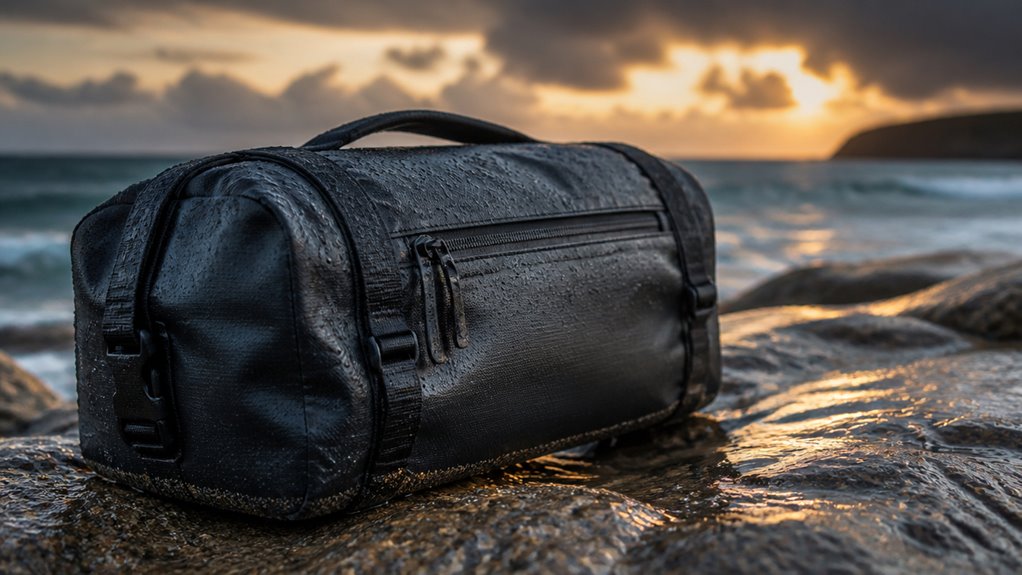
A weatherproof bag doesn’t mean it’s fully waterproof. You can expect it to resist light rain and brief outdoor exposure but not heavy downpours or submersion.
Weatherproof bags usually have stitched seams and standard zippers that allow some moisture through over time. Waterproof bags use sealed seams, impermeable materials like TPU, and roll-top closures to keep water out entirely.
If you want to understand the key differences and how to choose the right bag, there’s more to take into account.
Key Takeaways
- Weatherproof bags resist light rain and splashes but do not fully prevent water penetration or submersion.
- Weatherproof designs use stitched seams that allow moisture to seep during prolonged exposure.
- Waterproof bags feature welded or taped seams and sealed closures for complete water exclusion.
- Weatherproof materials are coated fabrics, while waterproof bags use impermeable laminates like TPU or PVC.
- Weatherproof does not mean waterproof; it provides limited moisture protection, unlike waterproof bags designed for heavy rain and immersion.
What “Weatherproof” Really Means for Your Bag?
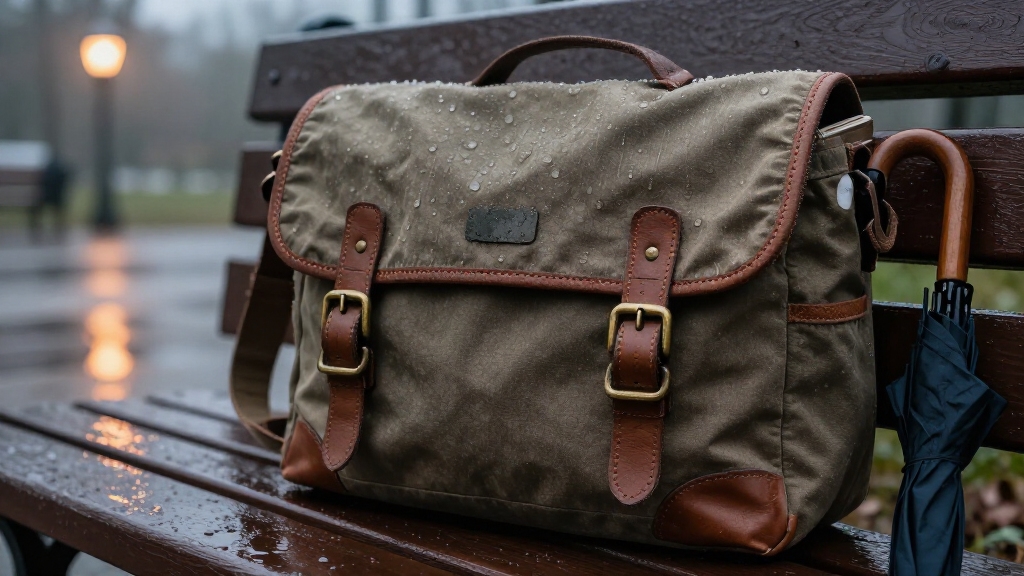
When you see a bag labeled as weatherproof, it means the bag can withstand rain, wind, and general outdoor conditions without quickly deteriorating or soaking through.
You should understand that weatherproof indicates resistance to moderate environmental exposure, not complete water exclusion.
The materials typically resist light rain and splashes but may not prevent moisture penetration over extended exposure.
Weatherproof bags often use coated or treated fabrics without fully sealed seams or impermeable layers.
This means you can rely on them for brief outdoor use and casual rain, but not for heavy downpours or immersion.
Fundamentally, weatherproof describes a broader, less stringent standard focused on durability and moderate water resistance rather than full waterproof protection.
Always check the bag’s construction details to assess its suitability for your needs.
For true protection in demanding outdoor conditions, look for features like high-frequency welded seams that ensure watertight performance.
Why Weatherproof Bags Aren’t Fully Waterproof?
You might’ve noticed that weatherproof bags often feature coated fabrics and stitched seams. They do a decent job of resisting light moisture, but here’s the catch: they don’t completely block water from getting in.
Now, if we compare that to waterproof bags, things look a bit different. Waterproof bags are constructed with welded seams and made from impermeable materials, which means they can stand up to heavy rain without letting water in.
Many waterproof bags also use roll-top closures that lock out water and dirt, providing reliable protection during outdoor activities.
Material And Seam Differences
Understanding the material and seam differences is essential to grasp why weatherproof bags don’t offer full waterproof protection. Weatherproof bags often use coated fabrics that resist moisture but rely on stitched seams, which leave tiny holes water can penetrate.
Waterproof bags, however, feature welded or taped seams that seal these holes completely, preventing any water ingress.
| Feature | Weatherproof Bags | Waterproof Bags |
|---|---|---|
| Material | Coated or treated fabric | TPU, PVC laminates |
| Seams | Stitched (perforated) | Welded or taped (sealed) |
| Closures | Standard zippers or flaps | Roll-top or sealed zippers |
These construction differences mean weatherproof bags handle light rain but won’t keep water out under sustained exposure like waterproof bags do. Many high-quality waxed canvas bags achieve water resistance through heavy-duty wax finishes and reinforced stitching, but they still lack fully sealed seams required for complete waterproofing.
Limitations In Heavy Rain
Although weatherproof bags resist light rain and brief exposure, they can’t fully prevent water intrusion during heavy or prolonged downpours.
You should understand that weatherproof bags typically rely on coated fabrics and stitched seams.
These allow moisture to seep through over time when exposed to intense rain.
Unlike waterproof bags, they lack fully sealed seams and impermeable closures, critical for blocking water under sustained wet conditions.
When you face heavy rain, weatherproof bags may let water penetrate through needle holes or inadequately sealed zippers.
Consequently, if keeping your contents completely dry in heavy rain is essential, relying on weatherproof bags is risky.
You need to choose bags with waterproof construction, welded seams, taped closures, and robust materials to guarantee protection under harsh, prolonged wet environments.
For urban commuters, features such as hidden anti-theft pockets and durable waterproof fabrics enhance both security and weather resistance.
What Makes Waterproof Bags Different? (Construction & Materials)
When you take a look at waterproof bags, one of the first things that stands out is their seams. Unlike regular bags that use stitched seams, waterproof ones typically feature welded or taped seams. This design choice is crucial because it helps prevent water from sneaking in.
Then there are the closures. You might notice that many waterproof bags use roll-tops or sealed zippers. These closures create tight seals, effectively blocking out moisture. It’s like giving your belongings a little fortress against the elements!
Another key point is the materials. Waterproof bags often rely on impermeable materials like TPU or PVC laminates. This is what really sets them apart from weatherproof options, which mightn’t offer the same level of protection. So, if you’re looking to keep your gear completely dry, these bags are your best bet!
Additionally, many waterproof bags use PU or TPU coatings on durable polyester to prevent leaks and contain odors effectively.
Seam Types And Sealing
Because seams are the most vulnerable points for water entry, the way they’re constructed and sealed distinguishes waterproof bags from weatherproof ones.
Waterproof bags typically use welded seams, where heat fuses the material edges together, eliminating needle holes. They also often incorporate taped seams, which cover stitching holes with waterproof tape, creating an impermeable barrier.
In contrast, weatherproof bags usually rely on stitched seams without additional sealing, making them more prone to water penetration over time. The difference lies in ensuring no gaps exist for water to seep through.
When evaluating a bag, check if the seams are welded or taped rather than just stitched. This detail markedly impacts the bag’s ability to prevent water ingress and is a key factor separating genuine waterproof designs from weather-resistant ones.
Materials like X-PAC, which integrate a waterproof film within the laminate, enhance the effectiveness of welded and taped seams compared to traditional fabrics relying on coatings like Cordura’s Durable Water Repellent.
Closure Mechanisms
Closures play a critical role in keeping water out of a bag, often distinguishing waterproof designs from weatherproof ones.
When you examine waterproof bags, you’ll notice they frequently use roll-top closures or sealed zippers. These closure types create a continuous, watertight barrier that prevents water from entering through gaps.
In contrast, weatherproof bags often rely on standard zippers or flaps, which may resist light rain but aren’t fully sealed.
Roll-top closures work by rolling the bag’s opening tightly and securing it, eliminating openings entirely. Sealed zippers have waterproof coatings and specialized seals to block water ingress.
This means the closure mechanism is as important as the material and seam type when evaluating a bag’s waterproof capabilities.
Without proper closures, water can easily seep in, negating other waterproof features.
Additionally, fabrics like nylon with water-resistant coatings enhance the bag’s ability to protect contents, especially when combined with effective closures like roll-tops or sealed zippers, making nylon water resistance a key factor in waterproof bag design.
Material Composition
Although both weatherproof and waterproof bags aim to protect your belongings, the materials used in waterproof bags are specifically engineered to block water entirely.
These bags often incorporate impermeable laminates like TPU or PVC.
These laminates create a solid barrier that prevents water ingress, unlike weatherproof fabrics, which may rely on water-resistant coatings that eventually degrade.
Waterproof bags also feature welded or taped seams to seal needle holes, further enhancing water exclusion.
Weatherproof bags typically use treated textiles without full seam sealing, allowing limited moisture penetration over time.
When choosing, focus on the material composition alongside construction details.
Waterproof materials offer robust protection suitable for heavy rain and immersion, while weatherproof ones suffice for lighter exposure.
Understanding these differences helps you select the right bag based on your intended environment and water exposure level.
In addition, fully waterproof bags often include internal polyethylene liners and sealed seams to provide secondary moisture barriers that significantly improve liquid containment.
Weatherproof or Waterproof: Which Bag Should You Pick?
When choosing between a weatherproof and a waterproof bag, consider the conditions you expect to encounter and how dry you need your contents to stay.
Weatherproof bags suit light rain and brief outdoor exposure. Waterproof bags excel in heavy rain and water immersion. Your choice depends on risk level and usage.
| Feature | Weatherproof | Waterproof |
|---|---|---|
| Protection Level | Light to moderate rain | Heavy rain, submersion |
| Material | Treated fabric, coatings | Impermeable laminates, TPU |
| Seam Construction | Stitched, sometimes coated | Welded or taped seams |
| Closures | Standard zippers | Roll-top, sealed zippers |
| Use Cases | Commuting, travel | Kayaking, boating, storms |
Select based on exposure severity and content sensitivity. For motorcycle riders, features like roll-top closures and seamless welding are critical in ensuring truly waterproof protection during heavy rain or rough rides.
Key Features That Make Bags Waterproof vs Weatherproof
Understanding the differences between weatherproof and waterproof bags requires examining their specific design features.
Weatherproof bags typically use coated or treated fabrics that resist light rain but rely on stitched seams, which can allow moisture over time. Their closures are usually standard zippers or flaps, offering limited sealing.
In contrast, waterproof bags employ impermeable materials like TPU or PVC laminates and feature welded or taped seams to block water ingress completely. They often use roll-top closures or sealed zippers, enhancing protection against heavy rain or submersion.
The distinction lies in how seams and closures are constructed and the materials used. While weatherproof bags handle moderate exposure, you’ll need waterproof construction if you want reliable protection under harsher wet conditions.
Additionally, the choice of materials used in backpack clips can influence a bag’s overall weather resistance and durability.
How to Test If Your Bag Is Truly Waterproof?
How can you confidently determine if your bag is truly waterproof?
Begin by inspecting the construction: check for welded or taped seams and sealed closures like roll-tops or waterproof zippers.
Start by examining the bag’s build: look for welded seams and secure closures like roll-tops or waterproof zippers.
Next, perform a controlled water test. Place a dry tissue inside the bag, then expose it to running water or submersion for a few minutes.
If the tissue remains dry, the bag likely meets waterproof standards. Avoid relying solely on labels; verify materials such as TPU or PVC laminates.
Additionally, observe if the bag uses stitched seams without sealing, indicating weather resistance rather than full waterproofing.
This analytical approach guarantees you objectively assess the bag’s ability to exclude water under practical conditions, distinguishing true waterproof performance from mere weatherproof claims.
Frequently Asked Questions
Can Weatherproof Bags Protect Electronics During a Sudden Downpour?
You can rely on weatherproof bags to protect your electronics during a sudden downpour to some extent, especially if the rain is light or moderate.
However, these bags aren’t fully waterproof, so they might allow moisture in over time or in heavy rain.
If you expect prolonged or intense exposure, you shouldn’t trust weatherproof bags alone.
For complete protection, choose bags with true waterproof construction, like sealed seams and waterproof materials.
Are Weatherproof Bags Suitable for Winter Snow Conditions?
About 60% of weatherproof bags can handle light snow exposure without immediate damage.
You can rely on these bags for brief winter snow conditions, but they’re not ideal for prolonged or heavy snowfall.
The fabric resists moisture, yet seams and closures may allow water in over time.
For consistent protection in snow, especially wet or melting snow, a fully waterproof bag with sealed seams and closures is a safer choice.
How Often Should Waterproof Coatings Be Reapplied to Bags?
You should reapply waterproof coatings every 6 to 12 months, depending on use and exposure.
If you use the bag frequently outdoors or in wet conditions, reapply more often to maintain effectiveness.
Check for signs like water beading failure or fabric saturation.
Proper cleaning before reapplication improves coating adhesion.
Following manufacturer guidelines guarantees peak performance and prolongs the bag’s water resistance without compromising materials or seams.
Do Waterproof Bags Add Significant Weight Compared to Weatherproof Ones?
Yes, waterproof bags typically add some weight compared to weatherproof ones due to heavier materials like TPU laminates, welded seams, and sealed closures.
These features increase durability and water resistance but also bulk.
However, modern waterproof bags balance protection and weight, so the added heft isn’t usually excessive.
If minimizing weight is vital, you should compare specific models, as design choices materially impact how much extra weight you’ll carry.
Can Weatherproof Bags Prevent Dust and Dirt Entry Effectively?
Yes, weatherproof bags can effectively prevent dust and dirt entry in most everyday situations because their materials and coatings resist particulate penetration.
However, they mightn’t provide a perfect seal like fully waterproof bags with taped or welded seams.
If you need maximum protection against fine dust in harsh environments, you should check the bag’s closure type and seam construction.
Weatherproof designs vary in their ability to block all contaminants.
Does Weatherproof Bag Mean Waterproof? Final Answer
When choosing between weatherproof and waterproof bags, think of it like choosing an umbrella versus a raincoat.
Weatherproof bags offer good resistance against light rain and splashes but won’t fully protect your gear in heavy downpours or submersion.
Waterproof bags, built with sealed seams and water-repellent materials, provide a higher level of defense.
Knowing the difference helps you pick the right bag to keep your belongings safe under various weather conditions.