
Book Bag vs Backpack: Best Pick for Daily Use

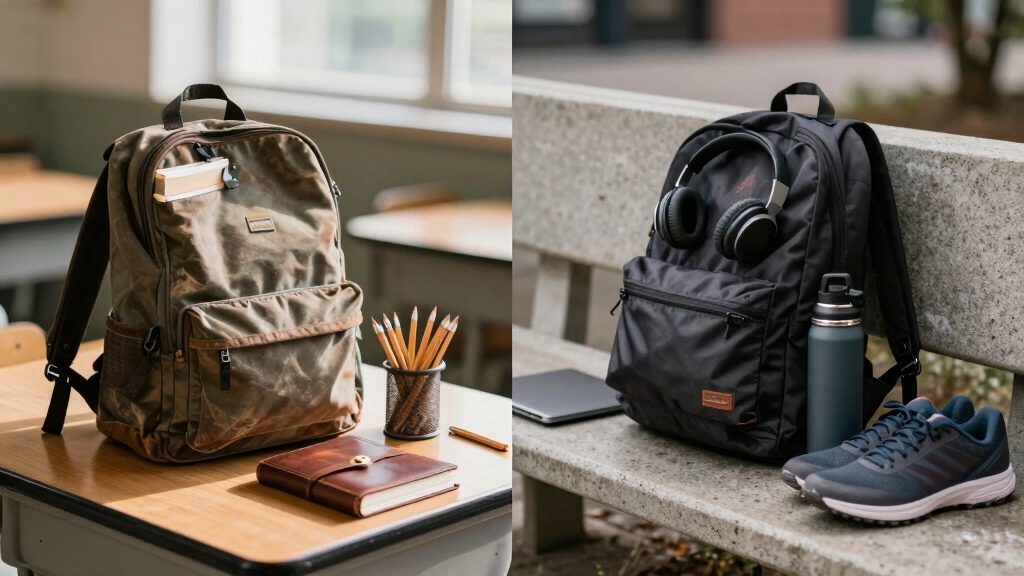
When choosing between a book bag and a backpack, consider that book bags offer simple, lightweight designs with a single compartment. They are ideal for short commutes and light loads.
Backpacks provide greater capacity and multiple compartments. They also feature padded straps and ergonomic support, perfect for heavier loads or extended use.
Their durable, water-resistant materials and organizational features enhance comfort and protection. Factor in how each suits your specific daily tasks and load requirements before making your decision.
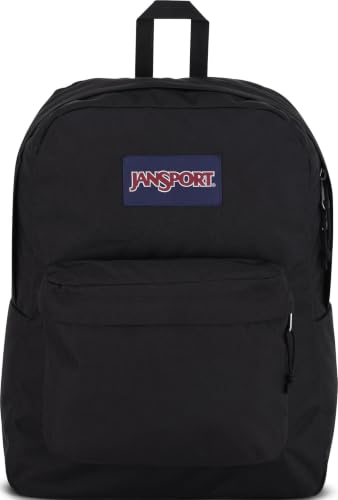
- Your Forever Pack: Always be ready with the JanSport SuperBreak Backpack. The perfect size for all…
- Ready for Anything: These backpacks are made with durable 600 denier fabric to ensure they are…
- Hold All Your Essentials: Not too big and not too small, these backpacks feature one main…

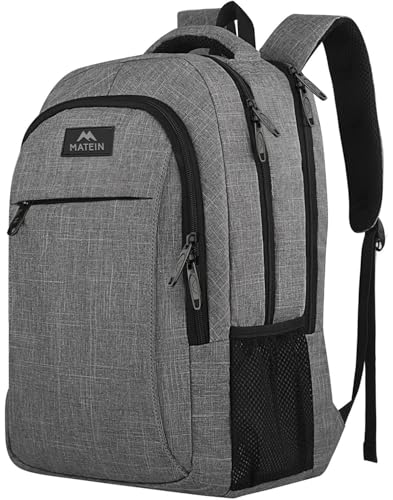
- LOTS OF STORAGE SPACE&POCKETS: One separate laptop compartment hold 15.6 Inch Laptop as well as…
- COMPANY WITH YOU ANYWHERE: This backpack is Personal Item Backpack Size for frontier…
- FUNCTIONAL & SAFE: A luggage strap allows backpack fit on luggage/suitcase, slide over the luggage…
Key Takeaways
- Book bags have a simple rectangular shape with one main compartment, ideal for light loads and short commutes.
- Backpacks provide multiple compartments and organizational pockets for better storage and separation of diverse items.
- Book bags usually feature narrow straps that offer minimal support, while backpacks have wide, padded straps and ergonomic designs.
- Backpacks distribute weight evenly, enhancing comfort and reducing strain, making them suitable for prolonged use and heavier loads.
- Book bags offer a sleek, minimalist style, whereas backpacks are versatile, often including waterproofing and anti-theft features.
Book Bag vs Backpack Comparison: Comfort, Storage, and Best Use
| Comparison Point | Book Bag | Backpack | Best Choice |
|---|---|---|---|
| Main Design | Usually has a simple rectangular shape with one main storage area. | Designed with multiple compartments, pockets, and structured sections. | Book bag for simplicity; backpack for better organization. |
| Storage Capacity | Best for light loads, a few books, notebooks, or basic supplies. | Better for larger loads, laptops, clothes, electronics, and daily gear. | Backpack for carrying more items. |
| Comfort Level | Often has narrow or single straps, which may cause shoulder strain. | Uses wide padded straps and often includes a cushioned back panel. | Backpack for longer wear and heavier loads. |
| Organization | Limited pockets make it easy but less structured. | Offers separate spaces for books, laptop, bottles, accessories, and small items. | Backpack for organized daily use. |
| Best Use Case | Good for school, short commutes, and light errands. | Ideal for school, work, travel, outdoor use, and long commutes. | Depends on your daily routine and load size. |
| Style Appeal | Often looks minimal, simple, and casual. | Available in casual, sporty, professional, and travel-friendly designs. | Book bag for minimal style; backpack for versatility. |
| Durability | Usually lighter and less reinforced. | Often made with stronger materials, reinforced stitching, and water-resistant options. | Backpack for long-term use. |
| Ease of Carrying | Easy to grab and carry for quick trips. | Better weight balance across both shoulders. | Book bag for quick use; backpack for comfort. |
What Are the Key Differences Between Book Bags and Backpacks?
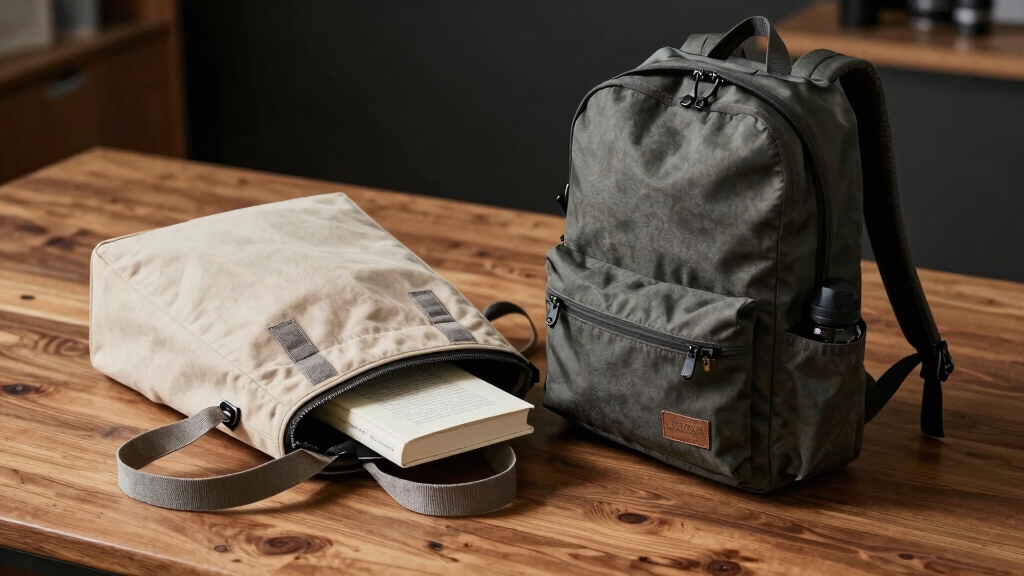
Although both book bags and backpacks serve to carry school supplies, they differ markedly in design, functionality, and comfort.
Book bags and backpacks both carry supplies but differ significantly in design, function, and comfort.
Book bags feature a simple rectangular shape with a single main compartment, typically secured by a flap or zipper top closure. They may include exterior pockets and maintain a minimalist interior, prioritizing lightweight construction for short commutes.
In contrast, backpacks incorporate multiple compartments and organizational pockets, providing greater storage versatility. They feature padded shoulder straps and back panels that distribute weight evenly, enhancing comfort during prolonged use.
Book bags use narrow or single straps offering minimal support, while backpacks employ two wide, padded straps for superior back support.
These structural and ergonomic differences define their distinct practical applications and user experience. Standard backpacks typically measure approximately 16x11x8.5 inches, offering a volume range ideal for daily use known as standard daily backpacks.
How Design Affects the Use of Book Bags and Backpacks?
When you choose between a book bag and a backpack, the design directly influences how you can use and carry your items.
A book bag’s simple rectangular shape with a single compartment and flap or zipper closure suits carrying books and school supplies for short commutes. Its narrow or single straps offer minimal support and can cause discomfort with heavier loads.
In contrast, backpacks feature multiple compartments and padded, wide shoulder straps that distribute weight evenly. This reduces strain during prolonged use.
The padded back panel enhances comfort and support, allowing you to carry diverse items beyond books, whether for work, travel, or outdoor activities.
This ergonomic design makes backpacks more versatile and practical for heavier or varied loads compared to the minimalist, lightweight book bag.
Backpacks often include features like padded hip belts and frame systems to further improve load distribution and reduce fatigue during extended wear.
Comparing Capacity and Organization
Since organization plays a crucial role in daily usability, understanding the capacity differences between book bags and backpacks helps you choose the right option.
Book bags feature a single main compartment with minimal internal division. This makes them suitable for carrying only books and essential school supplies. Their straightforward design limits space and organization but keeps things simple and accessible.
In contrast, backpacks offer multiple compartments and specialized pockets. This allows you to separate items like electronics, stationery, and snacks efficiently. This compartmentalization enhances organization and maximizes capacity, accommodating a broader range of belongings beyond books.
If you need to carry various items and prefer systematic storage, a backpack provides practical advantages. However, if your load is light and straightforward, a book bag’s minimalist capacity may suffice.
Backpacks suit on-the-move lifestyles with organized storage needs, making them ideal for carrying diverse items securely and comfortably.
Which Is More Comfortable: Book Bag or Backpack?
You’ll notice that backpacks really shine when it comes to comfort. They do a great job of distributing weight evenly across both shoulders, thanks to their wide, padded straps and cushioned back panels. This helps you carry your stuff without feeling too much strain.
On the flip side, book bags tend to use narrower or single straps. This can put a lot of pressure on just one area, which means you might feel more fatigued if you’re wearing it for a while. So, when you think about how strap design and weight distribution affect your body, it’s pretty clear that backpacks are often the more ergonomic choice.
For travelers, using luggage with ergonomic handles can further reduce fatigue and improve carrying comfort.
Weight Distribution Benefits
Experience the difference in comfort by examining how each bag distributes weight across your body.
A book bag typically concentrates the load on one shoulder due to its narrow or single strap design. This can quickly cause muscle fatigue and uneven pressure.
In contrast, a backpack uses two wide, padded shoulder straps to spread weight evenly across both shoulders and the upper back.
This balanced distribution reduces strain on your spine and muscles, especially during prolonged use or when carrying heavier loads.
Additionally, backpacks often include padded back panels that enhance stability and comfort by cushioning pressure points.
If you prioritize ergonomic support and plan to carry more than just a few books, a backpack’s weight distribution system will help you maintain better posture and reduce discomfort compared to a traditional book bag.
The durability and materials used in a bag’s construction can also influence comfort by affecting weight and long-term wear resistance.
Strap Design Impact
Although both book bags and backpacks serve as carriers, the design of their straps markedly impacts comfort during use. Book bags typically have single or narrow dual straps without padding, offering minimal support and causing discomfort when carrying heavy loads. Their straps concentrate weight on smaller areas of your shoulder, increasing strain during extended use.
In contrast, backpacks feature two wide, padded shoulder straps that distribute weight evenly across both shoulders. This ergonomic design reduces pressure points and enhances support, making them more comfortable for prolonged wear. Additionally, backpacks often include a padded back panel, improving overall stability and reducing fatigue.
If you regularly carry multiple or heavier items, the superior strap design of backpacks will better protect your shoulders and back compared to the simpler strap configuration of book bags. Choosing bags with ergonomic carrying choices can further improve comfort and reduce strain during daily commutes or travel.
How Straps and Support Impact Comfort and Carrying?
Understanding how straps and support affect comfort and carrying efficiency is essential when choosing between a book bag and a backpack. Book bags often have narrow or single straps, offering minimal support. They are suitable only for light loads.
Backpacks, by contrast, feature two wide, padded shoulder straps and padded back panels. This design helps distribute weight evenly and reduces strain during prolonged use.
| Feature | Book Bag | Backpack |
|---|---|---|
| Strap Type | Single or narrow dual | Two wide, padded straps |
| Support Level | Minimal | Superior back and shoulder |
| Weight Distribution | Concentrated on one side | Evenly across back |
| Comfort for Heavy Loads | Poor | Excellent |
Choose based on load and duration for maximum comfort. Many backpacks also include adjustable no-slack straps to secure excess material and prevent dangling, enhancing ergonomic fit and comfort.
When to Choose a Book Bag for School or Short Trips?
When you need to carry just a few textbooks, notebooks, or essential school supplies for a short commute, a book bag fits the bill perfectly. Its simple rectangular design with a single compartment accommodates your educational materials without unnecessary bulk.
The lightweight construction and narrow straps make it easy to sling on and off quickly. The flap or zipper top closure secures your items adequately. You’ll appreciate the minimalist interior that avoids complex pockets, keeping your load straightforward and manageable.
For short trips or school days where you won’t be hauling heavy loads or diverse gear, a book bag offers practical ease without sacrificing style. Just remember, its limited capacity and minimal padding mean it’s best reserved for light, uncomplicated carrying tasks. Additionally, choosing bags made from lightweight materials like polyester or nylon helps keep your load manageable and comfortable.
Why Backpacks Are Better for Travel, Work, and Outdoors?
Because backpacks offer multiple compartments and padded straps, they excel at carrying diverse items comfortably over long periods.
You’ll appreciate their ergonomic design, which evenly distributes weight across your shoulders and back, reducing strain during extended use.
With dedicated organizational pockets, you can separate electronics, documents, and outdoor gear efficiently. This prevents damage and simplifies access.
Their durable construction often includes water-resistant materials and reinforced stitching, making them reliable in varying environments.
Unlike book bags, backpacks feature wide, padded straps and a supportive back panel that enhance comfort during long commutes or hikes.
Whether you’re traveling, working, or exploring outdoors, backpacks adapt to your needs. They provide superior capacity, protection, and support, ensuring your gear remains secure and accessible throughout your activities.
Additionally, choosing the right backpack size can optimize comfort and packing efficiency for your specific needs.
Style and Features: Which Fits Your Lifestyle Best?
Although both book bags and backpacks serve the basic function of carrying items, their design and features cater to distinct lifestyle needs.
If you prefer a sleek, minimalist look with lightweight construction for short commutes, a book bag suits you well.
Conversely, if your activities demand versatility, durability, and advanced features like waterproofing or anti-theft, a backpack is the better choice.
Backpacks also offer superior organization and comfort through multiple compartments and padded support.
Many backpacks now include ergonomic features like ventilated back padding and lumbar support to reduce shoulder strain during extended use.
| Aspect | Book Bag | Backpack |
|---|---|---|
| Style | Sleek, formal, minimalist | Stylish, casual, versatile |
| Construction | Lightweight | Durable, waterproof options |
| Features | Simple compartments | Multiple pockets, anti-theft |
| Use Case | Short, educational commutes | Travel, work, outdoor activities |
Frequently Asked Questions
How Do Book Bags and Backpacks Differ in Pricing?
You’ll find book bags generally cost less than backpacks because of their simpler design and limited features.
Since book bags focus on a single compartment and minimal padding, manufacturers use fewer materials, reducing production costs.
Backpacks, with multiple compartments, padded straps, and ergonomic support, demand more advanced construction and higher-quality materials, which increases their price.
Are Book Bags or Backpacks Easier to Clean and Maintain?
You might think simpler means easier, and book bags usually are.
Thanks to their minimalist design and fewer compartments, you can quickly wipe them down or spot-clean without hassle.
Backpacks, with their padded straps and multiple pockets, demand more effort.
You’ll need to clean zippers, foam padding, and sometimes waterproof coatings.
So, if you want low-maintenance, book bags win.
If you prioritize features, expect more upkeep.
Can Book Bags Accommodate Electronic Devices Safely?
You can carry electronic devices in book bags, but they usually lack dedicated padded compartments for protection.
Since book bags have a single compartment and minimal padding, your devices might be more exposed to impacts or scratches.
If you plan to transport laptops or tablets, consider adding separate protective sleeves.
For better safety and organization of electronics, backpacks with specialized pockets and padding offer a more secure solution.
What Materials Are Commonly Used for Book Bags Versus Backpacks?
When it comes to materials, book bags usually stick to lightweight canvas or nylon, keeping things simple and durable for carrying books.
Backpacks, on the other hand, often use ripstop nylon, polyester, or even leather for added toughness and water resistance.
If you want something that can stand up to the daily grind, backpacks offer reinforced stitching and padded panels.
Book bags focus on minimalism without extra bulk.
Do Backpacks or Book Bags Have Better Resale Value?
You’ll find backpacks generally have better resale value due to their versatile design, durability, and broader market appeal.
Their multiple compartments, padded straps, and sturdier materials make them last longer and attract more buyers.
Book bags, being simpler and less durable, depreciate faster and appeal mostly to niche buyers.
Find the Right Balance of Comfort and Storage
Choosing between a book bag and a backpack is like picking the right tool from a toolbox. Each serves a specific purpose.
If you need lightweight, easy access for school or short trips, a book bag fits perfectly.
For heavier loads, extended travel, or outdoor activities, a backpack’s design offers superior support and organization.
Consider your daily demands and comfort needs carefully to guarantee you carry your essentials efficiently and pain-free.

- 26L Capacity School Backpack: 16.5″x12″x7.5″ – Roomy Design for Essential Storage.
- Convenient Storage Backpack: Our unisex laptop backpack features two main compartments, including a…
- All-Season Tough Backpack: This backpack for men and women is crafted from 900D nylon with a…

- AFTER SALES SERVICE : We solemnly promise that within one year of receiving this product, if any…
- EXTRA LARGE AND LONG-LASTING USE MATERIAL:Size of extra large backpack: 19.5x15x11 (inches…
- LARGE CAPACITY AND ORGANIZED: men travel backpack owns 20 independent pockets for storing large…
Last update on 2026-10-21 / Affiliate links / Images from Amazon Product Advertising API