
Deuter vs Osprey: Which Should You Choose?

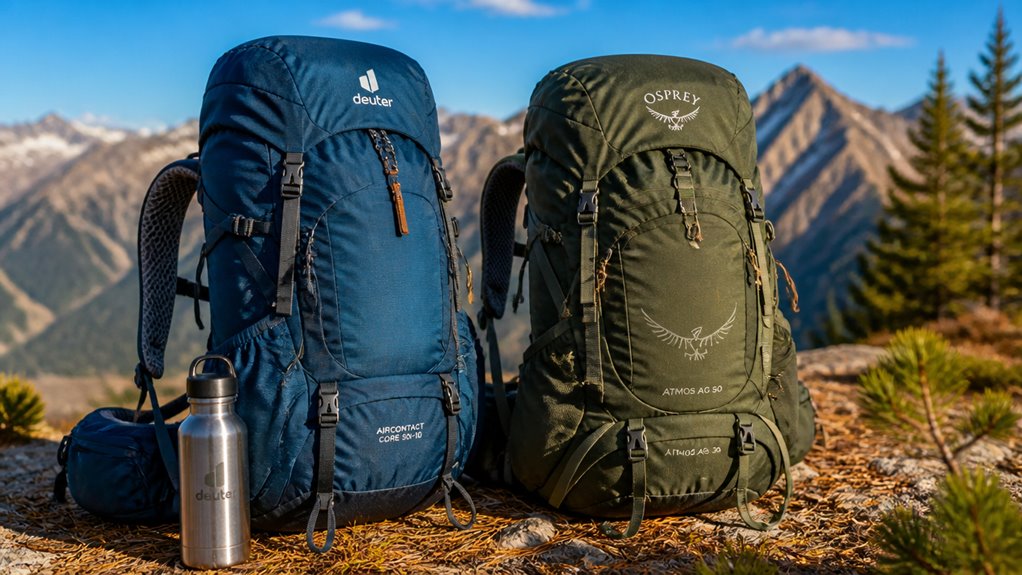
When choosing between Deuter and Osprey, consider your priorities:
Deuter offers feature-rich, durable packs with precise, continuous torso adjustments ideal for heavier loads and all-day comfort.
Osprey excels with lighter, versatile designs that provide multiple size options and efficient weight-to-volume ratios using a ladder-style fit system.
Both brands deliver quality and comfort, but your ideal choice depends on whether you value robust load support or lightweight agility.
Exploring their differences further reveals deeper insights into fit, capacity, and value.

- DESIGNED FOR COMFORT: The Lightweight Speed Lite 21L daypack with V-shape design for a full range of…
- FEATURES: Detachable waist belt, sturdy zipper pulls for easy handling with gloves and large stretch…
- STORAGE: Zippered valuables pockets on top with key clip, two stretch side pockets, stretch mesh…
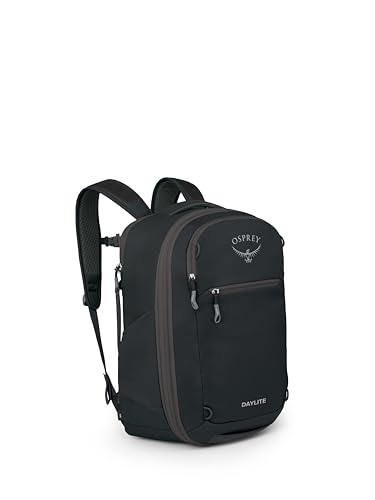
- Lightweight & Durable Travel Bag – Crafted with up-spec’d, lightweight materials that deliver…
- Flexible Capacity – The main compartment expands 2 inches to add 6 liters of storage, letting you…
- Comfortable Carry – Designed with the AirScape backpanel for ventilated, ergonomic support that…

Key Takeaways
- Deuter packs offer more features, larger capacities, and robust load support at higher price points compared to Osprey’s lighter, versatile designs.
- Osprey excels in weight-to-volume ratios with adjustable ladder-type torso systems for quick fit customization, while Deuter uses continuous adjustment for precision.
- Deuter emphasizes thick padding, extra-wide hip belts, and reinforced frames for sustained heavy loads; Osprey focuses on breathable mesh and dynamic suspension.
- Osprey provides multiple size options per model for better fit customization; Deuter typically offers single-size configurations with fine-tuned adjustments.
- Both brands deliver high durability and comfort; choice depends on user preference for weight efficiency versus feature-rich, heavy-duty performance.
Deuter vs Osprey Comparison: Comfort, Load Support, and Backpack Value
| Comparison Point | Deuter Backpacks | Osprey Backpacks | Best Choice |
|---|---|---|---|
| Main Strength | Known for durable, feature-rich packs with strong support | Known for lighter, versatile designs and efficient layouts | Depends on travel style |
| Load Support | Better for heavier loads and long carrying days | Good support, but often built around lighter carry efficiency | Deuter for heavy loads |
| Weight Efficiency | Usually heavier because of padding and structure | Often offers better weight-to-volume ratio | Osprey for lightweight travel |
| Storage Capacity | Often provides larger capacity and more carry options | Offers smart storage with less bulk in many models | Deuter for more space |
| Torso Adjustment | Uses continuous adjustment for precise fit tuning | Uses ladder-style adjustment for quick fit changes | Deuter for fine fit control |
| Size Options | Often uses single-size packs with adjustable fit | Frequently offers multiple size options per model | Osprey for size variety |
| Comfort System | Thick padding, wide hip belts, and reinforced frames | Breathable mesh and dynamic suspension systems | Deuter for cushioning |
| Ventilation | Comfortable but more focused on support | Strong focus on airflow and breathability | Osprey for hot-weather hiking |
| Price and Value | Often costs more due to extra features and durability | Often gives strong value with lighter designs | Osprey for budget efficiency |
| Best Use Case | Long treks, heavy packs, rugged trips, kid carriers | Lightweight hiking, travel, day hikes, versatile use | Match to load and comfort needs |
How To Choose Between Deuter and Osprey Backpacks?
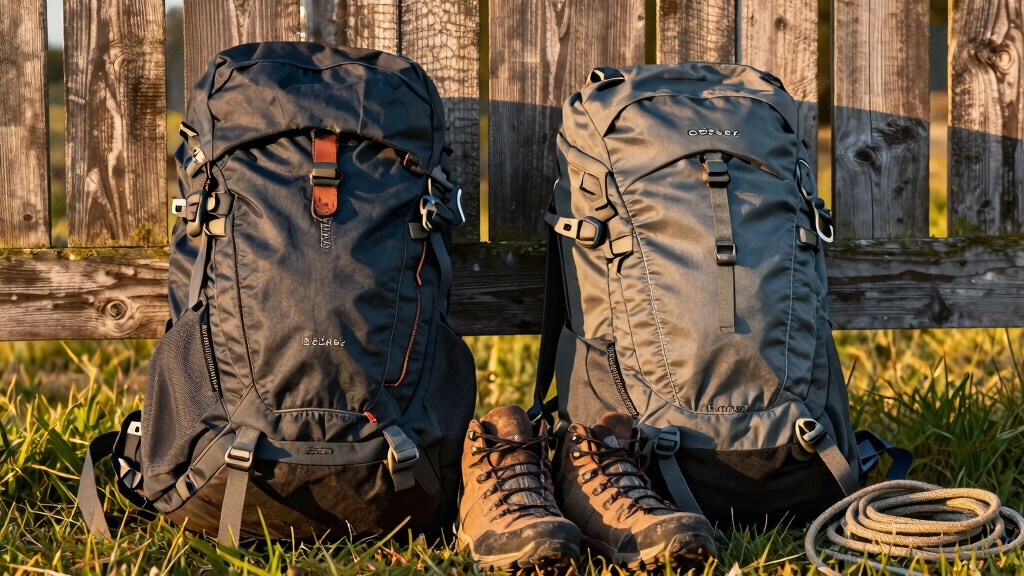
When deciding how to choose between Deuter and Osprey backpacks, you’ll want to weigh factors like storage capacity, weight performance, and specific features.
Deuter generally offers larger capacities, like the Aircontact 75+10’s 85 liters compared to Osprey’s Xenith 75 at 83 liters, along with more carrying options.
However, Osprey often provides better weight-to-volume ratios, exemplified by the Atmos AG LT 65’s 35 liters per kilogram versus Deuter’s 28.
You should also consider load capacities: Deuter handles heavier weights up to 44 pounds, while Osprey supports slightly less.
Feature-wise, Deuter tends to include more storage enhancements, but Osprey’s design adjustments, like adjustable torso lengths, offer excellent comfort.
Additionally, some packs like the REI Trail 40 include internal frame support that enhances load stability and comfort on the trail.
Deuter vs Osprey: Brand Reputation and Market Position
Although both Deuter and Osprey have established themselves as industry giants with globally recognized backpacks, Deuter often positions its products at a higher price point. This reflects its emphasis on enhanced features and carrying options.
When evaluating their market position, consider these points:
Deuter commands premium pricing, highlighting advanced carrying comfort and durability.
Osprey offers competitive pricing with a focus on lightweight designs and adjustable fits.
Both brands maintain strong reputations for quality, making poorly performing models rare.
Osprey tends to provide multiple size options per model, while Deuter often sticks to single-size configurations.
You’ll notice Deuter appeals to users prioritizing feature-rich packs, while Osprey attracts those valuing weight efficiency and versatility.
Both have carved distinct but overlapping market niches.
Additionally, some premium backpacks, like the Black Ember Citadel 25, emphasize modular design and weather resistance, which may influence buyer preferences in the urban commuter segment.
Comparing Storage Capacity and Features in Deuter and Osprey Backpacks
Since storage capacity and features directly impact a backpack’s usability, comparing Deuter and Osprey models reveals distinct strengths.
You’ll find that Deuter’s Aircontact 75+10 offers a generous 85 liters, surpassing Osprey’s Xenith 75 maximum of 83 liters.
Deuter also tends to provide more all-inclusive features and additional storage options, making it ideal if you prioritize organization and capacity.
On the other hand, Osprey excels in volume-to-weight ratio, like the Atmos AG LT 65 delivering 35 liters per kilogram versus Deuter’s 28 liters per kilogram.
This offers a lighter feel without sacrificing space.
Models like Osprey’s Stratos 36 come in multiple sizes but often weigh more than comparable Deuter packs.
Ultimately, Deuter leads in overall storage and features, while Osprey emphasizes efficiency and weight balance.
When selecting between these brands, considering the volume classifications related to your intended use can help ensure the best fit for your activities.
How Deuter and Osprey Compare on Weight and Load Capacity?
Beyond storage capacity and features, understanding how Deuter and Osprey backpacks perform in terms of weight and load capacity helps you select the right pack for your needs.
Deuter packs generally weigh more but offer higher load capacities, while Osprey models tend to be lighter with slightly lower load limits.
For example, the Deuter Aircontact Core 50 + 10 supports 44 lb compared to Osprey’s 40 lb limit but weighs nearly 4.8 lb versus Osprey’s 4.1 lb on the Atmos AG LT 65.
The Deuter Aircontact 75+10 holds 85 liters but weighs 6 lbs 13 oz.
Osprey Xenith 75 ranges from 5.1 to 5.6 lbs with up to 83 liters.
Osprey packs have better weight-to-volume ratios in many models.
Deuter excels in heavier load scenarios with added carrying capacity.
This balance helps you decide based on your prioritization of weight versus load capacity.
Additionally, choosing a backpack with ergonomic fit and weather-resistant materials can greatly enhance comfort and durability during your travels.
Deuter vs Osprey: Which Handles Heavy Loads Better?
When you need a backpack that can handle heavy loads without compromising durability or comfort, Deuter generally outperforms Osprey.
Deuter’s Aircontact Core 50 + 10 supports up to 44 lb (20 kg), surpassing Osprey’s 40 lb (18 kg) limit on comparable models.
Though Deuter packs tend to weigh more, like the 4.762 lb Aircontact Core versus Osprey’s lighter Atmos AG LT at 4.068 lb, they offer superior carrying capacity and robust frame construction.
Osprey’s lighter packs excel in weight-to-volume efficiency but fall short in maximum load capacity.
If you’re prioritizing heavy-load endurance and additional storage, Deuter’s higher weight is a worthwhile trade-off for strength and comfort.
Osprey suits lighter, more agile users, but Deuter remains the better choice when facing sustained heavy loads on demanding treks.
Deuter’s designs often include adjustable suspension systems that enhance load distribution and reduce shoulder and back strain during extended use.
Kid Carrier Comparison: Deuter Kid Comfort vs Osprey Poco
Although both the Deuter Kid Comfort and Osprey Poco can carry toddlers weighing up to approximately 48 pounds, they differ markedly in weight, storage, and comfort features.
The Deuter model weighs just over 7 pounds, while the Osprey Poco tips the scale at 7 lbs 11 oz. Storage capacity also varies, with the Poco offering 20 liters compared to Deuter’s 14 liters.
Comfort-wise, Deuter boasts the largest cockpit, ideal for bigger children, whereas Osprey includes a fully integrated sunshade.
Key distinctions include:
- Deuter Kid Comfort offers foot stirrups; Osprey Poco does not.
- Osprey Poco features a sunshade; Deuter lacks this.
- Deuter’s larger cockpit suits bigger toddlers better.
- Poco provides more storage space for your gear.
Both carriers incorporate ergonomic features to ensure comfort for parents during long outings.
Comfort and Fit: What Makes Deuter and Osprey Different
When you’re trying to decide between Deuter and Osprey, one of the first things you’ll notice is how they handle torso length adjustments. Osprey goes with a ladder-type system, which gives you that classic adjustable feel. On the flip side, Deuter has a continuous design, making it a bit different in terms of fit customization.
Now, when it comes to padding and support, there’s another distinction. Deuter really emphasizes air mesh panels for breathability, while Osprey sticks to more traditional cushioning. It all boils down to what kind of comfort you’re looking for on your adventures.
If you’re considering kid carriers, there are even more unique features to think about. Deuter includes foot stirrups, which can really enhance comfort for your little one. Meanwhile, Osprey comes with an integrated sunshade, perfect for those sunny days out. So, depending on your specific needs, one brand might just stand out more than the other!
Both brands prioritize water resistance and durable materials, ensuring your gear stays protected in diverse conditions.
Torso Length Adjustment
Because proper torso length adjustment directly impacts comfort and fit, understanding how Deuter and Osprey differ in this area is essential.
When you adjust the torso length, you tailor the pack to your body, enhancing weight distribution and reducing fatigue.
Deuter employs a continuous adjustment system, allowing for fine-tuning across a broad range.
Osprey, on the other hand, uses a ladder-type system with preset increments, making it quicker but less flexible.
Here’s what you need to know:
- Deuter’s continuous system offers precise customization for varied torso lengths.
- Osprey’s ladder system enables fast adjustment but with fixed steps.
- Deuter often provides single-size packs with adjustable torso length.
- Osprey frequently offers multiple size options alongside adjustable torsos.
This difference may influence your choice depending on your fit preferences.
Additionally, many of these backpacks incorporate ergonomic padded shoulder straps and breathable back panels to enhance all-day comfort during commutes or hikes.
Padding and Support
Since comfort and fit depend heavily on padding and support, understanding how Deuter and Osprey differ in these areas can help you choose the right pack.
Deuter emphasizes thicker padding on shoulder straps and hip belts, aiming for cushioned support during heavy loads. Osprey focuses on innovative mesh ventilation combined with ergonomic padding, balancing comfort and breathability.
Both brands use durable foam, but Osprey’s Anti-Gravity suspension system offers enhanced load distribution.
| Feature | Deuter | Osprey |
|---|---|---|
| Shoulder Padding | Thick, dense foam | Ergonomic, ventilated mesh foam |
| Hip Belt Support | Extra-wide, heavily padded | Contoured with mesh inserts |
| Back Panel | Air mesh with firm padding | Anti-Gravity suspended mesh panel |
| Load Distribution | Reinforced frame | Dynamic suspension system |
| Comfort Focus | Cushioning for heavy loads | Breathability and flexibility |
This detailed support difference impacts how the pack feels throughout your adventure. Additionally, the use of mesh and spacer materials in back panels and shoulder straps enhances airflow to reduce sweat buildup and improve comfort.
Kid Carrier Comfort
Evaluating kid carrier comfort means focusing on how Deuter and Osprey tailor their designs to support both the child and the wearer during extended use.
Deuter’s Kid Comfort offers a larger cockpit and foot stirrups, enhancing child comfort.
Osprey’s Poco features an integrated sunshade and a lower stash pocket accessible to you without assistance.
Both models carry similar weights, but Osprey’s Poco is slightly heavier with more storage capacity.
When it comes to fit, Deuter uses a continuous torso adjustment system, contrasting with Osprey’s ladder-type design.
Consider these key comfort differences:
- Deuter’s larger cockpit vs. Osprey’s integrated sunshade
- Foot stirrups in Deuter, absent in Osprey
- Adjustable torso systems: continuous (Deuter) vs. ladder (Osprey)
- Weight difference: Deuter lighter, Osprey offers more storage
Additionally, the use of adjustable straps and multiple carrying options can significantly improve comfort and versatility during long outings.
Torso Length Adjustments: Impact on Fit and Comfort
When you adjust torso length, you directly influence how well a backpack fits your body. This, in turn, affects your comfort during extended use.
Deuter uses a continuous adjustment system, allowing fine-tuned fit. Osprey employs a ladder-type system for quick, stepped changes. Both offer models that accommodate various torso sizes but differ in precision and ease of adjustment.
| Feature | Deuter | Osprey |
|---|---|---|
| Adjustment Type | Continuous | Ladder-type |
| Fit Precision | High (micro adjustments) | Moderate (step adjustments) |
| Ease of Adjustment | Requires more time | Quick and user-friendly |
| Comfort Impact | Customized fit reduces pressure | Good fit but less tailored |
Choosing between them depends on how much you value fine fit versus convenience.
Price and Value Comparison of Deuter and Osprey Backpacks
Although both Deuter and Osprey produce high-quality backpacks, you’ll generally find Deuter’s models priced higher than comparable Osprey packs. This difference reflects Deuter’s focus on additional features, larger storage capacity, and enhanced carrying options.
Osprey, on the other hand, often emphasizes lighter weight and adjustable sizing, providing excellent value for the price. When weighing options, consider these factors:
Deuter offers larger capacities and more robust load support but at a premium price. Osprey provides superior weight-to-volume ratios, often making packs lighter for comparable volume.
Deuter backpacks tend to come in single-size options, while Osprey offers multiple sizes for better fit customization. Both brands maintain high durability and comfort, making value a question of specific needs rather than absolute cost.
Frequently Asked Questions
Are Deuter and Osprey Backpacks Covered by Similar Warranty Policies?
Yes, both Deuter and Osprey back their backpacks with strong warranties, typically covering defects in materials and workmanship.
Osprey offers a lifetime warranty that repairs or replaces damaged gear, while Deuter provides a similar guarantee, focusing on durability and customer satisfaction.
Though specifics vary, both brands show confidence in their products. You can trust either to protect your investment against manufacturing flaws effectively.
Which Brand Offers Better Customer Service and Support?
Imagine dialing a rotary phone to reach customer service. These days, you want quick, reliable support.
Osprey generally earns praise for responsive, friendly customer service with easy warranty claims and direct communication channels.
Deuter also offers solid support but can be slower due to its European base.
If you prioritize fast, hassle-free assistance, Osprey might edge out Deuter.
Both brands maintain reputable, customer-focused policies overall.
Do Either Deuter or Osprey Backpacks Use Eco-Friendly or Recycled Materials?
Yes, both Deuter and Osprey incorporate eco-friendly materials in their backpacks.
You’ll find that Deuter uses recycled fabrics and PFC-free coatings in many models, emphasizing sustainability in production.
Osprey also commits to using recycled nylon and bluesign®-approved materials to reduce environmental impact.
While both brands prioritize eco-conscious manufacturing, you might notice Deuter’s stronger focus on sustainable treatments.
Osprey balances performance with eco-friendly innovations.
How Do Deuter and Osprey Backpacks Perform in Extreme Weather Conditions?
When the storm rages and the wind howls, you’ll find both backpacks standing strong, but with subtle differences.
Osprey’s materials often feature durable, water-resistant fabrics that shield well against rain.
Deuter counters with robust weatherproof coatings and reinforced seams, excelling in heavy downpours.
You’ll appreciate Osprey’s lighter weight in cold, harsh climates, while Deuter offers superior insulation and protection in wet, extreme conditions.
Both perform admirably but cater to slightly different needs.
Are Repair Services Easily Available for Both Deuter and Osprey Backpacks?
Yes, you’ll find repair services readily available for both Deuter and Osprey backpacks.
Osprey offers a robust, lifetime warranty and repairs many issues directly, ensuring quick turnaround.
Deuter also supports repairs but often relies on authorized service centers, which might take longer.
While both brands prioritize durability, Osprey’s service tends to be more user-friendly and accessible.
This makes it easier for you to keep your gear in top shape.
Final Verdict on Deuter Vs Osprey
Choosing between Deuter and Osprey is like picking the perfect trail companion. Both offer sturdy support and thoughtful design.
Deuter’s classic reliability and ergonomic fit contrast with Osprey’s innovative features and adjustable versatility. Whether you’re hauling heavy loads or trekking with kids, your choice shapes your journey’s comfort and ease.
Ultimately, your backpack should fit like a second skin. It should balance weight, storage, and price to carry you smoothly through every adventure.
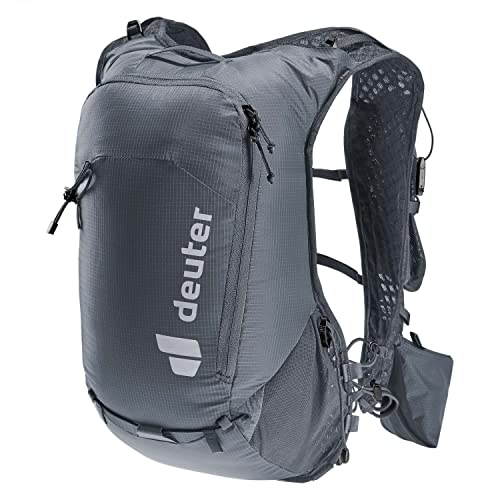
- USE CASE: The Deuter Ascender 7L backpack series was created for backpackers looking for an ultra…
- DESIGNED FOR COMFORT: Ergonomic vest-style shoulder straps with bungee cord adjustability for a snug…
- FEATURES: Two soft flasks included. Two soft chest pouches, two stretch side pockets, zippered…

- Expand your luggage for day trips at your destination, or have an extra travel bag for souvenirs on…
- Crafted of bluesign APPROVED main body fabric, GRS-certified 100% recycled, 40D high-tenacity nylon…
- Dual stretch exterior side pockets and internal key clip. All Osprey accessories have been…
Last update on 2026-10-13 / Affiliate links / Images from Amazon Product Advertising API