
Wayb Pico vs Ride Safer: Which Should You Buy?

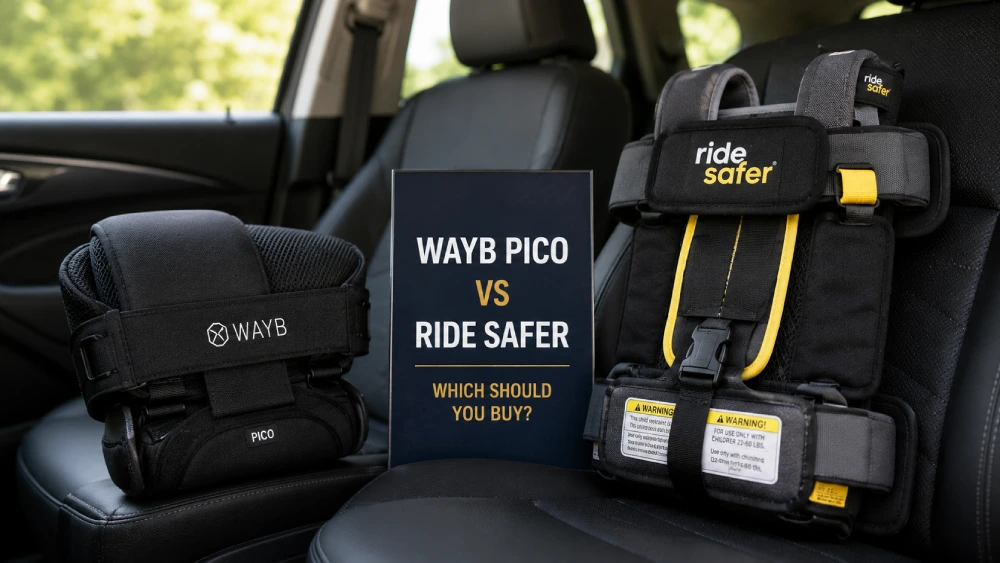
If you want a versatile, FAA-approved car seat with a secure five-point harness for toddlers 22–50 pounds, the WayB Pico is a solid choice, especially for airplane travel and durability.
The RideSafer vest suits older, more mature kids needing a lightweight, portable booster alternative for ground travel only.
Your decision hinges on child size, travel style, and certification needs. Exploring these factors closely will help you make the best safety investment.

- To keep little ones safe, returned car seats with open boxes must be destroyed (per industry…
- ANYWHERE YOU GO: Pico travel car seat is ideal for kids ages 2+ and within the range of…
- DESIGNED FOR SAFETY: Pico meets all U.S. safety standards regulated by the National Highway Traffic…
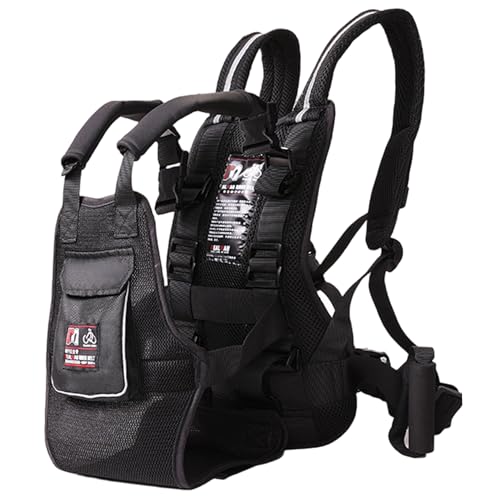
- Ride Safer Travel Vest includes a convenient pocket and grab handle, making it easy to carry young…
- Ride Safer Travel Vest uses waist straps connected under young riders’ arms and double buckles for…
- The sturdy construction of Kids Motorcycle Harness ensures reliable support during motorcycle or…
Key Takeaways
- WayB Pico features a five-point harness with FAA airplane approval; RideSafer vest lacks airplane certification and uses seatbelt routing only.
- WayB Pico supports children 22–50 lbs and 30–45 inches tall; RideSafer vest targets older, more mature kids generally aged 4 and up.
- WayB Pico weighs about 8 lbs, folds compactly, and can include a travel backpack; RideSafer vest is lightweight (1.2 lbs) and highly portable.
- WayB Pico offers robust aluminum alloy durability and narrow 14.5-inch width for three-across seating; RideSafer vest is textile-based for minimal bulk.
- RideSafer vest is more affordable and simple, ideal for quick use in cars; WayB Pico costs more but provides enhanced safety features and certifications.
Wayb Pico vs Ride Safer Comparison: Safety, Travel, and Portability
| Comparison Point | WayB Pico | RideSafer Vest | Best Choice |
|---|---|---|---|
| Main Design | Compact travel car seat with a five-point harness | Wearable child restraint vest using seatbelt routing | WayB Pico for traditional restraint |
| Safety System | Uses a built-in five-point harness for secure restraint | Relies on proper vehicle seatbelt positioning | WayB Pico for younger children |
| Airplane Use | Has FAA approval for airplane travel | Not certified for airplane use | WayB Pico for flights |
| Car Travel | Works in rental cars, rideshares, and family vehicles | Works well for taxis, rideshares, and short car trips | Both for car travel |
| Child Fit | Supports children around 22–50 lbs and 30–45 inches | Better for older, mature children who sit correctly | Depends on child size |
| Age Suitability | Better for toddlers and younger kids needing more restraint | Better for older kids with seatbelt discipline | WayB Pico for toddlers |
| Portability | Foldable but heavier at around 8 lbs | Very light at around 1.2 lbs | RideSafer for light packing |
| Installation | Quick setup with click, push, and pull steps | No car seat install, but needs correct belt routing | RideSafer for fast use |
| Durability | Stronger build with aluminum alloy framing | Textile-based design with minimal bulk | WayB Pico for sturdiness |
| Price Value | Higher cost due to structure and certifications | More affordable for ground travel use | RideSafer for budget value |
| Best Use Case | Flights, longer trips, toddlers, and harness security | Short rides, taxis, older kids, and lightweight travel | Match to travel style |
Safety Standards: Comparing WayB Pico and RideSafer Vest
While both the WayB Pico and RideSafer vest serve to enhance child passenger safety, they differ markedly in their adherence to safety standards.
Both the WayB Pico and RideSafer vest improve child safety but vary significantly in safety standard compliance.
The WayB Pico meets stringent federal regulations, including FMVSS 213 and FMVSS 302, aligning with traditional car seat safety requirements. It also earns FAA approval for airplane use.
This compliance ensures the Pico provides a five-point harness restraint system, offering superior security for forward-facing children.
In contrast, the RideSafer vest operates as a booster alternative without a five-point harness and lacks airplane certification. This limits its use to ground vehicle travel only.
The Pico undergoes thorough federal testing, guaranteeing consistent protection. Meanwhile, the RideSafer vest emphasizes convenience over formal certification, impacting its safety profile and application scenarios.
Additionally, selecting products that meet recognized ergonomic safety standards can further reduce discomfort and enhance protection during travel.
Weight and Size Limits for the WayB Pico and RideSafer Vest
Because children’s safety depends heavily on proper fit, understanding the weight and size limits of the WayB Pico and RideSafer vest is essential.
The WayB Pico supports children weighing 22 to 50 pounds and measuring 30 to 45 inches tall, ensuring a secure fit through its fixed five-point harness.
You shouldn’t use it for kids under 22 pounds or shorter than 30 inches.
In contrast, the RideSafer vest targets slightly older children, typically ages 2 to 6, focusing on maturity to sit properly rather than strict weight or height limits.
It weighs only about 1.2 pounds, much lighter than the Pico’s 8 pounds, enhancing portability but relying on correct seatbelt use.
Understanding these parameters helps you select the appropriate restraint for your child’s size and developmental readiness.
For parents managing outings, choosing gear that balances comfort and mobility is crucial for both child safety and ease of use.
Age and Development Suitability for Each Product
The WayB Pico is a great option for little ones starting at age 2. It comes with a secure five-point harness, which is perfect for toddlers who are still learning how to stay put.
On the other hand, the RideSafer vest is better suited for older kids, typically around 4 or 5 years old. By this age, they should be able to sit independently and manage their seatbelt positioning on their own.
When you’re looking at these age recommendations, keep in mind your child’s developmental readiness, too. This will really help you find the best fit for their specific needs!
For added peace of mind during travel, consider features like cut-resistant materials that enhance overall safety.
Age Recommendations Comparison
Although both the WayB Pico and RideSafer Travel Vest cater to young children, their age recommendations and developmental requirements differ markedly.
The Pico suits children starting at age 2, extending to about 4–6 years, aligning with its weight and height limits.
It uses a secure five-point harness, supporting toddlers who may lack the discipline for simpler restraint systems.
In contrast, the RideSafer vest generally targets children aged 4 or 5 and above, contingent on maturity and ability to sit independently and manage seatbelt positioning.
This vest functions more as a booster alternative, requiring responsible behavior.
Consequently, when choosing, consider not only chronological age but also your child’s physical size and readiness to comply with safety protocols.
These factors directly impact proper and safe use.
Choosing the right product also involves understanding the importance of secure mounting to ensure optimal safety and function.
Developmental Readiness Factors
When evaluating developmental readiness for the WayB Pico and RideSafer Travel Vest, you must consider both age and behavioral maturity alongside physical size.
The WayB Pico suits children from about 2 years old who meet minimum weight (22 lbs) and height (30 inches). It offers a five-point harness that secures toddlers who may lack consistent seatbelt discipline.
In contrast, the RideSafer vest targets older, more behaviorally mature children, typically ages 4 to 6. These children can sit independently and manage seatbelt placement without assistance.
The vest’s design assumes a certain level of self-regulation, making it unsuitable for younger or less mature users.
While both products accommodate forward-facing travel, the Pico’s harness system better supports the developmental needs of younger children needing enhanced restraint and supervision.
When traveling with either product, parents should also consider airline policies regarding travel gear to ensure a smooth and stress-free experience.
Installing and Using the WayB Pico and RideSafer Vest
Regarding installation and use, the WayB Pico offers a straightforward setup with a simple click, push, and pull mechanism that takes under a minute. This makes it convenient for quick changes.
The RideSafer vest uses a seatbelt routing method without the need for complex installation, relying on correct placement by the user. You’ll appreciate the Pico’s five-point harness for secure restraint. The RideSafer vest suits children who can sit independently and manage the seatbelt.
When traveling internationally with children, it is important to consider safety regulations to ensure compliance and smooth security checks.
| Feature | WayB Pico | RideSafer Vest |
|---|---|---|
| Installation Time | <1 minute | No installation, seatbelt routing |
| Harness System | Five-point harness | Seatbelt-only restraint |
| Use Scenario | Cars and airplanes | Cars only |
| Adjustment | Fixed harness height (~16″) | Adjustable seatbelt path |
| User Requirements | Child size and weight specific | Child maturity for seatbelt use |
Portability and Travel Compatibility of Both Products
When it comes to portability, the RideSafer vest really shines. It weighs in at just 1.2 pounds, making it super easy to toss into any travel bag. You won’t even notice it’s there!
On the other hand, the WayB Pico comes in at 8 pounds, which is a bit heftier. However, it does have the advantage of being compact and foldable. Plus, there are optional travel backpacks that make it easier to carry around.
For travelers, choosing lightweight and compact gear helps stay within typical carry-on weight limits and ensures hassle-free transport.
Compactness and Weight
Although both the WayB Pico and RideSafer Travel Vest prioritize portability, they approach compactness and weight very differently to suit distinct travel needs.
You’ll notice the Pico weighs 8 lbs and folds down to roughly 10 by 17 inches, making it compact yet heavier. In contrast, the RideSafer vest weighs just 1.2 lbs and is highly compressible, ideal for lightweight carry-on transport.
The Pico’s aluminum frame adds durability but increases weight, suitable for longer travels where sturdiness matters.
The RideSafer vest’s textile construction minimizes bulk, favoring short trips or taxi rides.
The Pico’s narrower 14.5-inch width supports three-across seating, while the vest’s slim profile offers unmatched portability.
You’ll want to choose based on your travel style: robust compactness or ultra-lightweight convenience.
For travelers seeking a balance of capacity and durability, the YETI 27L backpack provides weather-resistant build and structured organization that complements both daily and travel use.
Travel Convenience Options
Beyond their size and weight differences, the WayB Pico and RideSafer vest offer distinct travel convenience features that cater to varying mobility needs.
The Pico’s compact, foldable design collapses to about 10 inches front-to-back and under 17 inches top-to-bottom. It also offers optional travel backpacks with suitcase handle sleeves, enhancing portability for frequent travelers.
Additionally, it holds FAA approval, allowing you to use it on airplanes. In contrast, the RideSafer vest weighs just 1.2 lbs and easily fits into carry-on luggage, making it ideal for short taxi or rideshare trips.
However, it lacks airplane certification, limiting air travel use. You’ll find the Pico better suited for multi-modal travel, while the RideSafer excels in lightweight, quick-use scenarios where minimal bulk is essential.
When traveling with such items, it’s important to consider airline size and weight restrictions to avoid extra fees or complications at check-in.
Price Comparison: WayB Pico vs RideSafer Vest
When comparing the price points of the WayB Pico and the RideSafer Travel Vest, you’ll find a significant difference driven by their design and features. The WayB Pico typically ranges from $330 to $499, reflecting its aluminum alloy frame, mesh fabric, and FAA certification.
In contrast, the RideSafer vest is more affordable, sold as a standalone unit without costly accessory requirements.
Consider these key price-related factors:
- The Pico’s additional accessories, like a travel backpack, can add $50 to $99.
- RideSafer’s textile construction keeps costs low and eliminates extra accessory needs.
- The Pico’s premium materials and multi-use certification justify its higher price point.
Additionally, choosing products with aluminum-magnesium alloy reinforcements can enhance durability without greatly increasing weight.
You’ll need to weigh budget against the enhanced features and certifications each product offers.
Travel Versatility: Car and Airplane Use Explained
For travelers balancing car rides and flights, the WayB Pico offers notable versatility by meeting both FMVSS safety standards and FAA approval for airplane use.
WayB Pico combines FMVSS safety and FAA approval for seamless use in cars and airplanes.
This means you can rely on the Pico’s five-point harness system whether you’re driving or flying, ensuring consistent safety without swapping gear.
In contrast, the RideSafer vest functions as a booster alternative without FAA certification, limiting its use to car travel only.
The Pico’s compact, foldable design and optional travel backpack add convenience for air travel, while its certification confirms compliance with federal regulations across modes.
If you need a restraint system that adapts seamlessly between vehicle and cabin environments, the Pico meets those demands efficiently.
The RideSafer vest, though lightweight and portable, lacks this multi-modal certification.
Choosing Between WayB Pico and RideSafer Vest: Which Is Best for You?
How do you determine which child restraint system suits your family’s needs best?
Start by evaluating your child’s age and size: the WayB Pico fits children 22–50 lbs and 30–45 inches tall, while the RideSafer vest suits older, more mature kids who can sit properly and handle seatbelts.
Next, consider travel versatility. If you require FAA approval and airplane use, the Pico is the clear choice.
Finally, evaluate portability and installation. The RideSafer vest is lightweight and simple, ideal for short trips, whereas the Pico offers quick assembly and enhanced safety with a five-point harness.
Frequently Asked Questions
How Do Cleaning and Maintenance Compare for the Pico and Ridesafer Vest?
You’ll find the RideSafer vest easier to clean and maintain since it’s mostly textile and lightweight, allowing quick spot cleaning or machine washing per instructions.
The WayB Pico, with its aluminum alloy frame and mesh fabric, requires more careful cleaning, removing covers for hand washing and wiping down the frame to avoid damage.
Maintenance for the Pico demands attention to mechanical parts, while the vest’s simpler design means less upkeep overall.
Are There Color or Design Options Available for Either Product?
Color choices create charm: the WayB Pico offers several sleek, stylish shades and designs, letting you select a look that suits your style.
In contrast, the RideSafer Travel Vest has fewer color and design options, focusing mainly on functional simplicity over flair.
If personalization and aesthetics matter to you, the Pico’s broader palette provides more appeal.
The RideSafer vest prioritizes utility with limited visual variety.
Can the Wayb Pico Be Used With Airplane Seatbelt Extenders?
You can use the WayB Pico with airplane seatbelt extenders, but you need to make sure compatibility and follow FAA guidelines.
The Pico is FAA-approved for airplane use, which means it meets safety standards for air travel.
However, always check the airline’s specific policies on seatbelt extenders and confirm the extender fits securely with the Pico’s five-point harness.
Using an approved extender makes certain your child remains safely restrained during the flight.
What Is the Warranty Coverage for Each Product?
When you invest in safety, you want reassurance that stands like a fortress. The WayB Pico offers a limited warranty typically covering defects in materials and workmanship for about one year from purchase.
RideSafer’s warranty details are less publicly specified, often varying by seller, but generally include a similar limited coverage period. You should verify your product’s exact warranty terms upon purchase for clear protection against manufacturing flaws.
How Do Customer Service and Support Compare Between the Brands?
You can expect WayB to offer responsive customer service with detailed product support, including guidance on installation and travel use. This is backed by a well-established brand reputation.
RideSafer provides helpful support focusing on proper vest use and fit but has a smaller support infrastructure.
If you value extensive resources and quick responses, WayB might serve you better. RideSafer’s support is more basic but still attentive to user needs.
Final Verdict on Wayb Pico Vs Ride Safer
When deciding between the WayB Pico and RideSafer vest, your choice hinges on specific needs. Safety standards, size limits, and travel convenience all play essential roles.
Each offers distinct advantages, but which one truly fits your lifestyle and child’s development? Before you commit, consider how portability, installation ease, and price impact your daily routine.
The best option isn’t always obvious. Your perfect match might surprise you once you weigh every detail carefully.
- To keep little ones safe, returned car seats with open boxes must be destroyed (per industry…
- ANYWHERE YOU GO: Pico travel car seat is ideal for kids ages 2+ and within the range of…
- DESIGNED FOR SAFETY: Pico meets all U.S. safety standards regulated by the National Highway Traffic…
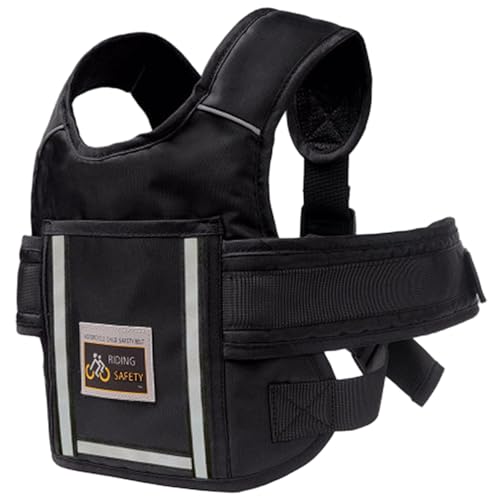
- Safety First: Designed with a breathable, adjustable anti-drop system, this kids’ motorcycle harness…
- Versatile Design: Suitable for various activities like bike rides or electrocar travel, this harness…
- Comfortable Fit: Crafted with breathable materials, this harness keeps your child comfortable even…
Last update on 2026-10-14 / Affiliate links / Images from Amazon Product Advertising API