
19IN vs 20IN Wheels: Which Is Better?

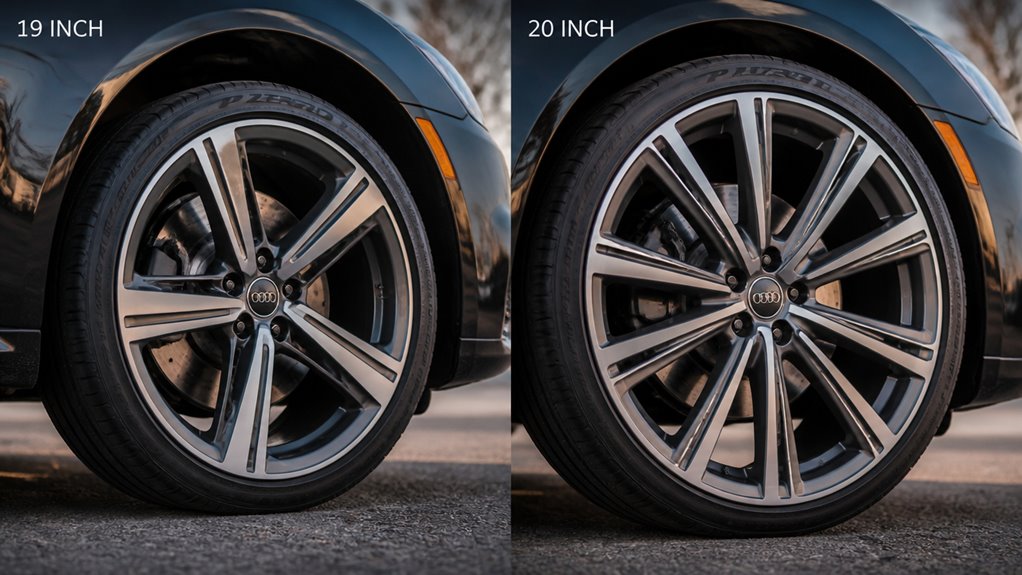
Choosing between 19-inch and 20-inch wheels comes down to your priorities.
19-inch wheels offer taller sidewalls that improve ride comfort, durability, and cost-efficiency.
They are great for rough roads and daily use.
Meanwhile, 20-inch wheels deliver sharper handling, a sportier look, and enhanced steering precision.
However, they sacrifice cushioning and can increase wear and expenses.
Balancing comfort with performance depends on your driving style and needs.
Understanding these trade-offs can help refine your ideal choice.
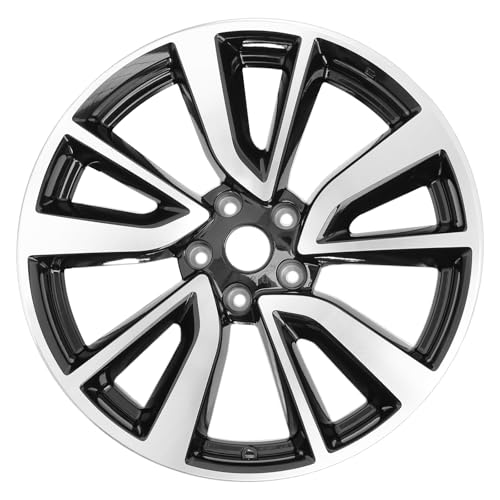
- Fit: This 19×7 premium aluminum alloy wheel rims will fit for 2017 2018 2019 2020 Nissan Rogue…
- Compatible with OEM equipment: Our rims compatible with all factory equipment including lug nuts…
- Engineered to factory specifications, this wheel is easy to install, and we guarantee a direct fit…
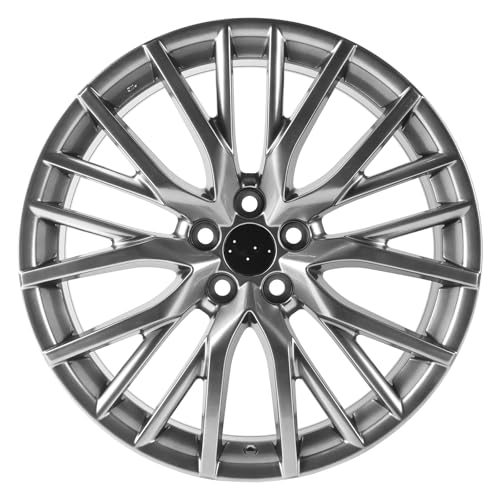
- Fitment: 20” Alloy wheel rims fit for 2016 2017 2018 2019 2020 2021 2022 Lexus RX350 RX450. Not a…
- Compatible with OEM equipment: Our rims compatible with all factory equipment including lug nuts…
- Pictures are meant to show the general style of the wheel. Engineered to factory specifications…
Key Takeaways
- 19-inch wheels offer taller sidewalls, improving ride comfort and better absorbing road imperfections than 20-inch wheels.
- 20-inch wheels provide sharper steering response and enhanced cornering precision for sportier handling.
- 19-inch wheels are generally more durable, affordable, and have broader tire availability compared to costlier, more fragile 20-inch tires.
- 19-inch wheels usually yield slightly better fuel efficiency and lower rolling resistance than heavier 20-inch setups.
- 20-inch wheels deliver a more aggressive, premium appearance, while 19-inch wheels suit practical daily driving needs.
19IN vs 20IN Wheels Comparison: Comfort, Handling, Cost, and Style
| Comparison Point | 19IN Wheels | 20IN Wheels | Best Choice |
|---|---|---|---|
| Main Advantage | Better ride comfort and everyday practicality | Sharper handling and a more sporty appearance | Depends on driving priority |
| Sidewall Height | Taller sidewalls for better cushioning | Shorter sidewalls for a firmer feel | 19IN for comfort |
| Ride Quality | Smoother over potholes and rough roads | More road feedback and cabin vibration | 19IN for daily driving |
| Handling Response | Stable but slightly softer steering feel | Sharper steering response and cornering precision | 20IN for performance |
| Durability | Better protection against curb and pothole damage | More vulnerable due to lower-profile tires | 19IN for durability |
| Fuel Economy | Usually lighter with lower rolling resistance | Can slightly increase consumption due to added weight | 19IN for efficiency |
| Tire Cost | Often more affordable with broader options | Usually more expensive to replace | 19IN for lower cost |
| Tire Availability | Wider tire selection for daily use | More limited and often performance-focused | 19IN for flexibility |
| Visual Appeal | Balanced, practical, understated look | Aggressive, premium, sportier look | 20IN for style |
| Best Overall Use | Comfort, rough roads, lower maintenance, daily use | Sporty handling, visual impact, performance feel | Match to comfort vs performance |
Choosing Between 19-Inch and 20-Inch Wheels
When deciding between 19-inch and 20-inch wheels, what factors should you prioritize?
You’ll want to take into account ride comfort, handling, fuel economy, cost, and tire availability.
Nineteen-inch wheels typically offer a smoother ride, thanks to taller tire sidewalls that absorb road imperfections better.
Nineteen-inch wheels deliver a smoother ride with taller sidewalls that better absorb bumps and road imperfections.
In contrast, 20-inch wheels provide sharper steering response and a sportier feel due to stiffer sidewalls that reduce tire flex.
You should also weigh the slight fuel efficiency advantage of 19-inch wheels, which are generally lighter with lower rolling resistance.
Cost-wise, 19-inch wheels and tires tend to be more affordable and durable.
20-inch setups often carry higher prices and increased vulnerability to damage.
Finally, tire availability is broader for 19-inch wheels, offering more options for everyday use.
For rough surfaces like cobblestones, choosing wheels with larger diameters helps handle bumps and uneven terrain more effectively.
How Tire Sidewall Height Affects Durability and Comfort?
Although wheel size influences many aspects of your ride, tire sidewall height plays a pivotal role in both durability and comfort.
Taller sidewalls on 19-inch wheels better absorb impacts, reducing tire damage and enhancing ride cushioning. In contrast, 20-inch wheels have shorter sidewalls, which provide less protection against potholes and curb damage, potentially decreasing tire lifespan.
| Sidewall Height | Durability | Comfort |
|---|---|---|
| Taller (19-inch) | Higher resistance to damage | Better shock absorption |
| Shorter (20-inch) | More vulnerable to impacts | Firmer, less cushioning |
| Impact on Wear | Slower tire wear | Smoother ride quality |
| Road Protection | Enhanced sidewall protection | Reduced harshness on bumps |
| Maintenance | Lower repair/replacement cost | Potential increase in repairs |
Choosing the right sidewall height balances durability and comfort effectively. The choice of wheel design, such as double-wheel stability, can also influence how the ride handles impacts and rough surfaces.
Comparing Ride Comfort: 19-Inch vs 20-Inch Wheels
When you’re looking at 19-inch versus 20-inch wheels, one of the big factors to consider is sidewall height. It really affects ride comfort because it determines how well your tires can soak up those bumps in the road.
With 19-inch wheels, you typically have taller sidewalls. This means they can cushion those road imperfections a bit better, especially if you’re driving over rough surfaces.
You might find that ride to be a lot smoother.
On the flip side, 20-inch wheels usually come with lower-profile tires. This design can make the ride feel a bit firmer since they tend to transmit more of the road impact.
Choosing the right wheel size also depends on surface compatibility, as different wheels perform better on varying terrains.
Sidewall Height Impact
Because tire sidewall height plays a critical role in ride comfort, choosing between 19-inch and 20-inch wheels directly affects how your vehicle absorbs road imperfections.
With 19-inch wheels, you get taller sidewalls that provide better cushioning by flexing over bumps, which smooths out your ride.
On the other hand, 20-inch wheels require shorter sidewalls to maintain the same overall diameter, reducing this cushioning effect.
That means you’ll feel more road texture and impacts with 20-inch wheels, especially on rough surfaces.
While shorter sidewalls enhance handling precision, they compromise comfort by transmitting more vibrations to the cabin.
Taking preventive measures such as avoiding rough handling can help protect your wheels and maintain ride quality over time.
Bump Absorption Differences
Absorbing bumps effectively depends largely on the wheel size and tire sidewall height you choose.
With 19-inch wheels, the taller sidewalls flex more, cushioning impacts better and providing a smoother ride.
On the other hand, 20-inch wheels have lower-profile tires that flex less, transmitting more road shock to you, especially on rough surfaces.
This firmer feel can make daily driving less comfortable if your roads aren’t perfectly smooth.
The choice between wheel sizes, much like selecting between different materials, involves balancing flexibility and durability to match your specific needs.
| Aspect | 19-Inch Wheels | 20-Inch Wheels |
|---|---|---|
| Sidewall Height | Taller, better shock absorption | Shorter, less cushioning |
| Ride Comfort | Smoother, ideal for potholes | Firmer, transmits more impact |
| Best Use | Daily commuting, comfort | Sporty driving, sharper feel |
Choose based on your comfort needs and road conditions.
Road Surface Effects
Although both 19-inch and 20-inch wheels can handle well on smooth roads, their ride comfort diverges markedly as road surfaces worsen.
You’ll find 19-inch wheels generally offer a smoother ride because their taller tire sidewalls absorb bumps more effectively.
In contrast, 20-inch wheels with lower-profile tires transmit road imperfections more directly, resulting in a firmer, harsher feel.
If you often encounter potholes or rough pavement, 19-inch setups tend to reduce driver fatigue and vehicle wear.
However, if you prioritize sharper steering response over cushioning, 20-inch wheels may suit you better despite the trade-off in comfort.
Ultimately, road surface quality influences how noticeable these differences become.
19-inch wheels provide a clearer advantage on uneven or damaged roads.
Backpack size classifications based on volume in liters help illustrate how variations in size impact comfort and usage, similar to how wheel sizes affect ride quality.
Handling and Steering Response: 19-Inch vs 20-Inch Wheels
When you prioritize sharper steering and a sportier driving feel, 20-inch wheels often deliver a more immediate response. Their stiffer sidewalls reduce tire flex during cornering, resulting in improved cornering precision and a more direct connection to the road. This is something performance-oriented drivers appreciate.
On the other hand, 19-inch wheels still provide competent handling but with a slightly softer steering response. Their taller sidewalls allow more flex, which can dampen sharp feedback but contribute to balanced handling and comfort.
If your focus lies in responsive, precise steering for spirited driving, 20-inch wheels offer a clear advantage. However, if you prefer a blend of handling capability and ride comfort, 19-inch wheels remain a practical and effective choice. Additionally, the choice of wheel size can influence the overall impact resistance and durability of your vehicle’s tires and rims, factors important in various driving conditions.
How Wheel Size Impacts Fuel Economy and Range?
Choosing between 19-inch and 20-inch wheels can subtly influence your vehicle’s fuel economy and driving range.
Typically, 19-inch wheels are lighter and have tires with higher sidewalls, which reduce rolling resistance and improve efficiency.
19-inch wheels are usually lighter with taller tire sidewalls, helping lower rolling resistance and boost efficiency.
In contrast, 20-inch wheels often add weight and use lower-profile tires that can increase rolling resistance, slightly reducing fuel economy.
Real-world tests, such as with the Tesla Model Y, show efficiency differences under 1%.
However, some sources indicate 20-inch wheels can raise consumption by 3–7% depending on driving conditions.
The impact varies based on vehicle type, tire model, speed, and road quality.
While 19-inch wheels generally offer modest gains in range and fuel savings, the difference might be minimal in everyday use.
For travelers and commuters alike, reliable mobility systems can help ensure smooth and efficient performance under varied conditions.
Cost and Maintenance: 19-Inch vs 20-Inch Wheels
Cost plays a significant role in deciding between 19-inch and 20-inch wheels, especially over the lifespan of your vehicle.
You’ll find 19-inch wheels generally cost less upfront and come with more affordable tire options. In contrast, 20-inch tires tend to be 30–50% more expensive, increasing your replacement expenses.
Maintenance also differs. 20-inch wheels often have lower-profile tires, making them more susceptible to curb and pothole damage.
This vulnerability can lead to more frequent repairs or replacements. Additionally, the shorter sidewalls on 20-inch tires may wear faster under harsh conditions, further driving up costs.
If you want to minimize long-term maintenance and budget impact, 19-inch wheels usually offer better value without compromising essential performance or safety.
Choosing materials with appropriate denier values can similarly affect durability and maintenance costs in vehicle components, highlighting the importance of material selection in cost management.
Tire Availability and Variety for 19-Inch and 20-Inch Wheels
A wider range of tire options typically exists for 19-inch wheels compared to 20-inch ones. This gives you more flexibility in selecting tires that balance performance, comfort, and price.
You’ll find 19-inch tires with taller sidewalls, which help absorb road imperfections and offer better cushioning. This variety often translates to more affordable replacement options and improved ride comfort.
In contrast, 20-inch tires come with shorter sidewalls to maintain overall diameter. This limits available models and increases vulnerability to pothole damage.
This narrower selection can restrict your choices to performance-oriented tires that prioritize handling over comfort. Ultimately, if tire availability and versatility matter to you, 19-inch wheels provide a broader, more budget-friendly range suited for daily driving needs.
Additionally, considering load distribution similar to how larger backpack sizes distribute weight can influence wheel and tire performance over long distances.
Aesthetics and Style Differences Between 19-Inch and 20-Inch Wheels
Wheels play a significant role in defining your vehicle’s overall look.
20-inch options often deliver a more aggressive and sporty appearance.
If you want a bold, premium style, 20-inch wheels stand out.
In contrast, 19-inch wheels offer a balanced, understated look that complements daily driving.
Your choice influences the car’s visual character and perceived performance.
| Aspect | 19-Inch Wheels | 20-Inch Wheels |
|---|---|---|
| Visual Impact | Subtle, practical | Bold, sporty |
| Proportion | Balanced sidewall-to-rim ratio | Lower-profile, sleek |
| Style Appeal | Understated elegance | Aggressive, premium |
| Fitment | Complements comfort-oriented cars | Enhances sporty, performance cars |
Consider these differences to match your style priorities effectively.
Best Use Cases for 19-Inch Wheels in Daily Driving
If you’re navigating rough roads every day, 19-inch wheels can really enhance your comfort.
The taller tire sidewalls do a great job of absorbing those bumps, making your ride smoother.
And here’s another perk: maintenance costs tend to be lower with 19-inch tires and wheels.
They usually cost less and last longer, which is a win-win for your wallet.
Oh, and don’t forget about the tire selection!
You’ll find a wider variety of options out there, making it much easier—and more affordable—to find replacements when you need them.
Comfort on Rough Roads
When you frequently encounter potholes or uneven pavement during your daily commute, 19-inch wheels offer a distinct advantage in comfort. Their taller tire sidewalls absorb bumps more effectively, cushioning impacts that 20-inch wheels with lower-profile tires tend to transmit directly to the cabin.
This extra cushioning reduces harshness and fatigue on rough roads, making your ride smoother and more manageable. While 20-inch wheels provide a firmer feel and sharper handling, they sacrifice some ride quality due to less sidewall flex.
If comfort on uneven surfaces ranks high, 19-inch wheels strike a better balance by maintaining responsive handling without compromising shock absorption. This makes them well-suited for daily driving in areas where road conditions are less than ideal.
Cost-Effective Maintenance
Although 20-inch wheels can enhance style and handling, 19-inch wheels typically offer more cost-effective maintenance for daily driving.
You’ll find 19-inch wheels generally cost less upfront and their tires come with lower replacement prices, often 30–50% cheaper than 20-inch counterparts.
The taller sidewalls on 19-inch tires provide better protection against potholes and curbs, reducing the risk of wheel damage and costly repairs.
Additionally, 19-inch tires tend to wear more evenly and last longer under usual road conditions, lowering your long-term expenses.
If you prioritize budget-friendly upkeep without sacrificing solid performance, 19-inch wheels are a practical choice that balances durability and cost.
This makes them ideal for drivers facing daily commutes and varied road surfaces.
Tire Availability Benefits
You’ll frequently find a wider selection of tires available for 19-inch wheels compared to 20-inch options. This variety lets you choose tires that best fit your daily driving needs, balancing comfort, durability, and cost.
The taller sidewalls on 19-inch tires also offer better cushioning and protection against potholes. This makes them ideal for rough roads.
| Aspect | 19-Inch Wheels |
|---|---|
| Tire Selection | Broader and more affordable |
| Sidewall Height | Taller, improves ride comfort |
| Road Protection | Better cushioning, less damage risk |
For daily drivers prioritizing comfort, cost, and availability, 19-inch wheels provide a practical advantage over 20-inch setups.
When 20-Inch Wheels Are the Right Choice for Performance and Style?
Since 20-inch wheels offer a stiffer sidewall and sharper steering response, they suit drivers who prioritize a sportier, more direct driving experience.
You’ll notice improved cornering precision thanks to reduced tire flex, making these wheels ideal if you seek enhanced handling and responsiveness.
Additionally, 20-inch wheels often create a more aggressive, premium appearance, appealing to those who value aesthetics alongside performance.
However, be aware that this choice may sacrifice some ride comfort and increase exposure to road impacts due to lower-profile tires.
If your focus is on sharp steering feel and style rather than cushioning or efficiency, 20-inch wheels are the right fit.
Ultimately, they align with drivers emphasizing performance and visual impact over everyday practicality.
Frequently Asked Questions
Do 19-Inch or 20-Inch Wheels Affect Brake System Compatibility?
Yes, wheel size can affect brake system compatibility because larger wheels like 20-inch ones often provide more clearance for bigger brake components.
This allows for performance upgrades.
If you choose 19-inch wheels, you might’ve limited space for larger rotors or calipers, which could restrict brake enhancement options.
When upgrading or replacing wheels, make sure the new size matches your brake system’s requirements to maintain safety and peak performance.
How Do Wheel Sizes Impact Tire Noise Levels?
You’ll usually find that larger wheels with lower-profile tires produce more tire noise because there’s less sidewall to absorb road vibrations.
Smaller wheels with taller sidewalls help cushion impacts and reduce noise levels.
If you prioritize a quieter ride, opting for wheels that allow higher-profile tires can minimize road noise.
Keep in mind, road surface and tire tread patterns also markedly influence overall tire noise.
Are 19-Inch or 20-Inch Wheels Better for Winter Driving Conditions?
For winter driving, 19-inch wheels are generally better because their taller tire sidewalls provide improved cushioning and better traction on snow or ice.
You’ll benefit from enhanced ride comfort and reduced risk of damage from potholes or icy patches.
The increased sidewall height allows for more flexible tires that grip slippery surfaces more effectively, making 19-inch wheels a safer and more practical choice in harsh winter conditions.
Can Wheel Size Influence Vehicle Insurance Rates?
Yes, wheel size can influence your vehicle insurance rates.
Larger wheels often cost more to replace or repair, which insurers consider when setting premiums.
If you choose bigger, more expensive wheels, you might pay higher rates due to increased risk of damage or theft.
Conversely, smaller wheels usually lower replacement costs and may lead to more affordable insurance.
Always check with your insurer to understand how wheel size affects your policy.
Do Larger Wheels Affect the Accuracy of Speedometer Readings?
You might find that larger wheels slightly play tricks on your speedometer readings.
Since speedometers calculate speed based on wheel rotations, bigger wheels cover more ground per turn. This causes your speedometer to underreport your actual speed.
This subtle difference means you could be driving faster than your gauge shows. To keep things accurate, recalibrating your speedometer after upgrading to larger wheels is a smart move.
Final Verdict on 19IN vs 20IN Wheels
When deciding between 19-inch and 20-inch wheels, consider that 20-inch wheels can reduce sidewall height by up to 15%. This reduction affects ride comfort and durability.
If you prioritize a smoother ride and better tire longevity, 19-inch wheels are often the smarter choice. However, if you want sharper handling and a sportier look, 20-inch wheels deliver.
Understanding these trade-offs helps you make an informed decision tailored to your driving style and needs.
- Fit: This 19×7 premium aluminum alloy wheel rims will fit for 2017 2018 2019 2020 Nissan Rogue…
- Compatible with OEM equipment: Our rims compatible with all factory equipment including lug nuts…
- Engineered to factory specifications, this wheel is easy to install, and we guarantee a direct fit…
- Fitment: 20” Alloy wheel rims fit for 2016 2017 2018 2019 2020 2021 2022 Lexus RX350 RX450. Not a…
- Compatible with OEM equipment: Our rims compatible with all factory equipment including lug nuts…
- Pictures are meant to show the general style of the wheel. Engineered to factory specifications…
Last update on 2026-10-22 / Affiliate links / Images from Amazon Product Advertising API