
Polycarbonate vs Aluminum Luggage: Key Differences

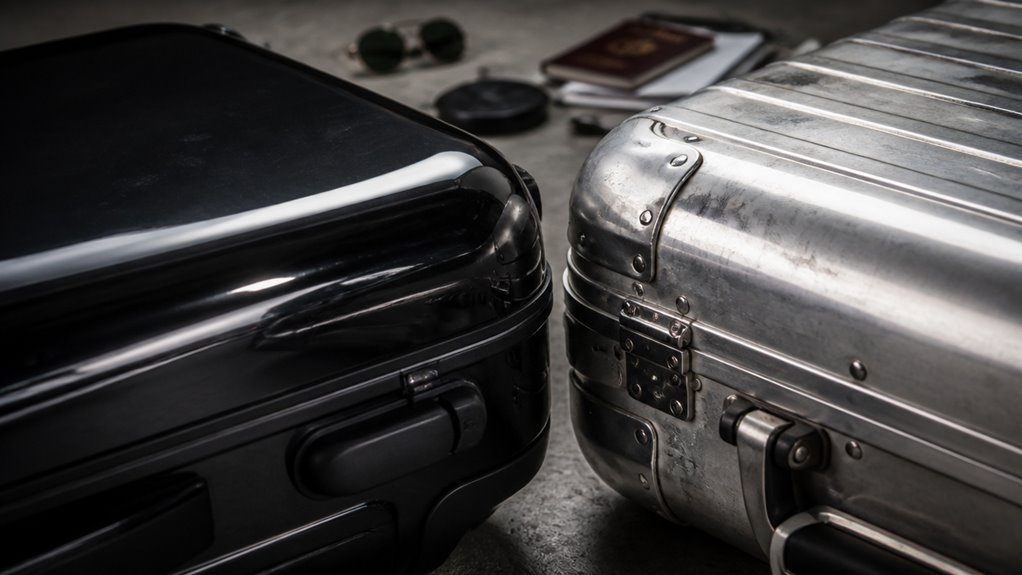
You’ll find polycarbonate luggage up to 50% lighter than aluminum, giving you more packing space and easier access through airline weight limits.
It flexes on impact, absorbing shocks and resisting dents. Aluminum is tougher against punctures but dents permanently and weighs more.
Polycarbonate costs less and suits frequent flyers, whereas aluminum appeals if you want a premium, rigid shell.
If you want to optimize your travel gear, exploring these material differences will help.
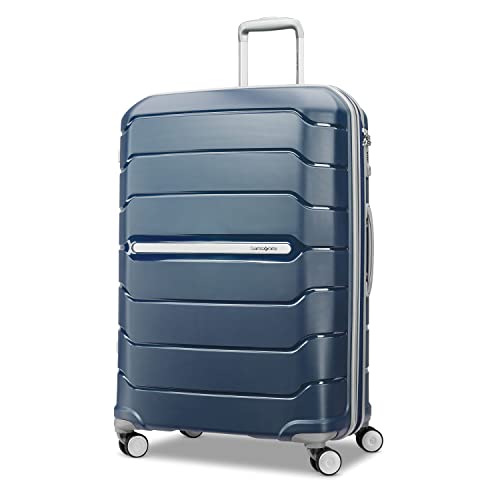
- Durable & Stylish: This large checked spinner luggage features a scratch-resistant Polypropylene…
- Spacious & Organized: The 27″ x 19.8″ x 13″ interior offers generous packing capacity, complete with…
- Smooth & Effortless Mobility: Equipped with four oversized, multidirectional spinner wheels, this…

- OVERALL DIMENSION: The size of the 20 inch carry on luggage: 21.7×14.4×8 IN. Weight: 6.4 LB…
- ADVANCED ZIPPERLESS DESIGN: Our zipperless aluminum frame suitcase offers effortless access and…
- PREMIUM 100% PC MATERIAL: Crafted from 100% high-performance polycarbonate with aluminum corner…

Key Takeaways
- Polycarbonate luggage is 30%–50% lighter than aluminum, allowing more packing capacity and avoiding overweight fees.
- Polycarbonate flexes to absorb impacts, reducing dents and extending bag lifespan compared to aluminum’s rigid shell.
- Aluminum offers superior puncture resistance and a premium feel but dents permanently and weighs more.
- Polycarbonate luggage is generally more affordable, costing $100–$300, while aluminum ranges from $300–$700+.
- Frequent flyers benefit from polycarbonate’s lightweight design, while those prioritizing durability and shell rigidity may prefer aluminum.
Polycarbonate vs Aluminum Luggage: Key Differences
| Comparison Factor | Polycarbonate Luggage | Aluminum Luggage |
|---|---|---|
| Weight | Around 30%–50% lighter | Noticeably heavier |
| Impact Behavior | Flexes and absorbs shocks | Rigid but can dent permanently |
| Puncture Resistance | Good general protection | Higher puncture resistance |
| Surface Wear | More likely to show light scratches | More likely to show dents and scratches |
| Packing Advantage | More room within airline weight limits | Heavier shell reduces packing allowance |
| Travel Style | Great for frequent flyers and carry-on travel | Better for travelers prioritizing rigidity and protection |
| Appearance Over Time | Usually maintains a cleaner shape | Develops visible wear and travel character |
| Best Overall Strength | Lightweight flexibility and impact absorption | Rigid construction and puncture protection |
Weight Comparison: Polycarbonate vs Aluminum
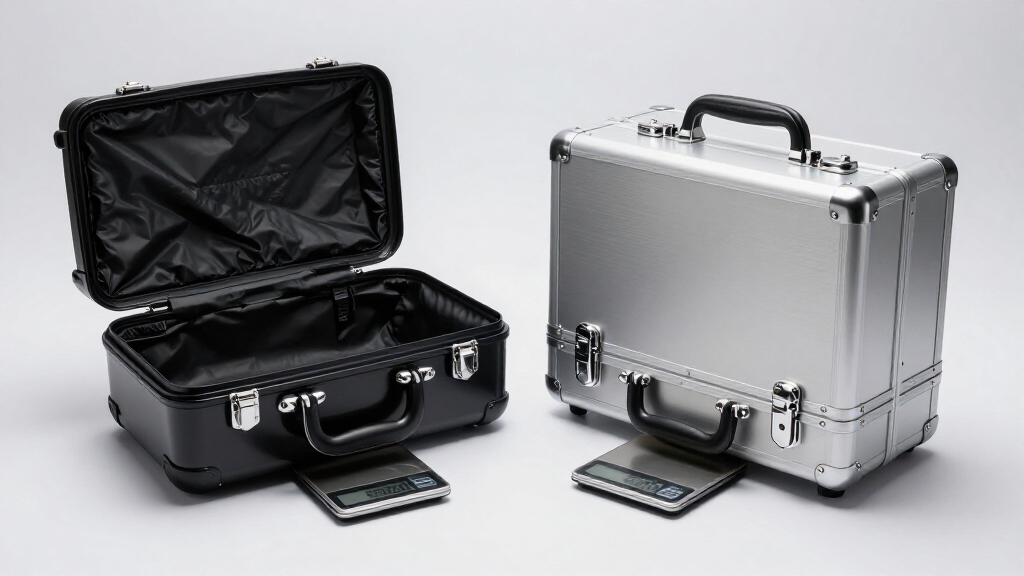
Although both polycarbonate and aluminum make sturdy luggage shells, polycarbonate bags typically weigh markedly less. This offers a clear advantage if you prioritize lightweight travel.
You’ll find polycarbonate carry-ons generally weigh between 5 to 8 pounds, while aluminum options range from 8 to 12 pounds. That’s roughly 30% to 50% heavier for aluminum luggage of the same size.
This weight difference matters most if you travel with carry-ons or want to maximize packing without hitting airline weight limits. Choosing polycarbonate means you can pack more or avoid costly overweight fees.
If you often check your bags and weight isn’t a major concern, aluminum’s extra heft mightn’t bother you as much. But if low weight is key, polycarbonate clearly wins here.
Additionally, polycarbonate’s molecular structure allows for thinner, lighter shells without sacrificing strength, enhancing its weight advantage over aluminum.
Impact Resistance: Polycarbonate vs Aluminum
When you consider impact resistance, polycarbonate and aluminum behave quite differently under stress.
Polycarbonate flexes on impact, absorbing shocks by bending and then resuming its original shape.
This flexibility helps it withstand repeated bumps without cracking, making it ideal if you want durability over time.
Aluminum, on the other hand, resists punctures and point impacts with a rigid shell but dents easily when hit.
While aluminum’s dents don’t usually compromise protection, they’re permanent and affect appearance.
If you prioritize a lightweight option that can handle multiple impacts with minimal damage, polycarbonate suits you better.
If you want a premium, hard shell that guards against sharp forces and don’t mind dents, aluminum fits your needs.
Both protect well, but their impact resistance suits different travel styles.
Additionally, polycarbonate’s superior impact strength makes it more resilient to rough handling and extends its lifespan significantly.
Surface Wear Differences Between Materials
Understanding how polycarbonate and aluminum show wear over time complements what you know about their impact resistance.
Polycarbonate luggage tends to resist dents but can accumulate scratches that are usually superficial. These scratches rarely affect the structural integrity or overall look drastically, helping your bag maintain a cleaner appearance longer.
Polycarbonate luggage resists dents and maintains a cleaner look despite superficial scratches over time
Aluminum, on the other hand, dents and scratches more noticeably. While dents are permanent, many travelers embrace them as part of the bag’s character rather than damage. However, these marks remain visible, which might concern you if you prefer a pristine look.
If surface wear bothers you, polycarbonate offers a more consistent cosmetic retention. But if you don’t mind some visible wear and prefer ruggedness, aluminum’s dent-prone surface mightn’t be a drawback.
In contrast, carbon fiber luggage combines lightweight strength with reinforced corner protection, offering superior durability against impacts while maintaining a sleek appearance.
Price Comparison And Value
Aluminum luggage often carries a higher price tag, and it’s easy to see why. The premium materials and sturdy construction make it a popular choice for many travelers.
On the other hand, polycarbonate luggage gives you a lighter, more budget-friendly option. Plus, it doesn’t skimp on essential features.
Additionally, polycarbonate shells like those used by Monos provide impact resistance while optimizing for lightweight travel.
Cost Differences
How much you’re willing to invest in luggage often shapes your choice between polycarbonate and aluminum.
Polycarbonate bags generally come at a lower price point, making them attractive if you want solid performance without breaking the bank.
Aluminum luggage commands a premium due to its material cost and build quality, appealing if you seek a high-end feel.
| Material | Typical Price Range | Why the Difference? |
|---|---|---|
| Polycarbonate | $100 – $300 | Lower material and production costs |
| Aluminum | $300 – $700+ | Premium metal, sturdy build, brand positioning, and durability |
Understanding these cost differences helps you align your budget with your luggage priorities. Brands like Briggs & Riley use polycarbonate in their hardside luggage to provide impact resistance while maintaining affordability and durability.
Value For Money
When comparing polycarbonate and aluminum luggage, the value you get for your money hinges on balancing upfront cost with long-term benefits.
Polycarbonate bags generally cost less, making them attractive if you want lightweight, affordable luggage without sacrificing basic durability.
Aluminum, while pricier, offers a premium feel and higher puncture resistance, which can justify the investment if you prioritize toughness and a rigid shell.
You’ll save weight and often avoid extra airline fees with polycarbonate, adding indirect value.
However, aluminum’s dents and scratches create a lasting character, which some travelers appreciate despite the higher price.
Ultimately, your choice depends on whether you value cost-efficiency and lightness or a premium, sturdy build that may outlast cosmetic wear.
Both materials deliver solid protection, but their value aligns differently with your travel priorities.
For those who value a blend of durability and style, models like the Brics Bellagio spinner suitcases offer a refined option combining polycarbonate shells with leather accents.
Price Versus Features
Consider what features matter most before committing to a price tag on luggage.
Aluminum bags generally cost more, often several hundred dollars, reflecting their premium materials and rigid construction.
Polycarbonate luggage tends to be lighter and more affordable, usually priced in the lower hundreds.
If you prioritize weight savings and flexibility, polycarbonate offers better value, especially for frequent flyers facing strict airline limits.
If you want a durable, dent-resistant shell with a premium feel and don’t mind paying extra, aluminum might be worth the investment.
Both materials protect your belongings well, but your choice depends on whether you value cost-effectiveness and lightweight design or a sturdy, high-end finish that ages with character.
Balancing price and features guarantees you pick luggage suited to your travel needs.
Additionally, many polycarbonate models feature a zipperless latch system that reduces failure points and enhances shell integrity, adding to their durability and security.
Packing Capacity And Airline Weight Limits
When you’re packing, every pound really matters when it comes to airline weight limits. So, opting for lighter luggage, like polycarbonate, can make a big difference.
It gives you more room for your essentials without racking up extra fees.
Now, let’s talk about your carry-on. You’ll want to strike a good balance between your bag’s empty weight and what you actually plan to pack.
It’s all about maximizing that allowance!
And if you’re checking a bag, keep in mind that aluminum’s heavier shell can really impact your total weight.
Understanding this can save you from some unexpected surprises at the airport. So, choose wisely!
Additionally, considering the wheel configuration can also affect your luggage’s overall weight and maneuverability.
Weight Impact On Packing
Managing luggage weight directly affects how much you can pack and stay within airline limits.
Polycarbonate luggage, being 30% to 50% lighter than aluminum at similar sizes, gives you a clear advantage.
With a lighter shell, you gain extra pounds for your belongings, letting you pack more without risking overweight fees.
Aluminum’s heavier frame reduces your packing capacity, forcing you to compromise or pay extra.
This difference is especially important if you frequently check bags or fly with strict weight restrictions.
Choosing polycarbonate means you can better optimize your load, balancing durability with weight savings.
Ultimately, your decision should reflect how much packing flexibility you need and how strictly you must adhere to airline weight limits to avoid added costs.
Weighing your luggage beforehand with a luggage scale can help ensure compliance with airline weight restrictions and prevent unexpected fees.
Maximizing Carry-On Allowance
Maximizing your carry-on allowance means packing smart without tipping the scales past airline weight limits.
Choosing polycarbonate luggage can give you an edge here since it’s typically 30% to 50% lighter than aluminum. That weight difference means you can pack more essentials without exceeding limits, reducing the need to check bags or pay fees.
Aluminum’s heavier shell, while durable, cuts into your allowable weight for contents. To optimize packing capacity, weigh your empty bag before and after loading to stay compliant with airline rules.
Also, consider flexible packing cubes or compression bags to better utilize space. Ultimately, selecting lighter polycarbonate luggage and strategic packing helps you maximize carry-on capacity efficiently and avoid surprises at the gate.
Remember to measure your luggage including wheels and handles to ensure it meets airline size restrictions and avoids unexpected fees.
Checked Baggage Weight Considerations
Although checked bags usually have higher weight limits than carry-ons, staying within those limits remains essential to avoid excess fees.
When choosing between polycarbonate and aluminum luggage, weight plays a pivotal role in your packing strategy. Aluminum shells are heavier, which means less allowance for your belongings before hitting airline limits.
Polycarbonate bags, being lighter, let you pack more without extra charges.
Consider these factors:
- Polycarbonate luggage typically weighs 30-50% less, increasing your packing capacity.
- Aluminum’s heavier shell cuts into your allowable weight, limiting what you can bring.
- Airlines often cap checked bags around 50 pounds, making lighter luggage advantageous.
- Overweight fees can be costly, so prioritize material choice to maximize value and avoid surprises.
Best Users For Polycarbonate Luggage
Choosing polycarbonate luggage makes sense if you prioritize lightweight travel without sacrificing durability. If you often fly with carry-ons, the reduced weight lets you pack more without hitting airline limits.
You’ll appreciate how polycarbonate flexes on impact, absorbing bumps while maintaining shape. This means fewer worries about dents.
This material suits frequent travelers who want reliable protection without the bulk or premium price of aluminum. If you care about keeping your luggage’s appearance clean over time, polycarbonate resists permanent dents better, maintaining a newer look.
It also offers a solid balance between cost and performance, making it ideal if budget matters. Overall, polycarbonate is best if you want flexibility, lighter weight, and value, especially when airline weight restrictions and cosmetic longevity are key factors in your travel gear decisions.
Ideal Use Cases For Aluminum Luggage
If you prioritize a rigid, premium feel and high puncture resistance in your luggage, aluminum is an excellent choice. This material excels when you need durability with a distinctive look, even if dents show character rather than damage.
Consider aluminum if:
- You want maximum shell rigidity to protect fragile or valuable items.
- You prefer a high-end aesthetic that signals quality and luxury.
- You frequently check bags and accept surface dents as part of travel wear.
- You value puncture resistance over weight savings, accepting extra pounds for toughness.
Aluminum’s strength against point impacts and its premium construction make it ideal for travelers who prioritize long-term durability and a statement piece over lighter, more flexible alternatives.
Choosing The Right Material For Your Travel Style
When selecting luggage material, consider how your travel habits and priorities align with the strengths of polycarbonate and aluminum.
If you prioritize lightweight luggage to maximize packing space and stay within airline weight limits, polycarbonate suits you best. Its flexible impact absorption reduces dents and keeps your bag looking newer longer.
On the other hand, if you value a premium, rigid shell and don’t mind extra weight or visible dents as part of your bag’s character, aluminum fits your style.
Frequent flyers focused on durability and weight savings lean toward polycarbonate. Those who check bags often and want a tough, distinct exterior prefer aluminum.
Ultimately, match your choice to whether you prioritize weight, durability perception, cosmetic retention, or price to travel smarter.
Frequently Asked Questions
How Do Polycarbonate and Aluminum Luggage Handle Extreme Temperatures?
You’ll find aluminum luggage handles extreme temperatures better, resisting warping or cracking in both heat and cold due to its metal structure.
Polycarbonate can soften slightly in high heat, risking deformation if exposed for long. However, it stays durable in cold without becoming brittle.
If you often travel through harsh climates, aluminum offers more reliable temperature resistance. Polycarbonate suits moderate conditions where lightness matters more.
Are There Environmental Benefits to Choosing One Material Over the Other?
Choosing luggage materials is like planting seeds for the planet’s future.
You’ll find polycarbonate is a plastic, derived from fossil fuels, which can be recycled but often ends up in landfills.
Aluminum, by contrast, is highly recyclable and requires less energy to recycle than to produce new metal.
If you want to tread lightly, aluminum’s recyclability offers a greener edge.
Both choices have environmental trade-offs to take into account.
Can Either Material Be Easily Repaired if Damaged?
You can usually repair polycarbonate luggage more easily since its thermoplastic shell can sometimes be reshaped or patched after minor cracks or scratches.
Aluminum luggage is tougher to fix because dents and punctures deform the metal permanently, often requiring professional work or replacement parts.
If you want easy, DIY fixes, polycarbonate suits you better. For dents, you might’ve to accept the aluminum’s character or seek costly repairs.
How Do the Materials Affect Luggage Security Features?
When it comes to luggage security, you know “a chain is only as strong as its weakest link.”
Aluminum shells offer sturdy protection against tampering, making it tougher for thieves to puncture or pry open your bag.
Polycarbonate is more flexible but less rigid. While it absorbs impacts well, it may be easier to breach with sharp tools.
Choose based on whether you prioritize rigid defense or lightweight convenience.
Do Polycarbonate or Aluminum Bags Differ in Noise During Transit?
You’ll notice aluminum luggage tends to be noisier during transit because its rigid metal shell can create louder sounds when it bumps or scrapes against surfaces.
Polycarbonate bags, being more flexible and lighter, absorb impacts better and produce less noise rolling through airports or on rough terrain.
If minimizing noise is important to you, polycarbonate is the quieter choice, especially when maneuvering crowded or echo-prone environments.
Final Thoughts on Polycarbonate vs Aluminum Luggage
When choosing between polycarbonate and aluminum luggage, ask yourself: do you want lightweight flexibility or rugged durability?
Polycarbonate offers lighter weight and better impact resistance, perfect for frequent flyers who value ease.
Aluminum, though heavier, shines in toughness and style, ideal for those who prioritize protection.
Your travel style is the compass. Pick the material that keeps your journey smooth, whether you’re chasing convenience or commanding strength.
Which suitcase speaks to your adventure?
- Durable & Stylish: This large checked spinner luggage features a scratch-resistant Polypropylene…
- Spacious & Organized: The 27″ x 19.8″ x 13″ interior offers generous packing capacity, complete with…
- Smooth & Effortless Mobility: Equipped with four oversized, multidirectional spinner wheels, this…
- OVERALL DIMENSION: The size of the 20 inch carry on luggage: 21.7×14.4×8 IN. Weight: 6.4 LB…
- ADVANCED ZIPPERLESS DESIGN: Our zipperless aluminum frame suitcase offers effortless access and…
- PREMIUM 100% PC MATERIAL: Crafted from 100% high-performance polycarbonate with aluminum corner…
Last update on 2026-10-07 / Affiliate links / Images from Amazon Product Advertising API